
Best Drugstore Shampoo for Oily Hair: Top Picks 2026
You wash your hair in the morning, it looks fresh for a few hours, and then by lunch your roots are already separating into little shiny sections. By late afternoon, your crown feels flat, your bangs look stringy, and every style you tried to create has collapsed. If your hair is also fine, the frustration gets worse. A shampoo that removes oil can leave your lengths rough, but a shampoo that feels soft and “nourishing” can make your roots look greasy again almost immediately.
This post may contain affiliate links, which means I may receive a commission if you purchase through my links, at no extra cost to you. Please read the disclosure policy for more information.
The good news is that finding the right drugstore shampoo for oily hair isn't about spending more. It's about knowing which formulas help your scalp stay balanced, which ones leave residue, and which ones undermine volume.
The Never-Ending Battle with Greasy Hair
You leave the house with clean roots and a decent lift at the crown. A few hours later, your part looks wider, your bangs split apart, and the style you built that morning has already dropped. Fine, oily hair does this faster than people expect because even a small amount of sebum can weigh down a finer strand and make the whole head of hair look flat.
That's why broad oily-hair advice so often misses the mark for this hair type. Fine hair usually cannot handle heavy conditioners, rich shampoos, or silicone-heavy “smoothing” formulas near the root. But it also does not respond well to harsh cleansing that leaves the scalp tight and the lengths puffy. The sweet spot is a shampoo that cuts oil, rinses clean, and leaves enough body behind that your hair still looks like hair, not strings.
The best shampoo choice for fine, oily hair is usually the one that removes buildup cleanly without coating the strand or roughing it up.
In testing, I see the same pattern over and over. Readers blame oil, but residue is often part of the problem. Dry shampoo buildup, creamy conditioners, scalp serums, and even some volumizing products can leave fine roots looking greasy sooner because the hair has so little density to disguise that film. If you are also dealing with shedding or scalp changes, this guide on managing thinning hair effectively adds useful context.
The good news is that drugstore shampoos can handle this well. The strong ones are not the richest formulas on the shelf. They are the ones that clean the scalp thoroughly, avoid unnecessary residue, and help fine hair keep some lift instead of collapsing by noon.
Why Your Scalp Is Working Overtime
Your scalp has tiny oil factories called sebaceous glands. Their job is useful. They produce sebum, which helps protect the scalp and hair. The problem starts when those glands become overactive, or when your routine pushes them into defense mode.
Some of this comes down to your baseline. Genetics can make you oilier. Hormonal shifts can make your scalp act differently from one season or life stage to the next. Heat, humidity, styling products, and even the way you condition can add to that heavy-at-the-root feeling.
The rebound problem
One of the biggest mistakes is assuming that more cleansing always solves oily hair. It doesn't. Harsh formulas can remove oil fast, but if they strip too aggressively, your scalp can respond by producing more oil. That's the rebound effect.
This matters most if you've been using a very harsh clarifying shampoo every wash because your hair gets greasy quickly. That routine can create a cycle where your roots feel clean for a short window, then look oily again even faster.
When your scalp feels squeaky and tight after shampoo, that's not always a sign of a better cleanse. Sometimes it's a warning sign.
Why fine hair feels oilier faster
Fine hair usually shows oil sooner because there's less density to hide it. Once sebum coats the roots, the hair loses lift fast. Thick hair can sometimes carry more oil before it looks visibly greasy. Fine hair can't.
That's also why scalp care matters beyond shine or cleanliness. If you're also dealing with shedding or density concerns, scalp balance becomes part of managing thinning hair effectively, not just part of styling.
The takeaway is simple. Your scalp isn't being difficult for no reason. It's reacting to biology, environment, and routine. The right shampoo works with that reality instead of trying to blast it away.
Decoding the Drugstore Shampoo Aisle
Drugstore shelves make oily-hair shampoos sound interchangeable. They are not. For fine, oily hair, small formula details decide whether you get a clean scalp with lift or roots that fall flat by noon.
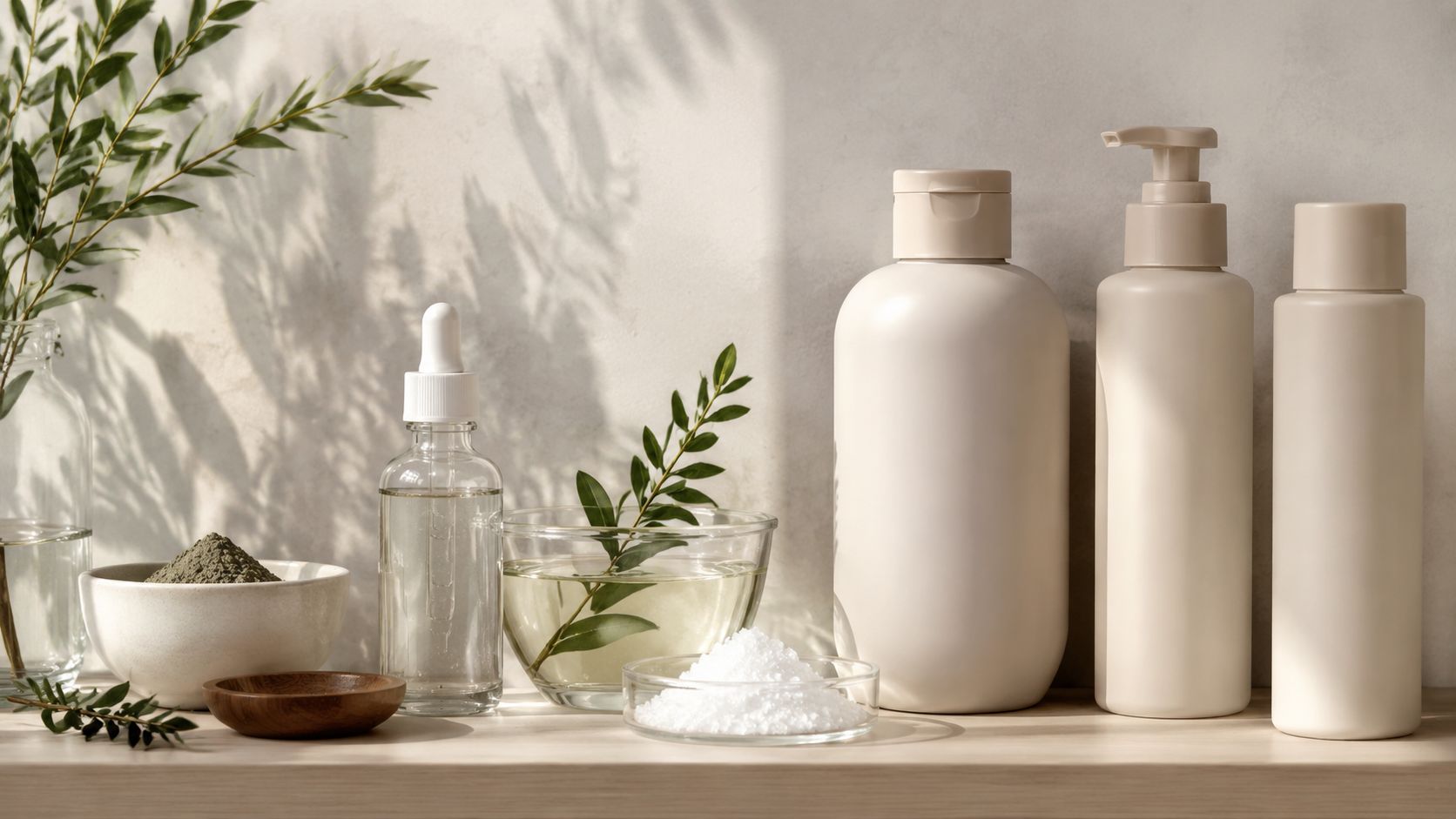
Ingredients that usually help
Start with shampoos labeled clarifying, balancing, purifying, or volumizing. Those formulas are usually built to cut through sebum and rinse clean, which matters more than fancy packaging if your roots get slick fast and your hair is fine enough to show it.
A few ingredient types tend to perform well. Salicylic acid helps loosen oil and debris at the scalp. Zinc is often used in balancing formulas aimed at excess oil. Charcoal can help absorb residue. Tea tree, green tea, and chamomile can be useful too, especially if you want a fresher scalp feel without switching to a harsh detergent-heavy wash.
If you prefer a more natural-leaning shopping path, browsing an organic hair wash collection can help you compare lighter cleansing styles and ingredient philosophies, even if you still buy your final pick at the drugstore.
Ingredients that often work against you
Fine, oily hair usually struggles with formulas that leave too much behind.
Heavy silicones are a common culprit, especially near the top of the ingredient list. Dimethicone can make hair feel silky, but on fine roots it often trades bounce for coating. By day one or two, hair can look smoother and flatter at the same time. If you want a clearer sense of which silicones are lighter and more selective, this guide to Bis-Aminopropyl Dimethicone explains why silicone chemistry matters.
Very creamy shampoos can cause the same problem. So can rich oils in a formula marketed for repair, smoothing, or intense moisture. Those products have their place, especially on coarse, processed, or very dry hair, but they are usually the wrong first move if your main complaint is oily roots and limp crown volume.
The fine and oily hair dilemma
This is the part many oily-hair guides miss. Fine hair needs oil control, but it also needs the cuticle to stay smooth enough to hold shape. If a shampoo strips too hard, the scalp can feel irritated and the hair fiber can roughen up. That leaves lengths puffier, ends drier, and roots greasy again too soon.
pH matters here more than most shoppers realize. A shampoo in the 4.5 to 5.5 range is generally a safer bet because it sits closer to the scalp's natural acid mantle and helps the hair cuticle lie flatter. A flatter cuticle loses less moisture, tangles less, and reflects light better, which means fine hair looks smoother without needing a heavy coating. On the scalp side, keeping that acid balance intact reduces the tight, over-cleansed feeling that can push people into the strip-and-rewash cycle.
In practice, the best shampoo for fine, oily hair usually does four things:
- Cleans the scalp thoroughly without leaving a waxy or conditioned film.
- Uses lightweight surfactants or a balanced clarifying system instead of a rich cream base.
- Avoids loading the root area with heavy silicones, butters, or repair oils.
- Leaves enough softness in the hair fiber that you do not need to overcorrect with styling products afterward.
Volumizing claims can help narrow the field, but they should not be the deciding factor by themselves. Some volumizing shampoos rely on a very dry finish that gives temporary lift, then makes fine hair rough and hard to manage. The better formulas give you clean roots first and body as a bonus.
A quick explainer can help if you want to see how people think through oily-root shampoo choices in real time.
Practical rule: If your hair is fine and oily, buy shampoo for scalp control and buy conditioner for softness. One product rarely does both jobs well at the roots.
Your New Wash and Styling Routine for Oily Hair
You wash at night, wake up with decent hair, and by lunchtime the crown is separating and the front pieces are stuck to your forehead. That pattern is frustrating on any hair type. On fine hair, it is worse because even a small amount of oil collapses volume fast.
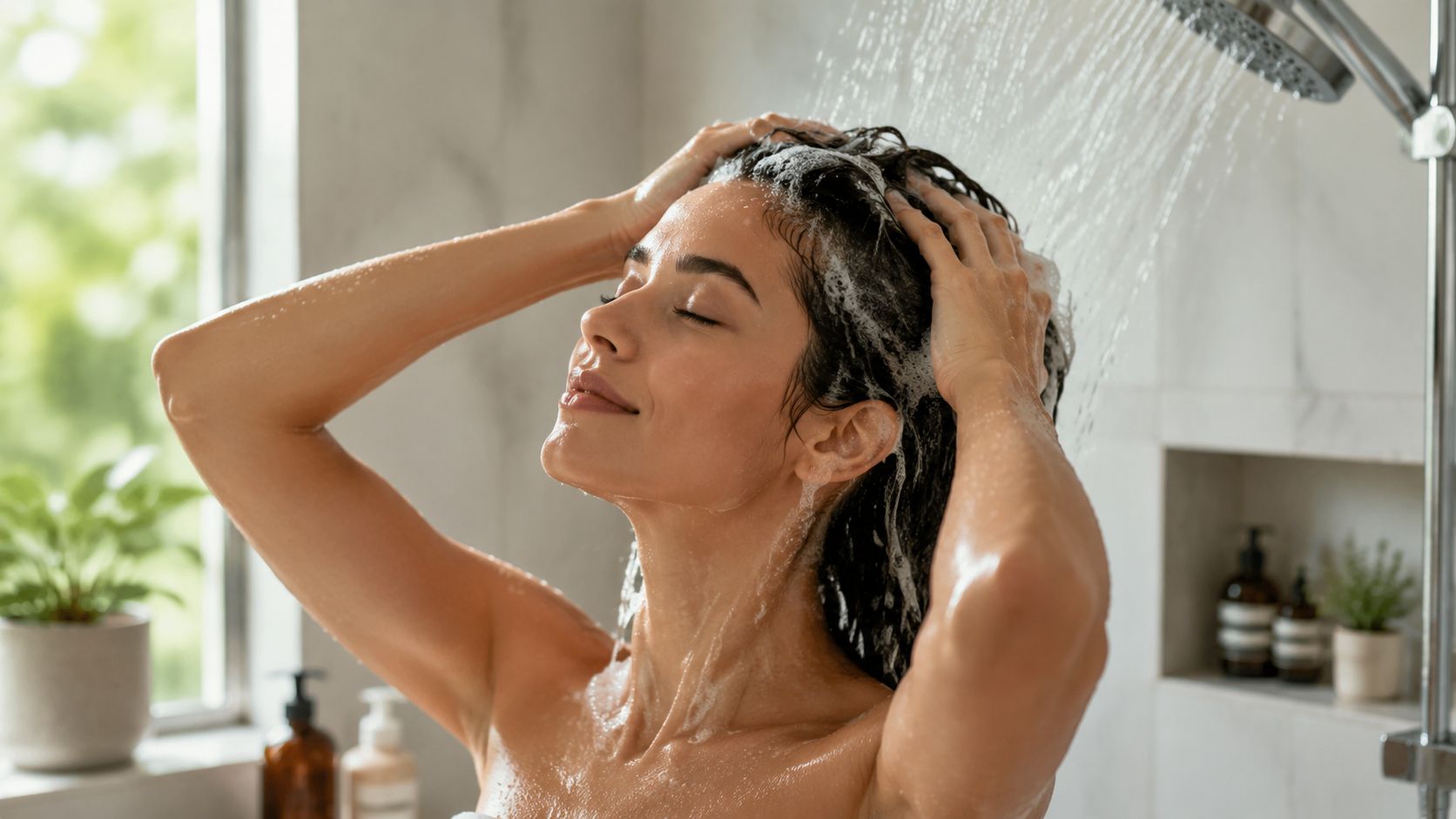
A better routine fixes two problems at once. It clears scalp oil and buildup, and it protects the light, airy feel that fine hair needs to look full. That is why the best shampoo for oily hair is only part of the answer. Application matters just as much.
Start with the scalp, not the lengths
Shampoo belongs on the scalp first. That is where oil, sweat, and styling residue collect. Fine lengths usually do not need aggressive cleansing, and overworking them can leave them rough while the root area still feels coated.
Spend more time rinsing than you think you need to. In testing, a lot of “my hair gets greasy right away” complaints trace back to leftover conditioner at the nape, crown, or hairline. Fine hair shows that film immediately.
The routine that usually works best
Wet the scalp completely
If the hairline, crown, and underneath sections are not fully soaked, shampoo spreads unevenly and people usually add too much.Use less shampoo than you want to
Start with a small amount. Emulsify it in your hands, then place it directly onto the scalp in two or three spots instead of dumping it onto the top layer.Massage in sections
Use fingertips and work the scalp in zones: front hairline, crown, sides, then nape. This gets a more even cleanse than scrubbing one area until it foams.Double cleanse when roots feel coated
This is the tip many oily-scalp routines skip. The first wash breaks up sebum, dry shampoo, and styling residue. The second wash lifts it away, which is why the second lather usually feels richer with less product. For fine hair, this method often works better than one harsh clarifying wash because you get a cleaner scalp without leaving the lengths squeaky.Condition only where the hair is dry
Keep it from mid-length to ends. If your conditioner tends to leave a film, switch to a lighter non-comedogenic conditioner so the root area stays fresher and the ends still get slip.
The styling habits that keep roots fresher
Fine, oily hair usually does best with prevention, not rescue.
Blow-dry the root area first
Hair that dries flat against the scalp looks oilier faster. Lift sections upward with your fingers or a vent brush while drying the roots.Apply dry shampoo to clean, dry hair
This sounds backward, but it works. Dry shampoo grabs oil better before the roots are slick, and it helps hold lift at the scalp. Use a light mist, let it sit, then brush or massage it through.Keep leave-ins off the top third of the hair
Serums, creams, and oils travel. On fine hair, even a small amount near the face can make the front look greasy hours earlier.Watch your brush and pillowcase
Dirty tools move oil and old product right back onto fresh hair. If roots get limp quickly and your shampoo is solid, these are often the hidden problem.
Cleaner roots usually come from better placement, a longer rinse, and fewer heavy products at the scalp.
If your roots get oily while your ends stay dry, split the job. Use shampoo to clean the scalp well, then use conditioner and styling products with a light hand everywhere else.
5 Smart Drugstore Shampoo Picks for Oily Hair
A good drugstore shampoo for oily hair should do one of two things well. It should either give you a cleaner scalp without residue, or it should clean efficiently while staying light enough for fine hair. The best picks below are all easy to find in the US and make sense for different versions of oily hair.
Drugstore Shampoo Comparison
| Shampoo Pick | Best For | Key Ingredient(s) |
|---|---|---|
| L'Oréal Paris Elvive Hyaluron + Pure Purifying Shampoo | Oily roots with a modern scalp-first feel | Purifying-focused formula |
| Neutrogena Healthy Scalp Clarify & Shine Shampoo | Buildup-prone roots | Clarifying approach |
| OGX Tea Tree Mint Shampoo | Oily scalp that also wants a fresh, lightweight feel | Tea tree oil |
| Herbal Essences Tea Lightfully Clean Shampoo | Fine, oily hair that gets weighed down fast | Tea tree |
| Pantene Volume & Body Shampoo | Fine hair that needs lift as much as oil control | Lightweight volumizing formula |
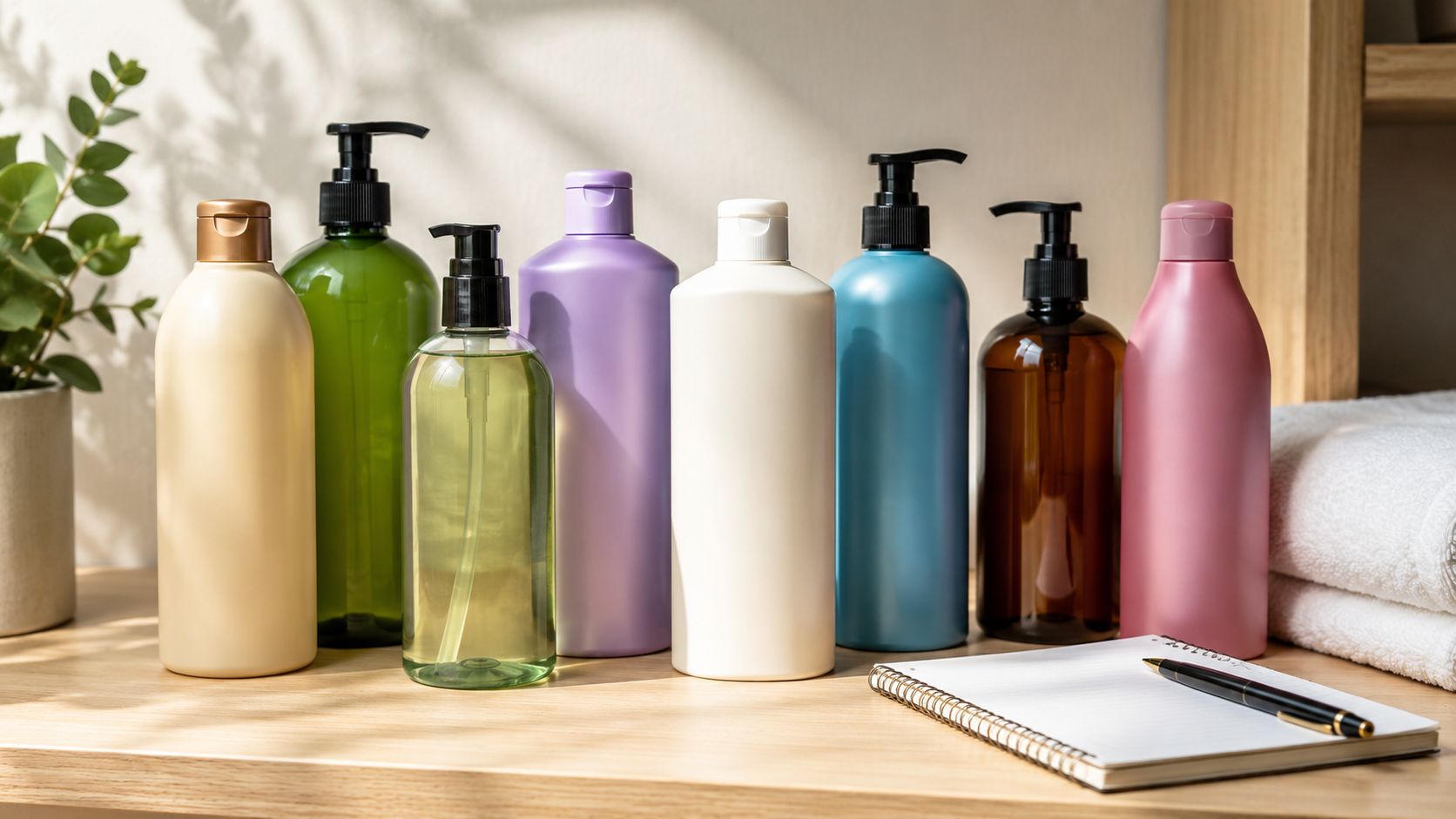
1. L'Oréal Paris Elvive Hyaluron + Pure Purifying Shampoo
This is the one to know first because oily-hair shampoo is now a real editorial category, not an afterthought. InStyle's 2026 review named L'Oréal Paris Elvive Hyaluron + Pure Purifying Shampoo the best drugstore option for oily hair, which says a lot about how mainstream scalp-first haircare has become in mass retail (InStyle's 2026 drugstore shampoo review).
Why it stands out: it speaks directly to oily roots in a modern way. Not “greasy hair” language. Not a generic family shampoo. A targeted purifying formula.
Best dupe if this is sold out:
- Neutrogena Healthy Scalp Clarify & Shine Shampoo
- Pantene Volume & Body Shampoo
2. Neutrogena Healthy Scalp Clarify & Shine Shampoo
This is a smart pick for people who know buildup is part of the problem. If your roots get oily quickly and your hair stops responding well to styling, a clearer-feeling formula can help reset that heavy, coated feeling.
It's the kind of shampoo I'd point to for someone who uses dry shampoo often, works out regularly, or notices their crown gets dull before it gets oily-looking.
Best dupe alternatives:
- L'Oréal Paris Elvive Hyaluron + Pure Purifying Shampoo
- Herbal Essences Tea Lightfully Clean Shampoo
3. OGX Tea Tree Mint Shampoo
Tea tree is one of the most useful signposts for oily hair because it tends to show up in formulas aimed at freshness and scalp cleanliness. For shoppers comparing bottles quickly, this is the sort of ingredient that usually signals a lighter, more cleansing profile.
If you're already looking through options from the brand, this roundup of the best OGX shampoo can help you narrow down which OGX formulas lean lighter versus richer.
Best dupe alternatives:
- Herbal Essences Tea Lightfully Clean Shampoo
- Neutrogena Healthy Scalp Clarify & Shine Shampoo
4. Herbal Essences Tea Lightfully Clean Shampoo
This is a good fit for the fine-and-oily crowd because “lightfully clean” is exactly the effect that type of hair needs. Not stripped. Not creamy. Not polished into limpness. Just clean enough to hold some body.
It's also a nice example of why ingredient cues matter more than branding mood. Tea tree tends to make more sense for oily roots than a shampoo centered on rich oils or repair claims.
If your hair goes flat before it looks dirty, choose the lightest formula that still leaves your scalp feeling fully clean.
Best dupe alternatives:
- OGX Tea Tree Mint Shampoo
- Pantene Volume & Body Shampoo
5. Pantene Volume & Body Shampoo
This is the practical pick for readers whose biggest complaint is that oily roots kill volume fast. A volumizing shampoo won't automatically control sebum better than every purifying shampoo, but it can be a smart compromise when your hair is both oily and very fine.
The key is making sure “volume” doesn't come packaged with heavy smoothing ingredients. This kind of bottle makes the most sense when you want lift first and a cleaner feel second.
For more ingredient comparison and product shopping language around the best shampoo for oily hair, it helps to see how different brands frame oil control, especially when you're deciding between purifying and balancing styles.
Best dupe alternatives:
- L'Oréal Paris Elvive Hyaluron + Pure Purifying Shampoo
- Herbal Essences Tea Lightfully Clean Shampoo
Frequently Asked Questions About Oily Hair Care
Why does my hair look oily so fast after blow-drying?
Product buildup is one common reason, but technique matters too. Fine hair gets greasy-looking faster when heavy heat protectants, root creams, or styling oils sit near the scalp.
Keep your prep products from mid-length down unless a formula is specifically made for roots. If your blowout looks flat and piecey by lunchtime, the shampoo may be fine, but your styling layer is too heavy for your hair density.
Can hard water make oily hair worse?
Yes. Hard water can leave a mineral film behind, and on fine hair that film often reads as greasy, dull, or limp rather than truly dirty.
If your scalp feels clean but your roots still look coated, hard water is worth considering. A chelating or hard-water shampoo used occasionally can help reset the hair so your regular drugstore shampoo performs the way it should.
Why does one “oily hair” shampoo make my roots fresh, while another makes my hair flat?
“Oily hair” is not a tight category. Some formulas focus on stronger cleansing. Others chase softness, shine, or scalp comfort, and fine hair can pay for that with lost volume.
For fine, oily hair, the better bottle is usually the one that rinses very clean and leaves little behind. If a shampoo gives you nice slip in the shower but your roots collapse a few hours later, it is probably too conditioning for your texture.
Do I need a separate shampoo for gym days?
Often, yes. Sweat, dry shampoo, and scalp oil create a different kind of buildup than a regular office day.
A lighter daily shampoo may be enough on low-product days, while post-workout washes often go better with a cleaner-rinsing formula. Plenty of people with fine, oily hair do best with two shampoos in rotation instead of forcing one bottle to do every job.
Is dry shampoo making my scalp oilier?
Dry shampoo does not increase oil production, but it can make the scalp feel dirtier if it stacks up day after day. On fine hair, that buildup also steals bounce.
Use it as a short-term fix, not a replacement for washing. Spray lightly, give it a minute, then brush through well so it does not sit in concentrated patches at the roots.
What's the biggest mistake people with fine, oily hair make?
Buying for oil control alone. That sounds logical, but the harshest shampoo is not always the best match.
Fine hair needs cleanliness and lift at the same time. The sweet spot is a formula that cuts oil without leaving the hair rough, squeaky, or harder to style. That balance is why some affordable drugstore shampoos outperform pricier “repair” or “moisture” formulas for this hair type.
If you're still comparing options, Finding Favourites is a great place to sort through affordable beauty picks without wasting money on overhyped products. For this guide, the standout best dupe-style pick was L'Oréal Paris Elvive Hyaluron + Pure Purifying Shampoo because it reflects exactly where drugstore haircare is headed: targeted, scalp-first, and easy to buy. If your hair is both fine and oily, stick with lightweight purifying formulas, avoid heavy silicones and rich shampoos, and let your conditioner do the softening only where you need it.