
CeraVe PM Lotion Ingredients & 5 Affordable Dupes
You're probably staring at that plain blue-and-white bottle in the skincare aisle, or hovering over it in an online cart, wondering why CeraVe PM Facial Moisturizing Lotion has such a loyal following. It doesn't look glamorous. It doesn't promise overnight miracles. But it keeps showing up in dermatologist recommendations, “best drugstore moisturizers” lists, and routines built around barrier repair.
What matters isn't the hype. What matters is whether the CeraVe PM lotion ingredients make sense for your skin, your budget, and your tolerance level. This formula does a lot right, especially if your skin wants lightweight hydration and barrier support. But it also gets praised a little too blindly. If your skin is reactive, niacinamide-sensitive, or prone to mystery irritation from “fragrance-free” products, there are some real trade-offs to know before you buy.
This post may contain affiliate links, which means I may receive a commission if you purchase through my links, at no extra cost to you. Please read the disclosure policy for more information.
If you're price-checking your routine across different retailers, practical savings still matter. For shoppers comparing pharmacy orders and trying to cut shipping costs, this guide to Saving money on Chemist Warehouse delivery is a useful example of the kind of small checkout decisions that add up over time.
Your Guide to the Cult-Favorite CeraVe PM Lotion
CeraVe PM sits in a sweet spot that a lot of moisturizers miss. It's light without feeling flimsy, simple without being empty, and affordable compared with many barrier creams that market the same core benefits. That's why so many people buy it on repeat.
The formula is built around the kind of ingredients that make sense for skin that feels tight, dehydrated, or a little overworked from actives. Instead of relying on fragrance, rich oils, or a heavy occlusive finish, it leans on humectants, barrier lipids, and a well-known brightening and soothing active.
CeraVe PM earns its reputation because it solves a common problem well. Skin wants hydration and support, not a dramatic texture that pills under everything else.
Still, a good formula for many people isn't a perfect formula for everyone. Some shoppers do great with CeraVe PM for years. Others use it twice and wonder why a “gentle” moisturizer suddenly stings, flushes, or leaves them itchy by morning.
That gap matters. A lot of reviews stop at “contains ceramides and niacinamide,” as if those ingredients automatically make a product universal. They don't. Ingredient quality matters, but so does concentration, formula balance, and what your skin already tolerates.
Decoding the CeraVe PM Ingredients List
The easiest way to understand the CeraVe PM lotion ingredients is to stop looking at them as one long label and break them into jobs. This isn't a random mix. It's a formula designed to hydrate, cushion, and support the skin barrier without feeling like a night cream in the old-school heavy sense.
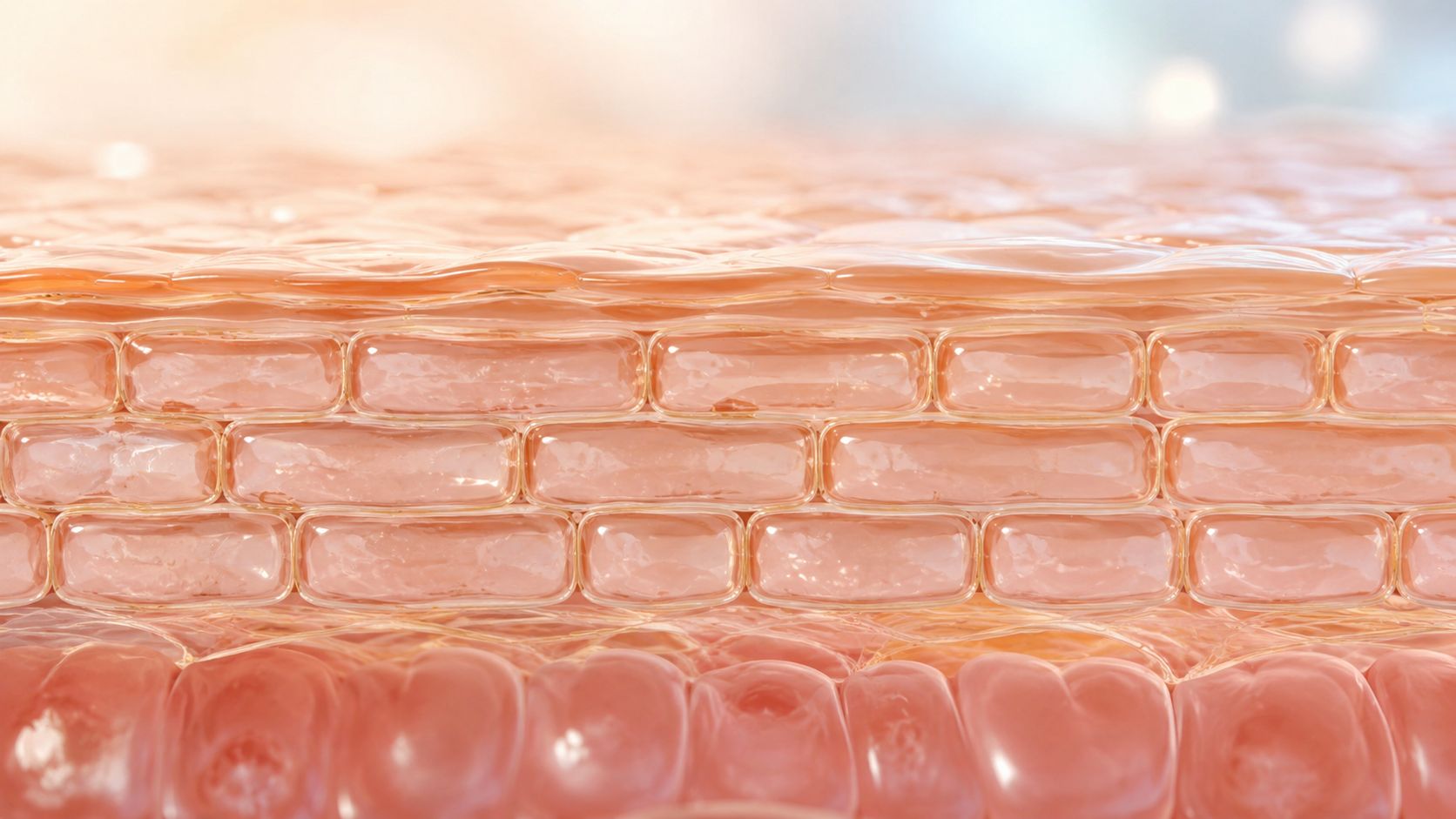
According to SkinSort's CeraVe PM ingredient breakdown, the lotion uses a 24-ingredient formula featuring niacinamide, hyaluronic acid, and three essential ceramides: Ceramide NP, Ceramide AP, and Ceramide EOP. The same listing also highlights glycerin, cholesterol, dimethicone, and phytosphingosine. One detail that stands out is ingredient order. Niacinamide is listed fourth, which generally suggests a relatively substantial concentration, even though the exact percentage isn't printed on the label.
The power trio
The headline ingredients are the reason this lotion gets recommended so often.
- Niacinamide sits high in the formula and does a lot of the visible work. It's the ingredient most likely to help skin look calmer and more even over time. If you want a separate product focused more heavily on that ingredient, this guide to the best drugstore niacinamide serum is a helpful next read.
- Sodium hyaluronate, the form of hyaluronic acid used here, helps pull water into the skin.
- Ceramide NP, AP, and EOP are part of the formula's barrier-support backbone.
If you want a plain-language refresher on understanding niacinamide's role, that overview is useful because it frames why this ingredient shows up in so many modern moisturizers.
The barrier support system
The formula would be much less impressive if it stopped at ceramides and niacinamide. What makes it feel more complete is the support cast.
- Glycerin works as a classic humectant. It helps the skin hold onto water.
- Cholesterol matters because barrier repair isn't just about adding ceramides in isolation.
- Phytosphingosine supports the overall barrier-focused design.
- Caprylic/capric triglyceride adds softness and emollience so the product doesn't feel watery and disappear.
For readers who want a deeper breakdown of why ceramides are such a staple in barrier-focused formulas, what are ceramides in skincare covers the basics well.
Practical rule: A barrier moisturizer usually works better when it combines water-binding ingredients, skin-softening emollients, and barrier lipids. CeraVe PM checks all three boxes.
The formulation framework
Texture matters more than people think. A moisturizer can have excellent ingredients and still fail if it feels greasy, pills under sunscreen, or leaves skin coated.
CeraVe PM uses ingredients like dimethicone to smooth the finish and reduce drag. That's one reason it spreads easily and works well for people who hate thick creams. It also helps reduce that raw, exposed feeling you get when your skin barrier is irritated.
Later in the formula, you'll also find the practical ingredients that keep the product stable and usable, including preservatives. They don't get marketing headlines, but they matter. They're part of why the product stays shelf-stable and consistent from use to use.
For a quick visual overview of how the formula is discussed in practice, this video is useful:
What doesn't work is pretending every ingredient on the label carries equal weight. It doesn't. The reason this formula gets attention is simple. The high placement of glycerin and niacinamide, plus the inclusion of ceramides and cholesterol, gives it a smarter structure than many basic drugstore lotions.
Why This Simple Formula Is So Effective for Skin Repair
When skin feels rough, stingy, flaky, or over-exfoliated, the problem usually isn't just “dryness.” The problem is that the barrier isn't doing its job well. CeraVe PM works best when you understand it as a barrier-support moisturizer first, not just a night lotion.
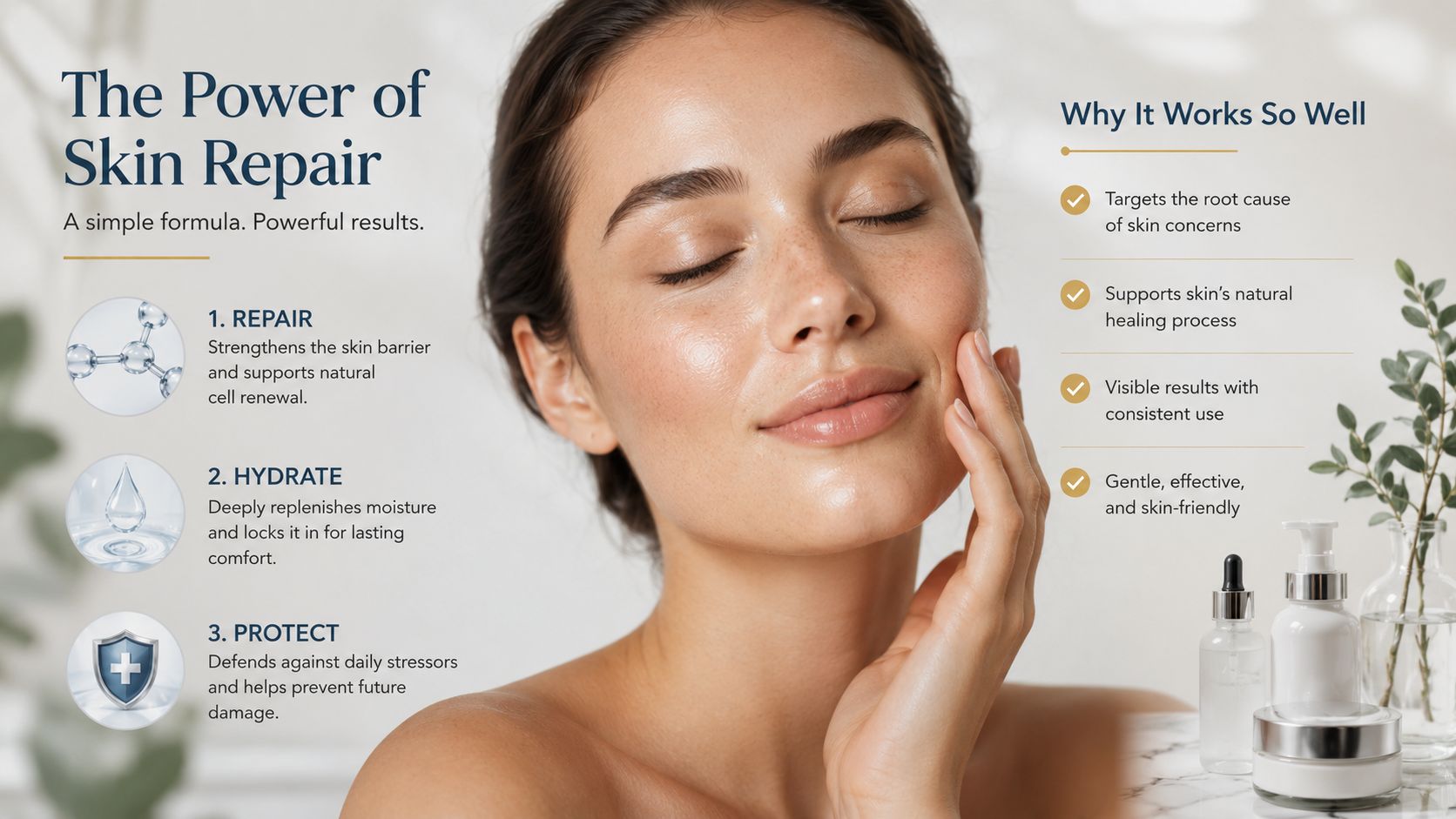
Think bricks and mortar
A simple way to picture the skin barrier is bricks and mortar. The skin cells are the bricks. The lipids around them are the mortar that seals the gaps and helps keep water in.
When that mortar gets weak, skin loses water more easily and becomes easier to irritate. That's when even a gentle cleanser or a familiar serum can suddenly start to burn.
CeraVe PM makes sense in that context because it pairs ingredients associated with barrier lipids. On the official CeraVe PM product page, the formula is described around three ceramides, niacinamide, and hyaluronic acid, and the product has long been associated with 4% niacinamide in ingredient-analysis coverage. The formula has also evolved over time, including older ceramide naming conventions and earlier versions that included parabens.
Why the ingredient mix works overnight
Night is when many people use stronger treatments like retinoids, exfoliating acids, or prescription acne products. Those can help long term, but they often leave skin short on comfort.
CeraVe PM fits well after those steps because its formula supports the skin in several ways at once:
- Ceramides and cholesterol help replenish the “mortar” side of the barrier
- Glycerin and hyaluronic acid support hydration
- Dimethicone gives a soft seal without the weight of a thick balm
- Niacinamide adds another layer of support in a formula already aimed at calmer, better-hydrated skin
That combination is why the lotion often feels more effective than its texture suggests. It doesn't look rich, but it performs like a formula that was built with barrier stress in mind.
If you want a broader skin-first explanation of recovery habits, Skinsation's complete skin barrier guide is a useful companion read.
What works and what doesn't
What works is using CeraVe PM when your skin needs support but you don't want a greasy film on your face or pillowcase. It's especially appealing for combination, oily-dehydrated, and acne-prone skin types that still need barrier care.
What doesn't work is expecting it to behave like a heavy repair cream for severely dry skin on its own. Some people still need a richer layer on top, especially around the mouth, around the eyes, or in winter.
If your skin is tight but also breakout-prone, lightweight barrier support usually beats slathering on the richest cream you can find.
Potential Irritants and Who Should Be Cautious
You buy CeraVe PM because it has a gentle reputation, you smooth it on at night, and within minutes your skin feels warm or starts to sting. That experience is more common than many glowing reviews admit.
CeraVe PM is still a smart formula for a lot of people. The problem is that "fragrance-free" and "barrier-supporting" do not guarantee a low-reactivity product for every face. The two pressure points here are niacinamide and the preservative system.
Niacinamide can be helpful and still be too much for some skin
CeraVe PM is widely believed to contain about 4% niacinamide. That is a useful level for oil control, uneven tone, and barrier support, but it is not automatically gentle if your skin is already reactive.
In practice, I would be cautious with this lotion if your skin falls into one of these groups:
- Eczema-prone skin, especially during a flare or after over-exfoliation
- Rosacea-prone skin that flushes easily
- Anyone with a past reaction to niacinamide serums or toners
- People stacking multiple niacinamide products in the same routine without realizing it
The trade-off is simple. A moderate niacinamide level can do more than the tiny amounts used for label appeal, but that same strength can push sensitive skin into burning, redness, or next-day flaking. If you have been comparing gentle drugstore moisturizers, this breakdown of Cetaphil vs CeraVe for sensitive skin types is a useful side-by-side before you commit.
Fragrance-free products can still trigger contact reactions
A lot of shoppers stop reading once they see "fragrance-free." That only removes one common trigger.
CeraVe PM also contains preservatives, including phenoxyethanol, which helps keep the formula safe and stable in the bottle. That matters. You do not want a moisturizer without an effective preservative system. But for allergy-prone users or people with a history of contact dermatitis, preservatives can be the hidden reason a supposedly gentle lotion keeps failing.
This is the part many reviews skip because it is less marketable than "non-comedogenic" or "dermatologist developed." If your skin reacts to fragrance-free products across different brands, the issue may be the preservative package rather than the absence of soothing ingredients.
Fragrance-free lowers one risk. It does not erase the possibility of irritation or allergy.
Signs CeraVe PM may not be a match
Watch the pattern, not just one bad skin day.
These reactions are worth taking seriously:
- Stinging right after application
- Persistent warmth or facial flushing
- Itching that shows up every time you use it
- Dry, papery patches by the next morning
- A repeat reaction with other niacinamide-heavy products
- A history of reacting to preservative systems in leave-on skincare
If that sounds familiar, do not keep testing your skin out of loyalty to a cult favorite. A cheaper, plainer moisturizer with fewer known triggers may give you better results and better value. The best product is not the one with the strongest reputation. It is the one your skin can use consistently without protest.
How to Use CeraVe PM in Your Skincare Routine
CeraVe PM is called a night lotion, but the texture is light enough that many people also like it in the morning. What matters isn't the label. It's where it fits best in your own routine.
Best order of application
Use it after cleansing and after any watery serums or treatment steps. It works best as the moisturizing layer that seals in hydration rather than as a first step on dry skin.
A simple routine looks like this:
- Cleanse gently so you're not stripping the barrier before moisturizing.
- Apply treatment products first if you use them, such as retinoids, vitamin C, or exfoliating acids.
- Use CeraVe PM after those steps to add hydration and reduce that tight, overprocessed feeling.
- Finish with sunscreen in the morning if you use it during the day.
For a full order-of-operations refresher, this guide on how to build a skincare routine is a useful reference.
Layering with active ingredients
This lotion pairs especially well with routines that include stronger actives.
- With retinoids. Apply your retinoid first if your skin already tolerates it, then use CeraVe PM after. If you're easily irritated, some people prefer using moisturizer as a buffer around retinoid nights.
- With vitamin C. Use vitamin C first, then follow with CeraVe PM. The lightweight texture usually sits well over a serum.
- With exfoliating acids. CeraVe PM often earns its spot here. After an AHA or BHA, skin can feel vulnerable. A barrier-support moisturizer helps take the edge off.
When it works best
CeraVe PM is strongest as a maintenance moisturizer for skin that needs steady support, not dramatic richness. If you have oily or combination skin, it may be enough on its own. If you're dry, you may like it as a base layer with a richer cream on top in colder weather.
Use CeraVe PM for comfort and consistency. Don't expect it to replace a heavy cream if your skin is severely dry or compromised.
5 Affordable CeraVe PM Dupes for Your Skin Type
If CeraVe PM works for you, there's no reason to abandon it. But if the niacinamide level feels too much, the texture isn't quite right, or you just want options, these dupes are worth considering. They're all widely available in the U.S. and easy to slot into a practical routine.
CeraVe PM Dupe Comparison
| Dupe Name | Key Ingredients | Best For |
|---|---|---|
| La Roche-Posay Toleriane Double Repair Face Moisturizer | Ceramide, niacinamide, glycerin | Balanced barrier support with a creamier feel |
| Vanicream Daily Facial Moisturizer | Ceramides, hyaluronic acid, squalane | Sensitive skin that wants a simpler feel |
| The Inkey List Omega Water Cream | Omega fatty acids, glycerin, betaine | Oily or combination skin that hates heaviness |
| e.l.f. Holy Hydration Face Cream Fragrance Free | Hyaluronic acid, ceramide, peptides | Budget shoppers wanting more cushion |
| Cetaphil Deep Hydration Healthy Glow Daily Cream | Hyaluronic acid, glycerin | Dehydrated skin wanting comfort without weight |
1. La Roche-Posay Toleriane Double Repair Face Moisturizer
This is the closest match in spirit if you like the idea of CeraVe PM but want a slightly more plush feel on the skin. It's still very much in the lightweight barrier-moisturizer category, but it tends to feel a little more cream-like and less lotion-thin.
Why it's a good dupe:
- Barrier-focused formula with familiar support ingredients
- Good for combo to normal skin that wants hydration without a greasy finish
- Easy to use under sunscreen or makeup
Where it may work better than CeraVe PM is comfort. Where it may not is if your skin wants the lightest possible texture.
2. Vanicream Daily Facial Moisturizer
If your biggest concern is irritation, this is the one I'd put near the top of the list. Vanicream has a strong reputation among people who can't tolerate a lot of extras, and this moisturizer often appeals to shoppers who are tired of guessing what caused the sting.
It's a practical alternative for:
- Reactive skin
- Post-retinoid dryness
- People who want barrier support without a trendy feel
This is also the dupe I'd point to first if you've had mixed experiences with niacinamide-heavy products and want something that feels calmer and less busy.
Some dupes win by being more exciting. Vanicream wins by removing variables.
3. The Inkey List Omega Water Cream
This one is for the person who reads “night lotion” and immediately worries about clogged pores or shine. The texture is lighter, fresher, and more gel-cream leaning than CeraVe PM.
Why people like it:
- Feels very light on oily skin
- Layers well under SPF
- Works for summer or humid climates
The trade-off is that it doesn't give the same creamy barrier-cushion sensation. If your skin is dry or flaky, it may feel a bit too light as a stand-alone night moisturizer.
4. e.l.f. Holy Hydration Face Cream Fragrance Free
For budget shoppers, this is one of the most accessible alternatives when you want more comfort than a gel but don't want to jump into a heavy cream. The fragrance-free version is the one to choose here.
It stands out for:
- A soft, cushiony finish
- Good value at the drugstore
- A texture that feels more indulgent than the price suggests
This isn't the closest dupe in formula philosophy, but it is a strong alternative if what you really want is an affordable evening moisturizer that feels nourishing without getting waxy.
5. Cetaphil Deep Hydration Healthy Glow Daily Cream
Cetaphil's strength is usually straightforward comfort. This option suits people who find some barrier creams too silicone-forward or too matte and want something that feels a bit more moisturizing without becoming thick.
It makes sense for:
- Dehydrated normal skin
- Users who prefer a cream over a lotion
- Anyone deciding between classic drugstore moisturizer families
This one is less about mimicking CeraVe PM exactly and more about offering a similar role in a routine. It's a dependable, easy-to-find alternative when your skin wants hydration first and complexity second.
Which dupe makes the most sense
If you want the closest all-around substitute, pick La Roche-Posay Toleriane Double Repair.
If you want the safest-feeling option for reactive skin, pick Vanicream Daily Facial Moisturizer.
If you're oily and want the lightest texture, pick The Inkey List Omega Water Cream.
If you're spending as little as possible, e.l.f. Holy Hydration Face Cream Fragrance Free gives strong value.
Frequently Asked Questions
Can I use CeraVe PM in the morning
Yes. Despite the name, the lotion is light enough for daytime on normal, combination, and oily skin. It layers well under sunscreen and makeup for many users, which is part of its appeal.
Just treat it like a regular moisturizer. You still need a separate SPF.
Is CeraVe PM good for oily or acne-prone skin
For many people, yes. The texture is light, it does not feel greasy, and it usually sits comfortably on skin that gets shiny fast.
The trade-off is the niacinamide level. Some acne-prone users get less oiliness and calmer-looking skin from it. Others get flushing, tingling, or small irritated bumps, especially if their skin is already inflamed from retinoids, exfoliants, or acne treatments. If that sounds like you, a plainer moisturizer can be the smarter buy.
What's the difference between CeraVe PM and CeraVe Moisturizing Lotion
CeraVe PM is built more like a facial lotion. It has a lighter finish and puts more emphasis on niacinamide alongside ceramides and humectants.
CeraVe Moisturizing Lotion is broader and simpler in use. It works well as a face-and-body moisturizer, but it does not feel as targeted for people who want a lightweight night lotion with a more skincare-active profile.
Why can a fragrance-free moisturizer still irritate my skin
Fragrance-free only rules out added fragrance. It does not guarantee a low-reaction formula.
Preservatives, niacinamide, and even supporting ingredients that are well tolerated by many users can still bother allergy-prone or highly reactive skin. That is one reason CeraVe PM gets overrated as a universal safe pick. For some people it is a great basic. For others, it is one more "gentle" product that stings.
Is CeraVe PM the best choice for a damaged barrier
It can be a good choice if your skin is dry, a bit irritated, and still tolerates niacinamide well. The ceramides and humectants support repair without the heavy, coated finish some richer creams leave behind.
If your barrier is badly compromised, less is usually more. In that situation, a simpler formula with fewer possible triggers often makes more sense until your skin settles down.
The Final Verdict on CeraVe PM and Its Best Dupe
CeraVe PM became a staple for good reason. The formula combines smart barrier-support ingredients in a texture that's easy to use, easy to repurchase, and easier on the wallet than many prestige moisturizers. For a lot of skin types, that's enough to make it a standout.
But it isn't automatically gentle just because it's popular. The 4% niacinamide association and the presence of preservatives mean some users will do better with a different formula, especially if they're eczema-prone, rosacea-prone, or sensitive to “fragrance-free” products.
The best overall dupe is Vanicream Daily Facial Moisturizer. It's the one I'd recommend most confidently for shoppers who want the same practical role in a routine, especially if CeraVe PM sounds good on paper but your skin has a history of reacting to active-heavy moisturizers.
If you like practical beauty breakdowns that save you time and money, Finding Favourites is worth bookmarking for more affordable dupes, smart skincare swaps, and budget-friendly product comparisons.