
Achieve Clear Skin: Your Skincare Routine Acne Prone Skin
You're probably here because your bathroom shelf is full of “fixes” and your skin is still angry. One cleanser is too stripping, one treatment burns, one moisturizer feels too heavy, and every new breakout makes you want to buy something else. Acne-prone skin usually does better with fewer moving parts, not more. A solid routine doesn't need to be expensive, and it definitely doesn't need to be complicated.
This post may contain affiliate links, which means I may receive a commission if you purchase through my links, at no extra cost to you. Please read the disclosure policy for more information.
If you want a practical skincare routine for acne prone skin that respects your budget, the answer is usually a gentle cleanser, one treatment you'll use consistently, a lightweight moisturizer, and sunscreen you don't hate wearing. If you need a reset before shopping, this guide on how to build a skincare routine is a good starting point.
Building Your Skincare Routine for Acne Prone Skin
Acne has a way of making people overcorrect. They scrub harder, wash more often, pile on spot treatments, and switch products every week. That usually backfires. The most reliable routines are boring in the best way. They're consistent, gentle, and built to keep irritation low.
The reason this matters is simple. Acne-friendly skincare is designed around avoiding irritation, not just attacking oil. The NIH notes that soap-free cleansers with a skin-like pH of 5.5 are more suitable for acne-prone skin than regular soaps, which typically sit at pH 8 to 10, and it also warns that washing several times a day can dry and irritate skin rather than improve breakouts, according to the NIH acne guidance.
Bottom line: Clearer skin usually comes from doing the right basics every day, not from using the harshest products in your cart.
That means choosing products that clean without stripping, treat without frying your barrier, and hydrate without feeling greasy. It also means accepting a truth many may resist. Expensive doesn't automatically mean better, especially in acne care. Some of the best routines I've seen are built from straightforward drugstore staples.
The Foundational AM and PM Routine Framework
A routine has to survive real life. Late nights, tight budgets, travel, stress, a random breakout before work. If your skincare routine for acne prone skin only works when you have time and patience for six extra steps, it will fall apart fast.
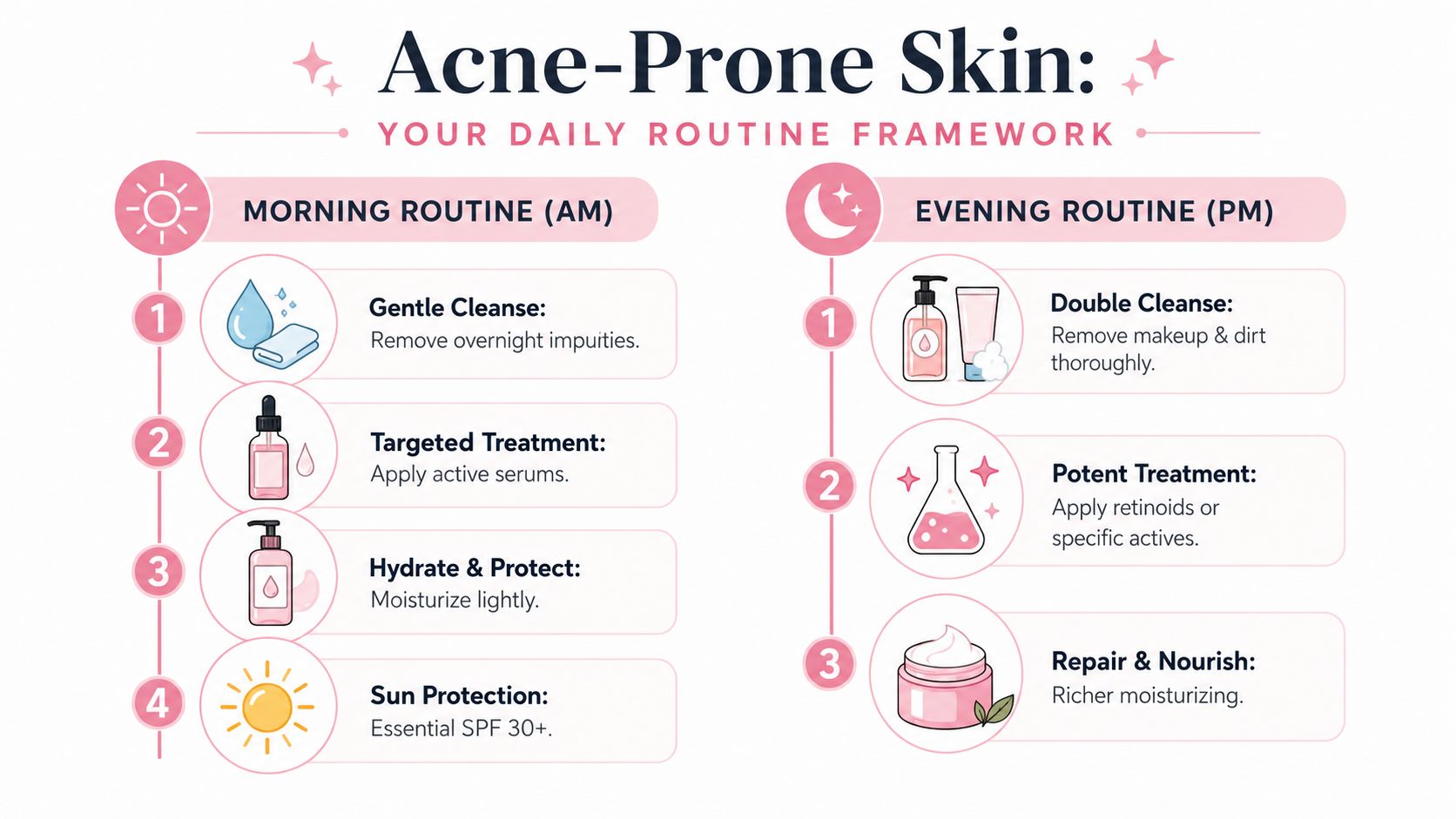
The best framework is simple, repeatable, and cheap enough to maintain. Spend on the step that addresses your actual acne concern. Save on the cleanser and basic moisturizer unless your skin is unusually reactive.
Your morning routine
Morning has one job. Keep skin calm, comfortable, and protected without making makeup or sunscreen sit badly.
If you wake up oily, use a gentle cleanser. If your skin runs dry, feels tight easily, or gets irritated from over-cleansing, a rinse with water or a very mild cleanser is often enough.
The standard AM structure is:
- Gentle cleanse
- Targeted treatment, if needed
- Moisturizer
- Sunscreen
A good cleanser removes oil and leftover nighttime skincare without leaving your face feeling stripped. Skip anything that gives that squeaky-clean finish. That feeling usually means you cleaned past the point of helpful. Drugstore cleansers are often perfectly fine here, which is good news because this is not the step I'd blow the budget on.
For treatment, keep it restrained. Morning is usually best for a light, easy-to-tolerate serum, not a stack of acids. Niacinamide is a practical option if you want help with oil, redness, and post-breakout marks, and there are plenty of budget-friendly niacinamide serums from the drugstore that do the job without pushing your routine cost up.
Moisturizer still matters, even for oily skin. Look for a gel-cream or light lotion that hydrates without the greasy film that can feel uncomfortable on breakout-prone skin. Expensive moisturizers rarely outperform a solid basic formula unless you need something very specific.
Then sunscreen. This is the step you need every morning, especially if you use acids or retinoids at night. Pick one you will consistently wear in the right amount. A lighter fluid may cost more, but if it stops you from skipping SPF, it can be money well spent.
Your evening routine
Night is where acne treatment usually earns its keep. The goal is to remove the day, use one main active, then support your skin so it can tolerate that active long term.
A practical PM routine looks like this:
- Cleanse thoroughly
- Double cleanse if you wore makeup or water-resistant sunscreen
- Apply one main treatment
- Finish with moisturizer
Double cleansing helps when you have foundation, long-wear concealer, or stubborn sunscreen on the skin. It does not need to be fancy. A basic cleansing balm, micellar water, or gentle oil cleanser followed by your regular face wash usually works. If you do not wear much on your face, one cleanse is enough.
If your skin is breaking out and stinging, the answer is often fewer steps, not stronger ones.
For treatment, choose one lane for the night. Retinoid. Benzoyl peroxide. Salicylic acid. Layering all three is where many affordable routines become expensive mistakes because irritation forces you to replace half your products. If you are unsure whether exfoliating acids even belong in your lineup, this guide on comparing AHAs and BHAs helps sort out the difference.
Finish with moisturizer. At night, a slightly creamier formula can be a smart move if you use drying actives, but there is no prize for using the richest product on the shelf. Comfortable is the target. Heavy and sticky is not.
What tends to go wrong
Most acne routines fail for familiar reasons:
- Harsh scrubs add irritation to skin that is already inflamed.
- Over-washing leaves skin dry, tight, and more reactive.
- Rich oils and balms can feel nice short term but may be too much for skin that clogs easily.
- Too many actives at once makes it hard to tell what is helping.
- Constant product switching wastes money and keeps skin in a state of trial-and-error.
If I had to trim an acne routine to the basics, I'd keep it brutally simple: cleanser, treatment, moisturizer, sunscreen. Start there. Upgrade only when a product solves a real problem.
Decoding the Best Ingredients for Acne
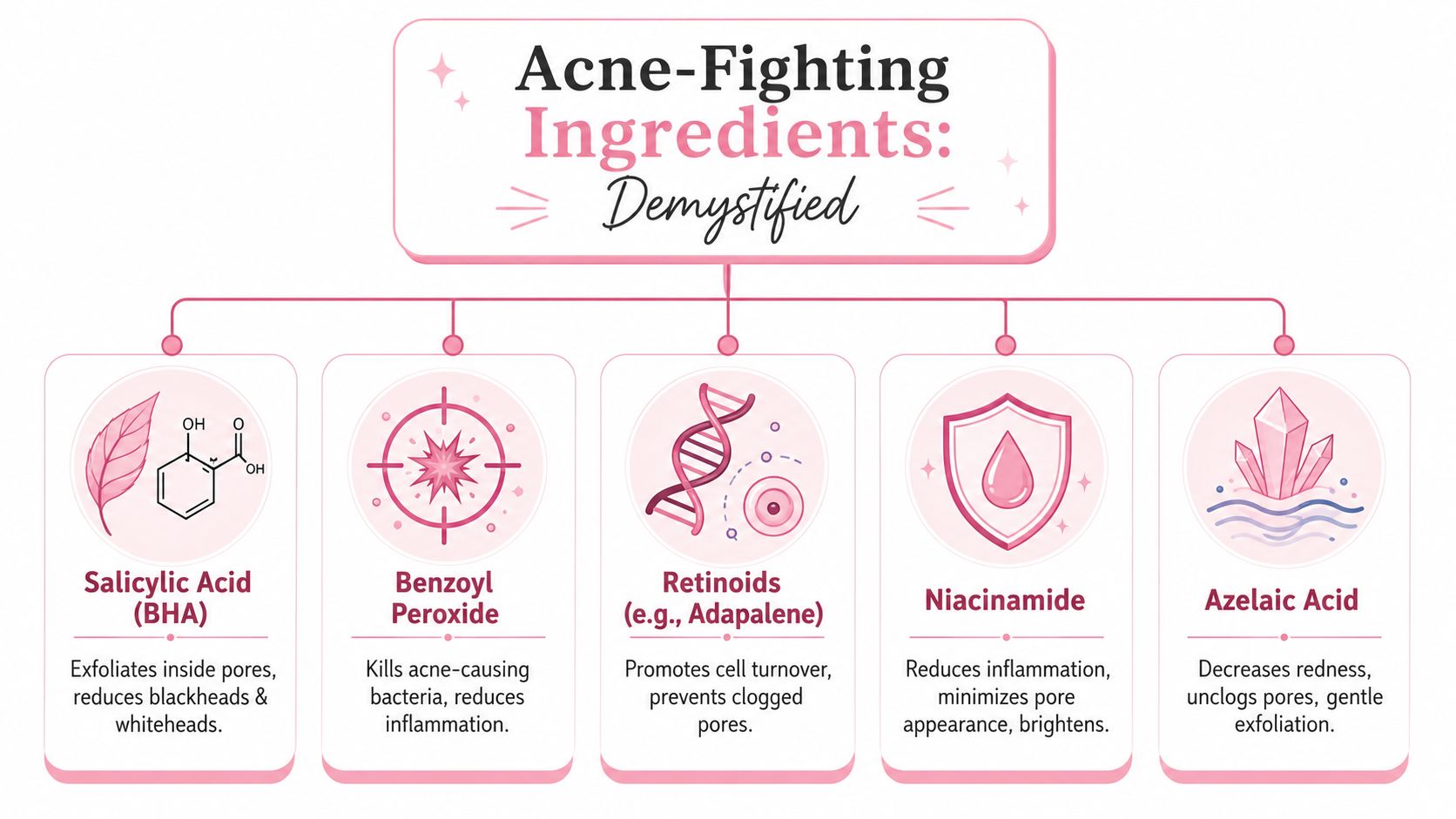
Once the routine structure is set, ingredients matter. Not every acne product does the same job, and using the wrong one for your type of breakout is where people waste the most money. If you mostly get clogged pores, your best pick may be different from someone dealing with inflamed red breakouts.
Salicylic acid
Salicylic acid is a classic choice for blackheads, whiteheads, and congestion. It's the ingredient I think of for skin that feels bumpy, clogged, or generally not smooth. It's often easiest to use in a cleanser or leave-on treatment, but frequency matters more than hype.
Affordable examples include CeraVe Acne Control Cleanser and The Inkey List Beta Hydroxy Acid serum. If you're not sure whether you need an AHA or a BHA, this guide on comparing AHAs and BHAs is useful for sorting out the difference.
Benzoyl peroxide
Benzoyl peroxide is better suited to angry, inflamed breakouts than to texture alone. It can be effective, but it's also one of the fastest ways to wreck your skin barrier if you come in too strong. That's why lower strengths are often the smarter buy.
Dermatologist-guided advice notes that 2.5% or 5% benzoyl peroxide is often as effective but less drying than 10%, and retinoids should also be introduced slowly, starting with a pea-sized amount once weekly and building up, according to this Cosmopolitan dermatologist routine guide.
A budget pick here is PanOxyl Acne Creamy Wash in a lower-strength option if your skin runs sensitive. If your face gets dry easily, short-contact use can be more realistic than slathering on a leave-on gel and hoping for the best.
Retinoids and adapalene
Retinoids are long-game products. They're useful for preventing clogged pores and improving overall texture, but they demand patience. Adapalene is a popular over-the-counter option because it targets acne while fitting into a more accessible budget than many prescription paths.
Drugstore staples include Differin Gel and La Roche-Posay Effaclar Adapalene Gel. If you're acne-prone and also dealing with post-breakout marks or roughness, this is often the category worth investing in.
Practical rule: If a retinoid makes your whole routine fall apart, back off the frequency before you abandon it completely.
Niacinamide
Niacinamide is the steady, low-drama support act. It won't replace a dedicated acne treatment for everyone, but it can be a nice add-on when redness, oiliness, or irritation are part of the picture. I like it most for people who want a calmer routine, not a flashy one.
Good affordable picks are The Ordinary Niacinamide 10% + Zinc 1% and Naturium Niacinamide Serum. If you want more options, this roundup of the best drugstore niacinamide serum is worth bookmarking.
Ingredients and oils to avoid
This part gets less attention than it should. Some breakouts are worsened by product texture and formula choices, not just by lack of treatment.
Watch out for:
- Heavy coconut-oil-rich formulas if your skin clogs easily
- Isopropyl myristate if you know rich textures tend to trigger congestion for you
- High-alcohol formulas that leave skin feeling instantly dry and then increasingly irritated
- Scrubby exfoliants that create friction instead of helping clogged pores
- Too many exfoliating products at once even if each one looks harmless on its own
A savvy shopper reads the whole formula, not just the front label.
Mastering Layering Frequency and Patch Testing
The fastest way to ruin a promising skincare routine for acne prone skin is bad execution. Good products can still cause chaos if you layer them in the wrong order, use them too often, or add three new things in one week.
The right order
The usual rule is thinnest to thickest. That keeps lightweight formulas close to the skin and heavier creams on top where they can do their job.
A sample evening order looks like this:
- First cleanse if you wore makeup or water-resistant sunscreen
- Second cleanse with your gentle face wash
- Leave-on treatment such as adapalene, benzoyl peroxide, or salicylic acid
- Serum if it's simple and non-irritating, like niacinamide
- Moisturizer to reduce dryness and help the routine stay tolerable
Not every routine needs every step. In fact, many don't. The cleaner your routine, the easier it is to troubleshoot.
How often to use actives
Daily use sounds disciplined, but skin doesn't hand out medals for suffering. Many people do better starting slow. That's especially true if your skin is acne-prone and reactive.
A simple alternating schedule can work well:
- Night 1 Retinoid
- Night 2 Recovery night with cleanser and moisturizer only
- Night 3 Benzoyl peroxide or salicylic acid
- Night 4 Recovery night again
That rhythm helps you stay on the routine. Many popular guides focus on adding more treatment, but irritation from over-exfoliation and frequent product switching can worsen acne. A better approach is often barrier repair, hydration, and gentle care, as discussed in this barrier-focused acne routine article.
Patch testing without overthinking it
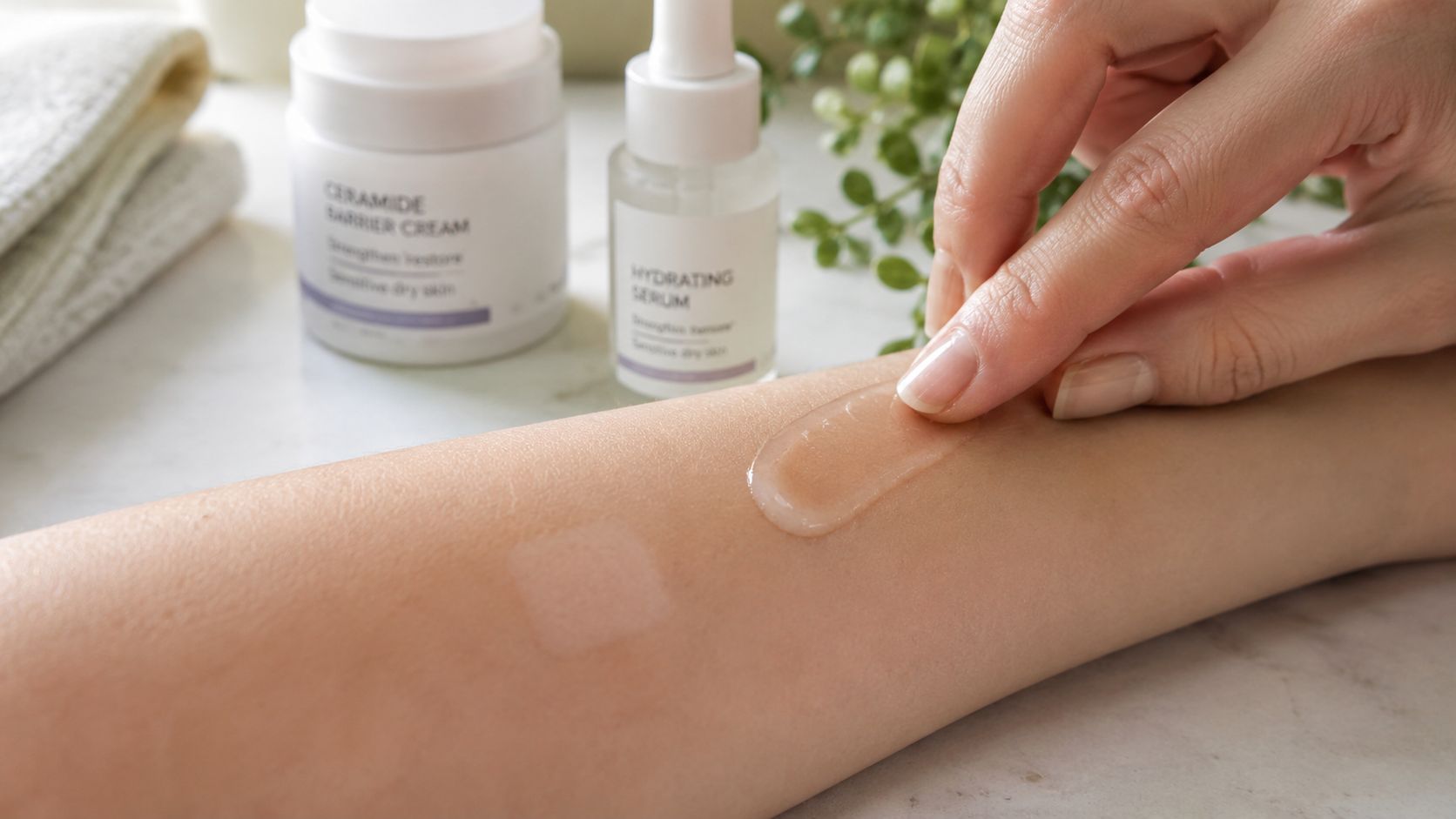
Patch testing sounds fussy, but it saves you from waking up to a full-face disaster. Test a new product on a small area for a few days before putting it all over your face. The jawline, side of the cheek, or behind the ear are common spots people use.
You're checking for obvious irritation like stinging, redness, itching, or clusters of tiny bumps. If something feels aggressively wrong early on, that's your answer. You don't need to keep forcing it.
For a visual walkthrough, this video does a nice job showing how to think about application and routine pacing:
Sometimes the smartest skincare move is subtraction. If your skin is hot, red, flaky, and breaking out, strip the routine back to cleanser, moisturizer, and sunscreen until it settles.
Sample Acne Routines for Every Budget
Budget matters most. You do not need a luxury lineup for an effective skincare routine for acne prone skin. You need products that are available, reliable, and compatible with each other. I'd rather see someone buy four sensible staples they'll repurchase than blow their budget on one “miracle” serum and then skip sunscreen.
Here's a quick comparison of affordable routine staples.
| Budget Tier | Example Product | Best For |
|---|---|---|
| Savvy Saver | CeraVe Foaming Facial Cleanser | Everyday gentle cleansing |
| Savvy Saver | The Ordinary Niacinamide 10% + Zinc 1% | Oilier, redness-prone skin |
| Savvy Saver | e.l.f. Holy Hydration! Face Cream Fragrance Free | Basic barrier support |
| Savvy Saver | Neutrogena Clear Face SPF 30 | Acne-prone sunscreen wearers |
| Smart Splurge | La Roche-Posay Toleriane Purifying Foaming Cleanser | Balanced cleansing without that stripped feel |
| Smart Splurge | Differin Gel | Persistent clogged pores and breakouts |
| Smart Splurge | Vanicream Daily Facial Moisturizer | Sensitive, irritated skin |
| Smart Splurge | EltaMD UV Clear SPF 46 | People who want a cosmetically elegant SPF |
| Luxe for Less | Avène Cleanance Cleansing Gel | Acne-prone skin that dislikes harsh cleansers |
| Luxe for Less | Paula's Choice Skin Perfecting 2% BHA Liquid | Stubborn congestion |
| Luxe for Less | La Roche-Posay Toleriane Double Repair Face Moisturizer | Lightweight hydration |
| Luxe for Less | La Roche-Posay Anthelios Clear Skin SPF 60 | Oily skin needing stronger daily protection |
The Savvy Saver
If you want the cheapest routine that still makes sense, keep it plain.
- Cleanser CeraVe Foaming Facial Cleanser
- Treatment The Ordinary Niacinamide 10% + Zinc 1% or a basic salicylic acid treatment if niacinamide isn't enough
- Moisturizer e.l.f. Holy Hydration! Face Cream Fragrance Free
- SPF Neutrogena Clear Face SPF 30
This is a strong starter set for someone rebuilding after too many actives. It also works well if you wear makeup and need a routine that won't pill under base.
The Smart Splurge
This tier is still reasonable, but gives you more polish.
- Cleanser La Roche-Posay Toleriane Purifying Foaming Cleanser
- Treatment Differin Gel
- Moisturizer Vanicream Daily Facial Moisturizer
- SPF EltaMD UV Clear SPF 46
This one makes sense for adults juggling breakouts, makeup, and early anti-aging concerns. That's a common real-world issue, and the best fix is usually a gentle cleanser plus a hydrating, non-comedogenic moisturizer that helps your active sit better under the rest of your routine, as noted in this guide to building an acne-prone routine.
The Luxe for Less
This is for readers who want nicer textures without entering overpriced territory.
- Cleanser Avène Cleanance Cleansing Gel
- Treatment Paula's Choice Skin Perfecting 2% BHA Liquid
- Moisturizer La Roche-Posay Toleriane Double Repair Face Moisturizer
- SPF La Roche-Posay Anthelios Clear Skin SPF 60
If you're trying to keep your routine effective and affordable at the same time, this guide to a budget-friendly skincare routine that actually works has more practical shopping logic.
Dupes worth knowing
Since this is a budget-conscious guide, here are a few smart swaps in list form:
- Instead of EltaMD UV Clear SPF 46, try Bubble Solar Mate Daily Mineral Sunscreen if you want a more affordable acne-friendly sunscreen.
- Instead of Paula's Choice 2% BHA Liquid, try The Inkey List Beta Hydroxy Acid for a simpler price tag.
- Instead of Avène Cleanance Cleansing Gel, try Cetaphil Gentle Clear Clarifying Acne Cream Cleanser if you want something easier to grab at Target or Walmart.
- Instead of La Roche-Posay Toleriane Double Repair, try Vanicream Daily Facial Moisturizer if your skin is touchy and you want fewer bells and whistles.
Troubleshooting Breakouts and When to See a Dermatologist
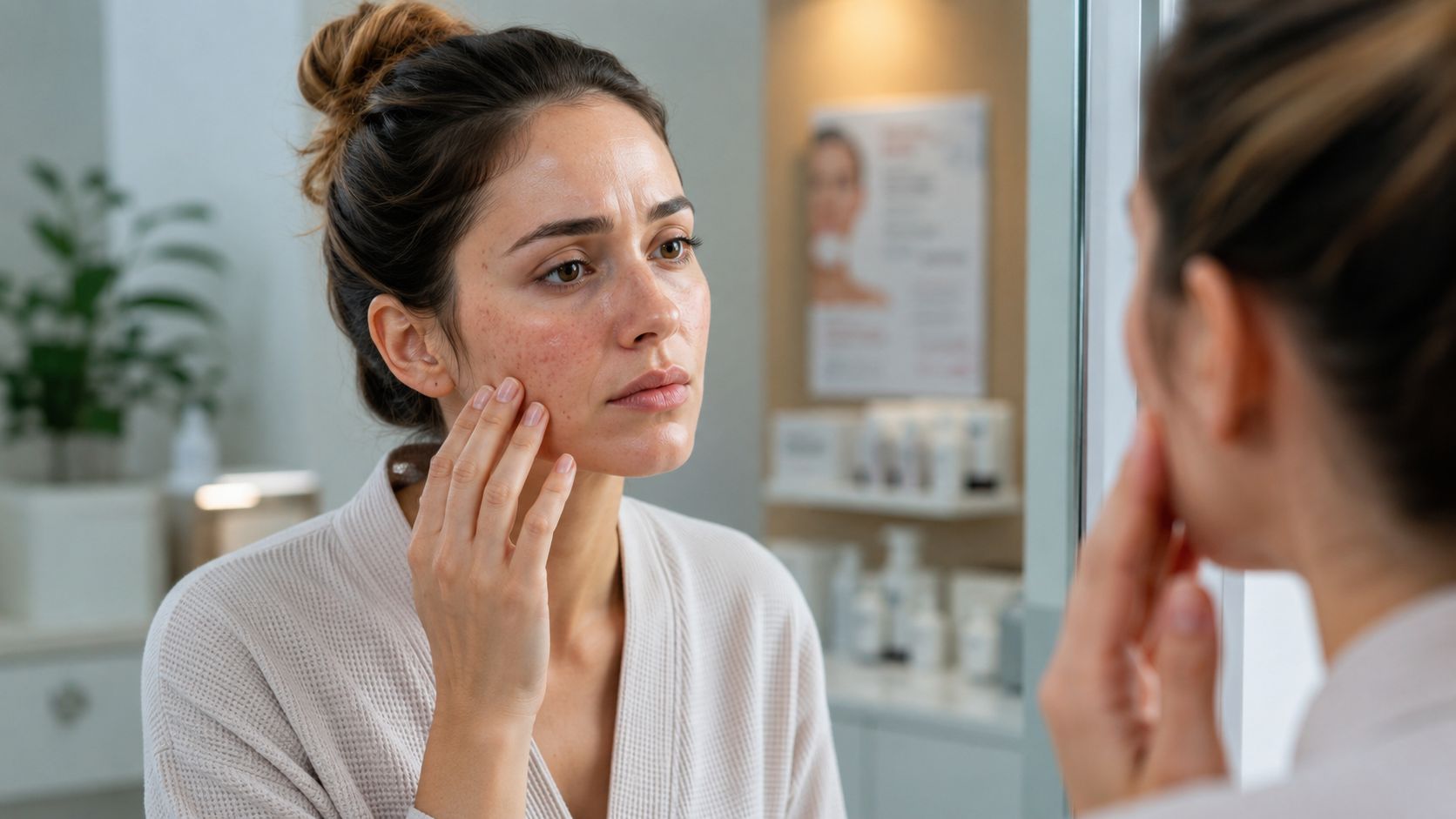
You start a new acne routine, stay consistent for two weeks, then wake up to more bumps, dry patches, and that tight, overworked feeling. The wrong move is panic-ordering three more treatments. The better move is figuring out whether your skin is breaking out, getting irritated, or asking for a slower pace.
If you're still breaking out
Start with the pattern. Breakouts in your usual zones can mean your routine needs more time, especially if you recently added a retinoid or exfoliant. Breakouts in unusual areas, paired with burning, redness, or peeling, point more toward irritation than acne.
This is one reason I tell people not to test five new products at once. It saves money, and it makes troubleshooting possible.
If your skin is dry and peeling
Cut back before your barrier gets angrier. Dry, flaky skin is often a frequency problem, not a sign that you need a stronger product. Over-washing, scrubs, and stacking acids on top of acne treatments usually make things worse.
A simple reset works well here:
- Pause exfoliants for a few nights
- Stick to one treatment instead of layering multiple actives
- Use moisturizer twice a day
- Keep sunscreen on board if your skin can tolerate it
- Stop swapping products every few days and let your skin settle
Budget matters here too. You do not need a luxury “barrier cream” to recover from overdoing actives. A plain, fragrance-free moisturizer from CeraVe, Vanicream, Cetaphil, or La Roche-Posay usually does the job.
Purging or plain old irritation
Purging is real, but irritation from new products is a more common reason for sudden redness, stinging, and a rash of small bumps.
Purging usually shows up where you normally get acne after starting a treatment that speeds up cell turnover. Irritation looks less predictable. Skin feels hot, products sting, and flakes show up fast. If your face burns when you apply moisturizer, your routine is too aggressive.
When to see a dermatologist
A dermatologist can save you time, money, and a lot of trial and error. At-home routines help mild acne, but some cases need prescription support.
Book an appointment if:
- Your acne is painful, deep, or cystic
- You're getting scars or dark marks that linger
- You've used over-the-counter products consistently and nothing is improving
- Your skin stays inflamed no matter how gently you build your routine
- Your breakouts follow a strong hormonal pattern and keep returning
That is not overreacting. It is a practical decision, especially when you have already spent enough on products that are not getting the job done.
Frequently Asked Questions
How do I incorporate Vitamin C into an acne routine
Use it in the morning after cleansing and before moisturizer and sunscreen. Keep the rest of the AM routine simple so you can tell whether your skin tolerates it. If you're already using strong acne actives and your skin gets reactive fast, patch test first and don't force it.
What's the best way to handle hormonal acne on the chin and jawline
Topical skincare can help, but hormonal acne often needs a broader approach. Some people explore options like spearmint tea or DIM supplements, but persistent jawline acne is worth discussing with a dermatologist, especially if it's painful or keeps returning in the same pattern. A professional can talk through options such as spironolactone or birth control if appropriate.
How long does it really take to see results from a new routine
Longer than often desired. Skin needs consistency, and acne routines usually don't reward impulsive switching. Give a routine several weeks of steady use before judging it, unless your skin is clearly irritated and telling you to stop.
Can acne-prone skin skip moisturizer
It really shouldn't. Skipping moisturizer often pushes skin into that dry-but-oily spiral that makes routines harder to tolerate. The better move is choosing a lighter, non-comedogenic formula you'll readily use.
Do I need separate products for teen acne and adult acne
Not always. The basics stay similar. What changes is usually the surrounding context, like sensitivity, makeup wear, dehydration, or adding anti-aging products. Adults often need gentler balancing, not harsher treatment.
If you're trying to build a routine that works without overspending, Finding Favourites is a smart place to start. The site is packed with affordable beauty picks, practical dupes, and budget-friendly skincare finds that make shopping a lot less overwhelming.
The best dupe in this guide is The Inkey List Beta Hydroxy Acid as an alternative to Paula's Choice 2% BHA Liquid. It's widely available, straightforward, and fits the whole point of this article: a skincare routine for acne prone skin works best when it's simple, affordable, and gentle enough to stick with. Keep your cleanser mild, your treatment focused, your moisturizer lightweight, and your sunscreen daily. That's still the formula that delivers the most value.