
5 Best Drugstore Body Lotions That Feel Like Luxury
You're probably standing in the body care aisle staring at a wall of beige bottles, trying to figure out why one lotion costs a few dollars and another pretends it belongs on a marble vanity. Fair question. You don't want “good for the price.” You want soft skin, a nice texture, no weird residue, and a formula that feels expensive.
That's exactly where drugstore body lotion gets interesting. This isn't a tiny throwaway category. The global body lotion market is projected at USD 13.54 billion in 2026 and forecasted to reach USD 19.72 billion by 2032, according to Research and Markets' body lotion market report. That matters because brands keep improving formulas in a category this big. You can absolutely get a luxe-feeling body lotion without paying prestige prices.
This post may contain affiliate links, which means I may receive a commission if you purchase through my links, at no extra cost to you. Please read the disclosure policy for more information.
If your broader goal is looking polished without spending like you're shopping in a hotel spa, you'll probably also like these budget tips for how to look expensive.
Your Guide to Luxe Body Care on a Budget
A luxury-feeling body lotion isn't magic. It's formula design.
The easiest way to shop smarter is to stop getting distracted by front-label promises and start reading the ingredient list like it tells the truth. It usually does. A good lotion needs three jobs handled well: pulling water in, smoothing the skin surface, and keeping moisture from escaping. If one of those is missing, the lotion may feel nice for five minutes and disappointing by lunchtime.
Here's the simple version:
- Humectants pull in water. Think glycerin, hyaluronic acid, sodium PCA.
- Emollients smooth roughness. Think shea butter, fatty alcohols, plant oils.
- Occlusives hold everything in. Think dimethicone and richer protective ingredients.
Practical rule: Ignore “luxury” branding if the formula looks thin on support ingredients and heavy on perfume.
That's why some cheap lotions feel watery and vanish, while others give you that plush, expensive slip. The best drugstore body lotion doesn't just smell pleasant. It leaves skin comfortable for hours and doesn't make you reapply out of frustration.
Decoding the Drugstore Body Lotion Label
A strong formula has a structure. Once you know what that structure looks like, you can spot a winner fast.
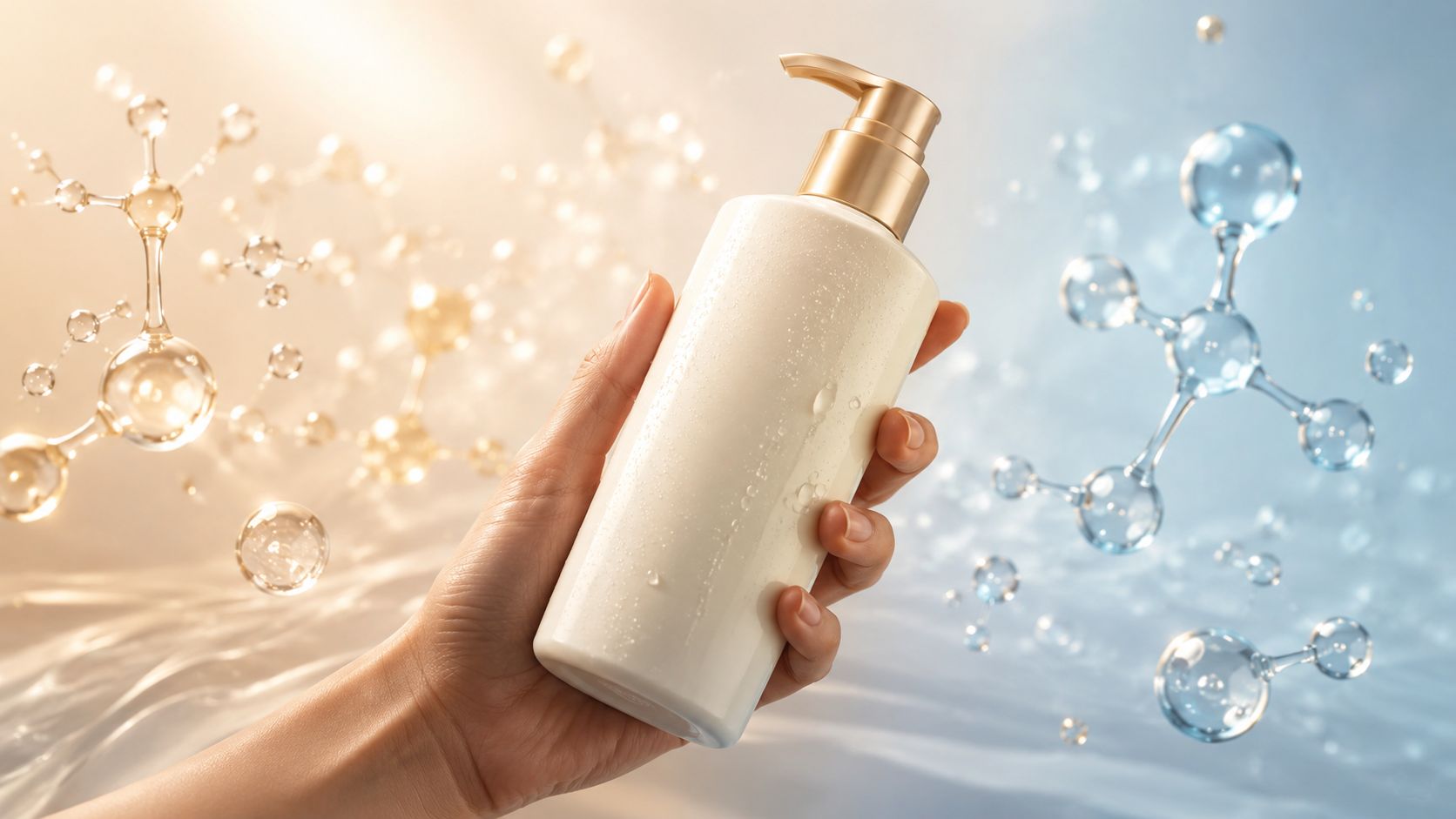
According to Let's Make Beauty's guide to body lotion formulation, effective body lotions often balance a 60 to 80% water phase, 2 to 5% humectants, and 10 to 20% emollients and occlusives. That's the backbone of a lotion that hydrates, spreads well, and helps reduce water loss. The same source notes that ingredients like ceramides and niacinamide signal a formula built with barrier support in mind.
The three ingredients that matter most
Think of lotion as a rain jacket system for your skin.
Humectants are the magnets. They grab water and help your skin feel immediately hydrated. Glycerin is the classic one. If I see glycerin fairly high on the list, I pay attention.
Emollients are the fillers. They make skin feel less rough and more flexible. Fatty alcohols, shea butter, and oils are examples of ingredients that deliver these benefits.
Occlusives are the seal. They slow down moisture loss. Dimethicone is one of the most common and most useful. Don't let people scare you off it. In body lotion, it often improves slip, comfort, and wear time.
If your skin still feels tight after a lotion dries down, the formula probably didn't seal well enough.
How to read texture from the label
You can often predict the feel of a lotion before you open it.
- More water-forward formulas usually feel light, fast, and easy in hot weather.
- More emollient-heavy formulas feel cushiony and silky.
- More occlusive formulas feel protective and last longer on very dry skin.
The best labels usually combine all three instead of leaning on fragrance to fake a luxury experience.
Here's a quick cheat sheet:
| What you see | What it usually means |
|---|---|
| Glycerin near the top | Better hydration potential |
| Cetyl or cetearyl alcohol | Creamier texture and stability |
| Dimethicone | Smoother slip and more moisture retention |
| Ceramides or niacinamide | Barrier-focused formula |
| Panthenol or colloidal oatmeal | More soothing support |
For readers who are being extra cautious during pregnancy, this guide to the best pregnancy-safe body lotion is a useful ingredient-checking resource.
Lotion, cream, butter, or ointment
These labels matter less than people think, but they still give you clues.
- Milk usually means lighter and more fluid.
- Lotion is the middle ground.
- Cream tends to feel denser and more cocooning.
- Butter usually feels richer and slower to absorb.
- Ointment is the most protective and least elegant.
My opinion is simple. For daily use, lotion and cream offer the best balance of comfort and wearability. Butters are great if your skin is seriously dry. Ointments are for problem areas, not all-over pampering.
Finding Your Perfect Texture from Milk to Butter
Texture is the difference between a lotion you admire and a lotion you use every day.
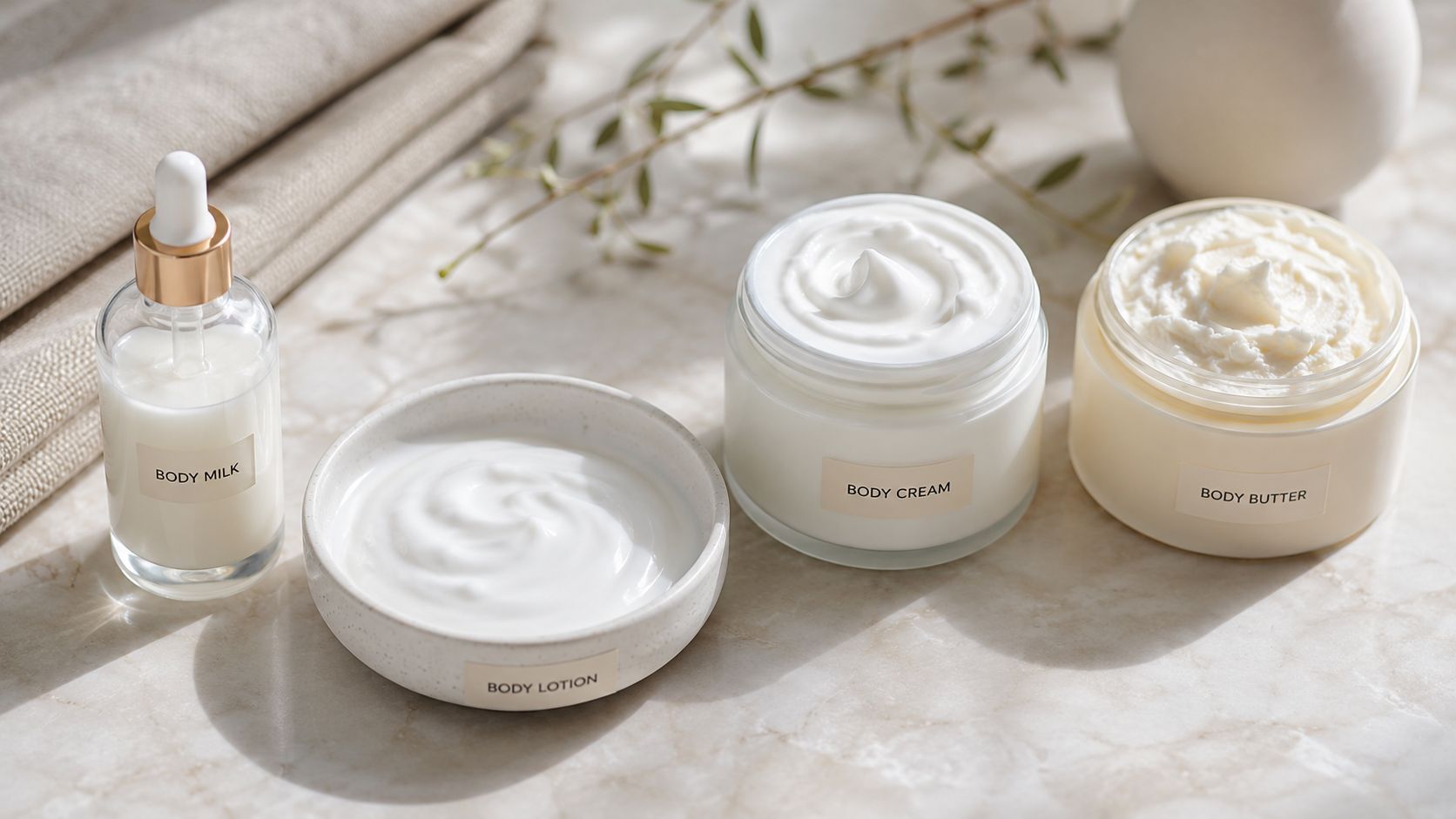
Some people need rich moisture but hate feeling sticky. Others want that dense, spa-like finish that lingers on the skin. You need to match the texture to your habits, not just your dryness level.
What each format feels like
Body milk feels like a quick drink of water. It's best for normal skin, humid weather, or anyone who hates waiting to get dressed.
Body lotion is the all-rounder. It spreads easily, absorbs at a reasonable pace, and usually layers well under sunscreen or body oil.
Body cream feels more substantial. This is the category I'd choose if you want your skin to feel expensive instead of just moisturized.
Body butter is your winter blanket. It's ideal for shins, elbows, knees, and post-shave dryness.
Ointment is less about elegance and more about repair. Great for cracked areas. Not my first choice for full-body use unless your skin is extremely dry.
What to choose for your skin concern
- Sensitive skin should lean toward fragrance-free creams and lotions with barrier-support ingredients.
- Eczema-prone skin usually does better with bland, soothing formulas over heavily fragranced “pampering” ones.
- Mature skin often likes richer creams with niacinamide, ceramides, or hyaluronic acid.
- Rough or flaky skin benefits from formulas with urea or exfoliating support.
If you like understanding texture from the ingredient side, browsing DIY body cream ingredients can help you see why cocoa butter and richer emollients create that denser, more cocooning feel.
For a good example of what a richer formula should feel like on skin, this Susanne Kaufmann body butter review is worth a read.
Richer isn't always better. The best texture is the one you'll use consistently without dreading the finish.
Matching Your Lotion to Your Skin Type
Most “best body lotion” lists are too generic to be useful. If your skin is reactive, flaky, rough, mature, or prone to eczema, “best overall” doesn't help much.
That gap is real. As The Good Trade's body lotion feature points out, shoppers increasingly want affordable lotions that won't trigger irritation or worsen a flare-up. That's the right question. “Cheap and safe for my skin” matters more than “cheap and trendy.”
For sensitive or eczema-prone skin
Fragrance is usually the first thing I cut. Not because scented lotion is always bad, but because reactive skin rarely benefits from extra variables.
Look for:
- Colloidal oatmeal
- Glycerin
- Ceramides
- Panthenol
- Simple, fragrance-free formulas
Be cautious with heavily perfumed lotions and formulas that seem built around sensorial appeal instead of barrier support.
For rough, ashy, or extra-dry skin
Here, a richer formula earns its place. Urea can be especially useful here. In body lotion formulas, urea at 2 to 5% is used for hydration and softening, while higher concentrations move into more keratolytic territory, according to the earlier formulation guidance from Let's Make Beauty. Translation: lower levels help dryness, while stronger levels are better suited to rougher texture concerns.
For very dry skin, don't chase the prettiest bottle. Chase the formula that leaves a protective finish.
For mature skin
Mature skin often needs more than surface slip. It usually benefits from ingredients that support the barrier and hold moisture consistently.
I'd prioritize:
- Niacinamide
- Ceramides
- Hyaluronic acid
- A cream texture over a watery milk
The payoff isn't just hydration. It's skin that looks smoother, less dull, and less papery.
Five drugstore picks that prove the point
These aren't random budget picks. These are the kinds of formulas I'd suggest if you want prestige vibes without prestige pricing.
CeraVe Moisturizing Cream
Feels like the practical cousin of a barrier-focused luxury body cream. It's not glamorous, but it performs. Best for dry, sensitive, or compromised skin.La Roche-Posay Lipikar Balm AP+M
If you like rich French pharmacy textures, this is the move. It gives that dense, comforting finish luxury shoppers often want from a body cream.Eucerin Advanced Repair Lotion
This is what I'd pick for rough, thirsty skin that needs substance. It feels purposeful, not decorative.Aveeno Skin Relief Moisturizing Lotion
A smart choice for reactive skin that still wants softness and comfort without unnecessary fuss.Nivea Essentially Enriched Body Lotion
This one gives that classic silky, body-lotion feel many people associate with “nicer” products. Great if you want comfort and slip over a more clinical finish.
The 5 Best Drugstore Lotions That Outperform Luxury Brands
The biggest mistake shoppers make is assuming expensive lotion must be better. It often isn't. Price can buy better packaging, stronger fragrance design, and nicer branding. It does not automatically buy a better formula. As Consumer Reports notes in its body lotion coverage, shoppers increasingly want proof through ingredient transparency, feel, and performance because price is a weak proxy for quality.
Here's the quick shortlist first.
Drugstore Body Lotion Dupe Quick Guide
| Drugstore Dupe | Feels Like… | Best For |
|---|---|---|
| CeraVe Moisturizing Cream | Augustinus Bader The Body Cream vibe | Dry, sensitive skin |
| La Roche-Posay Lipikar Balm AP+M | La Mer The Body Crème vibe | Very dry, compromised skin |
| Eucerin Advanced Repair Lotion | Necessaire The Body Lotion vibe | Rough, flaky skin |
| Aveeno Skin Relief Moisturizing Lotion | Aesop-style calming body care vibe | Reactive, itchy skin |
| Nivea Essentially Enriched Body Lotion | Sol de Janeiro-style plush body softness vibe | Everyday silky hydration |
1. CeraVe Moisturizing Cream
Luxury comparison: Augustinus Bader The Body Cream
This is my best overall pick if you care more about results than fantasy packaging. CeraVe Moisturizing Cream has the dense, cushiony feel people want from high-end body creams, but it stays grounded in barrier support instead of storytelling.
Why it works:
- Cream texture that feels substantial
- Ceramide-focused reputation that aligns with barrier-first body care
- Fragrance-free profile that works for more people
- Excellent for dry patches, especially arms and legs
This is the kind of product that makes skin feel consistently better instead of briefly prettier.
2. La Roche-Posay Lipikar Balm AP+M
Luxury comparison: La Mer The Body Crème
If you love the idea of a rich, cocooning cream, Lipikar Balm AP+M is the drugstore answer. It gives that enveloping, comfort-first finish that people often chase in luxury body products.
Best reasons to buy it:
- It feels protective
- It suits very dry and sensitive skin
- It has that French pharmacy polish without the luxury markup
This one isn't airy or playful. It's serious skin comfort, and that's why it's good.
3. Eucerin Advanced Repair Lotion
Luxury comparison: Necessaire The Body Lotion
Necessaire made a lot of people pay attention to ingredient-forward body care. Eucerin has been doing practical performance for ages. This lotion is a classic if your skin feels rough, flaky, or chronically under-moisturized.
What I like:
- It usually feels less greasy than you'd expect
- It's ideal for everyday use on dry limbs
- It leans functional in the best possible way
For shoppers who want straightforward options from a broader gift or self-care retail mix, browsing OnlineGifts.us for body lotions can help you compare familiar body care picks in one place.
4. Aveeno Skin Relief Moisturizing Lotion
Luxury comparison: Aesop-style soothing body care
Aesop sells the feeling of calm, thoughtful skincare. Aveeno Skin Relief gives you the benefit that counts for irritated skin. It's a smart pick if your body lotion needs to soothe first and impress second.
Why it stands out:
- Better fit for itchy or reactive skin
- More comfort-driven than scent-driven
- Easy recommendation for people who usually regret fragranced lotions
If your skin flares easily, buy the boring-looking lotion with a soothing formula. That's usually the better product.
A lot of people overcomplicate body care. If your skin is irritated, simplify.
Here's a quick visual guide before the final pick:
5. Nivea Essentially Enriched Body Lotion
Luxury comparison: Sol de Janeiro-style plush softness
No, this isn't trying to copy tropical fragrance or flashy branding. What it does copy well is that satisfying “my skin feels instantly better” body-lotion payoff.
Why people love it:
- Silky application
- A more classic body lotion feel
- Great for anyone who wants comfort without switching to a heavy cream
If you want a drugstore body lotion that still feels familiar, elegant, and easy, this is the one.
How to make any of these work better
- Apply on damp skin: This helps trap water before it evaporates.
- Use more than you think on legs: Shins are usually the driest area and need extra product.
- Layer richer formulas at night: A heavier cream before bed performs better when you're not getting dressed immediately.
- Keep fragrance separate if you're sensitive: Use an unscented lotion, then add fragrance elsewhere if you want it.
Pro Application Tips for Silky Smooth Skin
A great lotion can underperform if you apply it at the wrong time.
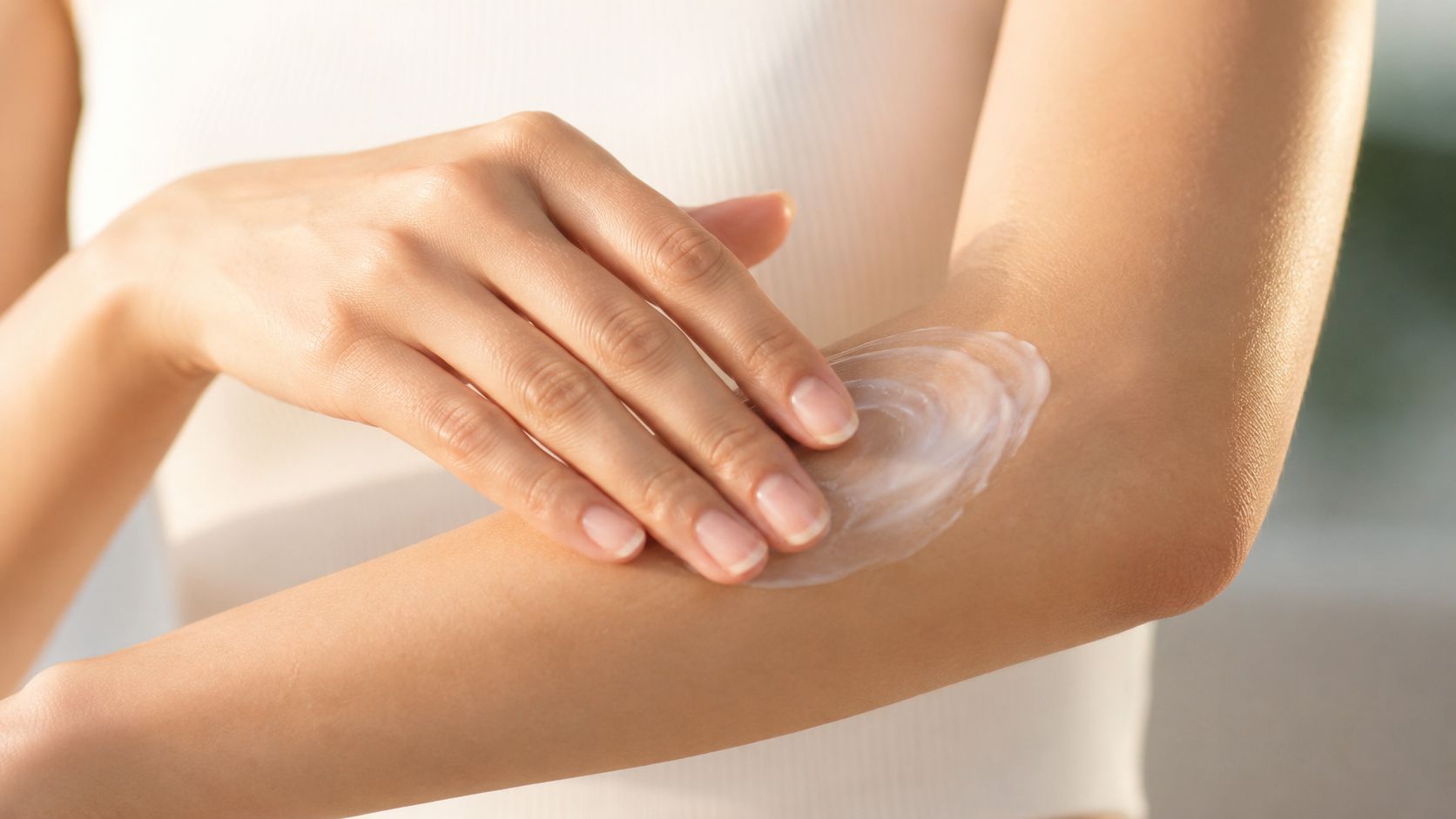
The best moment to apply body lotion is right after a shower, when your skin is still slightly damp. That's when you have water on the surface to lock in. Wait too long, and you're just trying to moisturize already-dry skin after water has escaped.
Small tweaks that make a big difference
- Pat, don't fully dry: Leave a little moisture on the skin.
- Use upward strokes on legs and arms: It helps spread product evenly and keeps you from overapplying in random spots.
- Seal dry zones twice: Do one all-over layer, then a second pass on knees, elbows, ankles, and shins.
- Layer body oil over lotion at night: Lotion hydrates. Oil seals. That combo feels much more expensive than it is.
Body care works better when you treat it like skincare, not an afterthought.
If your lotion pills, you're either using too much too fast or layering incompatible textures. Let the first layer settle before adding oil or sunscreen.
Frequently Asked Drugstore Body Lotion Questions
Are expensive body lotions with proprietary technology worth it?
Sometimes, but not by default. If you love the packaging, scent, and experience, that's valid. But for pure skin comfort and hydration, plenty of drugstore options compete very well. Formula quality matters more than prestige storytelling.
Can I use body lotion on my face in a pinch?
In a pinch, maybe. Regularly, I wouldn't. Body lotions are usually designed for thicker skin on the body and may feel too heavy or fragranced for the face. If your skin is sensitive, keep face and body products separate.
How often should I moisturize my body?
Once daily is a good baseline. If your skin is very dry, twice daily makes more sense, especially on problem areas. Consistency beats occasional heavy application.
What's the best ingredient to look for first?
Glycerin is the easiest strong sign of a useful formula. After that, I look for ceramides, niacinamide, colloidal oatmeal, panthenol, or a richer support system of fatty alcohols and occlusives.
What should sensitive skin avoid?
Usually heavy fragrance and overly fussy formulas. If your skin reacts easily, choose simpler, fragrance-free options and patch test first.
What's the best all-around pick from this list?
CeraVe Moisturizing Cream is the safest bet. It gives a high-end cream feel, it's dependable, and it works across a lot of skin types.
If you're shopping with pregnancy in mind too, this guide to the best body lotion while pregnant is a helpful next read.
The Best Drugstore Body Lotion for a Luxury Feel
If you want one answer, buy CeraVe Moisturizing Cream.
It's the best dupe-style pick in this roundup because it nails the part that matters. The texture feels rich, the formula is barrier-focused, and it performs like a product that should cost far more. La Roche-Posay Lipikar Balm AP+M is the better choice for very dry, reactive skin, and Nivea is great if you want a more classic silky lotion feel. But CeraVe is the strongest all-rounder.
The bigger takeaway is simple. You do not need a prestige price tag to get elegant, effective body care. Once you know how to spot humectants, emollients, occlusives, and barrier-support ingredients, the drugstore body lotion aisle stops feeling overwhelming and starts feeling full of smart buys.
If you love finding luxury beauty for less, Finding Favourites is worth bookmarking. It's packed with practical dupe guides and budget-friendly beauty picks that help you skip the overpriced stuff and buy the products that deliver.