
Best Drugstore Face Oil: 7 Picks for Every Skin Type
You're standing in front of the mirror, wondering why your skin looks dull even though your routine already has a cleanser, serum, and moisturizer. You want that soft, lit-from-within finish, but you don't want to spend luxury money on a tiny bottle that might leave you greasy or irritated. The smartest answer isn't the most expensive oil. It's the one with a useful fatty-acid profile, a transparent ingredient list, and a texture your skin can tolerate.
This post may contain affiliate links, which means I may receive a commission if you purchase through my links, at no extra cost to you. Please read the disclosure policy for more information.
Why a Good Drugstore Face Oil Beats a Pricey One
A good drugstore face oil earns its place through formula quality, not luxury packaging, celebrity branding, or the word “natural.” The dermatology review links an oil's linoleic-acid-to-oleic-acid ratio with its potential effect on the skin barrier. Linoleic-acid-rich oils support barrier repair more reliably, while oleic-acid-dominated oils can disrupt barrier function in compromised skin.
That gives you a useful label-checking rule. Sunflower, safflower, and some grapeseed oils tend to have more linoleic acid, while olive and avocado oils are relatively rich in oleic acid. A high-oleic oil is not automatically a bad choice, but sensitive or damaged skin deserves the more forgiving fatty-acid profile. For acne-prone skin, I also favor lighter textures and formulas without a long list of fragrant essential oils.
What I look for first
I want a short ingredient list, clear directions, sensible packaging, and no essential-oil overload. The formula should tell you what you are buying, rather than hide a basic carrier oil behind a “clean” marketing story. A low price does not signal poor quality, and a high price does not prove safety or performance.
In the United States, the FDA explains that cosmetics generally aren't pre-approved before sale, so brands remain responsible for product safety and labeling under customary use. Read the ingredient list, check the intended use, and patch-test anything strongly scented.
The seven picks below cover different needs, from lightweight jojoba and squalane to richer argan and rosehip options. My overall favorite is The Ordinary 100% Organic Cold-Pressed Rose Hip Seed Oil, but oily, reactive, and easily congested skin can need a different choice.
What Face Oils Do for Your Skin Barrier
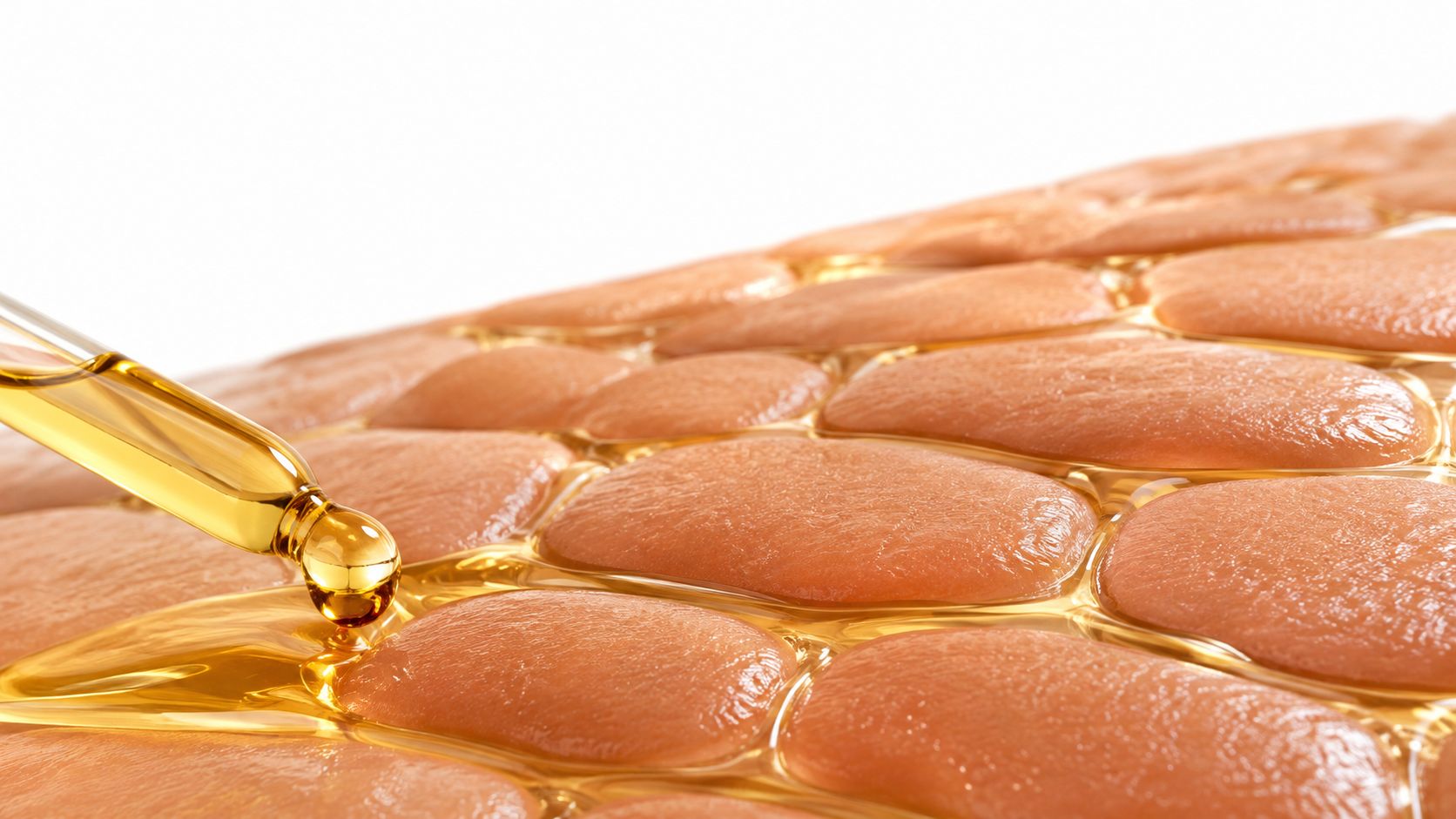
Your skin barrier works like a brick wall. Skin cells form the bricks, while lipids act as mortar between them. A face oil cannot supply every component the wall needs, but it can add a lipid-rich surface layer that slows water loss.
That role differs from hydration. Humectants, including glycerin and hyaluronic acid, attract water. Moisturizers usually combine humectants with emollients and occlusives. Oils mainly act as occlusive or emollient finishing products. They smooth the surface and help hold in moisture applied underneath.
Why layering matters
Apply oil over a serum or moisturizer, not as a substitute for water-based hydration. Oil on completely dry skin can create shine without adding enough water. Press a small amount over your moisturizer so it seals in something useful.
A skin-barrier repair serum guide can help you choose a water-based layer before adding face oil.
Mineral oil and petrolatum are particularly effective occlusive materials. A clinical comparison of extra-virgin olive oil and petrolatum in 54 healthy adults found that both increased stratum-corneum hydration and reduced erythema and skin temperature. Petrolatum also reduced transepidermal water loss. The comparison supports a practical distinction: a botanical oil may feel nourishing, but that does not make it equivalent to a strong occlusive.
Practical rule: Use face oil when skin feels tight after moisturizing, needs extra comfort, or has noticeable surface roughness. Skip it when rich products consistently cause congestion.
A face oil fits your routine when:
- Your skin feels dry or tight: Apply a few drops over moisturizer at night.
- Your routine already hydrates well: Keep oil as the final sealing layer.
- Your skin tolerates occlusion: Start with a small amount. More product does not mean better results.
Hero Oils Worth Knowing and Which Skin Types Love Them
Ingredient lists become much easier to read once you know what each oil tends to do. The important distinction is texture, fatty-acid composition, and the rest of the formula. The oil itself matters, but refining, oxidation, fragrance, and concentration can change the finished product.
Jojoba oil is technically a liquid wax ester rather than a conventional triglyceride oil. It has a light, smooth feel and often suits combination or oily skin better than thick botanical blends. It's a sensible choice when you want slip without a heavy finish.
Rosehip seed oil is generally lightweight and associated with a more linoleic-acid-friendly profile than oils such as olive or avocado. It suits normal, dry, and combination skin, especially when dullness and surface roughness are the main concerns. Its naturally golden color can vary, and its earthy scent isn't for everyone.
Matching texture to skin type
Sunflower and safflower oils are useful options for dry or barrier-impaired skin because they're typically more linoleic-acid-rich. Their chemistry makes them more technically promising than an unspecified fragranced “glow oil,” especially when the rest of the formula stays simple.
Squalane is a lightweight emollient with a silky, low-tack finish. It isn't a plant seed oil in the same sense as rosehip or sunflower, but it behaves like an easy-to-layer oil substitute. It's a strong pick for people who dislike visible shine.
Argan oil feels richer and works well for normal-to-dry skin. It contains a relatively higher proportion of oleic acid than sunflower or safflower oil, so I'd choose it for softness and comfort rather than assume it's automatically the best barrier-repair option.
For a wider ingredient reference, this guide to the best carrier oils for skin offers useful background on common botanical oils and their cosmetic uses.
Grapeseed oil is usually lightweight and associated with a linoleic-acid-rich profile. It can suit combination skin, although a blended drugstore product may also contain fragrance or heavier oils that change the experience.
Marula oil is typically richer and more cushiony, with a higher oleic-acid presence. It's better suited to normal or dry skin than someone whose pores clog easily. If you're managing shine or breakouts, start with a lighter option and consult this guide to non-comedogenic products for oily skin before committing to a rich blend.
Hidden Risks Behind Natural and Clean Labels
A clean-looking label can still hide a long list of aromatic ingredients. “Natural” describes an ingredient's origin, not how your skin will respond. Essential oils and botanical fragrance materials can irritate or trigger allergy, while citrus oils deserve extra caution on sun-exposed skin.
A 2025 dermatology scoping review found that, among the 100 top body moisturizers sold through major US retailers, only 12% were free of North American Contact Dermatitis Group allergens. It also found that 45% of products labeled “fragrance-free” contained botanical fragrance ingredients with known allergenic potential. The review summary examined body moisturizers rather than facial oils, so these figures are not a direct scorecard for every drugstore face oil.
Read the full ingredient list. A bottle may group fragrant materials under a “botanical complex,” followed by lavender, citrus, peppermint, or tea tree oils, plus limonene and linalool. That pattern matters more than a natural-looking front label. If you want to remove aromatic ingredients from your routine, this guide to fragrance-free beauty products explains what to look for.
Ingredients I screen first
- Fragrance allergens: Limonene, linalool, citronellol, geraniol, and citral can trouble sensitive skin.
- Essential oils: Tea tree, citrus, lavender, and peppermint may increase irritation risk, especially in heavily scented blends.
- Vague blend language: “Botanical complex” gives you less useful information than a complete ingredient list.
- High-fragrance positioning: A strong scent does not prove better skin performance.
Use this guide to ingredients to skip in beauty products to broaden your screening habits. An ingredient can irritate one person without harming everyone, and allergy is different from irritation.
Tea tree oil shows why marketing needs scrutiny. A 2025 review reported reduced acne lesions in clinical studies, including a 12-week study in which mean lesion counts fell from 23.7 to 10.7. Peeling, dryness, and scaling were also reported as minor adverse effects. The review does not prove that a random tea-tree face oil treats acne. Concentration and the complete formula determine whether that evidence applies.
The FDA does not routinely approve cosmetic products or ingredients before sale, except for color additives. Patch testing matters more than “hypoallergenic,” “clean,” or “organic” wording.
The 7 Best Drugstore Face Oils by Skin Type
| Drugstore Face Oil | Best Skin Type | Price (USD) |
|---|---|---|
| The Ordinary Rose Hip Seed Oil | Normal, dry, combination | Varies |
| Timeless Squalane Oil | Oily, sensitive, combination | Varies |
| Leven Rose Jojoba Oil | Combination, normal | Varies |
| Trader Joe's Jojoba Oil | Normal, combination | Varies |
| SheaMoisture Argan Oil | Dry, normal | Varies |
| Burt's Bees Cleansing Oil | Dry, normal | Varies |
| Palmer's Skin Therapy Oil | Dry, normal | Varies |
1. The Ordinary 100% Organic Cold-Pressed Rose Hip Seed Oil
Best overall for normal, dry, and combination skin. This is the bottle I'd grab first for a straightforward facial-oil trial. The formula is minimalist, the texture is light enough for nighttime layering, and rosehip's profile is more appealing for many people than a heavily fragranced oil dominated by richer oleic-acid oils.
It has a naturally earthy scent and can feel too active or rich for some acne-prone users. Start with a small amount, and don't expect it to replace a moisturizer.
2. Timeless Squalane Oil
Best for sensitive or oily skin. Squalane gives you a silky finish without the dense feel of many botanical oils. It's a good option if you want to reduce tightness but dislike a visibly oily face.
Choose the plain version rather than an aromatic blend. It's also a practical pick when you want to keep the ingredient list short.
3. Leven Rose Jojoba Oil
Best for combination skin. Jojoba's light slip makes this a sensible choice for cheeks that feel dry and a T-zone that dislikes heavy layers. Use a very small amount, because even a lightweight oil can feel excessive if you apply it like a moisturizer.
4. Trader Joe's Jojoba Oil
Best budget jojoba option when available. This is a simple, familiar format for shoppers who want a multipurpose oil without a complicated blend. Availability depends on the store, so check the current shelf rather than assuming every location carries it.
5. SheaMoisture 100% Pure Argan Oil
Best for dry skin that prefers a richer finish. Argan oil feels more cushiony than squalane or jojoba and works well over a substantial moisturizer. I'd skip it if your skin clogs easily or if richer oils routinely leave you shiny and uncomfortable.
Readers comparing affordable botanical options may also find these HempWell USA skincare picks useful for broader ingredient browsing.
6. Burt's Bees Cleansing Oil with Olive Oil
Best as a rinse-off cleansing oil, not a leave-on face oil. It can soften the first cleansing step for dry skin, but don't confuse a cleansing formula with a treatment oil. Olive oil is relatively oleic-acid-rich, and the product's purpose is to dissolve makeup and sunscreen before rinsing.
7. Palmer's Skin Therapy Oil with Rosehip
Best for shoppers who want a richer, scented treatment oil. This is the one I'd skip for sensitive or acne-prone skin because a fragranced blend adds avoidable variables. It may appeal to dry skin that enjoys a perfumed finish, but it's not my choice when low irritation is the priority.
Drugstore availability changes. Walgreens currently lists Sky Organics Organic Jojoba Oil in a 4-fluid-ounce size at $19.99 and Sky Organics Organic Rosehip Oil in a 1-fluid-ounce size at $16.99, with fulfillment options that include pickup, delivery, or shipping, although the Walgreens listing warns that price and inventory can vary.
How to Apply Face Oil Without Wasting a Drop
Apply face oil last in your nighttime routine, after water-based products. Start with cleanser, use a treatment serum if you need one, apply moisturizer, then press two to three drops of oil onto slightly damp skin.
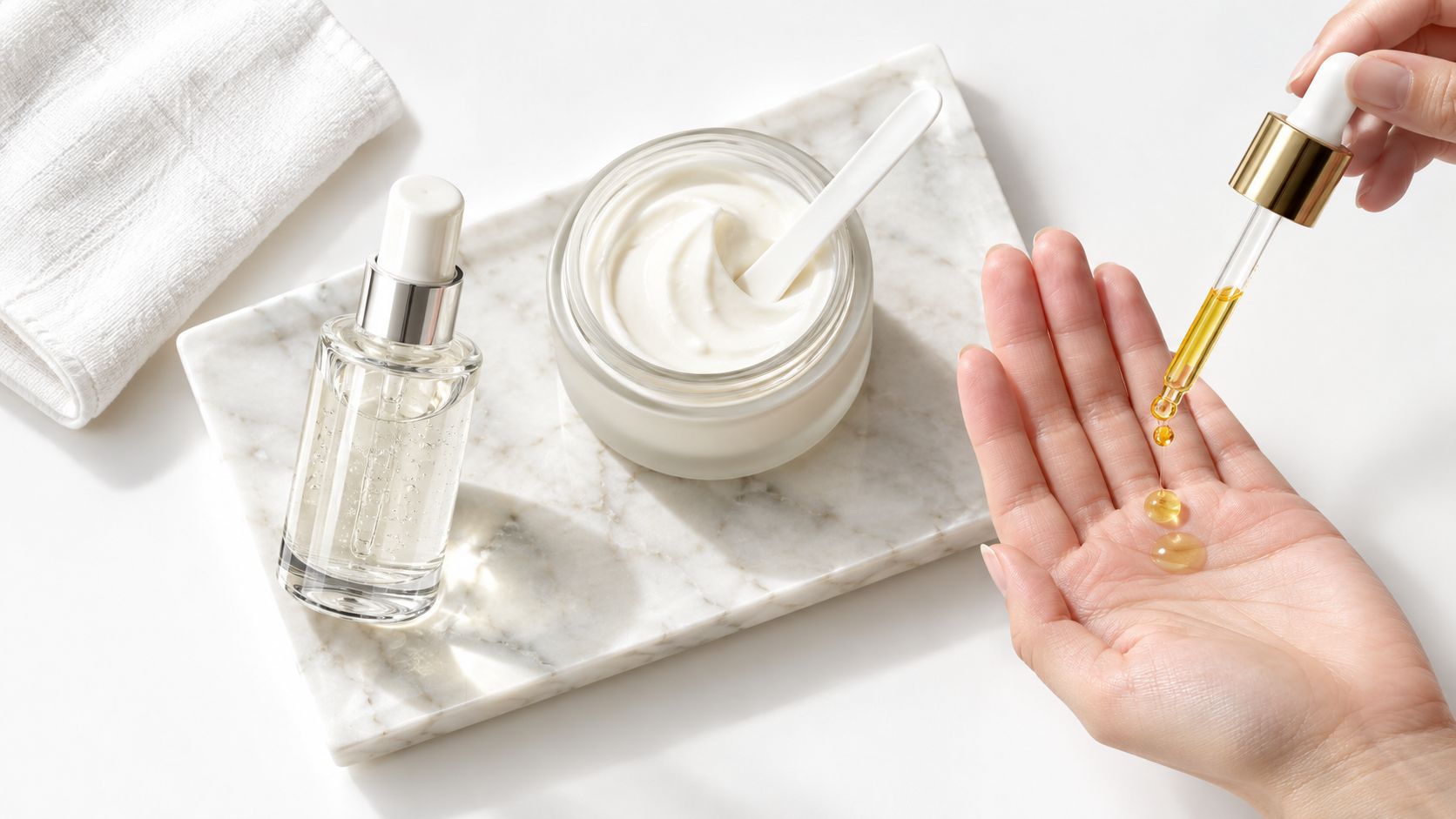
Warm the drops between your fingertips and press them over your face. Don't rub aggressively, and don't keep adding oil because your cheeks still feel dry after a few seconds. Give the moisturizer time to settle first.
A routine you can copy tonight
- Cleanse gently: Remove sunscreen, makeup, and surface dirt without leaving your skin tight.
- Hydrate underneath: Apply a water-based serum or moisturizer while skin still has a little moisture.
- Seal sparingly: Press two to three drops of oil over the top.
- Stop at comfort: If your skin looks glossy rather than supple, you used too much.
Retinol and exfoliating acids belong underneath moisturizer and oil, usually in a nighttime routine. If a product stings, adding oil over it won't neutralize the irritation. Vitamin C can sit under moisturizer in the morning, but keep your daytime routine simple if oil makes sunscreen or foundation pill.
Layering rule: Oil should finish the routine, not create a slippery base that makes every product afterward move around.
Watch this routine demonstration for a visual example of product order and amount:
For oily or acne-prone skin, try one drop every other night. The American Academy of Dermatology recommends choosing products labeled oil-free and noncomedogenic for oily or acne-prone skin, although no label guarantees that every person will tolerate every formula. Avoid face oil over active, inflamed breakouts until you know how your skin responds.
Patch Testing and What Irritation Really Looks Like
Patch-testing is the fastest way to avoid turning a promising bottle into a full-face problem. It won't guarantee perfect tolerance, but it can reveal obvious irritation before you cover your entire face.
- Test a small area: Apply a little product behind the ear or on the inner forearm.
- Wait 24 to 48 hours: Don't add other new products to the test area.
- Try the jaw: If the first area is calm, apply a small amount to one side of the jaw for another night.
- Scale up slowly: Start with one or two drops on damp facial skin before using it regularly.
Know when to stop
Purging is often blamed for any reaction, but a face oil usually isn't a reason to push through a worsening rash. Persistent stinging, swelling, itching, raised bumps, scaling, or a hot red patch means stop the product.
A few clogged bumps can also be a tolerance problem rather than a cleansing phase. If closed comedones or inflammatory lesions increase over two to four weeks, discontinue the oil and return to a simpler routine.
Seek medical care for persistent swelling, severe rash, or breathing symptoms. People with suspected contact allergy may need professional patch testing, which is different from a home spot test.
FAQ and the Final Verdict on the Best Drugstore Face Oil
How often should I use face oil?
Start every other night. If your skin stays comfortable, use it nightly. Oily or acne-prone skin may prefer occasional use, while dry skin may tolerate a regular final layer.
Can I mix face oils together?
You can, but I don't recommend starting that way. Test one oil first so you know what your skin likes. Mixing makes it harder to identify the cause of irritation or congestion.
Do drugstore oils expire faster than luxury oils?
Price doesn't determine shelf life. Follow the product's packaging, close the cap tightly, keep it away from heat and direct light, and discard it if the smell, color, or texture changes noticeably.
Can I use face oil around my eyes?
Keep essential-oil-heavy formulas away from the eye area. If you try a plain oil, use a tiny amount on the orbital bone and stop immediately if your eyes sting or water.
The best overall drugstore face oil is The Ordinary 100% Organic Cold-Pressed Rose Hip Seed Oil because it offers a simple formula and a useful lightweight profile without relying on luxury pricing. For oily or sensitive skin, I'd choose Timeless Squalane Oil instead. I'd skip Palmer's Skin Therapy Oil when low irritation matters, because fragrance adds more risk than benefit for many shoppers. The winning approach is always the same: match the fatty-acid profile and texture to your skin, then judge the label more carefully than the marketing.
Finding Favourites helps budget-conscious beauty shoppers compare affordable alternatives across skincare, makeup, and fragrance, including practical product roundups and dupe guides. Visit Finding Favourites to find more clear, value-focused recommendations before you buy your next face oil.