
Best Alternative to Witch Hazel: Top Picks for Skin
Tired of witch hazel? You cleanse, swipe on toner, and within minutes your skin feels tight, a little hot, and somehow still not balanced. That's the frustrating part of trying to make a classic astringent work when your skin is asking for something else. Maybe you wanted less oil, less redness, or less post-shave irritation, and instead you got dryness, stinging, or a formula that just doesn't fit the rest of your routine.
That's why finding a better alternative to witch hazel matters. Witch hazel still has a place, especially in certain first-aid, aftershave, and oily-skin products, but it isn't automatically the best choice for every face. Neutral medical guidance notes that witch hazel can help oily skin, yet it may be drying and often isn't ideal for dry or sensitive skin, including rosacea-prone users, as explained in GoodRx's guide to witch hazel for skin. And from a formulation standpoint, many people don't realize classic distilled witch hazel water contains alcohol and doesn't deliver the tannins people often assume they're getting.
The good news is that there are better-targeted swaps. Some are hydrating. Some are balancing. Some are better for acne than witch hazel ever was. And some give you that fresh, toned-skin feeling without the dry, squeaky aftermath.
This post may contain affiliate links, which means I may receive a commission if you purchase through my links, at no extra cost to you. Please read the disclosure policy for more information.
Quick Comparison: Top Witch Hazel Alternatives
If you also love soothing, water-based skin staples, you can discover aloe vera's skin benefits.
1. Rose Water
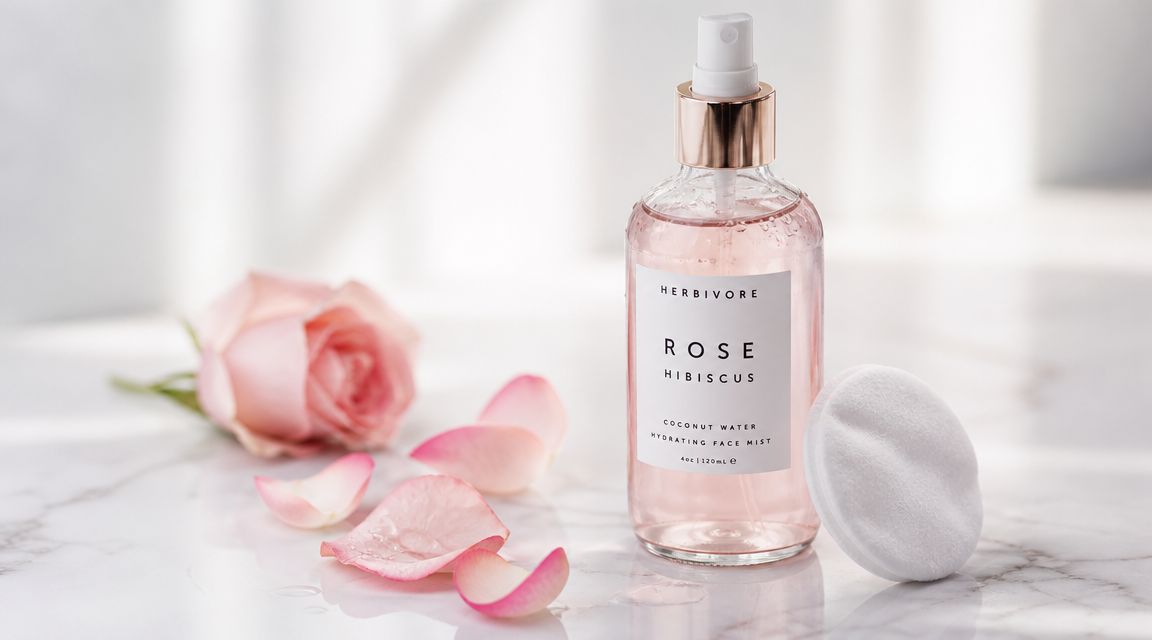
Rose water is one of the easiest swaps if you like the idea of witch hazel but hate the feeling of it. Instead of that stripped, taut finish, rose water gives skin a soft, refreshed feel that works better for dry, sensitive, or easily irritated faces.
This is the alternative to witch hazel I'd generally recommend first if their skin barrier already feels a little fragile. It's especially good when your main goal is light toning, calming, and adding a bit of hydration back into the routine.
What works best
Look for simple rose water sprays or toners without added alcohol. Heritage Store Rosewater, Mario Badescu Facial Spray with Aloe, Herbs and Rosewater, and even a hybrid like Thayers Rose Petal Facial Toner are all easy to find in the US.
If you're still figuring out whether you want a mist, toner, or something more treatment-focused, this guide on the difference between toner and essence helps sort out where a rose water product fits.
- Best use: Midday refreshing, post-cleanse toning, or layering under moisturizer.
- Best skin types: Dry, sensitive, normal, and redness-prone.
- What it won't do: It won't clear clogged pores the way a real exfoliant can.
Practical rule: If witch hazel made your skin feel “clean” but also uncomfortable, rose water usually gives you the same ritual without the payback later.
A simple DIY version works too. Steep food-grade dried rose petals in hot distilled water, cool it fully, then store it in the fridge and use it quickly. For a more moisturizing version, add a small amount of glycerin to the bottle so it acts more like a hydrating mist than a plain floral water.
Trade-offs to know
Rose water is great for comfort, but it's not a fix for acne, deep congestion, or persistent oiliness. If your issue is breakouts, this is more of a support player than your main active.
Also, fragrance matters. Even naturally fragrant floral waters can bother reactive skin, so if you know your skin hates scented products, patch test first or skip straight to a fragrance-free glycerin toner instead.
2. Apple Cider Vinegar (ACV)
Apple cider vinegar is the strongest DIY option on this list, and that's exactly why it needs the most caution. It can work as an alternative to witch hazel for very oily skin, but it's easy to overdo and leave your face irritated.
If you miss witch hazel's sharp, astringent feel and want something old-school and cheap, this is the obvious contender. But I'd treat it like a once-in-a-while tool, not a daily personality trait.
How to use it without wrecking your barrier
Always dilute it. A practical starting point is 1 part ACV to 3 or 4 parts water, then patch test before it goes anywhere near your whole face. Bragg Organic Apple Cider Vinegar is the one frequently selected because it's widely available and inexpensive.
Use it on a cotton pad or in a small spray bottle, no more than a few times a week at first. If your skin stings for longer than a brief moment, looks blotchy, or feels papery afterward, that's your sign to stop.
- Good fit: Very oily skin, occasional spot use, body breakouts.
- Bad fit: Sensitive skin, rosacea-prone skin, freshly shaved skin, compromised barrier.
- Smarter pairing: Follow with a bland moisturizer, not another active.
Here's a quick visual if you want to see how people usually prep a DIY version:
Where ACV makes sense
I like ACV more for the occasional oily T-zone experiment or for back and chest breakouts than for full-face leave-on use. It can scratch that “I want a stronger toner” itch, but it isn't elegant and it definitely isn't universal.
What doesn't work is copying internet recipes that are too strong or using ACV as a replacement for proper acne treatment. If witch hazel wasn't enough for your breakouts, jumping to vinegar usually isn't the smartest long-term move. A niacinamide toner or salicylic acid product is usually more practical.
3. Green Tea Extract or Brewed Green Tea
Green tea is the calm, low-drama option. It doesn't try to mimic witch hazel's bite. Instead, it gives you a gentler toning step that feels especially good when your skin gets red, warm, or easily overstimulated.
If your skin hates aggressive products but still likes a fresh, just-cleansed finish, green tea is a very solid alternative to witch hazel. It works well for combination skin, mild redness, and those days when everything feels a little inflamed.
Best ways to use it
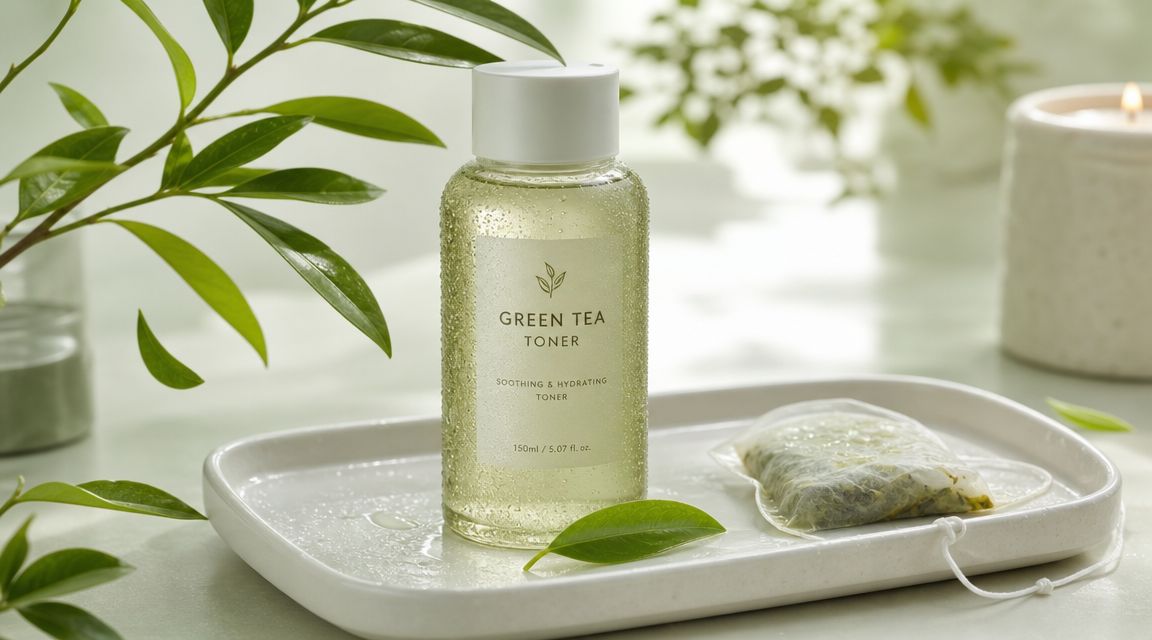
You can brew a strong cup of green tea, let it cool completely, and use it as a quick DIY toner. That's the most budget-friendly version and it works well if you'll make it fresh and keep it refrigerated for only a short time.
If you'd rather buy something shelf-stable, look for products with green tea extract in the formula. Benton Aloe BHA Skin Toner and Aveeno Positively Radiant Toner are examples people often reach for, depending on what else they want from the product.
Green tea works best when your goal is calming skin down, not scrubbing it into submission.
A nice trick is using cooled green tea as a compress on irritated areas or after a long day outside. It's also a better post-cleansing choice than witch hazel when your face already feels slightly tight.
Real trade-offs
DIY green tea is cheap, but homemade liquids spoil fast and don't come with the preservative system a proper toner has. If you know you'll leave a bottle in the bathroom for ages, buy a real product instead.
And if your skin concern is clogged pores, blackheads, or recurring acne, green tea alone probably won't move the needle enough. It's a soothing support step, not a replacement for a true exfoliating or oil-regulating ingredient.
4. Niacinamide Toners or Solutions
Niacinamide is what I recommend when someone says, “I want what witch hazel promised, but I want it to act like modern skincare.” It's not an astringent in the old-school sense, but it's often a better answer for visible oiliness, uneven texture, and that enlarged-pore look.
From a practical skincare standpoint, replacing witch hazel usually works better when you match the function, not the ingredient. For oily-skin or first-aid-style uses, brands often need a multi-active approach rather than a simple botanical swap, and distilled witch hazel water can contain 13 to 15% ethanol while lacking tannins, according to the witch hazel reference summary on Wikipedia. That's one reason niacinamide makes more sense in leave-on routines for a lot of people.
Why niacinamide often beats witch hazel
Niacinamide helps balance the look of oil without the same drying feel. It also plays nicely with barrier-supportive routines, which is where witch hazel often falls short.
Widely available picks include The Ordinary Niacinamide 10% + Zinc 1%, Pacifica Pore Warrior Soft Scrub and toner-adjacent products from the line, Glossier Super Pure, and Paula's Choice 10% Niacinamide Booster. If you want a budget-first roundup, these best drugstore niacinamide serum picks are a good place to start.
- Best for: Oily, combination, and acne-prone skin that still gets dehydrated.
- How to use it: After cleansing, before heavier creams.
- What to expect: Less surface oiliness, a more balanced feel, and fewer “too much toner” days.
What doesn't work
Too-high niacinamide formulas can pill under makeup or feel sticky if you layer them badly. If that happens, switch to a toner or lightweight serum instead of forcing a thick formula to behave.
Also, niacinamide isn't a pore vacuum. It can help skin look more balanced, but if you're dealing with actual blackheads and congestion, pair it with a better cleansing routine or a BHA product.
5. Hydrosols (Floral Waters) Like Chamomile, Lavender, or Orange Blossom
Hydrosols are the prettier, more flexible cousin to witch hazel. They're especially good if you love a refreshing face mist but want an alternative to witch hazel that feels softer and more skin-friendly.
This category makes sense because market demand is moving toward gentler botanical formats. Future Market Insights projects the witch hazel distillates market to grow from USD 1,051.6 million in 2025 to USD 3,321.7 million by 2035, with alcohol-free formulations expected to outgrow conventional versions and skin care identified as the highest-growth use case, according to Future Market Insights' witch hazel distillates market report. That lines up with why hydrosols have become such an appealing swap.
Which hydrosol suits which skin mood
Chamomile hydrosol is the one I'd pick for reactive or easily flushed skin. Lavender hydrosol can feel lovely when skin is stressed, though fragrance-sensitive users need to be careful. Orange blossom is nice when you want something more refreshing and slightly brightening-feeling.
Common US options include Heritage Store Rosewater, Mario Badescu facial sprays, and indie hydrosols sold by natural beauty retailers. The best versions usually have short ingredient lists and skip extra alcohol.
- Chamomile: Best for sensitivity and post-irritation calming.
- Lavender: Best for a relaxing mist, if your skin tolerates botanicals well.
- Orange blossom: Best when you want a fresher, more energizing feel.
Worth remembering: A floral water can make your routine feel better long before it makes your skin look dramatically different.
The catch
Hydrosols can be amazing sensory products, but not every mist earns permanent shelf space. Some are mostly about the experience. If your main concern is acne or major oil control, use one for comfort and then follow with a treatment that effectively addresses the issue.
And again, fragrance sensitivity matters. “Natural” doesn't automatically mean “better tolerated.”
6. Glycerin-Based Toners
If witch hazel leaves your face feeling squeaky, glycerin toners are probably the reset your skin has been asking for. Instead of pulling things tight, glycerin pulls in water and helps skin hold onto it.
This is one of the smartest alternatives when the issue isn't oil. It's dehydration. A lot of people think they need a harsher toner when their skin needs more water and less irritation.
Why this swap works so well
Glycerin-based toners fit the kind of gentle, alcohol-free format many shoppers now prefer. Industry guidance also points out that alcohol-free witch hazel is often the version chosen for facial toners, serums, and aftershaves, which says a lot about where gentler formulation is already heading, as outlined in Lab Alley's guide to the types of witch hazel.
That's why products like CeraVe Hydrating Toner, Simple Kind to Skin Hydrating Toner, and other humectant-rich toners usually outperform witch hazel for dry, mature, or over-exfoliated skin.
- Best for: Dehydrated skin, dry skin, barrier repair routines.
- How to apply: Pat into damp skin with your hands instead of wasting it on a cotton pad.
- Best pairing: Moisturizer right after, so the hydration doesn't just evaporate.
A simple DIY route
If you like DIY, you can make a very basic mist with distilled water and a small amount of glycerin. Keep it simple. Don't start tossing in random kitchen ingredients and expect a stable formula.
The trade-off is obvious. Glycerin toners won't give you that immediate “tightened” feeling, and some people mistake that for them doing less. In reality, they're often doing something more useful for the skin barrier.
7. Micellar Water
Micellar water is a bit of a category cheat, but a useful one. It's not really a toner dupe in the classic sense. It's a better replacement if you were using witch hazel as a quick swipe-to-clean step rather than a true treatment.
This works especially well for people who used witch hazel in the morning, after the gym, or as a lazy-night cleanse. If what you liked was convenience and not the ingredient itself, micellar water makes much more sense.
When micellar water is the better swap
Bioderma Sensibio H2O, Garnier SkinActive Micellar Cleansing Water, CeraVe Micellar Water, and Neutrogena Hydro Boost Micellar Water are all easy to find and reliable. They remove leftover sunscreen, oil, and makeup residue without the same drying edge.
For a lot of routines, that's enough. You don't need an astringent. You need a gentle cleanser that doesn't start a cycle of over-cleansing and over-correcting.
- Use it for: Morning cleansing, makeup removal, post-workout refresh, travel.
- Not ideal for: Treating acne, controlling heavy oil production, exfoliating.
- Easy upgrade: Follow with a hydrating toner or serum if your skin wants more.
Where people get this wrong
Some use micellar water and expect it to act like a pore treatment. It won't. It's a cleanser first. If your previous witch hazel step was trying to reduce congestion, micellar water won't replace that function on its own.
Still, for sensitive skin or anyone simplifying a routine, this can be the smartest switch on the list. Fewer harsh steps often means better skin.
8. Salicylic Acid (BHA) Toners for Acne-Prone Skin
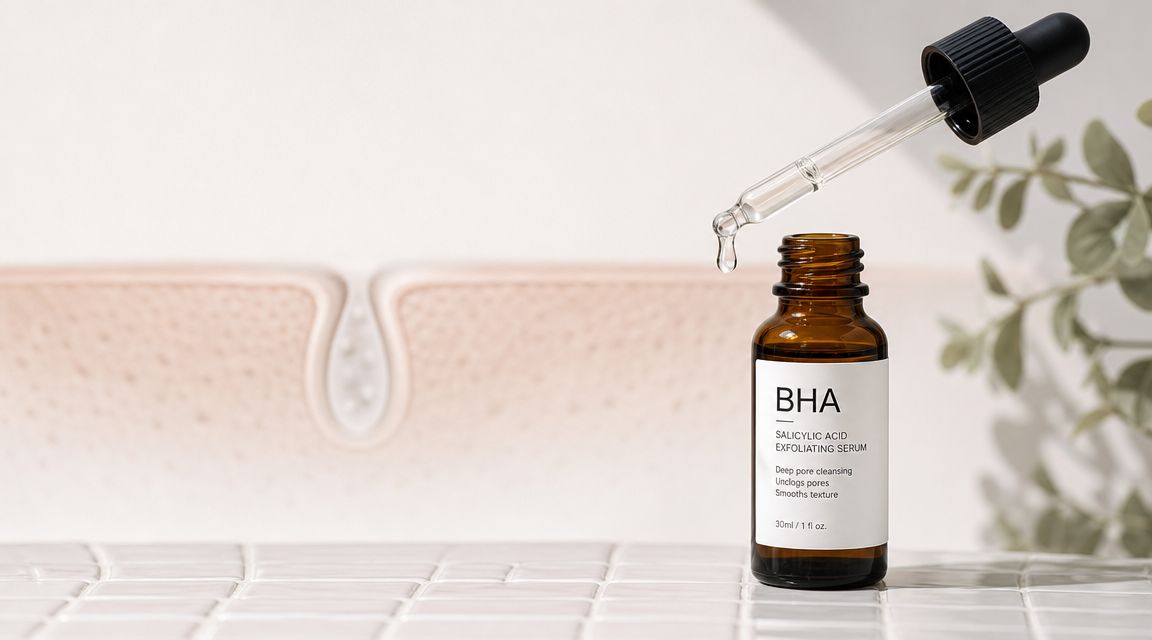
If witch hazel was your acne product, this is the upgrade. Salicylic acid is usually the best alternative to witch hazel when your real concern is clogged pores, blackheads, and recurring breakouts.
Witch hazel can make oily skin feel cleaner for a minute. BHA targets the type of congestion that keeps coming back. That's a huge difference.
The best picks if you need results
Paula's Choice Skin Perfecting 2% BHA Liquid is the best-known option for a reason. Cosrx BHA Blackhead Power Liquid, Stridex Maximum Strength pads, and Neutrogena Clear Pore products are also widely available depending on your budget and texture preference.
If you're shopping specifically for formulas that won't clog skin further, this roundup of non-comedogenic toner options is useful. And if you're trying to figure out your acne-active strategy more broadly, this breakdown of which acne ingredient is best can help.
Start slow. A good BHA toner used a few times a week beats an aggressive daily routine you have to quit after five days.
What to expect and what to avoid
Use BHA on clean, dry skin and don't pile it onto an already irritated routine. If you're also using retinoids, strong scrubs, or multiple acids, go carefully.
This is the strongest choice on the list for acne-prone skin, but it's still not for everyone. Dry, reactive, or rosacea-prone skin may do better with niacinamide, green tea, or a glycerin toner instead.
Quick Comparison of 8 Witch Hazel Alternatives
| Item | Implementation complexity 🔄 | Resource & Cost ⚡ | Expected outcomes ⭐📊 | Ideal use cases 💡 | Key advantages |
|---|---|---|---|---|---|
| Rose Water | Low, ready-to-use | Low cost; widely available ⚡ | ⭐⭐⭐ 📊 Hydrates, soothes, mild astringency | Sensitive/normal skin; daily mist, primer | Gentle, hydrating, alcohol-free options |
| Apple Cider Vinegar (ACV) | Moderate, requires dilution & patch test | Very low cost; pantry staple ⚡ | ⭐⭐⭐⭐ 📊 Strong astringent; pH balancing; antibacterial | Oily/acne-prone skin (spot toning) | Potent antimicrobial and pore-minimizing |
| Green Tea (brew or extract) | Low, brew/cool or use extract | Very low (tea bags) to moderate (extracts) ⚡ | ⭐⭐⭐ 📊 Anti-inflammatory, antioxidant, sebum regulation | Sensitive, antioxidant-focused routines | Gentle antioxidant protection; soothes redness |
| Niacinamide Toners/Solutions | Moderate, consistent layering, compatibility check | Low–Moderate; many affordable options ⚡ | ⭐⭐⭐⭐ 📊 Long-term pore, texture, and barrier improvement | Pore/texture concerns, oily/combination skin | Regulates sebum, strengthens barrier, reduces PIH |
| Hydrosols (Chamomile/Lavender/Orange Blossom) | Low, ready-to-use | Low–Moderate; artisanal options available ⚡ | ⭐⭐⭐ 📊 Soothing, hydrating, gentle toning | Sensitive/irritated skin; multi-use routines | Aromatic, gentle, versatile (face/body/hair) |
| Glycerin-Based Toners | Low, use on damp skin | Low–Moderate; common in drugstore ranges ⚡ | ⭐⭐⭐ 📊 Strong hydration, barrier support; minimal oil control | Dehydrated/dry or compromised barrier skin | Powerful humectant; immediate hydration boost |
| Micellar Water | Low, no-rinse, wipe or pad | Low cost; travel-friendly ⚡ | ⭐⭐⭐ 📊 Gentle cleansing with light toning effect | Makeup removal, travel, gentle morning cleanse | Multi-tasking cleanser + toner; convenient |
| Salicylic Acid (BHA) Toners | High, gradual introduction; SPF required | Low–High depending on brand; widely available ⚡ | ⭐⭐⭐⭐⭐ 📊 Penetrates pores; reduces acne and congestion | Acne-prone, oily, congested skin | Deep pore exfoliation; clinically effective for breakouts |
The Best Witch Hazel Alternative for Your Skin
The best witch hazel alternative depends on what you were trying to get from witch hazel in the first place. That's the part a lot of roundups skip. They act like every substitute does the same job, when really these options solve very different problems.
If your skin is dry, sensitive, or just tired of that tight after-toner feeling, rose water is the best overall swap. It's easy to find, easy to use, and much more comfortable than traditional astringents. It gives you that fresh, toned-skin step without pushing your barrier in the wrong direction. For a lot of people, that's the closest thing to a true everyday dupe.
If your skin is oily or combination and you wanted witch hazel to make pores look smaller and skin look more balanced, niacinamide is the more modern answer. It doesn't rely on that old-school stripped feeling, and it usually fits better into a leave-on routine. It's especially useful if you want results without turning your face into a dry patchy mess by the end of the week.
For acne-prone skin, salicylic acid is the clear winner. It's more targeted for clogged pores and recurring congestion than witch hazel ever was. If witch hazel wasn't cutting it for breakouts, BHA is the category that makes the most sense to try next.
For barrier support and dehydration, glycerin-based toners are the sleeper hit. They don't feel dramatic, but they often fix the exact problem that made witch hazel stop working for you. Green tea and hydrosols are excellent if your skin mostly needs calming, while micellar water is the practical choice if what you really wanted was a quick, gentle swipe-clean step.
So if you want one best pick for general use, go with rose water. It's the easiest, gentlest, most budget-friendly starting point. If you need stronger oil or acne support, move to niacinamide or salicylic acid based on your skin's actual needs.
FAQ
What is the best natural alternative to witch hazel?
Rose water and other hydrosols are excellent natural-style alternatives. They're gentler, more comfortable on sensitive skin, and easier to fit into a daily routine than stronger DIY options like apple cider vinegar.
Is witch hazel bad for sensitive skin?
It can be. Some witch hazel products are drying, and sensitive or rosacea-prone skin often doesn't love that astringent feel. If your skin stings or gets tight after using it, switch to an alcohol-free, fragrance-light option like rose water, green tea, or a glycerin toner.
Can I use apple cider vinegar instead of witch hazel?
You can, but only if it's heavily diluted and your skin tolerates it. ACV is much easier to misuse, so it's not my first recommendation for facial skin. It makes more sense for very oily skin or occasional use than for a daily leave-on routine.
What replaces witch hazel for acne?
Salicylic acid usually does the job better if acne is the primary concern. Niacinamide can also help if your skin is oily and breakout-prone but easily irritated.
What is the best alternative to witch hazel after shaving?
For post-shave use, a fragrance-free, alcohol-free soothing toner or mist is usually the safer choice, especially if your skin gets red or dry. Glycerin-based toners, aloe-forward mists, and simple hydrosols tend to feel better than harsh astringents.
Can I make a DIY witch hazel alternative at home?
Yes, but keep it simple. Brewed green tea, diluted rose water blends, and very basic glycerin mists are the easiest options. Homemade formulas spoil faster than store-bought ones, so make small amounts and use them quickly.
Rose water remains the best all-around alternative to witch hazel for most skin types because it's gentle, widely available, and easy on both your skin and your budget. If your needs are more specific, niacinamide is the stronger balancing pick, and salicylic acid is the better acne-focused upgrade. The right swap isn't the harshest one. It's the one that matches your skin concern without causing a new problem.
If you love smart beauty swaps and budget-friendly product picks, Finding Favourites is worth bookmarking. It's packed with practical dupes, affordable skincare finds, and easy-to-shop roundups that help you skip the trial-and-error and get to the good stuff faster.