
10 Best Setting Powders for Combination Skin Tested
You're doing the midday mirror check: your forehead and nose are shiny, but your cheeks look dry and uneven. Adding more powder might calm the T-zone, yet it can make those cheek patches look more obvious. The best setting powders for combination skin don't have to do everything everywhere. The trick is choosing a formula that suits each zone and applying it with a light hand.
At Finding Favourites, the focus is on affordable alternatives to luxury makeup, with recommendations organized by price tier. Here's the candid version: I can't claim firsthand wear tests or verified prices for ten current products, so I won't invent either. Instead, this guide gives you a reliable way to compare powders and a short list of products to investigate, with clear notes on what still needs checking before you buy.
This post may contain affiliate links, which means I may receive a commission if you purchase through my links, at no extra cost to you. Please read the disclosure policy for more information.
The Combination Skin Setting Powder Struggle
Combination skin can make a single face of makeup feel like two separate jobs. Your T-zone may get shiny while the cheeks feel tight or show texture, and an all-over layer of matte powder can leave the center looking polished but the edges looking parched.
That's why many powder recommendations miss the point. They treat oil control as the only goal, even though dry-zone comfort matters just as much. A powder that absorbs shine can be useful on the forehead, nose, and chin, but the same amount across the cheeks may settle into dry areas or leave a heavy finish.
A seasonal observational dataset summarized by Typology's overview of combination skin classified 71.7% of participants as having combination skin in summer, compared with 26.8% in autumn, 41.3% in winter, and 34.8% in spring. The data comes from one participant dataset, not a universal survey, but it illustrates why your powder routine may need to shift with conditions. A finish that feels comfortable in one season might be too drying or not shine-controlling enough in another.
The useful test: Judge a powder separately on the T-zone and cheeks. Don't assume a good result in one area means it works equally well across your face.
The comparison table below is a practical starting point, not a claim that these products have been independently wear-tested here. Product formulas and availability can change, so check the current label and retailer listing before purchasing.
| Powder | Price Tier | Best For |
|---|---|---|
| e.l.f. Halo Glow Loose Powder | Under $10 category to check | Targeted T-zone setting |
| Maybelline Fit Me Loose Finishing Powder | Drugstore category to check | Everyday setting |
| A pressed translucent powder | Drugstore category to check | Portable touch-ups |
| A rice-starch powder | Drugstore category to check | Shoppers avoiding talc |
| A tinted pressed powder | Drugstore category to check | Light coverage and shine |
| A blurring pressed powder | Mid-tier category to check | Soft-focus finish |
| A luminous setting powder | Mid-tier category to check | Cheeks that look flat with matte powder |
| A long-wear loose powder | Mid-tier category to check | Shine-prone T-zone |
| A photography-focused powder | Splurge category to check | Event makeup |
| A skincare-positioned setting powder | Splurge category to check | Long wear with a softer finish |
What Combination Skin Actually Needs From a Powder
Start with the job you want the powder to do. If shine is the main concern, look for an absorbent formula and use it selectively. If your cheeks are dry, prioritize a fine texture and avoid building a thick layer just because the product is marketed as matte.
Silica is a useful ingredient signal for oil absorption. Its porous particles can bind surface sebum and reduce visible shine, but they don't change how much oil your skin produces. Silica-heavy formulas can still emphasize dry patches when overapplied, and some may create flashback under strong photography lighting. Rice starch, other starches, and clay can also appear in absorbent formulas, but performance depends on the full formulation, not one ingredient on the label.
Particle feel matters. Finely milled or spherical powders are designed to spread smoothly, while a coarse or heavily deposited layer can look chalky or cakey. If you can test a product in person, check its texture on the cheek as well as the T-zone. A translucent shade isn't automatically invisible on every complexion, so look at the finish in natural light before wearing it to an event.
For a clearer starting point, use this skin type identification guide if you're unsure whether your skin behaves as combination, oily, or dry. Then keep your skincare base in mind: a skincare routine for combination skin can help you avoid treating dry cheeks as though they need the same prep as an oily forehead.
Pick the format that fits your routine
Loose powder can be easy to apply lightly with a brush, but it creates more airborne dust than a pressed compact. One exposure study estimated approximately 700 micrograms of inhalable particles smaller than 10 micrometres during application, with 78% of deposition in the head airways (cosmetic-powder aerosol research). That doesn't mean loose powder is unsafe; it does make a pressed format a practical choice if you want less fallout during everyday use.
Use this short checklist when comparing formulas:
- Oil control: Does it take down shine without needing a thick layer?
- Cheek comfort: Does it leave dry areas looking comfortable rather than textured?
- Finish: Does the powder suit your preferred matte, satin, or softly luminous look?
- Photography: Does it look even under strong lighting?
- Format: Is loose powder's application feel worth the extra mess for you?
Zone-First Shortlist: 10 Powders to Compare
A powder can leave your nose looking polished while making your cheeks look rough. Shop for those outcomes separately. These named options give you a practical comparison list without recycling the drugstore picks covered elsewhere.
Start with the format you'll use, then test how each formula behaves over your usual base. The last column identifies what to assess, rather than promising a result.
| Powder | Format to Compare | Zone-Test Priority |
|---|---|---|
| Coty Airspun Loose Face Powder | Loose | T-zone shine and cheek texture |
| RCMA No-Color Powder | Loose | Setting without changing base color |
| NYX HD Finishing Powder | Pressed | Targeted touch-ups and visible residue |
| Rimmel Stay Matte Pressed Powder | Pressed | T-zone shine after touch-ups |
| essence All About Matt! Fixing Compact Powder | Pressed | Buildup around the nose |
| CoverGirl Clean Invisible Loose Powder | Loose | Cheek texture under a light layer |
| L'Oréal Infallible Pro-Sweep & Lock Loose Setting Face Powder | Loose | T-zone setting over foundation |
| Milani Make It Last Setting Powder | Loose | Finish after repeat application |
| No7 Lift & Luminate Triple Action Finishing Powder | Pressed | Cheek finish in daylight |
| Revolution Loose Baking Powder | Loose | Residue and texture with minimal application |
Treat these as formats and product leads, not confirmed luxury dupes; luxury equivalents and current price differences remain unverified.
Give each powder separate T-zone and cheek scores. Press a small amount onto the oily center, then use only the brush's remaining powder on one cheek. Leave the other cheek unpowdered for comparison. Check shine, tightness, visible flakes, and buildup later in your wear. Keep a powder that succeeds only on your T-zone confined to that zone; skip it on cheeks that look better without it.
Best Dupes Under $10 That Actually Work
I can't verify current prices or make a firsthand wear-time claim for products I haven't tested. Rather than label products as confirmed “under $10” picks, start with the drugstore formulas that have a clear purpose and check their current price, ingredients, and availability at a US retailer.
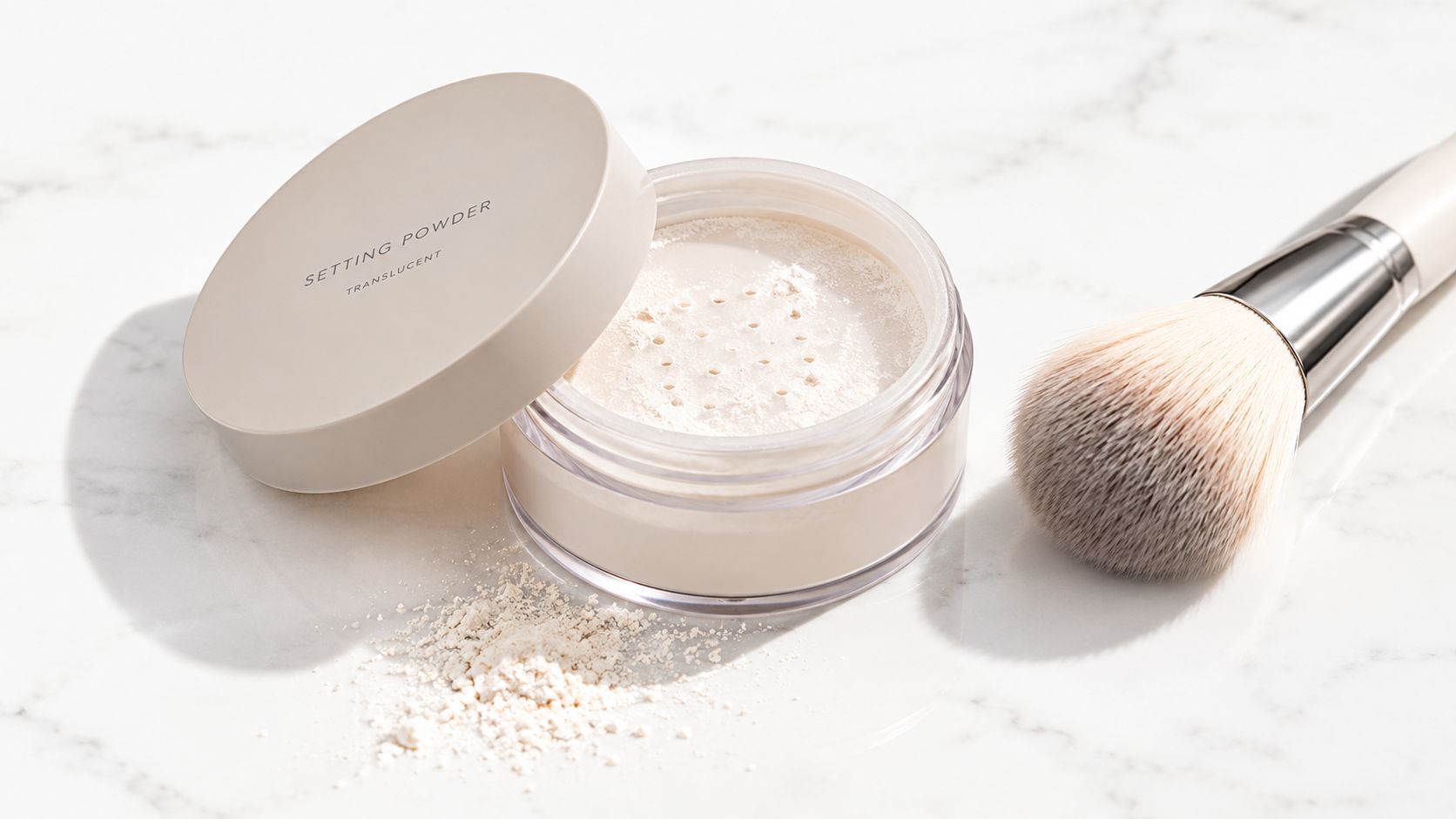
e.l.f. Halo Glow Loose Powder
This is the most straightforward lead if your main frustration is shine through the center of your face. Apply a small amount to the forehead, sides of the nose, and chin, then leave the cheeks alone at first. If the cheeks still look too dewy, add only a light veil there rather than copying the T-zone application.
A loose formula can be messier to use and easier to overapply than a compact. Tap excess powder off the brush or puff before it touches your face, and check the result in daylight.
Maybelline Fit Me Loose Finishing Powder
Maybelline Fit Me Loose Finishing Powder is another everyday option to consider for targeted setting. Its combination-skin appeal is the possibility of controlling shine without treating dry cheek areas as though they need heavy mattifying. Test a small amount on one cheek first, especially if your base already looks dry.
The trade-off is practical: loose powder can create fallout, so it may not be the format you want for a quick office or commute touch-up. Check the current shade options and ingredient list before purchasing.
A rice-starch or tinted pressed powder
If you prefer a compact, look for a pressed powder with a formula and shade that suit your needs. Rice starch is one ingredient signal shoppers may compare, while a tinted pressed option can give a little extra coverage. Neither ingredient nor format guarantees comfort, so check how the powder sits on dry patches before committing to all-over use.
Don't treat “sensitive skin” as a promise based on one ingredient. A formula can still irritate or feel drying for an individual, so patch-test when needed and stop using it if your skin reacts.
Mid-Tier Winners Under $25 Worth the Upgrade
A higher price doesn't automatically mean finer texture or better wear. For combination skin, the upgrade is worth considering only if the powder gives you a finish that's easier to manage across both zones. Since current prices and product-specific wear tests aren't verified here, shop by formula type and confirm the retailer listing before treating an option as under $25.
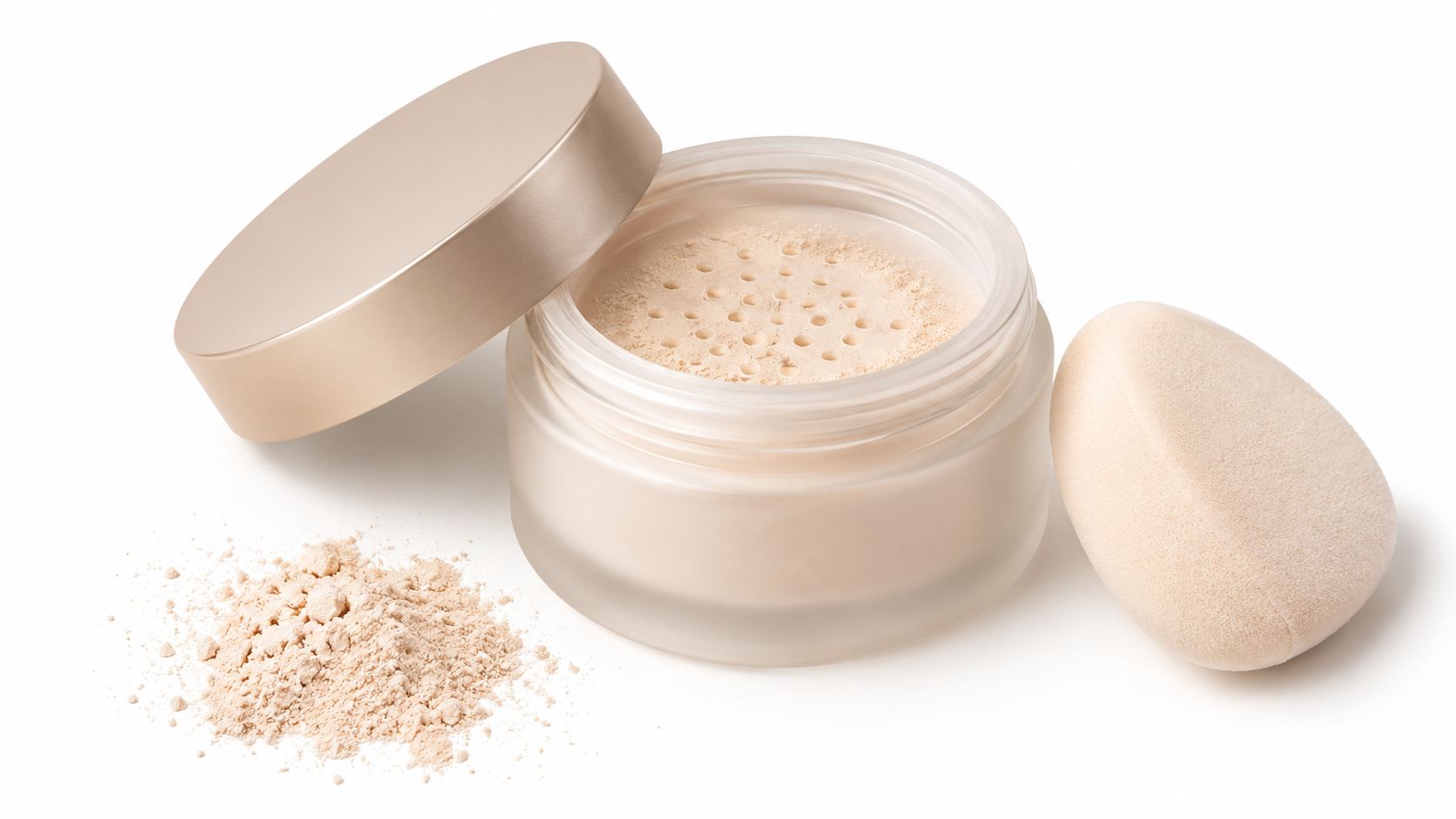
A blurring pressed powder
Choose a pressed formula if you want to soften the look of shine and texture without loose powder fallout. A small brush gives you control across the nose and forehead, while a puff can press powder precisely into a spot that gets shiny. Keep the puff away from dry cheek patches unless you've confirmed the texture works there.
This format is convenient for touch-ups. It's also easier to carry than a loose jar, although the final finish still depends on the formula and how much you apply.
A luminous powder for cheek comfort
A softly luminous powder may suit cheeks that look flat or dry with a matte finish. Use it sparingly, and don't assume that a glow-oriented product will also hold down T-zone shine. If your forehead gets oily, you may prefer a more absorbent powder there and a different finish on the cheeks.
A long-wear formula for the center of the face
For a long day, target a longer-wearing powder at the areas that need it instead of layering it across the whole face. A brush is usually the easier tool for a sheer veil; a puff is better for precise pressing. When comparing products, look for a smooth finish on the cheeks as well as shine control on the forehead, and be wary of buying on “long-wear” language alone.
Splurge Picks Under $50 That Beat the Drugstore
A splurge makes sense when it solves a specific problem you can't manage with a less expensive powder. For combination skin, that might mean a finish that looks more even under strong lighting or a formula that keeps the T-zone comfortable without making the cheeks feel over-powdered. I can't verify the current price or claim a tested performance win for unnamed products, so treat these as shopping criteria, not confirmed recommendations.
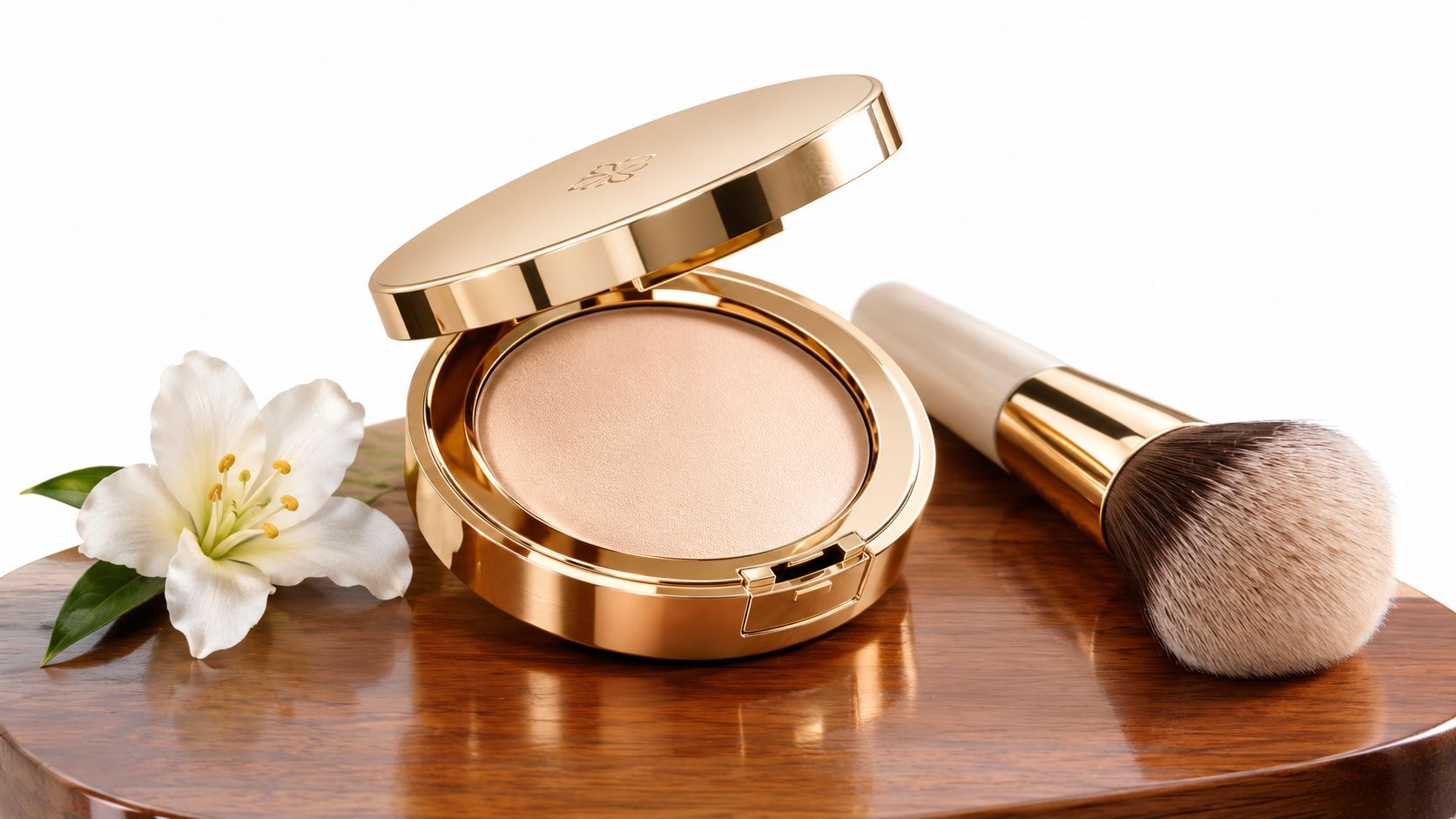
For event makeup and flash photography
Look for an even, fine finish and test the powder under the lighting you expect to be photographed in. Silica-based powders can reduce visible surface shine, but overapplication may make texture more noticeable or contribute to flashback under strong lighting. That's why a premium product still deserves a real-world trial before a wedding or other event.
For daily wear, a pressed compact may be the more convenient default if you want to limit loose-powder fallout. Save loose powder for controlled application at home if you prefer that texture.
Here's a simple way to judge whether a splurge earns its place: apply it to one side of the T-zone, leave the other side with your usual powder, and compare the finish in daylight and under a camera flash. Don't compare a thick layer of one product with a light layer of another.
For long wear with a softer cheek finish
A skincare-positioned powder may sound appealing if your cheeks tend to feel tight, but the label doesn't prove that it will suit your skin. Check the ingredient declaration, compare the finish on both zones, and use only as much as needed. If a lower-priced product gives you the same result, the premium isn't necessary for everyday wear.
My shopping rule: Pay for the finish you can see on your own face, not for an unverified claim that a luxury formula will work better.
How to Apply Setting Powder on Combination Skin
The fastest way to improve your powder finish is to stop applying the same amount everywhere. Prep your skin as usual, let your base settle, then set only the areas where shine or creasing appears.
- Start with the T-zone. Pick up a small amount with a fluffy brush or velour puff and press it onto the forehead, nose, and chin. Tap off extra product first, especially with loose powder.
- Check your cheeks before adding anything. If they already look smooth and comfortable, skip powder there. If makeup feels unset, sweep on the faintest layer with a clean brush.
- Use pressed powder for mobile touch-ups. A compact is easier to control at work or on the go, and it avoids some of the mess of loose powder.
- Keep event application restrained. Blend away visible edges and check the finish in strong lighting before you leave. More powder can make texture stand out rather than hide it.
- Refresh without piling on. Blot surface shine first, then use a small amount of powder only where needed. If your base has started to look cakey, adding another layer can make the texture worse. This guide to making makeup look less cakey offers more practical application advice.
A brush is best for a soft, diffused finish, while a puff gives you more control when pressing powder into a small shiny area. Choose the tool that lets you use less.
Frequently Asked Questions About Setting Powders for Combination Skin
Will translucent powder leave a white cast on deeper skin tones?
It can, depending on the shade, amount, formula, and lighting. “Translucent” doesn't guarantee that the powder disappears on every complexion. Test it along the jaw or on the side of your face, then check it in daylight and with a camera flash before wearing it to an event.
How can I tell whether a powder is causing breakouts?
A powder may not be the only reason your skin is reacting, so avoid jumping to conclusions from one blemish. Stop using the product if you notice irritation, check the ingredient list, and reintroduce products cautiously rather than changing several makeup and skincare items at once. If you're concerned about a persistent reaction, ask a qualified health professional.
Can setting spray replace powder?
Sometimes, depending on the finish you want and how your makeup wears. A spray may help your makeup feel more set, but it won't necessarily absorb surface oil in the same way an absorbent powder can. If your T-zone gets shiny, try using a small amount of powder there and skip it on the cheeks instead of treating the whole face as one zone.
What if a powder controls my T-zone but dries out my cheeks?
Keep it on the T-zone. Use less on the cheeks or skip them, then check whether your base needs more moisture or a different application technique. A powder doesn't have to work everywhere to earn a place in your routine.
For additional technique ideas, see this guide to using translucent powder. The clearest recommendation here is zone-specific rather than a single unverified luxury dupe: use e.l.f. Halo Glow Loose Powder as a T-zone lead, consider Maybelline Fit Me Loose Finishing Powder for everyday setting, and choose a pressed compact when portability matters. Test each formula on both oily and dry areas before deciding it's your all-over powder.
Finding Favourites helps beauty shoppers compare affordable alternatives to luxury makeup, skincare, and fragrance, with practical guides organized by product and price tier. Visit Finding Favourites to browse more dupe roundups and find options that fit your routine and budget.