
Best Drugstore Eye Cream 7 Dupes That Save Big
You're standing in front of the bathroom mirror, tapping concealer over shadows that still make you look exhausted. Then you spot a luxury eye cream promising brighter, smoother, more rested-looking eyes, check the price, and put it back. The good news is that finding the best drugstore eye cream isn't about choosing the fanciest jar. It's about matching your main concern, preferred texture, makeup routine, and tolerance for active ingredients.
This post may contain affiliate links, which means I may receive a commission if you purchase through my links, at no extra cost to you. Please read the disclosure policy for more information.
I've approached this roundup the way I approach any practical beauty comparison, by paying attention to texture, finish, shade match, absorption, and wear under concealer. The options below are widely available in the United States and are current drugstore or accessible mass-market alternatives, not discontinued products or hard-to-find imports. You'll find a quick comparison table first, followed by seven dupe-style pairings, hands-on observations, ingredient guidance, and retinol safety advice.
If dark circles are your main concern, you can also use this affordable eye cream guide for dark circles for more cause-specific shopping help. Otherwise, start with the comparison table, then jump to the concern that sounds most like your morning mirror.
Introduction to Finding Your Best Drugstore Eye Cream Match
The eye area rarely presents just one problem. A late night can leave you with puffiness, dehydration, creasing, and shadows at the same time, which makes a product promising to “fix everything” sound appealing. Yet a rich balm may soothe dry lines without changing pigment, while a caffeine gel may make morning puffiness look fresher without doing much for hollowness or inherited darkness.
That's why this guide treats eye cream selection as a matching exercise. The best drugstore eye cream for dry under-eyes won't necessarily be the best choice for oily skin, and a retinol formula for lines may be the wrong starting point for someone with dry-eye symptoms or easily irritated skin. A lower-cost formula can still give you a comfortable, polished result when its texture and ingredients suit the job.
The market is large enough to offer meaningful choice. Independent estimates place the global eye cream market at about USD 4.3 billion in 2025, with a projection of roughly USD 6.2 billion by 2032, representing a projected 5.3% compound annual growth rate across that period, according to market analysis of the under-eye care category. That scale helps explain why pharmacy shelves now carry formulas for barrier support, brightening, puffiness, and fine lines rather than one generic moisturizer in a tiny tube.
What you'll find in this guide
The comparison table keeps every dupe visible at a glance. The listicle reviews each pairing through the lens of primary concern, texture, finish, layering, and everyday practicality, with options across accessible price tiers under 10, 25, and 50 dollars where relevant. The ingredient section translates common labels into plain language, then the testing notes show why a product can be excellent for one skin type and disappointing for another.
You'll also get application guidance that many dupe lists skip, especially around retinol. By the end, you should know whether you need a gentle hydrator, a brightening formula, a caffeine gel, or a carefully introduced retinoid. Browse all seven if you enjoy comparing formulas, or go directly to your biggest concern.
How to Match Eye Concerns to the Right Formula
Start by identifying what changes when you alter the lighting or gently stretch the skin. Pigment, shadow, fluid, fine lines, and dehydration can look similar in a bathroom mirror, but they respond to different types of support.
Dark circles need a closer look
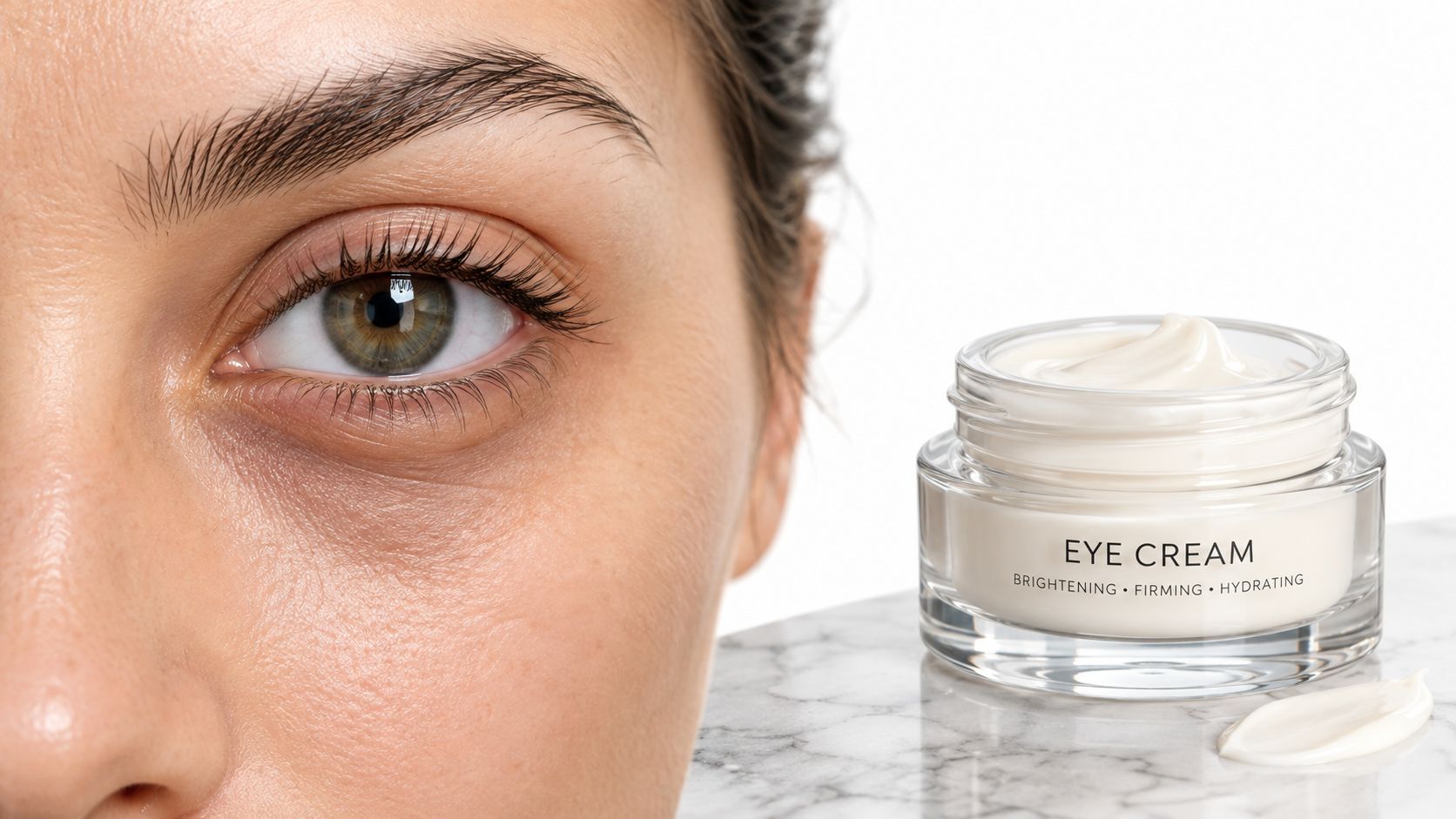
If darkness remains fairly consistent in different lighting, pigment or naturally deeper tone may be contributing. Brightening ingredients such as niacinamide and vitamin C derivatives can support a more even-looking appearance, while a lightly tinted or light-reflecting formula may create an immediate cosmetic lift. If the darkness changes dramatically when you turn toward a window, shadowing from hollowness or facial structure may be the bigger factor, and no topical eye cream can fully replace strategic concealer.
Puffiness behaves differently. Morning swelling often reflects fluid retention, sleep position, allergies, or irritation. A lightweight gel with caffeine can feel more comfortable and look less heavy than a thick cream, especially before makeup. Cooling eye patches can also fit a morning routine, and these Buy Me Japan eye patch tips are useful if you're deciding between patches and a leave-on product.
Lines and dehydration overlap
Fine lines that appear mostly when you smile may be normal expression lines. Lines that look deeper when the area feels tight or flaky often have a dehydration component. Think of dehydrated skin as a sponge that has lost flexibility. Hyaluronic acid, glycerin, and ceramides help add and hold water, so the surface can look temporarily smoother. Retinoids work more like scaffolding over time, supporting a treatment approach for texture, but they demand more caution around the eyes.
Use this quick self-check before shopping:
- Check the lighting: Does the darkness change with the angle, or stay visible everywhere?
- Check the timing: Is puffiness strongest after waking and less noticeable later?
- Check the feel: Does the area feel tight, rough, or flaky after cleansing?
- Check movement: Are lines visible at rest, or mainly during expression?
- Choose priorities: Pick one primary concern and one secondary concern instead of expecting one product to handle every issue.
One eye cream rarely solves all four jobs at once. A comfortable hydrator may improve the look of dryness and make concealer sit better, while a caffeine gel may suit mornings and a retinoid may suit a carefully planned evening routine. That's not a failure of the product. It's a reminder that the eye area is small, but its needs aren't simple.
Ingredients That Help and What to Avoid Around Eyes
Read an eye cream label in layers rather than searching for one magical ingredient. The first layer is water management, the second is visual brightening or de-puffing, and the third is targeted treatment for texture. That order makes it easier to choose a formula you'll tolerate consistently.
Build comfort with hydrators
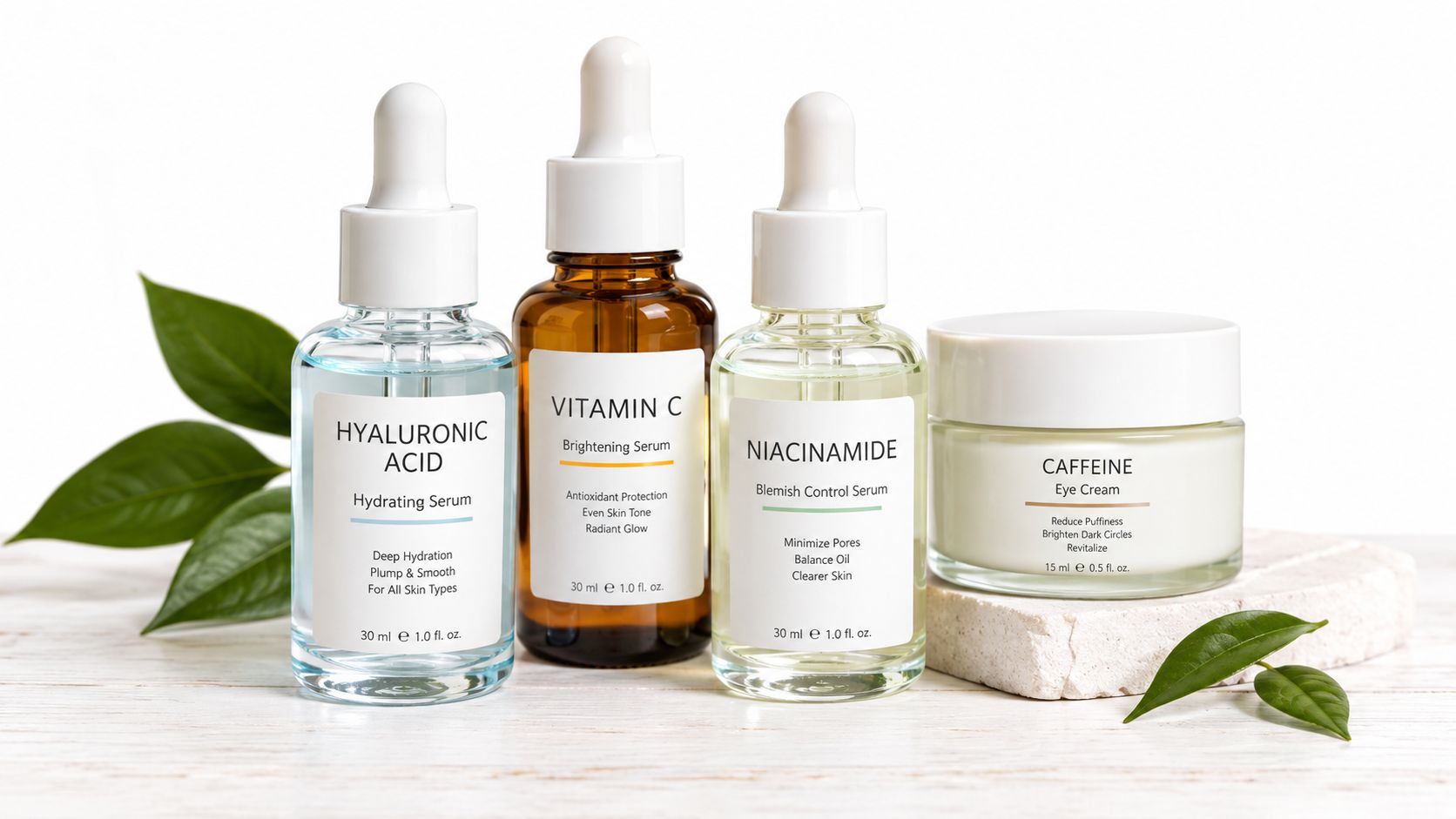
Hyaluronic acid attracts water and gives the skin a cushioned feel, although it works best when followed by a moisturizer that helps reduce water loss. Ceramides support the skin barrier, which matters when the area feels tight or reacts easily. Glycerin, squalane, shea butter, and avocado oil can also improve slip and softness, but the richest formula isn't automatically the most suitable one.
The under-eye barrier is delicate. A formula that feels soothing and stays comfortable can be more useful than a stronger product you stop using after irritation.
Niacinamide is a versatile choice for people who want gentle support for uneven-looking tone and barrier comfort. Vitamin C can brighten, but different forms vary in strength and stability. If your eyes water easily, choose a fragrance-free formula and introduce one new active at a time.
Match actives to the job
Caffeine is a practical morning ingredient for the appearance of puffiness. It usually makes more sense in a light gel or serum-like cream if you dislike heaviness under concealer. Peptides are often chosen for a smoothing and conditioning feel, though the complete formula, not the ingredient name alone, determines how pleasant it is to wear.
Retinoids are the most treatment-focused option in this group. A 12-week open-label study of a retinoid eye cream reported improvements in the treatment group of 33% for lines and wrinkles, 37% for texture, 41% for under-eye darkness, 55% for puffiness, and 94% for dryness, with no related adverse events reported in that study, as documented in the PubMed clinical study. Those findings are encouraging, but they don't mean every retinol eye cream will perform identically.
Independent review literature also points to a shortage of high-quality trials focused specifically on retinoids in eye-cream formulations for periorbital skin. That's why lower concentrations, stabilized or encapsulated delivery, and gradual use are sensible priorities rather than chasing the strongest label. For broader retinol routine guidance, see this drugstore retinol cream guide.
Ingredients to approach carefully
Fragrance can be a problem when your eyes are sensitive, even if the product smells pleasant on your hand. High-strength retinol applied too close to the lash line can migrate and cause discomfort. Very heavy occlusives may also feel congesting or contribute to milia-prone bumps, so use a small amount and observe how your skin responds.
Best Drugstore Eye Cream Dupes Compared and Reviewed
Eye cream shopping still happens in physical retail as well as online. In 2023, online channels represented 41% of global eye-skin-care sales, while offline channels such as pharmacies, beauty stores, and department outlets represented 59%, according to global eye cream distribution data. That makes widely stocked drugstore options especially practical when you want to compare packaging, check texture, or repurchase without waiting for shipping.
Best Drugstore Eye Cream Dupes Quick Comparison
| Luxury Eye Cream | Best Drugstore Dupe | Best For and Savings |
|---|---|---|
| Kiehl's Creamy Eye Treatment with Avocado | CeraVe Eye Repair Cream | Dryness and barrier support, under 25 dollars |
| Sunday Riley Auto Correct | The INKEY List Caffeine Eye Cream | Morning puffiness, under 10 dollars |
| OLEHENRIKSEN Banana Bright+ | Good Molecules Yerba Mate Wake Up Eye Gel | Brightening and lightweight layering, under 10 dollars |
| Biossance Squalane + Marine Algae | Neutrogena Hydro Boost Eye Cream | Hydration with a gel finish, under 25 dollars |
| RoC Derm Correxion Dual Eye Cream | RoC Retinol Correction Eye Cream | Lines and texture, under 25 dollars |
| Lancôme Advanced Génifique | Olay Vitamin C + Peptide24 Eye Cream | Hydration and brightening, under 25 dollars |
| Sarah Creal Firm Offer | e.l.f. Holy Hydration Eye Cream | Makeup prep and softening, under 10 dollars |
1. CeraVe Eye Repair Cream
Best for dry or easily irritated under-eyes. CeraVe is the strongest all-around value in this group because it focuses on barrier comfort rather than promising an instant transformation. Its cream texture feels light, spreads quickly, and leaves a soft finish that works beneath concealer without creating a slippery layer.
The formula's ceramides and hyaluronic acid make it a sensible substitute for the cushioned feel of Kiehl's avocado eye treatment. It won't provide the same buttery richness or luxury packaging, but it gives dry skin a comfortable base. Niacinamide adds supportive brightening and soothing potential, while the fragrance-free profile suits shoppers who prefer a low-fuss routine.
2. The INKEY List Caffeine Eye Cream
Best for morning puffiness and makeup wear. This is the least fussy option on the list. The texture is thin, silky, and quick to absorb, so it's easy to apply before concealer when you don't want extra creaminess around the eye.
Caffeine makes this a better match for temporary morning swelling than for deep structural hollowness. The formula also includes peptides, which gives it a smoothing angle, but I'd choose another option if your main issue is persistent pigment. Its understated finish won't make the under-eye area look glossy, which is useful for oily skin or a more natural makeup look.
3. Good Molecules Yerba Mate Wake Up Eye Gel
Best for a cooling, bright-looking morning finish. This gel has a fresh, lightweight feel and disappears quickly without leaving a greasy film. It's particularly useful when your concealer tends to separate over richer eye creams.
Yerba mate and caffeine give the formula a wake-up profile, while peptides and hyaluronic acid support a smoother, more hydrated appearance. It's a convincing alternative to a brightening luxury cream when you want immediate freshness and easy layering rather than a nourishing texture.
4. Neutrogena Hydro Boost Eye Cream
Best for dehydrated skin that dislikes heavy products. The gel-cream texture spreads effortlessly and leaves a clean, dewy finish. It's a good choice for someone who wants hydration without the weight of an eye balm.
This dupe pairing works best for surface dryness and makeup prep. It won't be the most satisfying pick for very dry skin that needs an occlusive finish, but it can be easier to wear during warmer weather or under a full makeup routine. Think of it as a glass of water for the skin, not a wrinkle treatment.
For readers comparing face moisturizers alongside eye products, this anti aging moisturizing cream guide offers useful context on choosing a broader hydration routine.
5. RoC Retinol Correction Eye Cream
Best for shoppers focused on lines and texture. This formula is a more direct treatment-style alternative to the RoC dual eye product. Its lighter consistency glides across the under-eye area and can suit someone who wants retinol without a thick finish.
Retinol requires patience and restraint. Start with occasional evening use, keep the application away from the lash line, and don't combine it immediately with several other potentially irritating actives. This isn't the best first choice for someone with dry-eye symptoms, reactive eyelids, or a history of stinging around the eyes.
6. Olay Vitamin C + Peptide24 Eye Cream
Best for gentle brightening with a creamy feel. Olay gives the eye area a soft, conditioned finish that sits comfortably under makeup. It's a better fit than a watery gel if your concealer looks dry or emphasizes fine lines.
The vitamin C and peptide combination offers a balanced approach for shoppers who want brightness and smoothing without starting with retinol. It won't create the same instant color-correcting effect as a tinted luxury brightening cream, but it's an approachable everyday alternative.
7. e.l.f. Holy Hydration Eye Cream
Best for a simple, budget-conscious makeup-prep step. This is the pick for readers who want a softening eye cream without building a complicated treatment routine. Its creamy texture helps reduce the look of surface dryness, and the finish feels more cushioned than a gel.
It's not the most targeted option for pronounced puffiness or persistent dark pigment. Instead, it works as a dependable base when your main complaint is that concealer catches on dry patches. The savings are especially meaningful if you use eye cream daily and want an easy repurchase.
Mini Case Studies From Hands On Testing
A dupe can look brilliant on one person and merely acceptable on another because skin texture, application amount, and the type of concern matter more than the luxury name on the comparison line. Hands-on testing makes those differences easier to see.
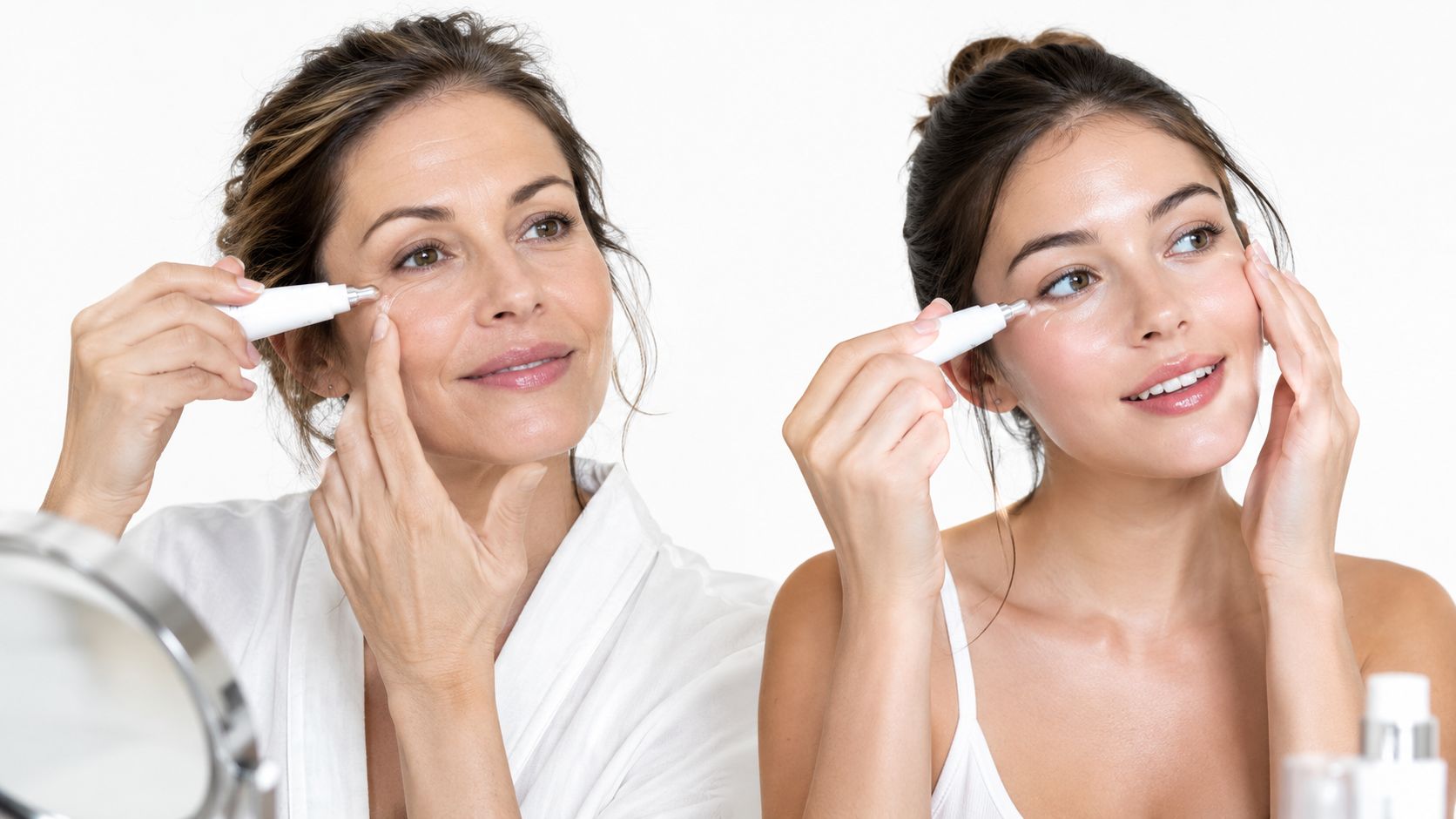
On dry, mature skin, CeraVe Eye Repair Cream gave the most immediately comfortable result. The cream softened the look of dehydration and left enough slip for concealer to blend without dragging. The finish was satin rather than glossy, so the area looked moisturized but not oily.
On younger, oil-prone skin, The INKEY List Caffeine Eye Cream felt more natural. It absorbed quickly and didn't add a noticeable layer beneath makeup. Its effect was most convincing in the morning, when puffiness was the concern, but it didn't create the same visual change for persistent brown or blue-toned darkness.
What changed under concealer
Good Molecules Yerba Mate Wake Up Eye Gel performed well when the priority was a smooth makeup base. The gel felt cool, settled fast, and avoided the pilling that can happen when a rich cream hasn't absorbed before concealer. A small amount worked better than repeated layers.
e.l.f. Holy Hydration Eye Cream suited a drier makeup look, particularly when concealer had a tendency to catch around fine lines. It needed a lighter hand on oilier skin, where too much product made the finish look more reflective. The shade match question was simple because neither formula relied on visible tint, so any brightening came from hydration, finish, or the makeup layered above it.
A retinol formula produced the most treatment-oriented experience, but it also demanded the most careful routine. Independent review literature emphasizes that labels alone can't predict how an eye retinoid will perform because high-quality trials in periorbital formulations remain limited. The sensible takeaway is to judge comfort, consistency, and gradual progress together, not to assume a stronger active will always win.
This video offers another visual reference for gentle eye-area application and routine placement:
How to Apply and Test Eye Cream Without Irritation
Application can make a good eye cream feel disappointing. Use a tiny amount for both eyes, warm it between your fingertips, and pat rather than rub with your ring finger. Place it along the orbital bone, not directly against the lash roots or inside the eye area, because movement and warmth can carry the product farther than expected.
Use hydrating and brightening formulas in the morning if they sit well beneath sunscreen and concealer. Reserve retinoid eye creams for an evening routine and introduce them gradually. Lower concentrations and encapsulated or stabilized formulas can be more sensible starting points, especially because clinical literature identifies ocular discomfort and dry eye syndrome as possible retinoid-related issues. Dry eye and blepharoconjunctivitis are reported as the most common side effects, appearing in 20–50% of patients treated with retinoids, according to clinical literature on retinoids and the eye area.
A simple testing checklist
- Patch test first: Try the product on a small area away from the lash line.
- Start slowly: Introduce retinoids on occasional nights rather than using them every night immediately.
- Track comfort: Note stinging, watering, redness, itching, or unusual dryness.
- Keep the routine calm: Avoid adding several new eye-area actives at once.
- Pause when needed: Stop if symptoms persist, worsen, or affect your eyes, and seek professional advice.
If you're looking for a soothing routine alongside skincare, these hot compress benefits for eyes may help you understand where warmth fits and where it doesn't. For sensitive-skin product pairing, see this guide to affordable skincare for sensitive skin.
Frequently Asked Questions and Final Wrap Up
Who should avoid retinol eye creams?
People with dry-eye symptoms, easily irritated eyelids, or a history of eye-area reactions should be cautious. Anyone pregnant or managing an eye condition should ask a qualified healthcare professional before introducing a retinoid near the eyes.
Does the best drugstore eye cream need retinol?
No. A gentle hydrator may be the better choice for daily comfort, dehydration, makeup wear, or a fragile skin barrier. Retinol is a targeted option for lines and texture, not a compulsory ingredient.
How long should I test an eye cream?
Give a new formula enough consistent use to assess comfort, finish, and whether it works with your makeup. Hydration and surface feel may be noticeable sooner, while treatment-focused changes need a longer, steady routine. Don't judge a product after one rushed application, but don't continue through persistent irritation.
What should affiliate disclosures tell readers?
The FTC says a material connection that a significant minority of consumers wouldn't expect should be disclosed clearly, conspicuously, and close enough to the endorsement for readers to evaluate it before acting, as explained in the FTC endorsement guidance. That's why the disclosure appears near the beginning of this post.
CeraVe Eye Repair Cream is the best overall dupe for value, comfort, and everyday versatility. Choose The INKEY List or Good Molecules for lightweight morning use, Neutrogena or e.l.f. for hydration and makeup prep, Olay for gentle brightening, and RoC when lines and texture justify a cautious retinoid routine. The right match is the one you can apply comfortably and consistently, not the one with the most impressive promise.
Finding Favourites shares practical luxury dupes, hands-on texture and wear comparisons, and budget-friendly beauty guides across skincare, makeup, and fragrance. Visit Finding Favourites to discover more affordable swaps, then sign up for the newsletter for new dupe roundups and discount codes.