
Skincare Routine for Oily Skin: 9 Affordable Dupes
By 10 a.m., you've already reached for blotting paper. By lunch, your forehead and nose are shining again, while your cheeks may feel oddly tight. That cycle usually doesn't need a harsher cleanser. It needs a barrier-friendly skincare routine for oily skin that controls excess sebum without making your skin compensate.
This post may contain affiliate links, which means I may receive a commission if you purchase through my links, at no extra cost to you. Please read the disclosure policy for more information.
Why Oily Skin Needs a Smarter Routine
Oily skin isn't a cosmetic failure. Sebum helps protect the skin, but dermatology literature has historically treated excess production as a measurable skin state. Production above 1.5 mg per 10 cm² every three hours has been defined as seborrhea or oily skin in clinical literature, a threshold discussed in this historical overview of oily and acne-prone skincare.
That distinction matters because the answer isn't to remove every trace of oil. A stripping cleanser can leave skin feeling impressively squeaky for a few minutes, then tight and uncomfortable. Over-cleansing and harsh formulas can disrupt the barrier, and that discomfort often encourages people to scrub harder or add even more treatments.
The shine-strip-repeat cycle
Imagine someone using a strong foaming cleanser morning and night, followed by an alcohol-heavy toner and a matte primer. Their skin looks controlled briefly, but by midday the T-zone is glossy and the area around the nose is flaky. The problem isn't a lack of effort. The routine is attacking the surface instead of managing oil with carefully chosen ingredients.
Dermatology-style guidance recommends gentle cleansing up to twice daily and after sweating, while favoring oil-free, noncomedogenic products and moisturizer, as outlined by the American Academy of Dermatology's oily-skin guidance.
The practical rule: control shine with ingredient chemistry, not abrasion.
A better routine uses a mild foaming or gel cleanser, a targeted serum, a lightweight gel moisturizer, and broad-spectrum sunscreen. At night, makeup and sunscreen may call for a first cleansing step before treatment products. The textures should feel comfortable, not punishing, and every product should earn its place.
The rest of this routine follows that principle. You'll see salicylic acid for congestion, niacinamide for shine, lightweight hydrators for comfort, and SPF that doesn't turn your face into a slick layer under makeup.
Your Morning Skincare Routine for Oily Skin
Morning skincare should feel clean, light, and easy to wear under makeup. The order matters, but the number of layers doesn't need to get out of hand.
Start with a gentle cleanser
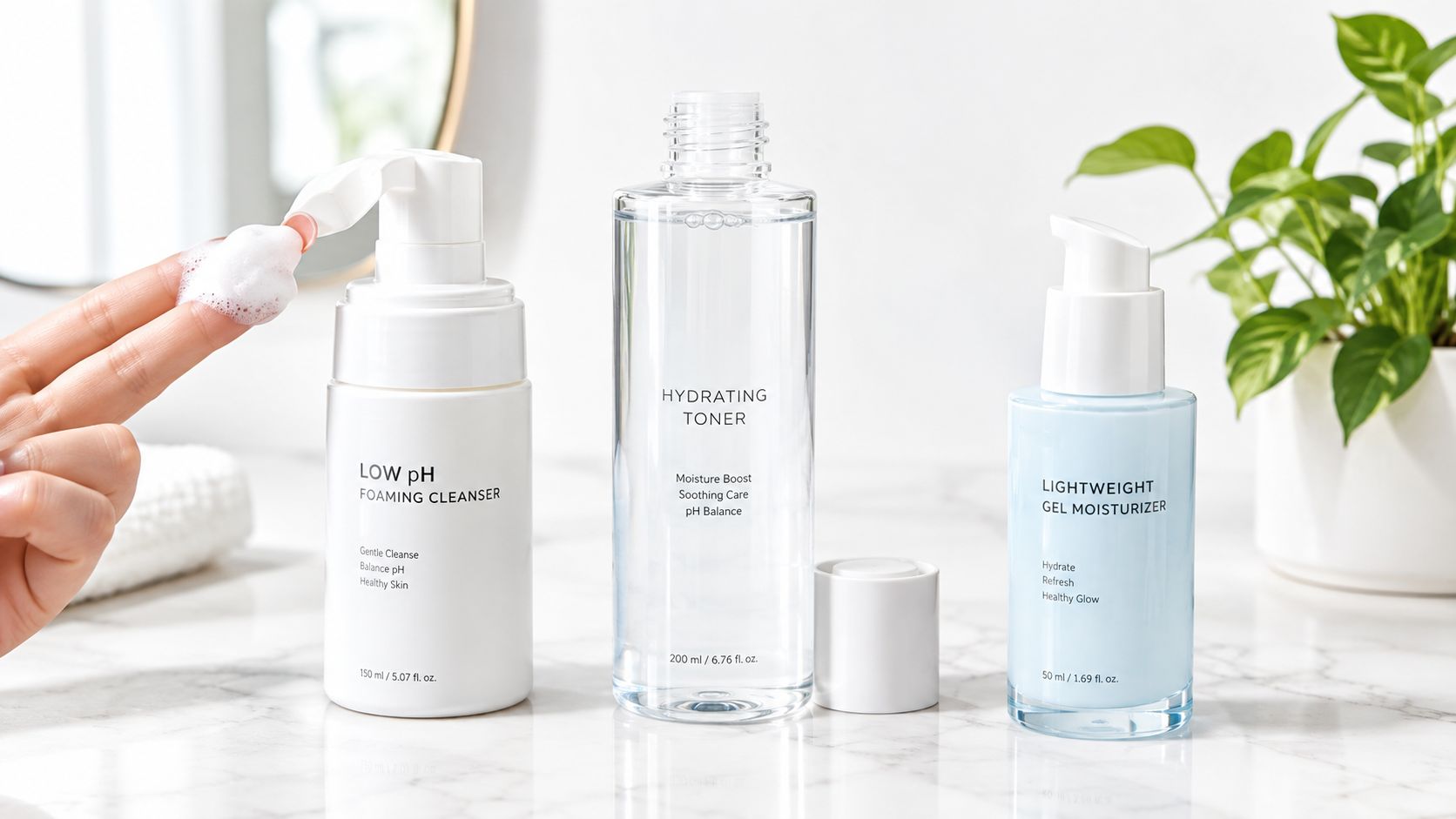
Use a low-pH foaming cleanser or a gel cleanser to lift overnight sebum without leaving your face tight. If you wake up feeling dry around the mouth but oily across the forehead, use a smaller amount and keep the water lukewarm.
A cleanser with salicylic acid can suit congested skin, but you don't need an exfoliating cleanser plus multiple leave-on acids every morning. Your first step should make the rest of the routine more comfortable, not create a stinging base.
Add hydration only if your skin wants it
A fragrance-free toner or essence can add water without heaviness. Apply it with your hands rather than soaking a cotton pad, and skip this step if your skin already feels hydrated or the product leaves residue.
Next, use one lightweight serum. Niacinamide is the most practical choice for visible shine and uneven-looking tone, while hyaluronic acid works better when dehydration is the main complaint. Don't layer several serums because they're watery. One focused formula is easier to assess and less likely to pill.
For a product category breakdown, compare drugstore moisturizers for oily skin before buying a heavy cream that sits on the T-zone.
Seal with gel moisturizer and sunscreen
Choose an oil-free gel cream or fluid moisturizer. Look for glycerin, hyaluronic acid, or niacinamide, and avoid rich balms if your skin feels congested easily. A gel-cream moisturizer under $15 is a sensible shelf category, especially when you're testing whether lighter hydration reduces the urge to over-cleanse.
Finish with broad-spectrum SPF. Oily-skin guidance commonly places daily sunscreen in the morning, often in the SPF 30 to 50 range, as summarized by Men's Health's oily-skin routine guidance. Pick a fluid or matte formula that sits well under makeup.
Skip thick creams, greasy facial oils, and any product that repeatedly causes congestion. Silicones aren't automatically bad, but if a silicone-rich primer consistently pills or feels occlusive on your skin, don't force it. The best morning routine is the one you can wear comfortably every day.
Your Evening Skincare Routine for Oily Skin
Night is when oily skin gets the most benefit from a deliberate routine. The priority is removing sunscreen and buildup without turning cleansing into a punishment.
Remove sunscreen before treating skin
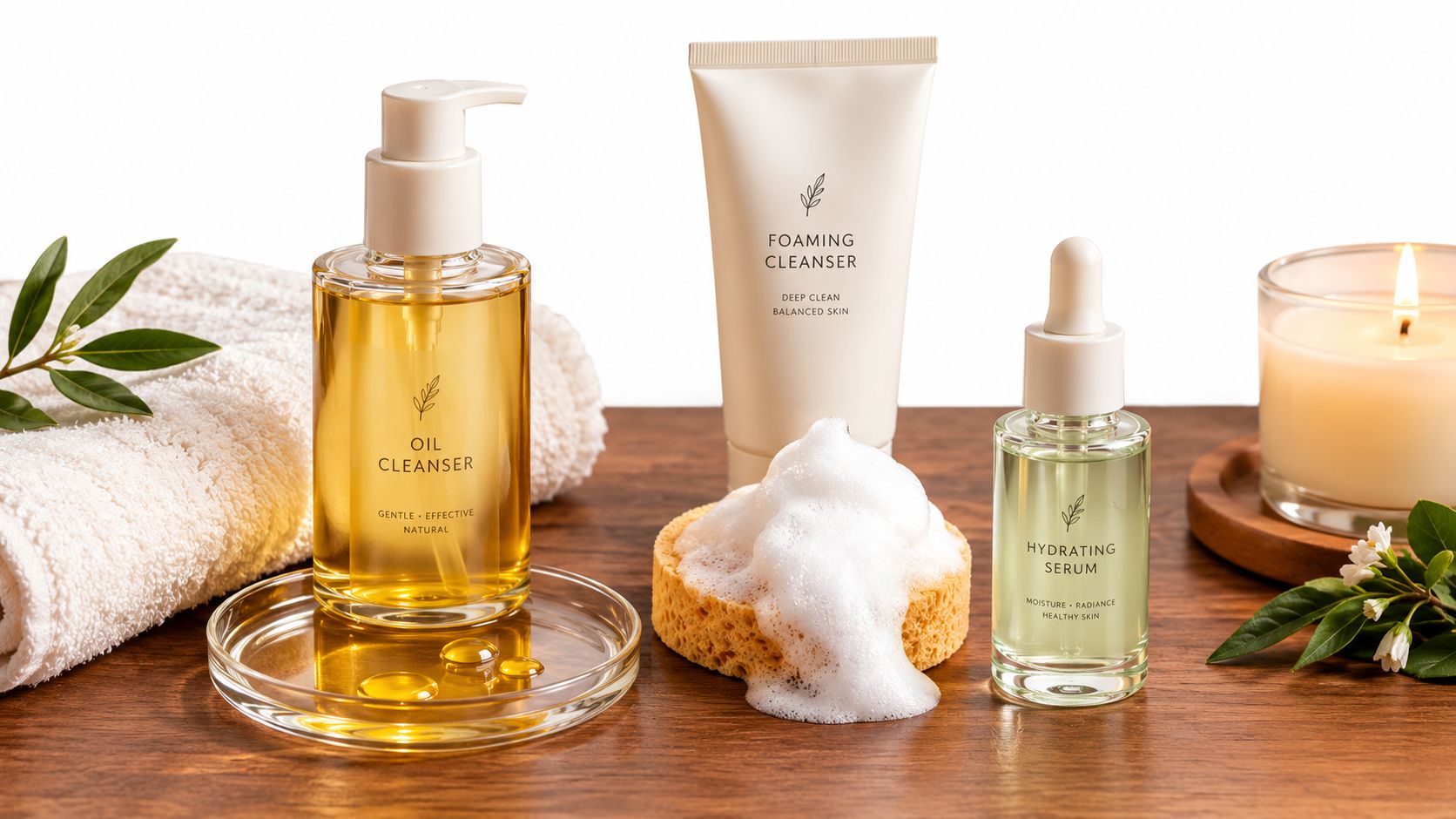
If you wore sunscreen or makeup, start with an oil cleanser or micellar water. Massage gently, rinse or remove it as directed, then follow with a water-based foaming cleanser on damp skin.
Double cleansing doesn't mean scrubbing twice. The first cleanser dissolves surface products, while the second removes what remains. If you wore nothing beyond a light daytime routine, one gentle cleanse may be enough.
Separate your active nights
Use a salicylic-acid treatment on exfoliation nights. A 1% to 2% BHA product is the useful range for pore congestion, and the practical frequency cue is three nights a week, not every night from day one.
On alternating nights, use a retinoid or retinaldehyde for texture and congestion. If you're new to retinoids, start at two nights weekly, then increase only when your skin remains comfortable. Apply treatment to freshly cleansed, dry skin, followed by moisturizer.
The clinical routine described in this study of a 2% salicylic-acid gel protocol placed the treatment after cleansing, with sunscreen following the morning application. The exact protocol isn't a reason to copy every detail blindly, but it reinforces the value of a simple order and a focused active.
Don't stack salicylic acid and retinoids on the same night. More treatment doesn't equal faster improvement when your barrier is irritated.
On treatment-off nights, use a hydrating serum with hyaluronic acid or polyglutamic acid, then apply a ceramide-rich gel moisturizer. If only your cheeks feel dry, use a small amount of an occlusive on those areas. Keep heavy occlusives away from the oily T-zone.
For another visual guide to the evening order, watch this routine demonstration after you've reviewed the cleansing and treatment sequence.
Best and Worst Ingredients for Oily Skin
The right ingredient depends on the signal your skin is giving you. Shine, clogged pores, post-blemish marks, and dehydration don't need identical treatment.
| Category | Ingredient | Target Range | What It Does |
|---|---|---|---|
| Pore care | Salicylic acid | 0.5% to 2% | Helps loosen oil and buildup inside pores |
| Shine support | Niacinamide | 2% to 5% | Supports a more balanced-looking complexion |
| Turnover | Retinoids | 0.025% to 0.1% retinol, 0.1% adapalene | Helps normalize cell turnover |
| Redness and marks | Azelaic acid | 10% | Helps calm the appearance of redness and uneven tone |
| Dehydration | Glycerin, hyaluronic acid | Formula dependent | Adds water without a rich oily finish |
Salicylic acid is the hero for clogged pores because it's oil-soluble. Leave-on formulas work best in an appropriately acidic environment, with salicylic acid commonly associated with a pH of 3 to 4. Use it when blackheads, rough texture, or congestion are the main problem, and don't confuse a stronger sensation with better performance.
Niacinamide fits shine, visible redness, and post-blemish marks. Guidance cited in clinical review data reports that consistent use can produce measurable sebum reduction within 2 to 4 weeks, and a 2% niacinamide formulation has been reported to reduce sebum excretion by up to about 50% in four weeks in cited studies, as discussed in this clinical review of niacinamide and sebum.
Retinoids suit recurring congestion and uneven texture. Azelaic acid is a useful option when redness and post-blemish discoloration sit alongside breakouts. Glycerin and hyaluronic acid help when oily skin also feels tight.
Layer water-based products first, then move from thinnest to thickest.
Be wary of denatured alcohol high on an ingredient list, harsh sulfates, fragrance, and essential oils if your skin is reactive. Heavy shea butter, coconut oil, or mineral-oil-rich products may feel too occlusive for some congested complexions, though the formula and your individual response matter more than a single ingredient in isolation. If you're pregnant or choosing a simpler acne routine, this resource on gentle acne care while pregnant offers useful context.
For shopping filters, use this guide to non-comedogenic products for oily skin.
9 Affordable Dupes for an Oily Skin Routine
These nine drugstore alternatives are organized by routine step, so you can replace one product instead of rebuilding everything at once. Availability can vary by store, but each pick is broadly sold in the US and is not a discontinued recommendation.
| Routine Step | Drugstore Dupe | Mirrors |
|---|---|---|
| Morning moisturizer | Byoma Moisturizing Gel Cream | Lightweight luxury gel moisturizer |
| Morning SPF | Australian Gold Botanical SPF 50 Tinted Face | High-end mattifying sunscreen |
| Makeup finishing | Milani Make It Last Matte | Shine-control setting spray |
| Evening cleanser | CeraVe Acne Control Cleanser | Cult BHA wash |
| Evening toner | Heritage Store Rosewater Toner, fragrance-free version | Hydrating Asian beauty toner |
| Evening serum | The Ordinary Granactive Retinoid 2% Emulsion | Prestige retinoid serum |
| Treatment cream | The Ordinary Azelaic Acid Suspension 10% | Prescription-style azelaic treatment |
| Leave-on exfoliant | Naturium BHA Liquid Exfoliant 2% | Cult classic BHA liquid |
| Treatment-off moisturizer | Versed Dew Point Moisturizing Gel Cream | Silicone-free gel moisturizer |
Morning swaps
1. Byoma Moisturizing Gel Cream
This is the easiest luxury-gel substitute for oily skin because the texture is light, cushiony, and comfortable under sunscreen. It's best for skin that feels slick but still tight after cleansing. Use a modest layer rather than treating gel texture as permission to apply endlessly.
2. Australian Gold Botanical SPF 50 Tinted Face
This mineral sunscreen has a more matte, makeup-friendly finish than many creamy facial SPFs. The tint can help reduce visible cast, though shade matching matters. It's a strong choice for people who want sunscreen to double as a light complexion product.
3. Milani Make It Last Matte
Use this as the final makeup step when foundation slips around the nose and forehead. It adds shine control without requiring another layer of heavy powder. For primer comparisons, browse this guide to a drugstore primer for oily skin.
Evening swaps
4. CeraVe Acne Control Cleanser
This foaming cleanser is a practical stand-in for a cult BHA wash. It suits oily, congested skin, but remember that it still counts as an active product. If you're using a leave-on BHA or retinoid that night, choose a gentler cleanser instead.
5. Heritage Store Rosewater Toner, fragrance-free version
A fragrance-free hydrating toner can replace the watery comfort of an Asian beauty staple without adding a dense layer. Pat it on after cleansing, or skip it when your moisturizer already provides enough hydration.
6. The Ordinary Granactive Retinoid 2% Emulsion
This lightweight emulsion offers a budget entry point for people who want a retinoid-style evening treatment. Start slowly, avoid pairing it with BHA on the same night, and moisturize afterward.
Treatment swaps
7. The Ordinary Azelaic Acid Suspension 10%
This is the pick for redness and post-blemish marks when you don't want a complicated routine. The silicone-like texture can pill if you layer too much, so apply a thin amount to dry skin and let it settle.
8. Naturium BHA Liquid Exfoliant 2%
This is a sensible alternative to a cult classic exfoliating liquid. Use it on designated BHA nights, not as an impulse swipe every time your pores look visible.
9. Versed Dew Point Moisturizing Gel Cream
This silicone-free gel moisturizer works well on treatment-off nights when you want hydration without a slugging effect. It's especially useful for combination skin that needs comfort on the cheeks but dislikes a heavy T-zone finish.
Prices reflect typical drugstore shelf rates and can change by retailer. The most versatile budget pick is Byoma Moisturizing Gel Cream, because it supports the routine without adding another strong active.
Common Mistakes That Make Oily Skin Worse
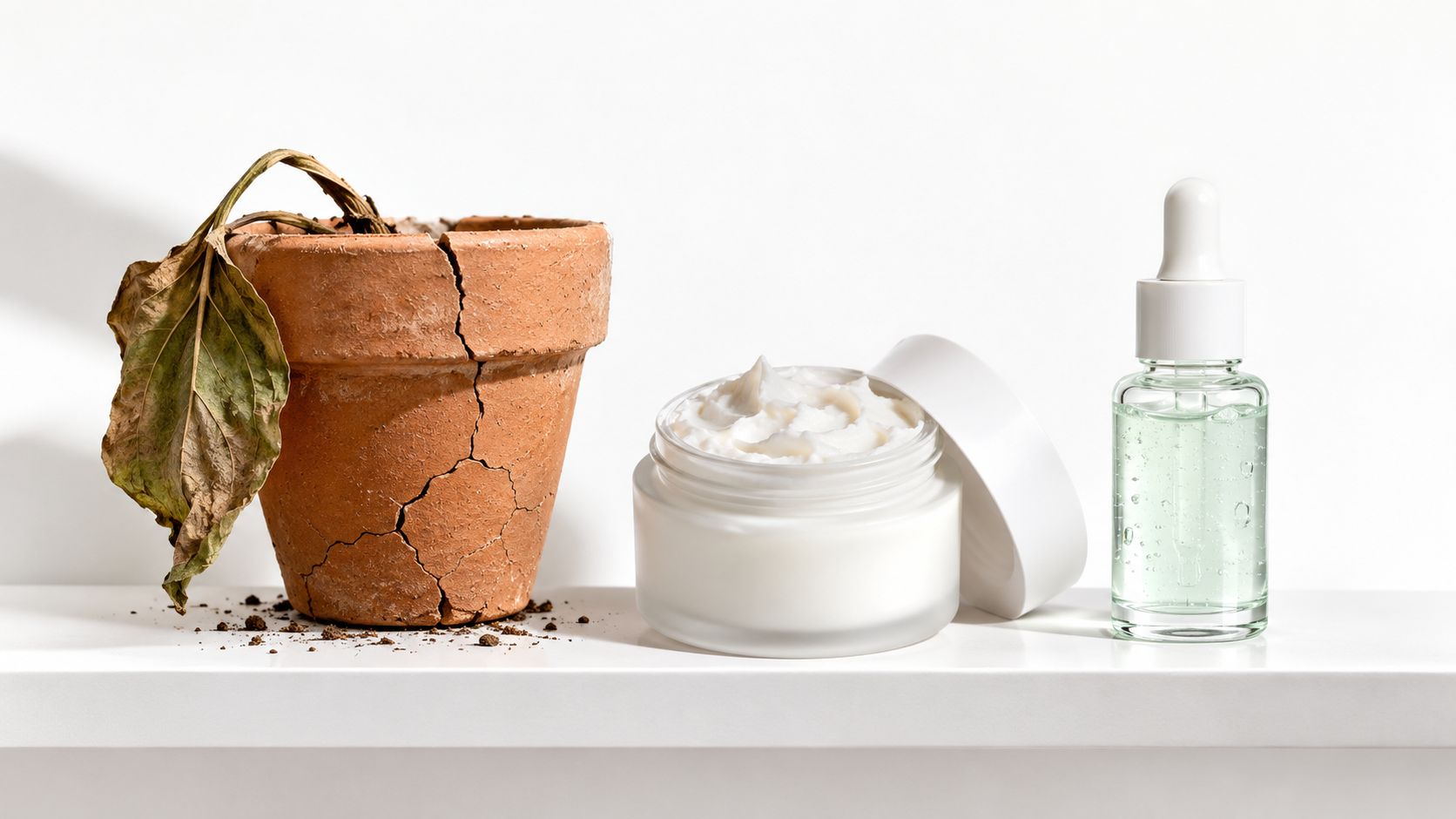
The biggest oily-skin mistake is skipping moisturizer because your face already feels slick. That choice can leave the barrier under-supported, especially when you're also using exfoliating or acne-targeting products. A lightweight gel or fluid with glycerin, hyaluronic acid, or ceramides gives skin water and support without the weight of a balm.
Make these swaps
- Replace aggressive cleansing: Use a gentle cleanser twice daily and after sweating instead of scrubbing until your skin squeaks.
- Replace active overload: Choose salicylic acid or a retinoid for a given night, not every treatment at once.
- Replace drying matte products: Look for shine control that doesn't rely on a harsh, alcohol-heavy formula.
- Replace skipped SPF: Use a lightweight mineral or fluid sunscreen and reapply when needed.
Over-cleansing is especially counterproductive. Guidance for facial seborrhea emphasizes gentle cleansing twice daily and notes that evidence for many skincare products in acne remains limited, so adding more products can create irritation without solving the original issue.
The same logic applies to primers. A denatured-alcohol-heavy mattifying primer may feel weightless at first, but if it leaves your skin tight, it's a poor foundation for a daily routine. Blotting papers, a thin gel moisturizer, and a compatible sunscreen usually create a more stable base.
Oily Skin Routine FAQ
How often should oily skin be washed?
Wash your face twice daily with a gentle gel or low-pH foaming cleanser. That timing removes overnight and daytime buildup without turning every shiny moment into a cleansing emergency.
After sweating, cleanse or rinse as soon as practical. If you need a midday refresh, micellar water followed by a rinse can work, but don't keep washing repeatedly because your skin looks glossy. A clean, soft towel is better than rubbing with a rough cloth.
Can moisturizer be skipped?
No. Choose a gel cream or fluid moisturizer with humectants such as glycerin or hyaluronic acid, and avoid heavy butters or occlusive balms across the entire face.
Oily skin can still be dehydrated. The comfortable middle ground is a thin layer that disappears into the skin, followed by sunscreen in the morning. If your cheeks need more support than your T-zone, apply moisturizer selectively rather than using one rich formula everywhere.
What's the fastest fix for daytime shine?
Use blotting papers before reaching for more powder. Press, don't drag, the paper over the forehead, nose, and chin, then touch up only where makeup has moved.
A matte sunscreen can make reapplication easier, but don't pile a thick layer of mattifying primer over existing sunscreen. That combination often separates and emphasizes texture. A light powder touch-up after blotting is cleaner and more predictable.
When should a retinoid or exfoliating acid be added?
Add one active at a time, starting two to three nights per week. For BHA, reserve it for planned exfoliation nights. For retinoids, begin with fewer nights if your skin is sensitive, and buffer with moisturizer if irritation appears.
Stop active treatments temporarily when your skin feels tight, stings during cleansing, or develops persistent peeling. Don't combine salicylic acid, retinoids, and an AHA in one evening. The fastest route to consistency is giving your barrier enough time to tolerate the product.
Which dupe should you buy first?
Choose Byoma Moisturizing Gel Cream as the most versatile starting point. It's difficult to misuse compared with a strong exfoliant, and it addresses the common oily-skin mistake of treating hydration as the enemy.
Your full flow is simple: gentle cleanse, optional lightweight toner or essence, targeted serum, oil-free moisturizer, and daily SPF in the morning. At night, remove sunscreen, cleanse, use a single active on selected nights, and finish with a barrier-supportive moisturizer. Consistency beats chasing a crowded six-step routine, and oil control takes patient adjustment rather than aggressive stripping.
Start with the moisturizer and cleanser, add only one treatment, and track how your skin behaves for four to six weeks before changing another variable. Visit Finding Favourites to compare affordable skincare alternatives and find drugstore swaps that fit your oily-skin routine without paying luxury prices.