
Boost Your Barrier with Beta Glucan Skin Care Products
You buy a moisturizer because the reviews say it's “barrier repairing,” then your skin still feels tight by lunch. You try a richer cream, then a calming serum, then a hyped luxury product that costs more than your weekly grocery run. If your skin is stuck in that cycle of dryness, redness, irritation, or early fine lines, beta glucan skin care products are worth a closer look, especially if you want smart results without overspending.
This post may contain affiliate links, which means I may receive a commission if you purchase through my links, at no extra cost to you. Please read the disclosure policy for more information.
Introduction to Beta Glucan Benefits
A lot of people reach beta glucan after they've already tried the usual fixes. Their skin feels reactive, makeup clings to dry patches, and every “gentle” product somehow still stings. That's often when barrier support becomes more important than chasing the next trendy active.
Beta glucan stands out because it doesn't just sit on skin like a basic cushion. It can help calm stressed skin, support moisture retention, and improve how skin recovers over time. That's one reason more clinics and skin-focused practices keep talking about barrier-first routines. If you're comparing treatment-friendly product categories, the overview of Athena Plastic Surgery skin care is a useful example of how professionals frame supportive skin maintenance around recovery and resilience.
If your budget is tight, that doesn't mean you're locked out of effective formulas. There are affordable ways to build a routine around this ingredient, especially if you already shop practical guides like affordable skincare for sensitive skin. The core insight is understanding what beta glucan is doing, how to spot it on labels, and which products give you the most value instead of the fanciest packaging.
Understanding Beta Glucan Structure
Beta glucan is a polysaccharide, meaning a long chain of sugar units linked together. That sounds more technical than it is. On skin, the practical takeaway is simple. Its shape helps it do two jobs at once: hold water near the surface and interact with parts of the skin that recognize it as more than a basic moisturizer.
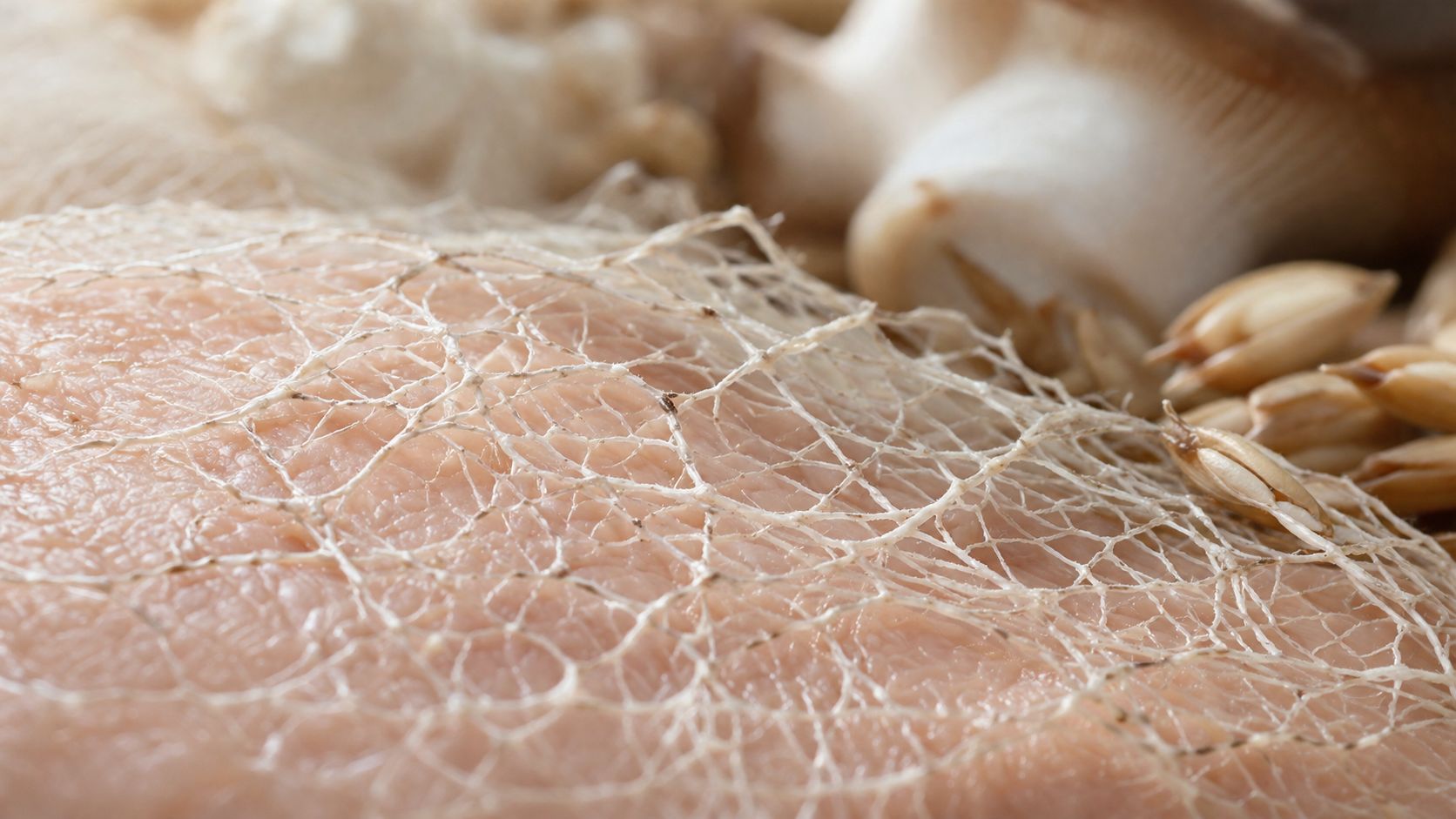
Where beta glucan comes from
In skin care, beta glucan usually comes from oats, yeast, or mushrooms.
- Oat beta glucan is common in products aimed at dry or easily irritated skin
- Yeast-derived beta glucan often shows up in lab-made or fermentation-focused formulas
- Mushroom beta glucan appears in some treatment serums and barrier creams
For shoppers, the source is only part of the story. Two products can both say “beta glucan” on the label and still feel very different because extraction method, molecular size, and the surrounding formula all change how the ingredient behaves.
Why structure changes performance
The part many articles skip is that beta glucan is not one identical blob. Its branching pattern and molecular weight affect where it sits and how it feels.
A larger molecule tends to stay closer to the surface, where it helps form a light, comfortable film that reduces water loss. A smaller molecule can work more closely within the upper layers of the skin, which may change how soothing or cushioning the formula feels in daily use.
A simple comparison helps here. Hyaluronic acid mainly acts like a water catcher. Beta glucan can also support hydration, but its structure gives it a more active relationship with the skin barrier.
Research reviews on topical beta-glucans describe effective cosmetic use at relatively low levels, with many formulas built around fractions of a percent up to a few percent depending on the source and intended texture, as discussed in a review published by the National Center for Biotechnology Information. For budget shoppers, that matters because a product does not need a huge percentage claim to be worth trying. A well-formulated serum with beta glucan placed high enough on the ingredient list can still be useful.
Why beta glucan feels different from other hydrators
Beta glucan stands out because skin has receptors that can recognize it, including Dectin-1 and some toll-like receptors. If that sounds abstract, here is the easier version. Your skin has tiny “doorbells” on certain cells. Beta glucan can press some of those doorbells, which helps explain why it is often discussed as a barrier-support ingredient instead of a simple moisture booster.
That receptor-driven behavior is the distinct part. It is one reason people with over-exfoliated, sting-prone, or treatment-stressed skin often notice that beta glucan products feel different from standard hydrating gels or creams.
Proven Benefits and Mechanism of Action
Beta glucan earns its place in skin care because it can do two jobs at once. On the surface, it helps skin feel more comfortable and hydrated. Under the surface, it can interact with skin receptors that are involved in repair and defense, which is the part many product pages skip.
What clinical results show
Human research on topical beta glucan is not huge, but it is stronger than many shoppers expect. A review in the journal Molecules describes topical beta-glucans as film-forming polysaccharides that can support wound healing, barrier recovery, and anti-aging effects, including improved skin smoothness and reduced visible roughness in cosmetic use, according to the peer-reviewed review on beta-glucan and cosmetic applications.
A separate overview from Personal Care Magazine's beta-glucan ingredient article explains why brands keep returning to this ingredient for dry, reactive, or mature skin. The practical point for readers on a budget is simple. Beta glucan is not only a temporary “soft skin” ingredient. It is used because it can support comfort, visible texture, and recovery at the same time.
That matters if you are comparing one soothing serum to another and wondering why two products with similar claims do not feel interchangeable.
How the mechanism actually works
Beta glucan's distinct angle is receptor activity. Skin cells can recognize certain beta-glucan structures through receptors such as Dectin-1, along with other immune-related signaling pathways described in Lidsen's review of β-1,3/1,6-glucan. In plain English, some ingredients mostly sit on the skin or pull in water. Beta glucan can also send a “repair and reinforce” message after skin recognizes it.
The cell types involved are worth knowing because they explain the practical results:
- Keratinocytes help organize the outer barrier
- Fibroblasts are tied to structural support in the skin
- Receptor signaling can influence how skin responds to stress, irritation, and recovery
That receptor-driven behavior is the detail many competing guides leave out. It also helps explain why beta glucan can overlap with ingredients like ceramides, niacinamide, and glycerin without doing the exact same job as any of them.
If you already know how to read a barrier-support formula like this breakdown of CeraVe PM lotion ingredients, beta glucan makes more sense as a complementary ingredient rather than a replacement. Ceramides supply barrier materials. Beta glucan helps cue some of the skin responses that make those materials more useful.
A broader ingredient philosophy helps here too. Momotaro Apotheca's clean beauty philosophy focuses on practical formulation choices over empty marketing labels, and beta glucan fits that kind of thinking well. It is popular because it has a plausible mechanism, not because it sounds trendy.
Here's a quick visual primer before the practical takeaway below.
What that means for everyday skin concerns
For someone with over-exfoliated skin, post-retinoid tightness, or redness that lingers after cleansing, beta glucan is appealing because one ingredient can address several complaints at once.
- Dryness: it forms a moisture-supporting film and helps reduce that papery, pulled feeling
- Sensitivity: receptor activity and barrier support help explain why skin may feel calmer over time
- Texture and fine lines: smoother, better-hydrated skin usually looks less rough and creased
- Recovery after stress: it is often used in formulas meant for skin that has been pushed too hard by acids, retinoids, weather, or over-cleansing
The category is growing fast enough that market researchers now track it separately. Analysts at Market Intelo's beta-glucan skincare market report describe beta glucan as a fast-expanding segment rather than a niche add-on ingredient. Market growth does not prove a serum will work for your skin, but it does show that formulators see repeat value in it.
For a budget shopper, the takeaway is practical. Beta glucan is most interesting when you want one affordable product to cover hydration, comfort, and barrier support together, especially if your skin reacts badly to harsher “active” routines.
Safety Label Reading and Concentration Guidelines
You are standing in the skincare aisle with two serums in hand. Both say "barrier support." One says beta glucan on the front. The other hides it in the ingredient list. The useful question is not which label sounds calmer. It is whether the formula gives beta glucan enough room to do its job.
Beta glucan can work at low levels, but amount still matters because its benefits depend on skin contact and formula design. Since this ingredient helps by interacting with skin receptors rather than only sitting on the surface like a basic humectant, a trace amount may look good in marketing copy without giving the same practical payoff.
Names you may see on labels
Start by scanning for these ingredient names:
- Beta-Glucan
- Oat Beta-Glucan
- β-Glucan
- CM-Glucan
- Saccharomyces Beta-Glucan
Placement matters, but context matters too. Ingredients near the top of the INCI list are usually present in larger amounts, while ingredients near the bottom are often included at smaller levels. If beta glucan appears near the end, read that as a clue, not a verdict. A well-built formula can still be worthwhile if it combines beta glucan with glycerin, panthenol, ceramides, or soothing oat compounds.
What concentration range makes sense
For leave-on products, about 0.5% to 2% is a practical range to look for when a brand discloses percentages. That range lines up with published cosmetic use levels discussed in SpecialChem's beta-glucan ingredient overview. Some formulas go higher, but higher is not automatically better. Past a certain point, texture, stickiness, and formula balance start to matter more than chasing a bigger number on the box.
Here is the budget-shopper rule. If a brand tells you the exact beta glucan percentage, explains the source, and shows what supports it in the rest of the formula, that is usually more helpful than vague phrases like "skin recovery complex."
A simple shortcut helps. If the product is built around beta glucan, it will usually appear high enough on the list to be easy to spot, and the brand will often mention a percentage. If the brand highlights it heavily but gives no amount and places it among a long tail of extracts, set your expectations lower.
Is it safe for sensitive skin?
Beta glucan generally has a strong reputation for tolerability, which is one reason it shows up so often in products for reactive, dry, or overtreated skin. The practical caveat is that your skin reacts to the whole formula, not the hero ingredient alone. Fragrance, essential oils, strong acids, and certain preservatives can turn an otherwise calming product into a bad fit.
That is why label reading should go one step wider than "Does it contain beta glucan?" Ask, "What is beta glucan surrounded by?" A serum with beta glucan plus humectants and barrier lipids is often a safer bet than a serum with beta glucan plus a long list of potential irritants. If you want a reference point for that kind of comparison, this breakdown of CeraVe PM Lotion ingredients makes it easier to see how barrier-supporting ingredients work together in a real formula.
Patch testing still makes sense, especially if your skin stings easily or you are already using retinoids, exfoliating acids, or benzoyl peroxide.
If brand philosophy matters to you, Momotaro Apotheca's clean beauty philosophy is a grounded read. It focuses on ingredient choices without turning every skincare decision into a fear-based one.
Incorporating Beta Glucan into Your Routine
Your skin feels tight after cleansing, your usual active stings, and every product starts to seem like either too much or not enough. That is usually the point where beta glucan fits best. It works less like a stand-alone fix and more like a support layer that helps the rest of your routine feel less stressful.
The practical mistake is expecting beta glucan to do every barrier job by itself. Beta glucan has its own receptor-driven role, which is different from what ceramides, niacinamide, or petrolatum do. In plain terms, it sends a “repair mode” signal, while other ingredients supply building blocks, water, or a protective seal. Budget shoppers can use that difference to avoid overpaying for one product that promises everything.
A simple morning routine
For many skin types, this order is easy to follow and easy to budget:
Gentle cleanser
If your face already feels dry in the morning, even a splash of water may be enough.Beta glucan serum or essence
Apply a thin layer to slightly damp skin. This helps it spread evenly and keeps the routine light.Moisturizer with ceramides or niacinamide
Layering makes particular sense here. Beta glucan helps support the skin's recovery response, while the moisturizer helps reduce water loss and adds barrier support.Sunscreen
Calm skin still needs protection. Daily UV exposure can keep irritation hanging around longer than you expect.
A useful concentration range for leave-on products is often around 0.1% to 1% beta glucan, with many well-formulated products falling near the lower to middle part of that range. If a brand does disclose the percentage, you do not need a huge number for the ingredient to be worthwhile. Placement in the formula and the rest of the ingredient list matter too.
A calming night routine
Night routines often go off track because people stack treatment after treatment and hope a soothing serum will cancel out the irritation. Skin rarely works that way.
A steadier routine looks like this:
- Cleanse gently
- Apply beta glucan
- Use your treatment step only if your skin feels stable
- Seal with a cream if you need more comfort
If you use retinoids or exfoliating acids, beta glucan often works well on the nights when your skin needs support, or before moisturizer as a cushion step. It is the routine equivalent of putting on a soft base layer before a rougher sweater. You still feel the sweater, but it is easier to tolerate.
If your skin is irritated, keep the routine boring for a few days. A simple routine repeated consistently usually does more than a crowded shelf.
Adjustments by skin type
Skin type changes the texture you choose more than the logic behind the routine.
Oily or combination skin
Start with a light serum or gel-cream. You want hydration and comfort without a heavy finish.Dry skin
Layer a beta glucan serum under a richer cream. This gives you both water-binding support and a better seal on top.Mature skin
Pair beta glucan with peptides, ceramides, and sunscreen. That combination supports comfort and helps skin look less worn down.Reactive skin
Keep the product count low. Beta glucan can sit in the middle of a simple routine while you pause stronger actives.
When it makes the most sense
Beta glucan is especially useful when skin is recovering from too much exfoliation, cold weather, travel, or a treatment that left it feeling thin and cranky. In those moments, the goal is not chasing dramatic results overnight. The goal is giving skin fewer obstacles.
Some people also like to support skin health more broadly with lifestyle and supplement information such as ProMD Health Bel Air skincare support. For the routine itself, start simple and spend where it counts. A well-priced beta glucan serum under a basic moisturizer often makes more sense than buying an expensive “barrier recovery” cream with a long list of extras you may not need.
If you want help with product order, this guide on how to build a skincare routine gives a clear layering framework.
Spotting and Pairing Beta Glucan on Labels
Not every beta glucan product announces itself clearly. Sometimes you'll see a bold “beta glucan cream” on the front. Other times the clue is buried in small print, or the ingredient appears as part of a larger soothing complex.
Common label clues
Look for naming variations such as Beta-Glucan, Oat Beta-Glucan, or Saccharomyces Beta-Glucan. If a supplier-derived name like CM-Glucan appears, that can still signal a meaningful beta glucan derivative.
You can also learn a lot from what sits nearby in the ingredient list. Beta glucan often appears beside:
- Ceramides for barrier support
- Niacinamide for resilience and tone balance
- Panthenol for comfort
- Peptides for a more repair-focused formula
- Antioxidants for added support against daily stress
What to pair carefully
Beta glucan is easy to layer, but context matters. If your skin is already irritated, don't combine it right away with a strong peeling acid and expect it to cancel out the sting. It's supportive, not magic.
A good rule is to pair it with ingredients that support recovery, then introduce more aggressive actives only when your skin is steady.
| Product | Source | Approx Price |
|---|---|---|
| The Ordinary Natural Moisturizing Factors + Beta Glucan | Oat-derived beta glucan blend | Under $20 |
| iUNIK Beta-Glucan Power Moisture Serum | Beta glucan focused serum | Under $20 |
| iUNIK Beta-Glucan Daily Moisture Cream | Beta glucan focused cream | Under $20 |
| PURITO Mighty Bamboo Panthenol Cream | Includes beta glucan with barrier support ingredients | Under $20 |
| SKIN1004 Madagascar Centella Hyalu-Cica Sleeping Pack | Includes beta glucan in a soothing overnight format | Under $20 |
The best budget buys usually aren't the loudest. They're the ones with a clear ingredient story, a sensible texture, and a formula you'll actually use every day.
5 Budget-Friendly Beta Glucan Dupes
If you want the comfort-first feel of pricier barrier products without paying prestige prices, these are the most practical beta glucan dupes to start with. All are widely available in the US and currently sold through major retailers or brand storefronts.
Comparison of 5 Beta Glucan Budget Dupes
| Product | Source | Approx Price |
|---|---|---|
| The Ordinary Natural Moisturizing Factors + Beta Glucan | Beta glucan moisturizer | Under $20 |
| iUNIK Beta-Glucan Power Moisture Serum | Beta glucan serum | Under $20 |
| iUNIK Beta-Glucan Daily Moisture Cream | Beta glucan cream | Under $20 |
| PURITO Mighty Bamboo Panthenol Cream | Beta glucan barrier cream | Under $20 |
| SKIN1004 Madagascar Centella Hyalu-Cica Sleeping Pack | Beta glucan overnight treatment | Under $20 |
Here's how they compare in real-life use.
The Ordinary Natural Moisturizing Factors + Beta Glucan
This is the easiest entry point for most shoppers. It feels light, layers well under sunscreen, and suits people who want an everyday moisturizer rather than a dedicated treatment serum. Best for combination, normal, and mildly dehydrated skin.iUNIK Beta-Glucan Power Moisture Serum
This is the pick for people who want beta glucan in a more concentrated-feeling format. It works well if your current moisturizer is fine but you need a calming hydration step underneath. Dry and easily irritated skin usually gets the most from this style.iUNIK Beta-Glucan Daily Moisture Cream
Think of this as the more cocooning companion to the serum. It's a better fit for colder weather, nighttime use, or skin that never seems fully comfortable with gel moisturizers.PURITO Mighty Bamboo Panthenol Cream
This one makes sense if your barrier feels compromised and you want a formula that leans into comfort. The texture is creamier, and the formula design suits people who like a quiet, recovery-focused routine.SKIN1004 Madagascar Centella Hyalu-Cica Sleeping Pack
If your skin gets tight overnight, this is the sleeper pick. It's useful as a final step when you want a soothing layer without committing to a heavy balm.
Which dupe is the best overall
For most readers, The Ordinary Natural Moisturizing Factors + Beta Glucan is the best starting point. It's easy to find, inexpensive, simple to layer, and practical for both beginners and experienced skin care users. If your skin is much drier or more sensitized, the iUNIK Beta-Glucan Power Moisture Serum may feel more targeted.
FAQ on Beta Glucan Use
Can you use beta glucan with retinol
Yes, usually very well. Beta glucan is one of the more logical ingredients to pair with retinol because it supports comfort and helps your skin feel less stripped. If your retinol routine already causes flaking or stinging, apply beta glucan before or after it depending on the texture and your tolerance.
How soon will you see results
Some people notice softer, calmer skin fairly quickly. Clinical reporting discussed in the broader beta glucan literature notes visible changes can appear within days, while more meaningful improvements in texture and wrinkle appearance usually take consistent use over several weeks. In other words, don't judge it after two uses.
Is beta glucan safe during pregnancy
Topical beta glucan is generally considered a gentle, supportive ingredient rather than a high-risk active. Still, pregnancy is one of those times when it makes sense to check the full formula, not just one ingredient. If a product also contains retinoids, strong acids, or prescription-level actives, ask your clinician.
Will beta glucan stain clothing or pillowcases
Most beta glucan products won't stain fabric on their own. The bigger issue is texture. A richer cream or sleeping pack can transfer if you apply too much and lie down right away. Give it a few minutes to settle, especially with overnight products.
Conclusion and Top Dupe Recommendation
Beta glucan skin care products deserve the attention they're getting because they do more than add temporary moisture. Their standout quality is that receptor-driven barrier support, which helps explain why they're so useful for dryness, sensitivity, and early texture changes. If you want one affordable place to start, The Ordinary Natural Moisturizing Factors + Beta Glucan is the best overall dupe given its broad appeal because it's accessible, budget-friendly, and easy to use in almost any routine. Start simple, stay consistent, and let your skin calm down before you chase stronger actives.
If you love finding smart beauty buys without luxury markups, explore Finding Favourites for more affordable skincare, makeup, and fragrance dupes that make shopping easier and cheaper.