What Type of Fragrance Lasts the Longest
Parfum or extrait de parfum is the longest-lasting standard fragrance type, typically lasting 8–12+ hours, while the longest-lasting compositions usually rely on heavy base notes such as oud, amber, woods, musk, vanilla, and leather. If your fragrance disappears before lunch, the bottle may be fresh and bright rather than poorly made.
You spray generously before work, enjoy a sparkling opening on the commute, and then wonder where it went during the early-afternoon meeting. The answer usually comes down to two separate questions: how concentrated is the fragrance, and what materials build its dry-down?
Why Your Scent Disappears by Lunch
A fragrance can fade quickly because it contains a lighter concentration, fast-evaporating notes, or both. Eau de Toilette, for example, is commonly formulated with about 5–15% fragrance oil and typically lasts around 3–5 hours, while Eau de Parfum commonly contains 15–20% and often lasts 6–8 hours according to Goldfield & Banks' fragrance longevity guide.
At the top of the longevity ladder, Parfum and Extrait de Parfum carry a much heavier aromatic load. Extrait de Parfum typically contains about 20–40% aromatic compounds, and sources commonly place its wear time around 8–24 hours on skin, with traces sometimes remaining on fabric for days, as explained by Osmetheca's concentration guide.
The second factor is the structure of the scent. Citrus, aquatic accords, and other bright opening notes make a fragrance feel energetic immediately, but they're also volatile. Oud, amber, woods, musk, vanilla, patchouli, resins, and leather create a denser foundation that tends to remain detectable much longer. That's why a lower-concentration woody fragrance can outperform a higher-concentration fresh one in real life, a distinction also highlighted in Ulta's guide to long-lasting perfumes.
This post may contain affiliate links, which means I may receive a commission if you purchase through my links, at no extra cost to you. Please read the disclosure policy for more information.
The practical fix is simple. Start by choosing the strongest concentration that suits your budget and tolerance, then look for a composition with substantial base notes. Concentration gives you the potential for longer wear, but the formula determines whether that potential shows up on your skin.
Fragrance Concentrations Ranked by Longevity
Here's the clearest ranking. These ranges are typical rather than guaranteed, since formula balance, skin, climate, and application can change the result.
The longevity ladder
| Concentration | Oil % Range | Average Wear Time |
|---|---|---|
| Parfum or Extrait | 20–40% | 8–12+ hours |
| Eau de Parfum | 15–20% | 6–8 hours |
| Eau de Toilette | 5–15% | 3–5 hours |
| Eau de Cologne | 2–5% | About 1–3 hours |
1. Parfum or Extrait de Parfum sits at the top. It uses the highest standard concentration and generally places more emphasis on rich heart and base materials. Vevien's concentration comparison also presents parfum or extrait as the longest-lasting category, with typical wear ranging from 6–8 hours to 12+ hours.
2. Eau de Parfum is the best all-rounder for most shoppers. It offers noticeable longevity without always feeling as dense or expensive as an extrait. If you want one bottle for work, evenings, and regular wear, EDP is usually the sensible starting point.
3. Eau de Toilette works well when you want brightness, easy projection, or a lighter feel. It may need reapplication, especially if the formula leans heavily on citrus, green, or aquatic notes.
4. Eau de Cologne is the freshest and shortest-lived option in this ranking. It's excellent for a clean reset, hot weather, or layering, but it isn't the right choice if your priority is all-day persistence.
Concentration matters, but it's not an automatic guarantee. A thoughtfully built EDP can outlast a weak extrait if its materials and fixatives are better balanced. For a useful explanation of related product formulas and why ingredient choices matter beyond scent alone, see Evo Dyne Products' cleaner facts. You can also compare the practical differences between EDT and EDP in this guide to the difference between Eau de Parfum and Eau de Toilette.
Why Base Notes Outlast Top Notes
Perfume unfolds in stages, and each stage has a different job.
The opening is designed to move
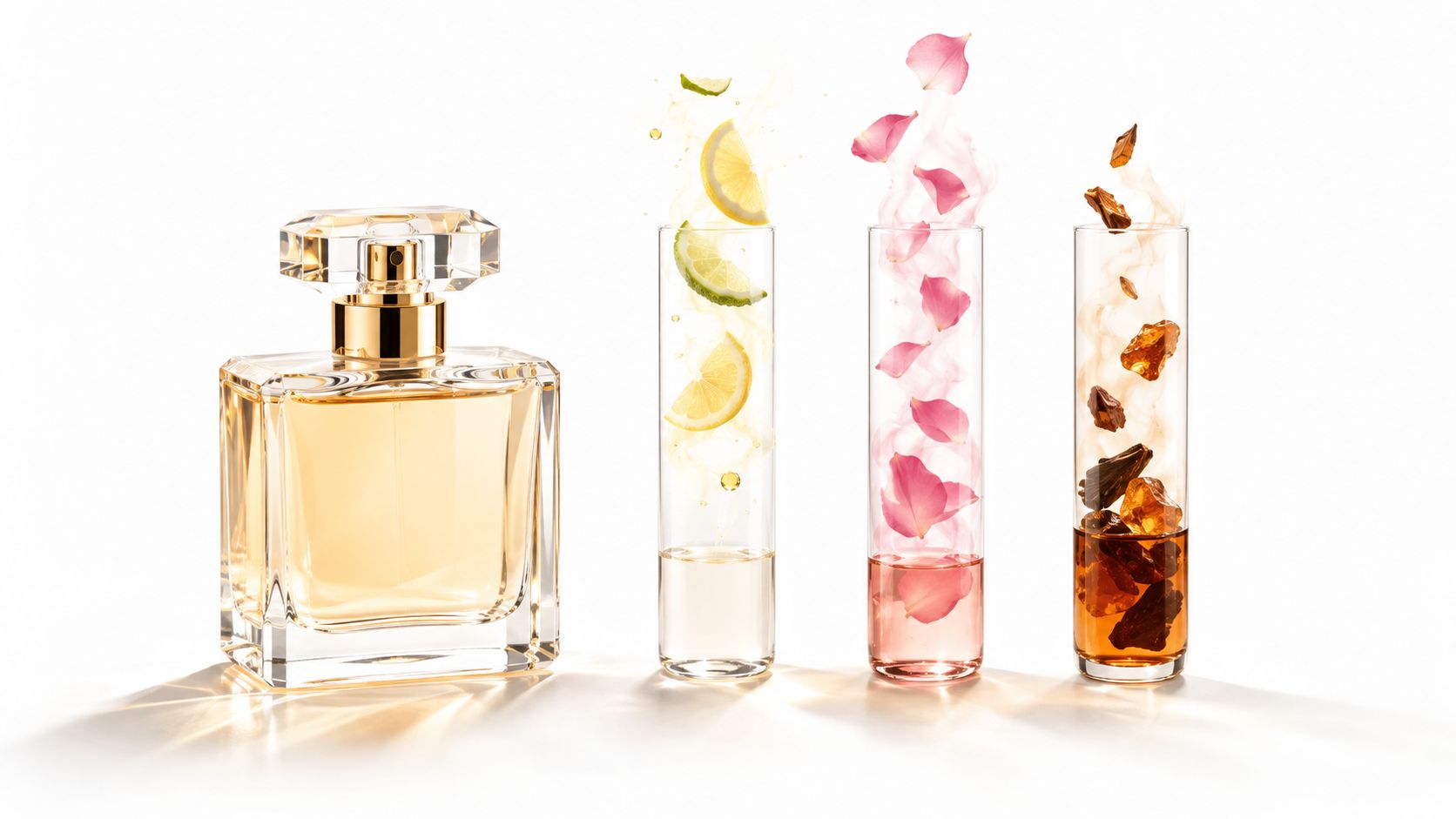
Top notes create the first impression. Bergamot, lemon, mandarin, sea salt, and other fresh materials feel vivid because they evaporate readily. They can produce impressive initial projection, but that brightness often drops away quickly.
Heart notes form the middle of the fragrance. Rose, jasmine, lavender, herbs, and spices connect the opening to the dry-down. They're more persistent than most top notes, but they still don't usually provide the same staying power as a dense base.
Base notes do the anchoring. Oud, amber, vanilla, patchouli, musk, leather, woods, and resins use heavier, slower-evaporating materials that cling to skin and clothing. They may not shout from across a room, but they can remain close to the body long after the dramatic opening has disappeared.
Projection isn't the same as longevity
This distinction saves people from buying the wrong fragrance. Projection describes how far the scent radiates from your skin. Longevity describes how long you can still detect it. A fragrance can project strongly during its first hour and then become nearly invisible, while a quiet woody scent can stay on your skin for much longer without filling the room.
A fixative can help, too. Technical testing on a polymer-based fixative found that adding 5% fixative increased top-note retention by 94.46% and delayed heart-note release by 59.97%, according to the study published in Flavour and Fragrance Journal. That supports a useful conclusion: the longest-lasting fragrances combine aromatic concentration with a formula that slows evaporation and stabilizes volatile notes.
This is why a citrus-heavy EDP may fade before an oud-heavy EDT. The EDP starts with an advantage, but the EDT's composition may have more persistent materials doing the heavy lifting.
Which Scent Family Actually Lasts Longest
If longevity is your top priority, choose woody, ambery, resinous, oriental, or rich gourmand compositions before reaching for a purely fresh scent. These families usually contain more substantial base-note structures, though individual formulas still vary.
| Scent Family | Avg. Longevity | Projection | Best For |
|---|---|---|---|
| Woody, ambery, oriental | Longest | Moderate to strong | Signature scents, evenings, cooler weather |
| Gourmand | Long | Moderate to strong | Dates, nights out, cozy wear |
| Floral | Moderate to long | Soft to moderate | Daily wear, polished occasions |
| Fresh, citrus, aquatic | Shorter | Often strong at first | Offices, summer, post-shower wear |
Woody and ambery scents
This is my first choice for dependable wear. Oud, sandalwood, amber, cedar, patchouli, and leather give the fragrance a substantial dry-down. Tom Ford Oud Wood is a familiar example of the style, though the wider family includes everything from dry cedar scents to sweet amber blends.
These fragrances usually offer the strongest longevity-per-dollar ratio because their base structure does more work after the opening fades. They're especially good for a signature scent, dinner, or cooler weather, but a heavy oud or amber can feel too intense for a small office.
Fresh and aquatic scents
Fresh fragrances win on approachability, not persistence. Acqua di Gio and Dior Sauvage show how citrus, aquatic, aromatic, and clean notes can create strong initial impact while remaining easy to wear. They suit offices, warm weather, commuting, and gym bags, but they're often the wrong choice for someone who refuses to reapply.
For readers interested in how aromatic materials are described across different scent profiles, Gold Coast Terpenes' terpene aroma profile guide provides useful background on aroma families.
Floral and gourmand options
Floral fragrances can last well when rose, jasmine, iris, or white flowers sit over woods, musk, amber, or vanilla. Gourmands often perform even better because caramel, coffee, praline, vanilla, and amber create a thick, warm base. Yves Saint Laurent Black Opium is an accessible reference for that sweet, coffee-vanilla direction.
My verdict is direct: for one reliable daily signature, choose a woody or ambery EDP. It'll usually give you more useful longevity than a bright citrus scent while remaining easier to wear than an intense extrait.
How to Pick a Long-Lasting Fragrance
Use this three-step check before buying.
Read the concentration
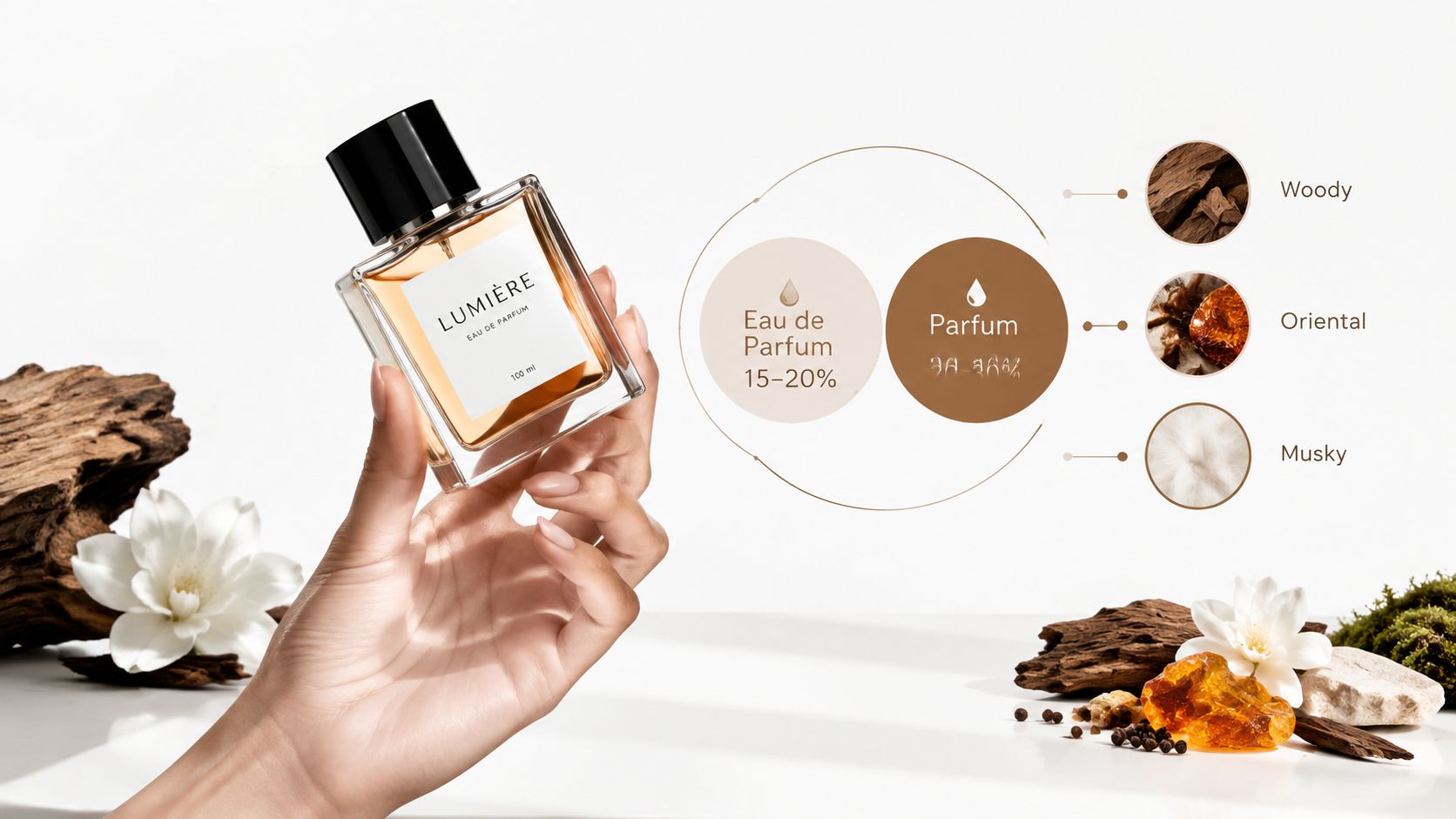
Look for Extrait, Parfum, or Eau de Parfum first. A high-oil EDT can still work, but the label gives you an early indication of how much aromatic material the formula carries.
Scan the note list
Look for oud, amber, vanilla, patchouli, musk, leather, sandalwood, cedar, or other woods. A citrus-only or aquatic-heavy pyramid may smell fantastic, but it's less likely to deliver the lasting dry-down you want.
Test on skin
A paper strip tells you about the opening, not the full relationship between the fragrance and your body. Spray your skin, leave it alone, and check it again after several hours. Don't rub your wrists together, because friction changes the opening before the fragrance has had time to develop.
Practical rule: Choose concentration for potential, composition for persistence, and your own skin for the final verdict.
Your situation should determine the compromise:
- For the office: Pick a moderate EDP with woods, soft musk, or light amber. Avoid an extrait with aggressive projection.
- For date night: Choose an ambery, woody, or gourmand EDP or extrait. Vanilla, leather, coffee, and resinous notes create a warmer trail.
- For a gym bag: Choose a fresh EDT or cologne and accept that refreshment matters more than all-day wear.
For more application ideas, how to make cologne last longer offers practical guidance on getting more wear from the bottle you already own.
The video below is useful if you want to see the difference between concentration, application, and the way a fragrance develops over time.
Best Long-Lasting Dupes You Can Buy in the US
These are budget-friendly alternatives and adjacent options that are widely available in the US. Wear time depends on the formula, your skin, and the specific fragrance reference, so treat the table as a practical buying guide rather than a promise.
| Dupe | Designer Reference | Concentration, Avg. Wear |
|---|---|---|
| Zara Rich Warm Addictive | Oud and amber style | EDP, typically long wear |
| Maison Alhambra Jean Lowe Immortal | Sauvage-style alternative | EDP, typically long wear |
| Dossier Woody Aromatic | Santal 33-style option | EDP, typically long wear |
| Lattafa Raghba | Vanilla-amber style | EDP, typically long wear |
| Ariana Grande Cloud | Budget gourmand | EDP, typically moderate to long wear |
1. Zara Rich Warm Addictive
This is the pick for shoppers who want a warm, sweet, woody profile without paying niche prices. It works as an oud-amber style dupe, although its sweetness can feel more prominent than the darker, drier oud scents it references.
The trade-off is sillage. It can smell rich close to the skin without creating an enormous scent cloud, and the dry-down may turn sweeter depending on your skin. If you like amber, vanilla, and woods but don't want a sharp, smoky oud, this is an easy entry point.
2. Maison Alhambra Jean Lowe Immortal
Choose this when you want a Dior Sauvage alternative with a fresher, more traditionally masculine profile. It delivers the familiar citrus-aromatic direction while keeping enough woody structure to avoid feeling like a quick splash.
Its main caveat is consistency on skin. The opening may feel bright and assertive, while the dry-down can become softer and less expansive. It's a smart daily option if you want freshness with more staying power than a very light cologne.
3. Dossier Woody Aromatic
Dossier Woody Aromatic is the obvious choice for anyone chasing a Santal 33-style woody aromatic profile. It gives you the dry, smooth, modern wood effect that works well with casual clothes, creative offices, and understated everyday wear.
Don't expect every facet of the reference fragrance to behave identically. The opening, peppery quality, and creamy wood dry-down can shift with skin chemistry, but the overall direction remains easy to recognize.
4. Lattafa Raghba
Lattafa Raghba is my budget standout. Its vanilla-amber direction gives it the kind of dense base that usually performs better than bright, purely fresh alternatives. It's sweet, cozy, and better suited to evenings or cool weather than a hot commute.
The compromise is refinement. Sweetness can dominate the dry-down, and the projection may feel stronger at first than it does later. Still, if your goal is affordable persistence rather than a restrained office scent, Raghba is the strongest value in this group.
5. Ariana Grande Cloud
Ariana Grande Cloud is the easiest gourmand recommendation here. It's soft, sweet, airy, and approachable, with a creamy quality that makes it more versatile than a heavy amber fragrance.
Its performance can be less predictable than denser vanilla scents. Some wearers get a comfortable, lingering skin scent, while others notice the fragrance becoming quiet sooner. Choose it for an affordable, crowd-friendly gourmand, not for the heaviest possible trail.
For more budget comparisons across fragrance profiles, browse the fragrance dupes list. The central lesson remains the same: a $30 woody EDP can outlast a $250 fresh extrait when the less expensive formula is built around heavier base notes.
Skin Chemistry and Application Tips
Your skin changes the way a fragrance behaves. Oilier or well-hydrated skin usually gives scent molecules more to cling to, while dry skin often lets fragrance disappear sooner. pH, body temperature, hormones, diet, climate, and skincare can also change the way the same bottle smells from one person to another.
Make the skin a better surface
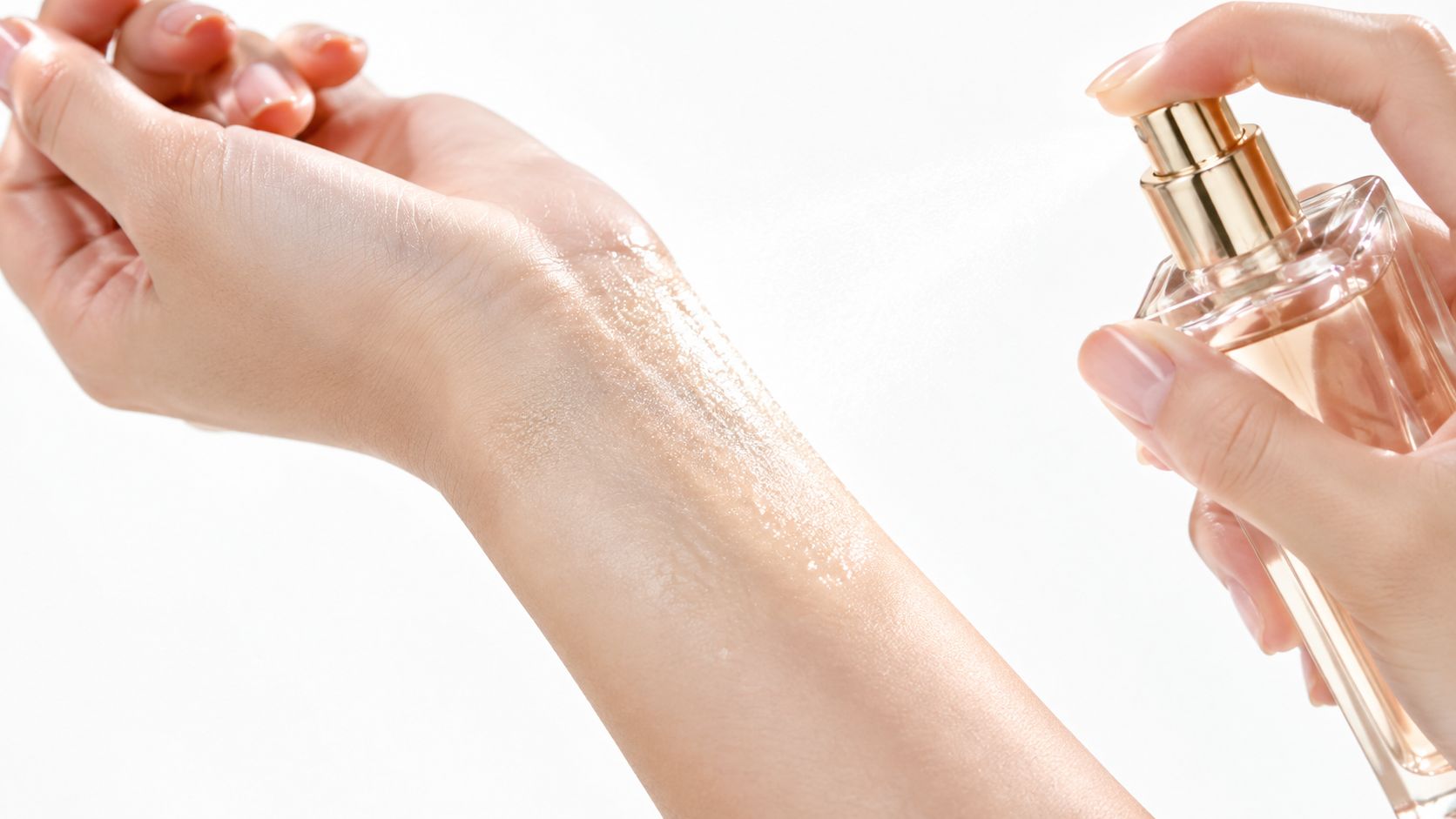
Apply an unscented moisturizer before spraying. A thin layer of petroleum jelly on selected pulse points can also give the fragrance a richer surface to sit on. Keep the application controlled, and don't rub your wrists together because friction can disrupt the opening.
Useful application areas include:
- Wrists: Easy to smell, but they're frequently washed.
- Neck and behind the ears: Warm areas that keep the scent near your face.
- Inner elbows: A less exposed spot that can hold fragrance comfortably.
- Hair and clothing: Often useful for lingering traces, but test first because fragrance can stain fabric or dry out hair.
Store the bottle upright in a cool, dark, dry place. Keep it away from direct sunlight, bathroom humidity, heat, and unnecessary air exposure, and close the cap firmly after use. Poor storage can alter the scent before you've finished the bottle.
Projection and longevity still aren't interchangeable. You may stop smelling a fragrance because your nose has become accustomed to it, even while other people can detect it. Conversely, a fragrance may remain on your skin for hours while projecting only softly. For a more detailed routine, see this guide on how to make perfume last longer.
FAQ and Final Verdict
Does fragrance expire?
Yes, fragrance can change over time. Watch for a sour, flat, metallic, or noticeably unbalanced smell, especially if the bottle has been exposed to heat, light, humidity, or air. Good storage slows deterioration, but it can't prevent every formula from changing eventually.
Why does a tester strip smell different from skin?
Paper shows the fragrance without your body heat, skin oils, pH, or personal skincare affecting the development. Skin can make the opening feel sharper, sweeter, warmer, or softer, so always test a fragrance on your body before buying a full bottle.
Do natural oils last longer than synthetic aroma materials?
Not automatically. Natural and synthetic materials each behave differently, and longevity depends on volatility, formula balance, base-note structure, and fixatives. A synthetic-heavy fragrance can last longer than a natural-oil blend if its construction slows evaporation more effectively.
Can a reformulation change longevity?
Yes. A brand may adjust materials, concentration, or formula balance, and those changes can alter projection, dry-down, and wear time. If an older bottle performed differently, compare the current formula on skin instead of relying only on past impressions.
Lattafa Raghba is the best dupe in this roundup for pure budget longevity. The wider answer to what type of fragrance lasts the longest is parfum or extrait, but the smartest purchase is the highest concentration you can afford that also uses heavy base notes. Apply it to moisturized skin, store it properly, and judge the dry-down rather than the first spray.
Finding Favourites helps budget-conscious beauty shoppers compare affordable fragrance dupes and practical alternatives to luxury scents. Visit Finding Favourites to find fragrance comparisons, wear-time guidance, and new ways to spend less without giving up the scent profile you want.