
Drugstore Makeup for Beginners Your Starter Kit Guide
You're standing in the drugstore makeup aisle with a basket, a handful of nearly identical beige bottles, and no idea whether you need primer, setting spray, contour, or all of it. The good news is that your first kit doesn't need to be large. You need a few products that work together, a shade-matching habit, and techniques that help affordable formulas look smooth and intentional.
This post may contain affiliate links, which means I may receive a commission if you purchase through my links, at no extra cost to you. Please read the disclosure policy for more information.
This guide builds drugstore makeup for beginners by use case: base, complexion, eyes, and lips. You'll learn what each product does, where drugstore makeup can rival prestige texture and finish, where it can still fall short, and how to shop without overbuying. You'll also find a quick dupe comparison table, a list of accessible alternatives, and FAQs for the questions that usually appear after the first shopping trip.
Introduction to Drugstore Makeup for Beginners
A useful first trip starts with a smaller promise. You're not trying to recreate every makeup tutorial you've seen. You're choosing products for a polished everyday face, then learning how each one behaves on your skin.
Start by deciding what you want makeup to do. If you want an even-looking complexion, focus on base and concealer. If you want your face to look more awake, mascara, blush, and lip color may make a bigger difference than contour. If you're experimenting with eyeshadow, begin with one easy-to-blend neutral rather than a large palette full of shades you may never use.
The starter-kit mindset
Think of makeup like a small wardrobe. Foundation or tinted moisturizer is the main outfit, concealer handles specific areas, mascara frames the eyes, and lip color adds personality. Bronzer, highlighter, contour, primer, setting powder, and setting spray can be useful, but they're accessories rather than requirements.
Drugstore products also make practice less intimidating. You can test whether you prefer a satin foundation, cream blush, soft eyeliner, or tinted balm without committing to prestige pricing. The mass beauty category has also become more refined as brands respond to value-focused shoppers, social media, and skinification, the blending of skincare-style benefits with makeup, as described in recent mass and prestige beauty retail coverage.
The dupe list later focuses on familiar luxury references and widely available U.S. alternatives. Treat the comparisons as starting points, not guarantees that every shade or finish will be identical. Your skin type, undertone, application method, and expectations matter just as much as the product label.
How Drugstore Makeup Works and Why It Costs Less
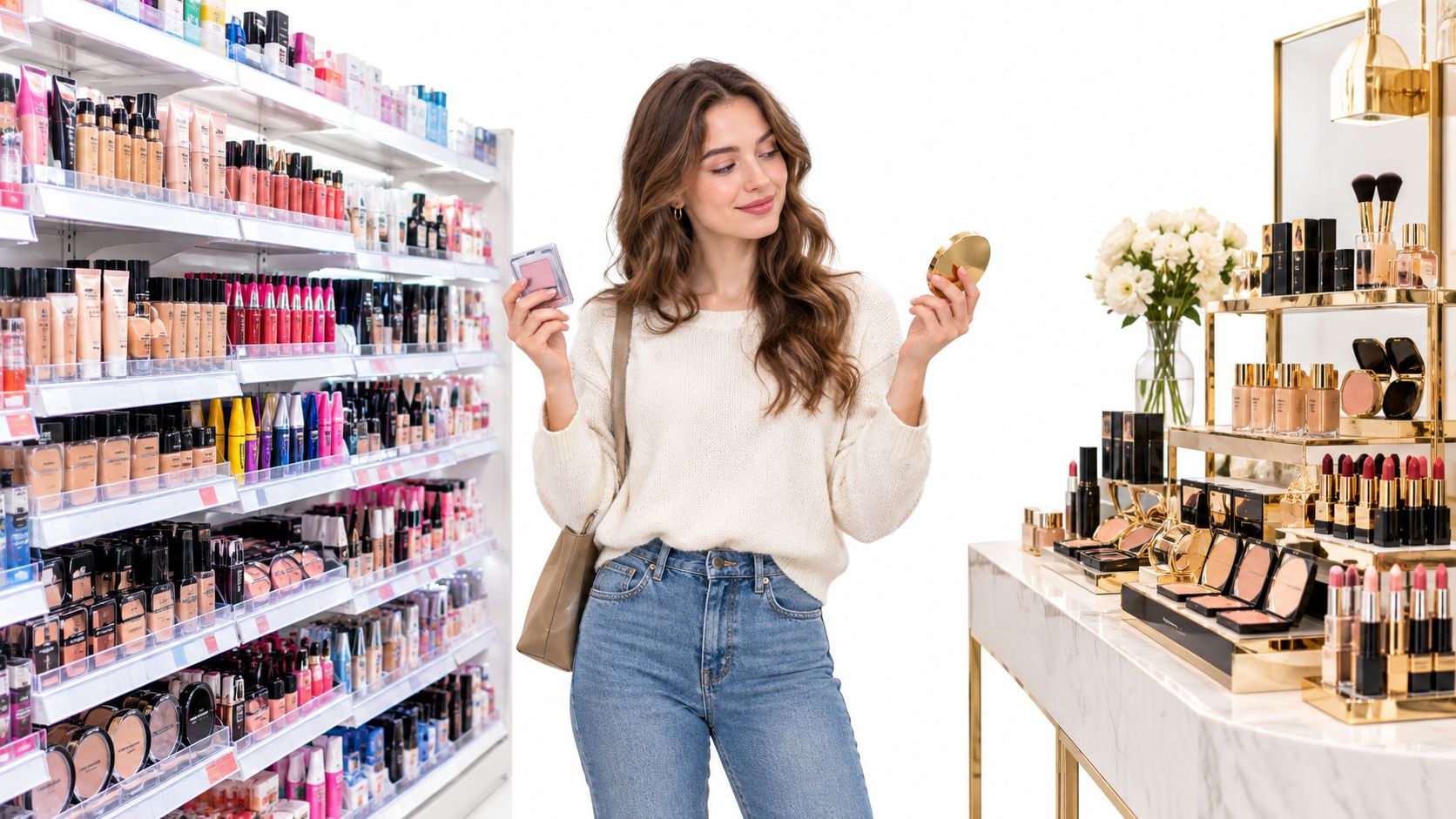
Drugstore makeup is closer to grocery-store shopping than boutique shopping. A mass retailer orders products in large quantities, distributes them through many stores and online channels, and usually sells everyday categories such as foundation, mascara, lipstick, and blush at accessible prices. Prestige makeup often puts more emphasis on brand experience, packaging, counters, and luxury positioning. That difference affects the price, but it doesn't automatically decide how well a formula will perform.
The beauty market is broad enough to support both models. The beauty and personal care sector reached about US$646 billion in 2024, while cosmetics accounted for roughly US$119 billion, according to the FDA's overview of makeup and cosmetics. Those figures show why mass-market makeup has become an everyday consumer category rather than a niche purchase.
The U.S. regulatory checkpoint
In the United States, products such as lipstick, blush, foundation, face powder, eyeshadow, eyeliner, and mascara are regulated as cosmetics under the Federal Food, Drug, and Cosmetic Act. They generally don't need FDA premarket approval before sale. Color additives are the important exception, because they must be FDA-approved for their intended cosmetic use under the FDA's permitted color additive rules.
That doesn't mean a drugstore product is unregulated. Cosmetic companies remain responsible for selling safe products and following labeling and ingredient requirements. The practical lesson is that the whole bottle isn't individually approved by the FDA before it reaches the shelf, so you should still check the ingredient list, follow directions, and stop using anything that causes a reaction.
The Modernization of Cosmetics Regulation Act, or MoCRA, was signed into law on December 29, 2022, and significantly expanded FDA oversight of cosmetics. It marked the biggest expansion of FDA cosmetics oversight since the Great Depression. For a beginner, the simple takeaway is this: affordable makeup can reach shelves through a different regulatory pathway from medicines, while color additives still need to comply with specific U.S. rules.
Essential Products Every Beginner Kit Needs
A beginner kit becomes easier to shop when you assign every product a job. Don't start with a long checklist. Start with the areas where you want the biggest visible change.
Base
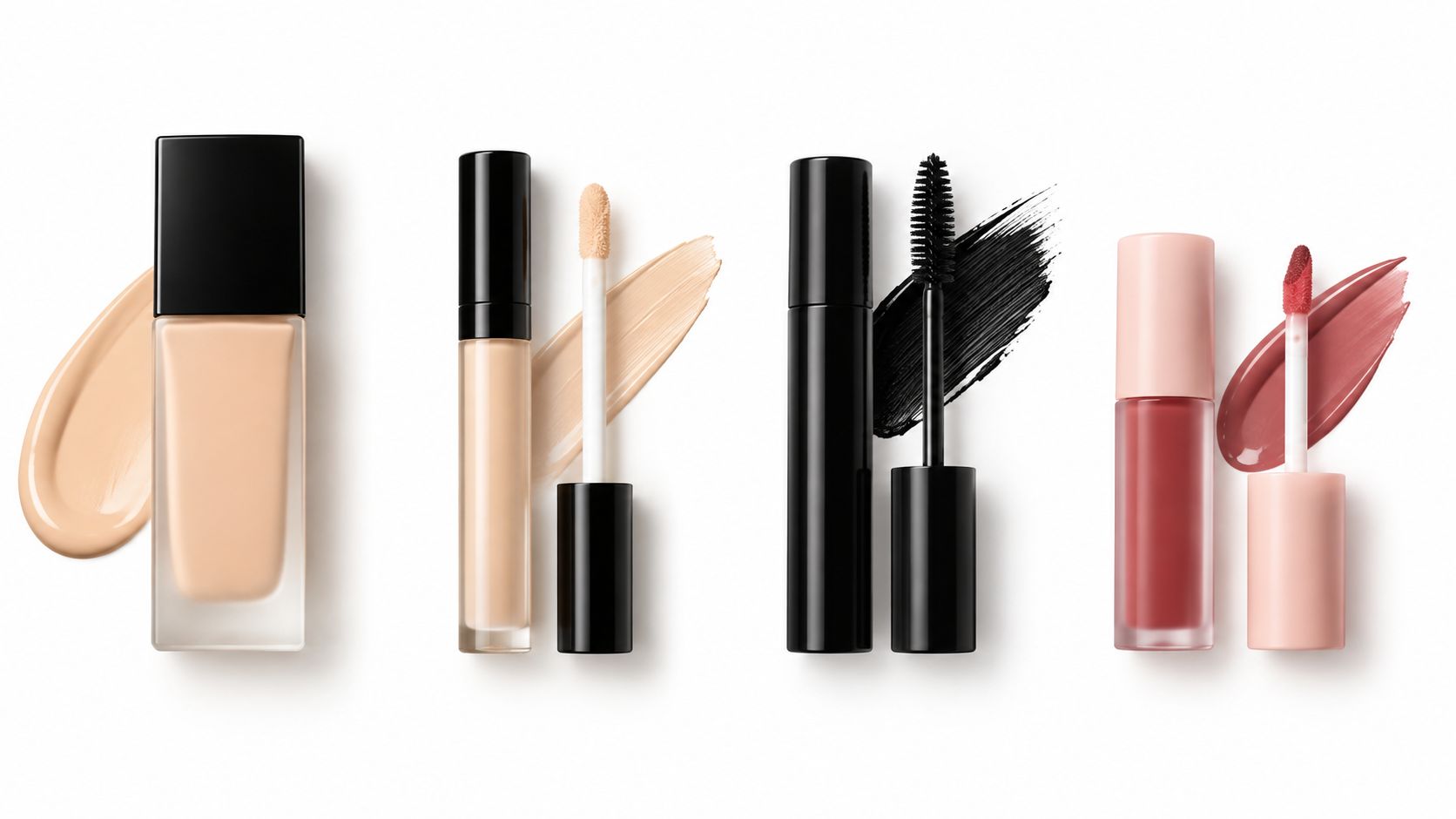
Choose one complexion base first:
- Tinted moisturizer or skin tint: Best if you want light evening-out and a quick, flexible routine.
- Foundation: Better if you want more consistent coverage or a specific finish.
- Powder foundation: Convenient for touch-ups, though it can look dry if you apply too much over dehydrated skin.
Drugstore base makeup is often strongest in soft-matte, natural, and lightweight finishes. Newer formulas can feel polished and comfortable, but shade range, oxidation, and wear on textured skin can still vary. If you're unsure, choose a buildable formula rather than a very full-coverage product. You can add more where needed instead of managing excess pigment everywhere.
Complexion
Concealer is the practical companion to base makeup. Use it under the eyes, around the nose, or over a blemish instead of automatically applying a heavy layer of foundation across your whole face.
Blush usually creates more impact than contour for a first kit. A cream or liquid blush can look fresh, while a pressed powder blush is easy to control and store. Bronzer can wait unless you already know you want warmth around the perimeter of your face. Highlighter is optional, and glittery textures may emphasize texture more than you expect.
Eyes
Mascara is the eye product beginners can use immediately. Brown mascara gives a softer effect, while black creates more contrast. Add a neutral eyeshadow stick or small palette when you're ready. Eyeshadow sticks are especially approachable because you can apply, soften the edge with a fingertip, and stop.
Lips
Pick one comfortable lip product: a tinted balm, satin lipstick, gloss, or lip liner paired with balm. Matte liquid lipstick can be striking, but it demands more precise application and may make dry patches more noticeable. For a practical packing checklist beyond the basics, these bridal makeup bag tips from Get Spliced can help you think about useful, multipurpose items without filling your bag with duplicates.
How to Choose Shades and Formulas That Flatter You
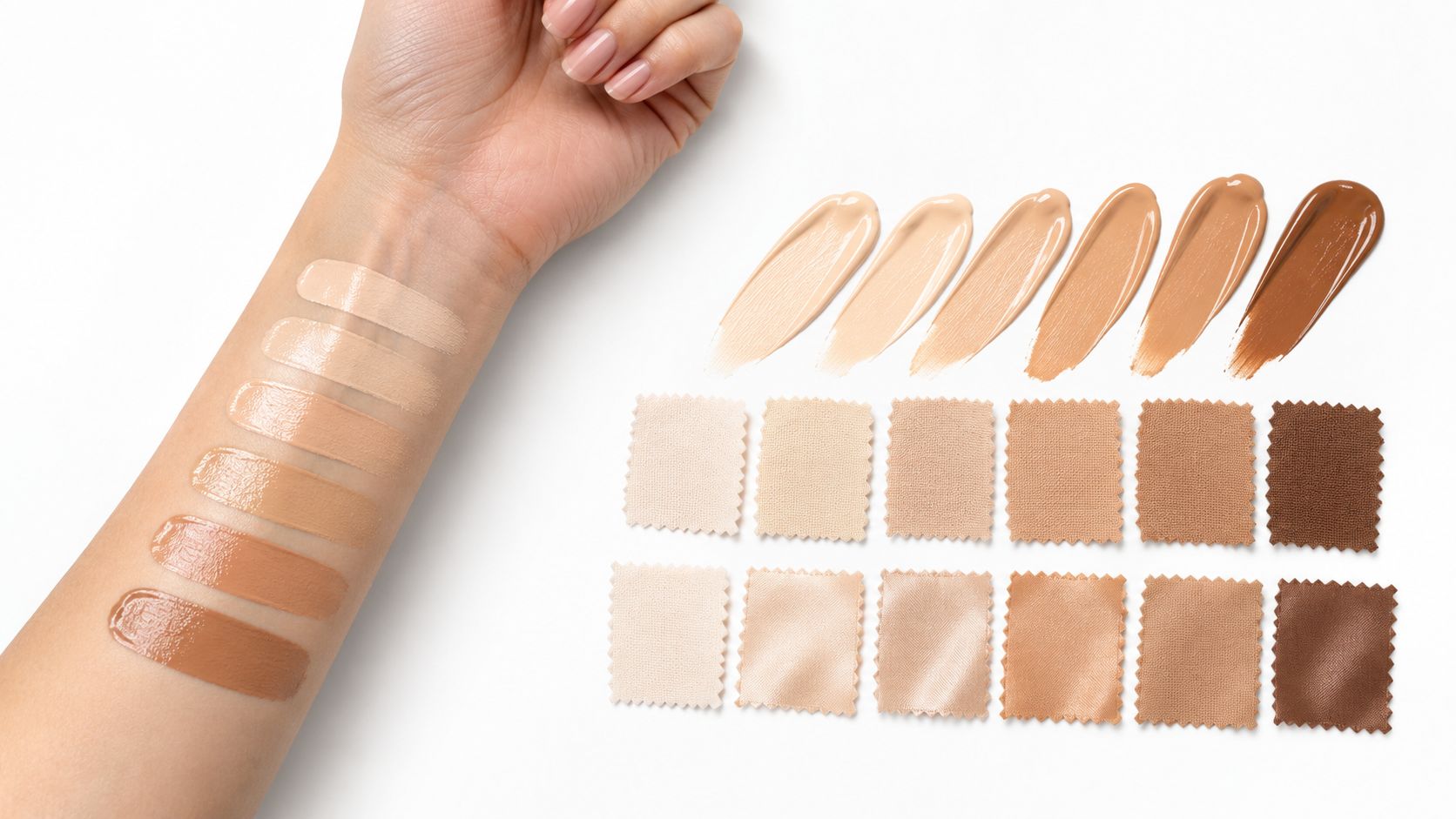
Shade matching is less like guessing a paint color from memory and more like comparing fabric under daylight. Two foundations may look similar in the bottle but pull noticeably different once they meet your skin. Undertone is the hidden color underneath the surface tone, often described as cool, warm, neutral, or olive. For a deeper explanation, use this guide to what undertone means in makeup.
A simple shade test
Apply a few narrow swatches from the cheek toward the jaw. The best match tends to disappear across the transition between face and neck, rather than looking perfect only on the center of your cheek.
Check the swatches in natural light if you can. Drugstore lighting can be bright and flattering, and a foundation that seems correct indoors may look too pink, yellow, gray, or orange outside. Let the formula sit before deciding, because some products change appearance as they dry.
Match the formula to the job
Coverage describes how much discoloration a product visually softens. Finish describes how the surface looks afterward.
Light coverage: Fresh and skin-like, but it won't hide every mark.
Medium buildable coverage: A flexible middle ground for beginners.
Full coverage: More concealing, but easier to overapply.
Natural or satin finish: A balanced choice if you don't want extreme shine or flatness.
Matte finish: Useful for reducing visible shine, though dry areas may need careful prep.
Radiant finish: Adds glow, but can emphasize oil or texture if layered heavily.
Blendable pigment loads are particularly forgiving. They let you spread a thin layer across the face and add coverage only where you need it. Before buying, check the shade family, compare the undertone descriptions, test in daylight, and consider how the formula feels after it dries. A perfect color in an uncomfortable formula still won't become a favorite.
Application Basics That Make Affordable Makeup Look Expensive
The most useful technique is restraint. Affordable makeup often looks more refined when you apply less product, press it into the skin, and build slowly.
Start with thin layers
Apply moisturizer, then primer if you're using one. Let the primer settle for about 1 to 2 minutes before adding foundation. This gives the silicone or film-forming layer time to settle and can reduce pilling or separation when you layer complexion products, as demonstrated in this beginner foundation application tutorial.
The thin-layer rule: Start with less than you think you need. Add coverage only after the first layer has settled.
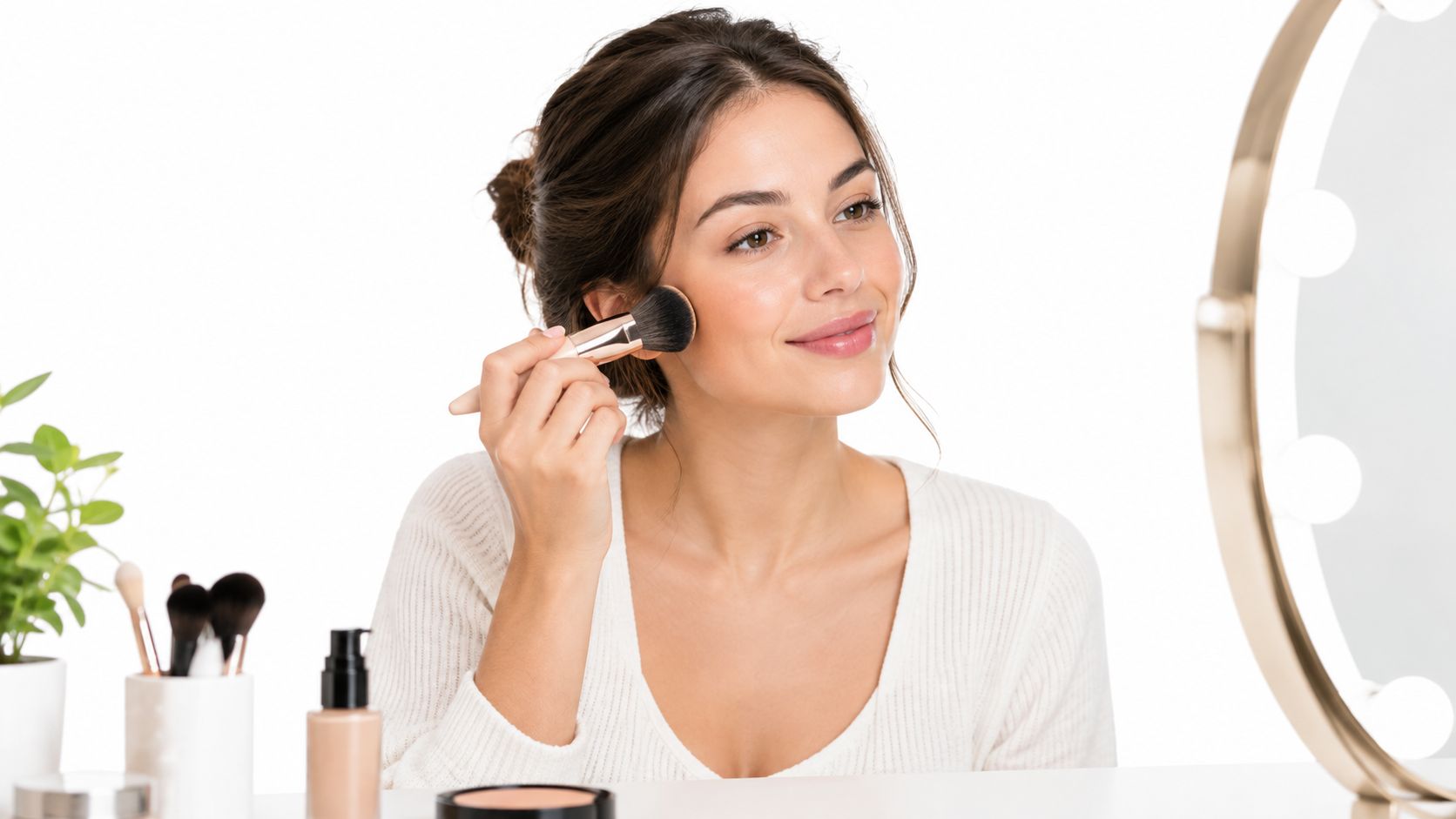
Dot foundation across the forehead, cheeks, nose, and chin. Use a damp sponge, brush, or clean fingertips to stipple and press rather than drag. Dotting distributes product, while stippling softens the edges and keeps you from pushing a thick layer into pores or dry patches.
Apply concealer only where the base hasn't done enough. Tap around the inner under-eye area, redness, or blemishes, then use the remaining product on your tool to soften the edges. If you use powder, press a small amount onto areas that crease or become shiny. Sweeping a large amount across the whole face can erase the skin-like finish you worked to create.
A few minutes of extra practice can change the result more than another product purchase. For the eye area, follow this step-by-step guide to how to apply eyeshadow for beginners.
Here's a visual demonstration of a beginner-friendly application approach:
Budget Tips and Best Drugstore Dupes in Listicle Form
The smartest dupe is one you can find, wear, and replace. The options below are widely available in the United States and are not discontinued. They're comparisons by general use, finish, and beauty effect, not promises that the products are chemically identical.
Top Drugstore Dupes at a Glance
| Luxury Reference | Drugstore Dupe | Best For and Finish |
|---|---|---|
| NARS Orgasm Blush | NYX Buttermelt Blush | Peachy glow |
| Hourglass Ambient Lighting Powder | Milani Baked Highlighter | Soft luminous finish |
| Charlotte Tilbury Pillow Talk Lipstick | Revlon Super Lustrous Lipstick | Satin everyday lip |
| Too Faced Better Than Sex Mascara | L'Oréal Extensionist Mascara | Length and definition |
| Tom Ford Soleil Blanc | Sol de Janeiro Cheirosa 62 | Warm, sweet fragrance style |
Five practical dupe picks
NYX Buttermelt Blush for a NARS Orgasm-style peach and gold effect. The appeal is the combination of peachy color and luminous overlay. Use a fluffy brush and start with a light tap because strongly pigmented blush can become intense quickly. The result is softer than the luxury reference, which may suit beginners who prefer a diffused cheek.
Milani Baked Highlighter for an Hourglass-inspired glow. This is a useful choice when you want light-catching skin without an aggressively metallic stripe. Place it on the upper cheekbone, inner corner, or bridge of the nose, then soften the edges with a clean brush.
Revlon Super Lustrous Lipstick for a Charlotte Tilbury Pillow Talk-style satin lip. Look for a rosy nude family that works with your undertone rather than choosing only by the shade name. The satin texture makes it easier to apply directly from the bullet and refresh without a complicated lip routine.
L'Oréal Extensionist Mascara for a Too Faced Better Than Sex-inspired dramatic lash. This is the category where drugstore brands can compete convincingly on everyday impact. Wiggle the wand at the roots, then pull upward, keeping the coat controlled so the lashes don't clump.
Sol de Janeiro Cheirosa 62 for a Tom Ford Soleil Blanc-style warm, sweet scent profile. Fragrance dupes are especially personal because skin chemistry changes how a scent develops. Test before buying when possible, and treat the comparison as a direction rather than an exact duplicate.
For more ways to compare accessible alternatives, browse this guide to places to find drugstore makeup dupes. Shopping by a low price tier first, then increasing your budget only for products you use often, can prevent impulse buying. Community feedback helps, but check recent availability and shade information before relying on an old recommendation.
Frequently Asked Questions and Final Wrap Up
How long should a starter kit last?
It depends on how often you wear makeup, how much you apply, and the product format. Powder products usually remain usable longer than liquid products, while mascara and other eye products need closer attention because the wand repeatedly contacts the eye area. Don't keep a product only because you paid for it if its smell, texture, color, or performance has changed.
How should I sanitize and store drugstore makeup?
Wash your hands before applying makeup, clean reusable brushes regularly, and don't share mascara, eyeliner, or lip products that touch mucous membranes. Keep products closed, away from excessive heat and moisture, and don't add water or other liquids to revive a drying formula. You can wipe the outside of packaging, but surface cleaning doesn't make an old or contaminated formula safe.
When should I replace a formula?
Replace it when it develops an unusual odor, separates in a way it didn't before, becomes gritty, changes color, or starts irritating your skin. Pay particular attention to eye products. A product that suddenly stings or causes redness belongs in the bin, even if the printed date hasn't passed.
What's the best overall dupe?
The NYX Buttermelt Blush is the strongest all-around pick from this list because it gives beginners a wearable peachy glow, offers an accessible alternative to the NARS Orgasm effect, and can be softened with a fluffy brush. Your first kit should still begin with a base, targeted concealer, mascara, and comfortable lip product. Match foundation along the jaw in natural light, favor blendable formulas, and apply complexion products in thin layers for a smoother, more expensive-looking finish.
Finding Favourites helps budget-conscious beauty shoppers compare affordable alternatives to luxury makeup, skincare, and fragrance through practical dupe roundups and beginner-friendly guides. Visit Finding Favourites to compare products by texture, finish, shade matching, and wear time before you build your drugstore kit.