
Best Drugstore Sunscreen: Top Picks for 2026
You're already in the aisle, comparing sunscreen bottles with one hand while your beach bag, gym tote, or skincare cart sits half-packed in the other. The luxury tubes look tempting, but the price tag can make even a beauty lover pause. The good news is that drugstore sunscreen can absolutely earn a place in a serious routine when you know what to look for, and the difference between a smart buy and a disappointing one usually comes down to filter quality, finish, water resistance, and whether you'll reapply it.
This post may contain affiliate links, which means I may receive a commission if you purchase through my links, at no extra cost to you. Please read the disclosure policy for more information.
| Product | Key Ingredient / SPF | Price |
|---|---|---|
| Neutrogena Invisible Daily Defense Face Serum | Chemical filters, SPF 60+ | Budget-friendly |
| CeraVe Ultra-Light Moisturizing Lotion | Mineral, SPF 30 | Budget-friendly |
| Black Girl Sunscreen Make It Matte | Chemical, SPF 45 | Budget-friendly |
| Sun Bum Original Spray | Chemical, SPF 30 | Budget-friendly |
| e.l.f. Halo Glow Skin Tint | Mineral, SPF 50 | Budget-friendly |
A 2025 review of over 2,200 U.S. sunscreens found that only 25% met safety and efficacy standards, which is a strong reminder that low cost alone doesn't tell you much about performance. CNN's coverage of the 2025 sunscreen review makes the broader point clearly, shoppers have to compare tested formulas, not just labels.
Introduction to Drugstore Sunscreen Dupes
I've reached for sunscreen before a beach day and felt the same thing a lot of readers feel, sticker shock. The premium tube promises a silky finish and elegant wear, but the drugstore shelf often has the same SPF headline for a fraction of the cost. That's why best drugstore sunscreen roundups matter, not as a compromise, but as a way to separate formulas that cost less from formulas that perform.
The practical reality is simple. A good budget sunscreen doesn't need to be flashy, it needs to meet the basics, stay comfortable on skin, and make reapplication realistic. The best ones don't just protect, they also disappear well under makeup, don't sting, and hold up when your day gets sweaty or long.
Practical rule: if a sunscreen is cheap but makes you hate wearing it, it's not a good value.
Drugstore dupes are especially useful because many prestige sunscreens earn their reputation through texture, finish, and packaging, while the underlying UV protection can be surprisingly similar when the label specs match. That's why this guide focuses on both luxury comparisons and real-world use, not just shelf appeal. You'll get the technical basics first, then side-by-side dupe comparisons, then recommendations by skin type and budget so you can buy with confidence.
Understanding Sun Protection Basics
Start with the non-negotiables
The most important label to look for is broad-spectrum with at least SPF 30, because the FDA and the American Academy of Dermatology both recommend that minimum. The FDA notes that SPF 30 blocks about 97% of UVB rays when applied correctly. The FDA's sunscreen guidance is the clearest starting point for everyday shopping.
That minimum matters because the bottle number is only part of the story. If you apply too little, or skip reapplication, your real protection drops fast. Consumer education sources also note that using half the proper amount can cut protection roughly in half, which is one reason so many people think a sunscreen “didn't work” when the problem was often application.
Chemical, mineral, and finish
Chemical sunscreens use UV filters that absorb rays, while mineral sunscreens rely on zinc oxide or titanium dioxide to sit on the skin and block rays. Neither category is automatically better, and both can be excellent when they're formulated well. What usually separates them in daily use is finish, some look matte, some look dewy, and some vanish under makeup more cleanly than others.
If you wear foundation or skin tint, finish affects everything. A matte sunscreen helps oily skin and keeps base makeup from sliding, while a more emollient formula can be better for dry skin or winter wear. Fragrance can also matter, especially if your skin gets irritated easily, and the same goes for formulas that feel too heavy or tacky under a full face.
For a useful related resource on pairing SPF with daily skin care, Karin Herzog's daily sunscreen moisturiser guide offers a helpful overview of SPF moisturiser format choices.
How to Choose Based on Formula and Skin Type
Match the formula to your day
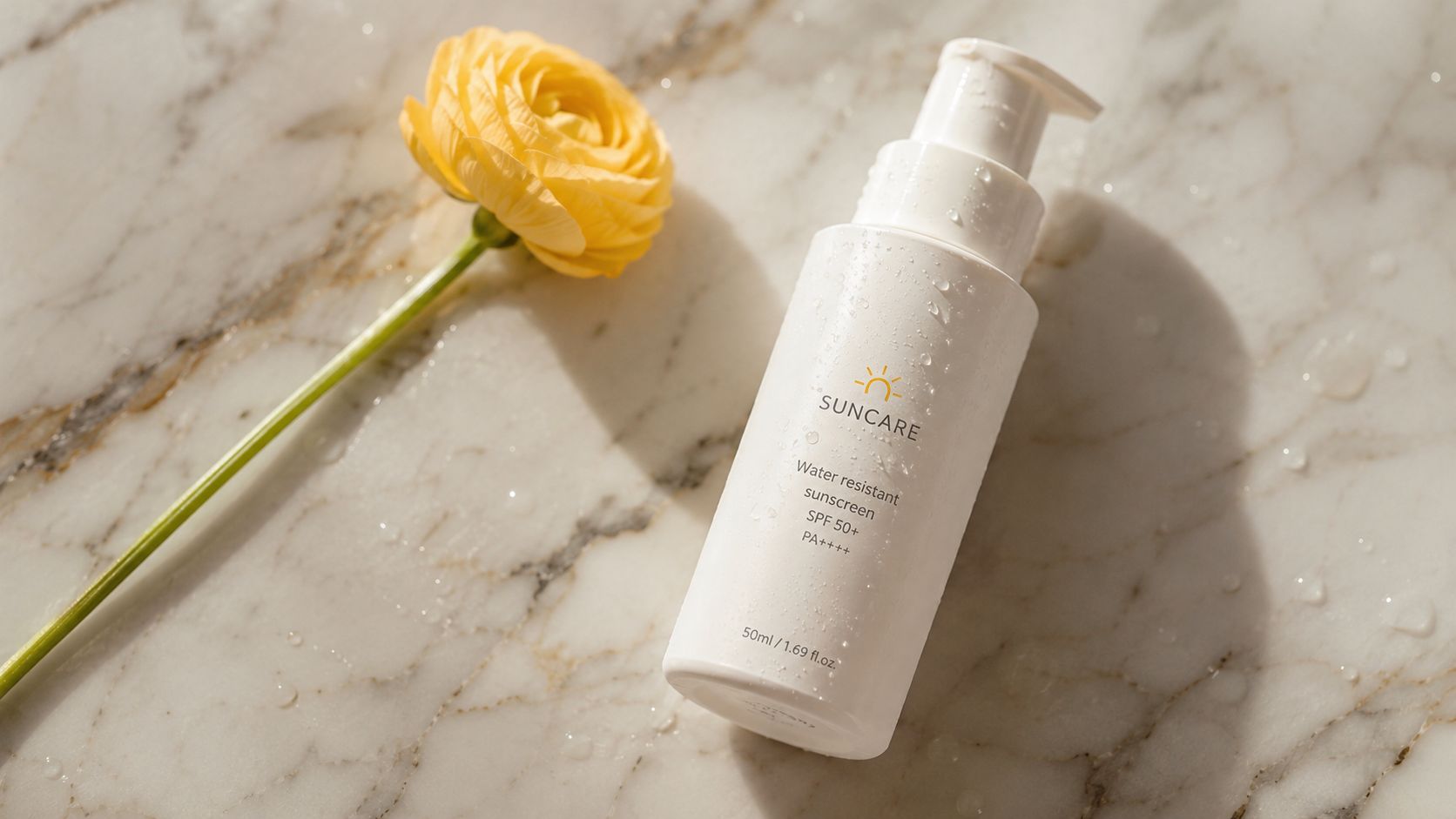
A sunscreen that works on a calm office morning may fail on a humid commute or a beach afternoon. That's why water resistance is worth real attention, because a product that's fine for errands isn't always the best choice for sweat, sports, or long outdoor wear. As the FDA makes clear, “water-resistant” still means you need to reapply after the stated time, not that the product becomes bulletproof.
For oily skin, lighter gels, fluids, and matte finishes usually behave best. Dry or mature skin often prefers formulas with a softer, more moisturizing feel, especially if they sit smoothly over serum and moisturizer without pilling. Sensitive skin tends to do better with simpler formulas that skip fragrance and feel less aggressive around the eyes.
Modern filters can matter
Not every sunscreen filter system behaves the same. Newer filters such as Tinosorb and Uvinul A Plus offer stronger UVA coverage than older avobenzone-only lotions, and that matters when you spend serious time outdoors. DermApproved also highlights Coppertone Sport mineral formulas using over 24% zinc oxide with 80-minute water resistance, which shows that technically strong budget options are often built for real exposure, not just casual wear. DermApproved's drugstore sunscreen breakdown is useful if you care about filter architecture, not just brand names.
Some of the best budget formulas aren't the prettiest bottles, they're the ones built to survive sweat, sun, and a long day outside.
A simple way to shop is to decide whether you need makeup compatibility, sports durability, or sensitivity support first. If you choose by need instead of by hype, it becomes much easier to separate a basic face lotion from a sunscreen you'll finish.
If fragrance or reactive skin is part of your routine, this sensitive-skin skincare guide can help you think through ingredient trade-offs before you buy.
Top Sunscreens Versus Luxury Dupes Compared
The useful way to think about sunscreen dupes is shared UV protection with different sensory experiences. A $10 to $15 drugstore sunscreen that meets SPF 30+ broad-spectrum standards can get very close to premium formulas on protection, while texture, finish, and packaging are usually what separate them in daily use. Wirecutter's face sunscreen review backs up that practical split, which is why the dupe category deserves real attention.
For face-first shopping, this cheap face sunscreen guide is a useful companion if you want to compare wear, finish, and value before you commit to a bottle.
Drugstore Sunscreens and Luxury Dupes
| Product | Key Ingredient / SPF | Price |
|---|---|---|
| Neutrogena Invisible Daily Defense Face Serum | Chemical filters, SPF 60+ | Drugstore |
| La Roche-Posay Anthelios UVAir Serum | Mineral-like serum feel, SPF 50 | Luxury dupe target |
| CeraVe Ultra-Light Moisturizing Lotion | Mineral, SPF 30 | Drugstore |
| Higher-end sensitive-skin lotion | SPF 30+ broad-spectrum | Luxury dupe target |
| Black Girl Sunscreen Make It Matte | Chemical, SPF 45 | Drugstore |
| Luxury matte face sunscreen | Matte finish, SPF 30+ | Luxury dupe target |
| Sun Bum Original Spray | Chemical, SPF 30 | Drugstore |
| Premium beach spray sunscreen | Water-resistant, SPF 30+ | Luxury dupe target |
| e.l.f. Halo Glow Skin Tint | Mineral, SPF 50 | Drugstore |
| Prestige tinted SPF skin tint | Tint plus SPF 30+ | Luxury dupe target |
Texture win: the best dupe is the one you'll wear every day, not the one that sounds nicest on paper.
Finish win: if a prestige product's main appeal is glow, a well-formulated drugstore version can get very close.
Wear win: the biggest gap often shows up in packaging and elegance, not in the sunscreen job itself.
Practical point: for beach or sports use, water resistance matters more than whether the bottle lives in the prestige aisle.
Best value signal: if the formula has the right SPF and broad-spectrum label, your money may be better spent on a texture you can tolerate daily.
A major 2025 review of more than 2,200 products found only 25% were judged safe and effective, which is exactly why side-by-side comparison beats assumption. The CNN report on the 2025 sunscreen review makes the larger point clearly, price does not guarantee quality, and a carefully chosen budget formula can be the smarter buy.
5 Best Dupes in Listicle Form
The smartest dupe shopping starts with the most wearable formulas. Once you know which prestige sunscreen you're trying to mimic, it's easier to decide whether you want the same finish, the same wear profile, or just the same level of protection without the luxury markup. For extra shopping context, this cheap face sunscreen guide is a helpful companion when you're narrowing down face-first options.
Luxury Formula vs Drugstore Dupe
| High-end Formula | Drugstore Dupe | Price |
|---|---|---|
| La Roche-Posay Anthelios UVAir | Neutrogena Invisible Daily Defense Face Serum | Drugstore |
| Sensitive-skin prestige lotion | CeraVe Ultra-Light Moisturizing Lotion | Drugstore |
| Matte prestige SPF | Black Girl Sunscreen Make It Matte | Drugstore |
| Premium sport spray | Sun Bum Original Spray | Drugstore |
| Prestige tinted SPF | e.l.f. Halo Glow Skin Tint | Drugstore |
Neutrogena Invisible Daily Defense Face Serum as a prestige serum-SPF dupe
- Best match: lightweight, serum-like texture that disappears fast.
- Why it works: the appeal is comfort first, and that's exactly where many expensive face sunscreens win.
- Who it suits: normal, combination, and makeup-wearing users who want no-fuss wear.
CeraVe Ultra-Light Moisturizing Lotion as a sensitive-skin dupe
- Best match: soft, skin-care-like feel with a simpler, gentler profile.
- Why it works: this is the kind of formula people use when they want sunscreen that behaves more like a moisturizer.
- Who it suits: sensitive or drier skin, especially if you want a calmer morning routine.
Black Girl Sunscreen Make It Matte as a matte prestige face SPF dupe
- Best match: a more controlled finish that plays well under makeup.
- Why it works: the formula is designed to avoid the shiny, slippery look that kills a polished base.
- Who it suits: oily skin, humid-weather wear, and anyone who hates visible residue.
Sun Bum Original Spray as a premium beach spray dupe
- Best match: quick, easy body coverage with a familiar summer feel.
- Why it works: spray formats are convenient for the beach, and convenience is a real part of compliance.
- Who it suits: body use, travel bags, pool days, and anyone who won't sit still for lotion.
e.l.f. Halo Glow Skin Tint as a prestige tinted SPF dupe
- Best match: tinted base coverage that doubles as sun protection.
- Why it works: it merges complexion evening and SPF in one step, which is why these products are so popular.
- Who it suits: people who want an everyday base, especially if they prefer a lighter look than foundation.
Recommendations by Skin Type and Budget
Under $10
At the very low end, value usually comes from body sprays, smaller face formulas, or products that keep the routine simple. The mean price per ounce was $2.10 in a U.S. study of 1,660 sun products, and that market also skewed heavily toward 46.2% spray-ons with only 3.4% physical sunscreens, which helps explain why sprays and chem formulas often dominate the value conversation. The market study on sunscreen pricing and formats shows where the category has historically concentrated.
For this tier, a chemical spray is often the easiest buy for body use, while a mineral pick is harder to find at the same price point and usually comes in a smaller or more specialized format. Oily skin usually does better with lighter spray or gel textures, while sensitive skin may need to stretch closer to the next tier for a more comfortable mineral option.
$10 to $15
This is the sweet spot for most face users. It's where you can often find a SPF 30+ broad-spectrum formula that feels refined enough for daily wear without pushing into prestige pricing. Dry skin can lean toward more hydrating chemical lotions, while oily skin can pick matte or more fluid textures that won't fight makeup.
For mineral options in this band, smaller face lotions and tinted picks tend to be the most practical. For chemical formulas, the best bets are usually lightweight serums and everyday lotions that don't make you think twice about reapplying.
$15 to $20
This tier gives you the most breathing room for special use cases. If you want sport durability, a better finish, or a more polished face base, the formulas start to feel meaningfully more customized. It's also a good zone for people who need a sunscreen that can pull double duty as makeup primer, skin tint, or all-day body protection.
Buying rule: if you need beach durability, pay for water resistance first. If you need daily face wear, pay for texture first.
For dry skin, a more moisturizing chemical lotion can feel worth the extra spend. For oily or combination skin, matte or natural-finish formulas in this tier often give the most balanced wear.
Wear and Application Tips
The easiest sunscreen mistake is underapplying. The AAD says most adults need about 1 ounce to cover exposed skin fully, and Consumer Reports notes that using half the recommended amount cuts protection roughly in half. Consumer Reports' sunscreen buying guide makes the practical side obvious, the bottle can be good and still fail if you use too little.
Reapply every two hours, or sooner if you're swimming or sweating. If the label has no expiration date and the product is older than three years, toss it. That freshness rule matters just as much as buying the right formula, because sunscreen that's past its effective window isn't a bargain anymore.
For makeup wear, apply sunscreen first and give it a minute to settle before base products go on. If you need touch-ups during the day, a powder or stick format is usually easier than trying to layer liquid SPF over a fully set face. For a broader routine-building reference, this skincare routine guide can help you slot sunscreen into a morning sequence that sticks.
FAQ and Conclusion Wrap Up
Can I mix chemical and mineral sunscreens?
Yes, you can use different formulas on different areas of the body if that makes application easier. A lot of people do better with a matte chemical formula on the face and a more forgiving spray or lotion on the body.
Is spray sunscreen as effective as lotion?
It can be, but only if you apply enough and cover skin evenly. Sprays are convenient, especially for reapplication, but they're also easy to underuse, which is why they work best when you're careful and thorough.
How do I test water resistance claims?
You can't fully test them at home the way a lab would. What you can do is check whether the label says 40 minutes or 80 minutes, then reapply on schedule after swimming or heavy sweating.
The best overall dupe in this guide is Neutrogena Invisible Daily Defense Face Serum, because it delivers that expensive, serum-like wear without the premium price tag and still fits the technical standard that matters most for daily face use. Across the rest of the list, the winning pattern is the same: SPF 30+ broad-spectrum, a finish you'll wear, and a format that matches your real life. Choose the sunscreen you'll reach for consistently, because the best formula on paper only matters if it ends up on your skin.
If you want more dupe-first beauty shopping that focuses on real performance instead of hype, visit Finding Favourites for carefully curated swaps, price-tiered picks, and practical comparisons that make budget beauty easier to buy.