
7 Rose Water Hydrator Dupes Worth Buying in 2026
You're standing in the skincare aisle holding three pink bottles, your phone is open to a fourth, and every label promises dewy, calm, hydrated skin. One is just scented water. One has ingredients that hold water in your skin. I'm going to help you tell them apart fast, because a good rose water hydrator should earn its shelf space.
This post may contain affiliate links, which means I may receive a commission if you purchase through my links, at no extra cost to you. Please read the disclosure policy for more information.
Why Everyone's Reaching for a Rose Water Hydrator Right Now
I've watched this exact moment play out in drugstores more times than I can count. A shopper sprays a tester, loves the cooling feel, checks the price, then puts the bottle back because another nearly identical one sits right beside it for less. The formulas look interchangeable, and that's precisely why so many people waste money on the wrong one.
Rose water hits a sweet spot right now. It feels gentle, old school, and affordable at a time when routines have gotten expensive and complicated. People want a step that refreshes skin after cleansing, softens a powdery makeup finish, and doesn't fight with the actives they already own. A mist promises all of that with zero learning curve.
The problem is the word hydrator. Damp skin feels hydrated for a few minutes whether the moisture stays or not, so brands can sell that fleeting sensation as a result. Some products below help hold water in your skin. Others just smell lovely and evaporate, which is fine if you know that's what you're paying for.
A rose mist is a prep step, not a moisturizer replacement. Buy it for what it can do, not for the glow in the first sixty seconds after spraying.
You don't need the priciest bottle to get the useful version of this product. You need the right supporting ingredients, a formula your skin tolerates, and a routine that locks the water in. The table below is your shortcut, and the full breakdowns further down explain why each pick made the cut.
Rose Water Hydrator Dupes at a Glance
| Dupe | Best For | Price |
|---|---|---|
| Heritage Store Rosewater and Glycerin Mist | Best overall, dry skin | $29.49 for 4 fl oz |
| Heritage Store Rosewater Facial Moisturizer | Dry, dull skin | Check retailer |
| Heritage Store Rosewater Facial Serum | Dehydrated skin | Check retailer |
| Frownies Rose Water Hydrator | Layering under patches or cream | Check retailer |
| Mario Badescu Rosewater Facial Spray | Budget refresh, normal skin | Check retailer |
| Thayers Rose Petal Toner | Oily and combination skin | Check retailer |
| Pure Rose Hydrosol Mist | Minimalists who tolerate fragrance | Check retailer |
That $29.49 for 4 fl oz Heritage Store listing is confirmed in Target's US rose water search results, so check current stock before you shop since retailer listings change.
What a Rose Water Hydrator Actually Is
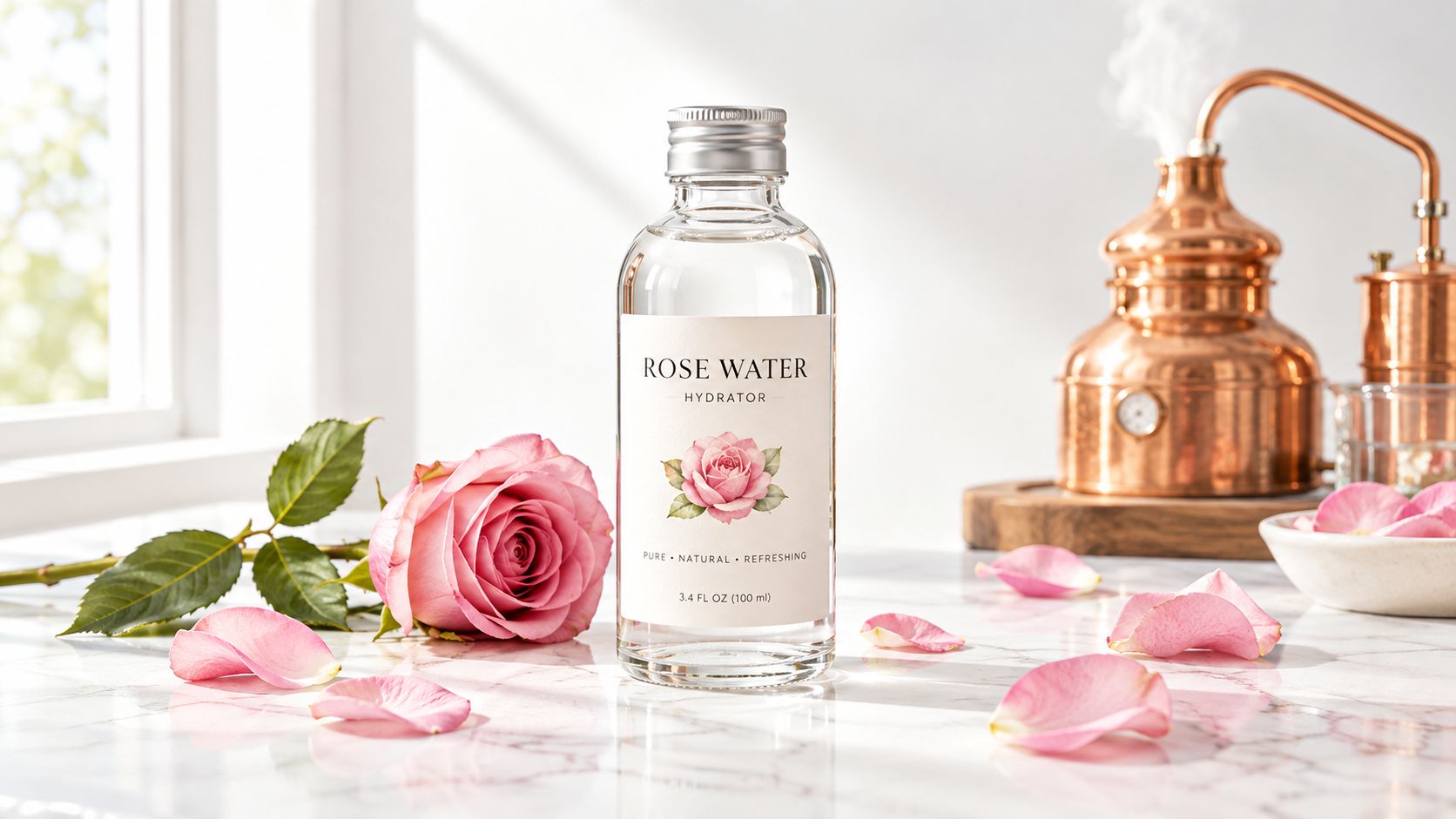
Rose water isn't a lab built active. It's the fragrant aqueous distillate collected when fresh rose petals are hydro distilled or steam distilled, the same process that separates aromatic compounds for rose oil. The oil rises and gets drawn off, and the scented water left behind is the hydrosol in your spray bottle.
That origin explains both the appeal and the limit. You're getting mostly water carrying trace aromatic compounds from the petals, not a concentrated treatment. When a label says rose water hydrator, the hydration claim usually depends on what the brand added to that floral water, not on the rose water alone.
A History Older Than Your Whole Routine
This isn't a trend ingredient invented for social media. Evidence reviewed in research on rose water history in Iran places Persian rose cultivation and rose water distillation tentatively in the 5th century BCE, and rose water went on to serve cultural, medicinal, religious, and ritual purposes across pre Islamic, early Islamic, and Safavid periods. It was also traded as a commodity, which tells you people valued it long before anyone printed the word hydrosol on a label.
Longevity proves people loved using it. It doesn't prove measurable moisturization, and contemporary evidence for topical rose water's hydrating effect stays limited compared with that long traditional use. I respect the history, but I judge the bottle in front of me by its ingredient list.
How It Sits in a Routine
Think of rose water as your skin's damp starting point. Japanese routines make a useful comparison here, and this guide to lotion milk cream meaning in Japan shows how watery first layers are meant to be followed by richer ones rather than used alone. Rose water works the same way, as a light aqueous layer under something that seals.
If you're unsure where a mist fits at all, my breakdown of how toner and essence differ in a routine will help you place it. A straightforward rose water sits closest to a gentle toner. It refreshes and preps, and then your serum and moisturizer do the heavy lifting.
- Plain hydrosol: Rose water and little else, best treated as a refresh step.
- Fortified hydrator: Rose water plus glycerin, hyaluronic acid, or aloe to hold onto moisture.
- Rose scented moisturizer: A cream or serum where rose water plays a supporting role.
The Ingredients That Make a Rose Water Hydrator Actually Hydrate
Flip any bottle over and sort the ingredient list into three jobs. If a formula can't do at least one of them well, it isn't hydrating your skin in any lasting way, no matter how dewy you look for the first minute. This takes ten seconds in the aisle and it's the skill that separates a smart buy from scented water.
The Three Jobs That Matter
- Humectants pull in water: Glycerin, hyaluronic acid, and urea attract and bind water in the stratum corneum, which is the actual mechanism behind hydration that lasts.
- Emollients smooth and soften: Ingredients like squalane and plant oils fill in rough patches so skin feels supple instead of tight.
- Occlusives seal water in: Richer creams and oils sit on top and slow evaporation, which is why your moisturizer matters more than your mist.
Plain rose water does none of these jobs on its own. Rose hydrosol is predominantly water, and water applied to skin evaporates unless something binds or traps it, a distinction spelled out in DermApproved's rose water ingredient review. Controlled human trials on topical rose water are scarce and no minimum effective concentration has been established, so treat bold promises about pore tightening or acne with real skepticism.
What the Limited Testing Actually Shows
One small reported clinical study tested 12 samples on 20 healthy people per sample, applied twice daily for three weeks, and its best performing sample raised a hydration measurement from 27.33 ± 6.78 in the control condition to 32.03 ± 6.21 after treatment, as described in a technical review of Bulgarian oil bearing rose production. That's cautious encouragement for one specific product, not proof every rose mist performs the same way.
If hyaluronic acid is doing the work in your bottle, this explainer on HA moisturiser science explained is worth reading, and my guide on using hyaluronic acid without drying your skin out covers the damp skin technique in depth. Humectants need available water and a seal on top, which is exactly where the rose mist plus moisturizer pairing makes sense.
Label rule: If you can't spot glycerin, hyaluronic acid, urea, or a similar humectant high on the list, you're buying a refresh spray. Price it like one.
Watch the flip side too. Aromatic constituents like geraniol and citronellol give rose products their scent and can irritate reactive skin. A short, pretty ingredient list isn't automatically a gentle one.
7 Affordable Rose Water Hydrator Dupes That Actually Work
I checked these against more than one major US retailer where possible, because a single marketplace listing with limited stock language doesn't make a product widely available. Amazon's US rose water moisturizer listings confirm current details for several Heritage Store formulas below, including sizes and key ingredients. Every pick here is obtainable in the US right now, and I've matched each one to the skin it suits.
The Seven Worth Your Money
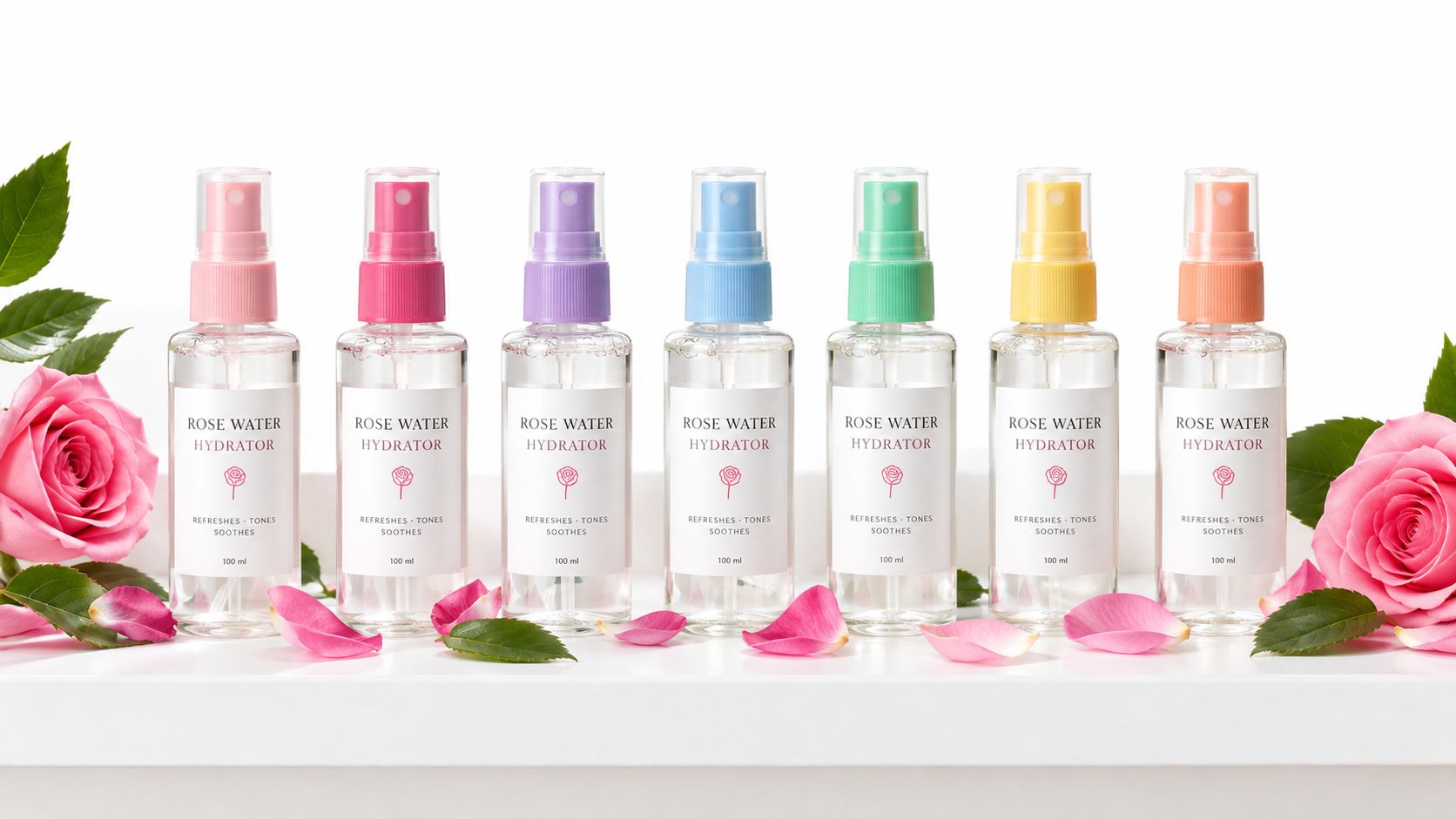
Heritage Store Rosewater and Glycerin Hydrating Facial Mist: My best overall pick because glycerin gives the rose water something to hold onto, so skin stays comfortable instead of flashing dry. The finish feels cushioned, almost like a very light serum. Best for dry and normal skin that wants one bottle for prep and refresh.
Heritage Store Rosewater Facial Moisturizer: A 2 ounce cream built with niacinamide and hyaluronic acid, so this is the pick when a mist alone leaves you tight by midday. It sits where your regular moisturizer would and makes the rose step genuinely functional. Best for dry, dull skin that wants the scent plus real moisturization.
Heritage Store Rosewater Facial Serum: This one contains 1% hyaluronic acid, which moves it out of refresh territory and into proper humectant layering. Texture is a light gel serum that layers cleanly under cream. Best for dehydrated skin of any type, including oily skin that hates heavy products.
Frownies Rose Water Hydrator: Built around organic Bulgarian rose hydrosol with sodium hyaluronate and aloe, designed to activate facial patches but perfectly usable as a daily mist. Bulgaria is serious rose country, with roughly 160 to 200 metric tonnes of annual rose water output estimated for cosmetic, pharmaceutical, and food use. Best for layering under patches, gels, or cream.
Mario Badescu Facial Spray with Aloe, Herbs and Rosewater: The ubiquitous budget spray you'll find in every US drugstore chain. It's more refresh than treatment, with a light, watery finish that revives makeup well. Best for normal skin on a tight budget, as long as you seal it with moisturizer in your actual routine.
Thayers Rose Petal Facial Toner: A toner format rather than a mist, applied with hands or a cotton pad, so you use less and waste none to the air. The alcohol free positioning suits shine prone skin that wants a post cleanse reset without added oils. Best for oily and combination skin.
Pure Rose Hydrosol Mist: A single ingredient style distilled rose water, the closest thing to the traditional preparation. I'll be blunt, this is a sensory product and it won't moisturize alone. Best for minimalists who tolerate natural fragrance compounds and already own a good cream.
If you're only buying one, buy the glycerin mist. It's the rare rose product where the ingredient list backs up the word hydrator on the front.
Skip anything discontinued, grey market, or sold by a single marketplace seller with no retailer presence. A dupe you can't replace when the bottle runs out isn't a dupe, it's a one time experiment.
How to Use a Rose Water Hydrator in Your Routine
The product matters less than the sequence. Every complaint I've heard about rose water doing nothing traces back to the same mistake, spraying it onto dry skin and walking away while it evaporates. Fix the order and even a basic mist becomes useful.
The Order That Actually Works
- Cleanse first: Start with clean skin so you're layering water onto your face, not onto the day's sunscreen and grime.
- Mist onto slightly damp skin: Pat your face mostly dry after cleansing, then spray. Skin should feel dewy, not dripping, so humectants have water available to bind.
- Apply serum while still damp: Hyaluronic acid and glycerin based serums spread better and pull that surface water in instead of competing with dry air.
- Seal immediately: Follow with moisturizer or facial oil before the dampness disappears. This step is non negotiable, because it's what stops evaporation.
In the morning, that sequence ends with sunscreen as your final layer. At night, you can afford a richer cream on top, and very dry skin does well with a second light mist between serum and cream. Over makeup, one distant pass softens a powdery finish, but don't expect setting spray longevity from a hydrosol.
Mistakes That Waste the Bottle
Spraying a rose water hydrator as your final step is the big one. Your skin feels plump for minutes, the water evaporates, and you conclude the product failed when the routine did. Misting over a bone dry face hours after your routine has the same problem, since there's no seal on top and the moisture has nowhere to stay.
Watch your layering with silicone heavy primers too. A thick silicone layer applied right after misting can sit over the water unevenly and cause pilling with the products above it. Give each layer a brief moment to settle, and press products in with your palms instead of rubbing.
Damp, then seal: Those three words are the entire technique. Everything else is decoration.
Quick Troubleshooting
- Skin feels tight afterward: You waited too long before moisturizing, or your mist has no humectant. Seal faster, or switch to a glycerin formula.
- Skin feels sticky: You're over spraying a humectant heavy mist. Two or three spritzes pressed in with palms beats a soaking.
- Makeup looks patchy after misting: You sprayed too close. Hold the bottle at arm's length and let it settle untouched.
Who Should Be Careful With Rose Water Hydrators
Natural and gentle aren't synonyms, and rose water marketing leans hard on blurring them. Rose hydrosols carry aromatic compounds including geraniol and citronellol, and those can trigger irritation or allergy in susceptible people even though they come straight from the flower. If your skin flushes, stings, or itches after fragranced products, a rose mist deserves the same caution as any scented formula.
Shoppers are clearly catching on. Spate data reported in Vogue's 2025 beauty consumer trend coverage shows average monthly search volumes rising by approximately 3,700 for fragrance free, 965 for hypoallergenic, and 1,500 for acne safe skincare. That shift exists because plenty of people learned the hard way that botanical doesn't mean risk free.
Skin That Should Patch Test First
- Rosacea prone skin: Flushing prone skin reacts unpredictably to aromatic compounds, so test on your inner arm or jawline for several days first.
- Fragrance reactive or allergy prone skin: Read the full ingredient list, not the front label, and stop immediately if stinging, redness, or itching develops.
- Compromised barriers: Cracked, over exfoliated, or freshly treated skin absorbs and reacts more readily. Heal the barrier with bland products first.
If that sounds like you, my roundup of fragrance free beauty products that actually perform is the safer starting point. A fragrance free, properly preserved moisturizer is often the minimalist choice, not the cheap spray with the vintage looking label.
The Preservation Problem Nobody Mentions
Water based products feed microbes, and hydrosols are no exception. Naturally present microorganisms can cause spoilage even when major pathogens grow poorly, and without aseptic processing or preservatives a hydrosol may not stay stable for several months. That bargain bottle with no expiration date and a loose cap is a worse deal than it looks.
Check the expiration date, store the bottle away from heat and direct light, and toss anything that smells off, turns cloudy, or changes texture. Pump and spray packaging beats open neck bottles you pour from daily. Preservatives in a water based product aren't a flaw, they're the reason the product is safe to put on your face in month three.
A short ingredient list only helps you if the product stays uncontaminated. Preservation is a safety feature, not a marketing failure.
FAQ and Final Verdict on the Best Rose Water Hydrator Dupe
Questions Readers Ask Me Most
Can a rose water hydrator replace my moisturizer? No. A plain hydrosol adds surface water and evaporates, and even humectant fortified mists work best sealed under cream. The Heritage Store Rosewater Facial Moisturizer is the exception on this list because it is a moisturizer, not a mist.
How long does a bottle last? That depends on size and whether you mist once or several times daily, so check the expiration date rather than stretching a bottle indefinitely. Discard it if the scent turns sour or the liquid clouds, since water based hydrosols can spoil.
Is rose water safe during pregnancy? Topical rose water is a cosmetic ingredient, not a drug, but pregnancy changes how skin reacts and scent sensitivity often spikes. Patch test, choose a simple preserved formula, and ask your own clinician about anything you're unsure of rather than trusting a blog, including mine.
Which dupe suits acne prone or sensitive skin? Acne prone skin usually does best with the Heritage Store Rosewater Facial Serum or the Thayers toner, since both avoid heavy occlusive layers in the rose step itself. Sensitive or fragrance reactive skin should skip rose water entirely and use a fragrance free humectant instead, because the aromatic compounds are the risk.
Final Verdict
After all of that, the Heritage Store Rosewater and Glycerin Hydrating Facial Mist is the best dupe overall, because glycerin turns a pleasant mist into a product that helps hold water in your skin, and it's verified at a major US retailer. Dry skin that needs more should go straight to the Rosewater Facial Moisturizer with niacinamide and hyaluronic acid, dehydrated skin gets the most from the 1% hyaluronic acid serum, and sensitive skin gets my honest advice to skip the category. Before you buy any rose water hydrator, check for a real humectant on the label, confirm the product is preserved and in date, and plan the moisturizer you'll seal it with.
If this breakdown saved you from buying expensive scented water, you'll love what else is waiting at Finding Favourites, where I test budget dupes against the luxury originals across skincare, makeup, and fragrance. Browse the latest roundups organized by price tier, compare texture and wear before you spend, and sign up for the newsletter so the next worthwhile dupe lands in your inbox instead of another pink bottle gathering dust.