
7 Best Drugstore Skincare Picks for Every Skin Type
What makes a skincare product worth buying: its prestige packaging, or how well it fits your skin, routine, and budget? The best drugstore skincare choice is not always the cheapest bottle. It depends on your skin type, the job you need done, your preferred texture, and how much irritation you can tolerate from active ingredients. Affordability remains central to skincare shopping. In a 2024 YouGov survey, 72% of Americans said affordability was very or somewhat important when buying skincare, while 34% said they would spend $20 or less on a single product.
This guide organizes seven widely available brands by what they do best, from barrier-first cleansing and moisturizing to targeted serums, sunscreen, and retinol-focused care. You'll find clear skin-type matches, texture notes, ingredient strategies, budget context, and realistic luxury alternatives without pretending every drugstore formula is identical to a prestige product. Skincare has become a major beauty category, and pharmacies and drugstores represented 18.6% of the skincare products market in 2023, according to Appinio's US skincare market summary.
This post may contain affiliate links, which means I may receive a commission if you purchase through my links, at no extra cost to you. Please read the disclosure policy for more information.
Compare current product labels before buying, especially if a formula has changed. Patch-test new products, introduce one active at a time, and use this sensitive skin routine for 2027 as a useful reference if your barrier is reactive. Finding Favourites also offers practical, budget-conscious beauty comparisons for shoppers who want a clearer alternative before spending.
1. CeraVe
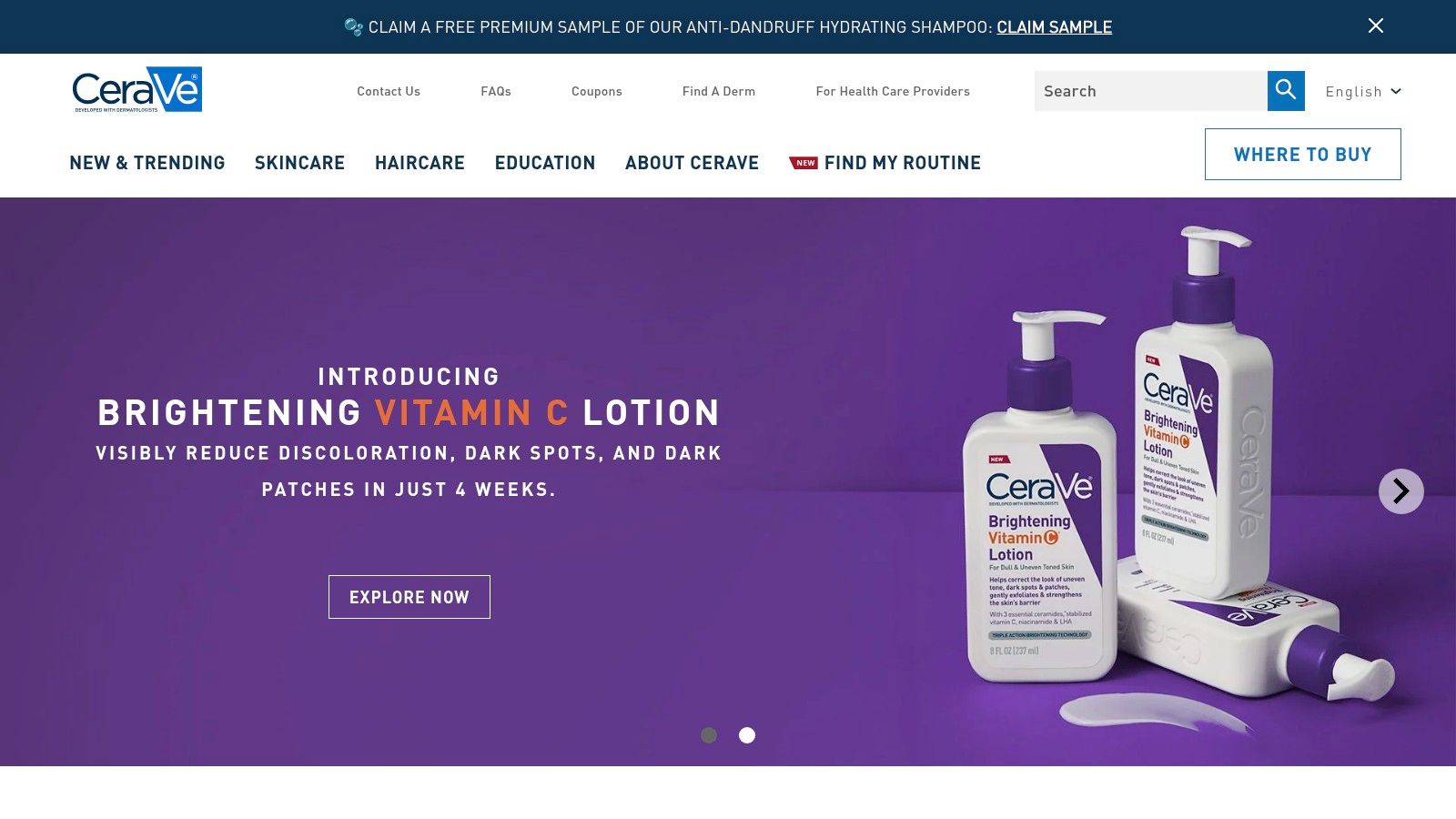
CeraVe is the strongest starting point for a barrier-first routine, particularly if your skin is dry, sensitive, normal, or prone to overreacting after active treatments. Its formulas center on three essential ceramides, NP, AP, and EOP, alongside humectants and its MVE delivery system, which releases moisturizing ingredients over time. That combination gives the brand a practical advantage: products are designed to support the skin barrier without making the routine feel complicated.
The range covers cleansers, moisturizers, body care, acne care, sunscreens, and eye products. The CeraVe Foaming Facial Cleanser is a reliable choice for normal to oily skin, with ceramides, hyaluronic acid, and niacinamide in a cleanser that removes excess oil without leaving the face aggressively tight. Its typical retail price is around $12.39, according to DermApproved's fragrance-free cleanser analysis. For dry or dehydrated skin, choose a creamier cleanser instead.
Best use and trade-off
CeraVe's textures are functional rather than luxurious. They layer well under serums and sunscreen, but shoppers looking for fragrance, rich sensory appeal, or an instantly polished finish may find the experience plain. That's also why CeraVe works so well as a dupe direction for luxury barrier creams and gentle cleansers. You're paying for a straightforward barrier formula, not an elaborate ritual.
The brand is typically fragrance-free and non-comedogenic, making it a sensible option for acne-prone or reactive skin. Still, check the current label of every product rather than assuming the whole range suits you equally. A cleanser, lotion, and sunscreen can have very different textures and supporting ingredients.
Practical rule: Choose CeraVe when your routine needs a dependable base before you add stronger actives.
For a closer look at a popular lightweight moisturizer, see this guide to CeraVe PM Lotion ingredients. The brand's best budget tier is its everyday cleanser and moisturizer pairing, while its luxe-dupe role is strongest in ceramide creams, eye care, and uncomplicated hydration. Explore the current range at CeraVe.
2. La Roche-Posay
La Roche-Posay is the best pick here for shoppers who want sensitive-skin care with especially strong sunscreen options. Its Toleriane range focuses on gentle cleansers and moisturizers for reactive skin, while Anthelios offers multiple sunscreen textures, including fluid, serum-like, milk, and spray formats. That variety matters because sunscreen only helps a routine when you can apply enough of it consistently.
The brand's formulas use soothing positioning and thermal spring water, with a strong pharmacy and dermatologist-adjacent identity. Toleriane products are particularly useful for dry, tight, or easily irritated skin, while Anthelios gives oily and combination skin more wearable options than a single thick sunscreen lotion. Some US Anthelios products also use newer UV filters, depending on the specific product and current availability, so the label is worth checking before purchase.
Best use and trade-off
La Roche-Posay sits at the higher end of drugstore pricing, but it earns that position through texture and specialization. Anthelios formulas often sit smoothly under makeup, making them a realistic alternative to more expensive daily sunscreens such as Supergoop! Unseen Sunscreen. The match is about finish and routine role, not identical ingredients or identical feel.
For sensitive skin, choose a Toleriane cleanser and moisturizer before adding treatment products. For dark spots or uneven tone, a vitamin C product can be useful, but tolerance and packaging matter more than just picking the strongest-sounding label. Don't stack multiple brightening actives on the first day.
- Dry or reactive skin: Start with Toleriane cleansing and moisturizing products.
- Combination skin: Choose a lighter Anthelios texture and apply moisturizer only where needed.
- Makeup wearers: Prioritize a sunscreen that spreads evenly and doesn't pill with your base.
The main drawback is availability. Popular shades and specific sunscreen formats can sell out, especially when shoppers are looking for one particular finish. Check the current range at La Roche-Posay, and treat it as the strongest drugstore-to-prestige swap for daily sunscreen texture and sensitive-skin credibility.
3. The Ordinary
The Ordinary is the best drugstore-adjacent choice for targeted ingredient shopping. Instead of asking you to buy a complete branded ritual, it lets you choose products by active, including niacinamide, hyaluronic acid, glycolic acid, and retinoid options. The INCI-led naming makes the central ingredient easy to identify, which helps shoppers build around a specific concern rather than collect unnecessary steps.
That freedom is useful for oily skin, uneven tone, dehydration, and early texture concerns. A lightweight hyaluronic acid serum can add water-based hydration, while niacinamide can fit routines focused on oil balance and visible unevenness. Glycolic acid and retinoid products require more care because they can irritate when layered too aggressively or introduced too often.
Best use and trade-off
The Ordinary delivers its clearest luxury-dupe value in single-active serums. A simple hyaluronic acid serum can fill the same routine role as a more expensive hydration serum, while a basic squalane product can replace the function of a prestige facial oil. It won't necessarily reproduce the same slip, scent, packaging, or delivery system, so match the job rather than expecting a bottle-for-bottle duplicate.
The risk is over-layering. Ingredient-focused shopping can encourage you to combine too many acids, retinoids, or brightening products at once. Keep the routine deliberately small, especially if you're new to actives.
“Start with one treatment product, then give your skin time to tell you whether it belongs.”
Use a gentle cleanser, one targeted serum, moisturizer, and sunscreen before adding another active. The Ordinary's textures range from watery serums to richer emulsions, so allow each layer to settle and stop if burning or persistent redness develops. For a focused guide to tone concerns, read this comparison of The Ordinary for hyperpigmentation. Shop current formulas and usage directions at The Ordinary.
4. e.l.f. SKIN
e.l.f. SKIN is the best pick for beginner-friendly hydration at a very accessible price. The Holy Hydration! range uses familiar ingredients such as ceramides, hyaluronic acid, and niacinamide across cleansers and moisturizers. The result is a simple, approachable routine for normal, dry, and combination skin that wants comfortable hydration without a specialist ingredient plan.
Texture is the main reason to choose e.l.f. over a purely functional barrier brand. The moisturizers and cleansers tend to feel more sensorial, and the range makes a practical luxury-dupe option for shoppers who like the slip of richer prestige hydrators. The formulas won't be identical to a high-end cream, but they can serve the same routine purpose when your priority is softness, comfort, and easy layering.
Best use and trade-off
Choose e.l.f. SKIN when you want a plug-and-play routine. A cleanser, moisturizer, and facial SPF can create a sensible base without requiring much ingredient knowledge. Frequent promotions and broad availability make it easy to try one product rather than commit to an expensive set.
The brand isn't the best choice for shoppers specifically seeking high-strength retinoids, advanced vitamin C delivery, or a tightly controlled sensitive-skin formula. Some products include fragrance, so read the product page and current ingredient list if your skin reacts easily.
- Normal to dry skin: Try a richer Holy Hydration! moisturizer.
- Combination skin: Use a smaller amount on the T-zone and more on dry areas.
- Sensitive skin: Favor fragrance-free options and patch-test before applying broadly.
- Routine beginners: Keep the range simple and add treatment products later.
The best luxe-dupe use case is a hydrating cream with a pleasant finish, not a clinical active. Learn more about the brand through this guide to whether e.l.f. is a good brand, then compare the current range at e.l.f. SKIN.
5. Neutrogena
Neutrogena does its best work in lightweight hydration and everyday sunscreen. The Hydro Boost range offers hyaluronic acid moisturizers and serums in gel, water-gel, and other texture variations, giving oily and combination skin an alternative to heavy creams. The line is also a practical choice for normal skin that wants hydration without a rich finish.
Its sunscreen range adds another reason to keep Neutrogena in consideration. Many products use Helioplex technology, and the brand offers options for face, body, sport, sensitive skin, and acne-prone routines. Clear Face sunscreen textures are especially useful for people who dislike a greasy finish or want a product that sits comfortably beneath makeup.
Best use and trade-off
Hydro Boost is the closest Neutrogena match for a prestige gel cream or lightweight hyaluronic acid hydrator. The texture is the selling point. It spreads quickly and feels fresh, but it may not provide enough occlusive support for very dry skin, particularly during cold or dry weather.
Skin-type shortcut: Oily and combination skin usually benefits from the gel texture. Dry skin may need a cream or an additional moisturizer over it.
Neutrogena's broad retail presence makes it easy to replace a finished product quickly, and promotions can make the brand especially useful for routine staples. The trade-off is formula confusion. Hydro Boost products can differ by fragrance, dye, SPF, and intended use, while packaging and names may change over time. Read the current label instead of buying from memory.
For a simple routine, pair a gentle cleanser with Hydro Boost, then finish with sunscreen in the morning. If you use a retinol or acid at night, choose the most comfortable fragrance-free moisturizer available to you. Find current product details at Neutrogena.
6. Olay
Olay is the strongest choice for accessible anti-aging routines, especially if you want peptides, niacinamide, and retinol in familiar moisturizer formats. Regenerist products focus on firming and smoothing support, while Retinol24 and related products target night-time texture and tone routines. The brand makes it easier to choose a day cream and a night treatment without building a complicated collection of separate serums.
The textures are more polished than many basic drugstore creams. Olay moisturizers generally suit normal, dry, and mature skin types that prefer a cushiony cream rather than a watery gel. Some fragrance-free options are available in key products, but you should confirm the current label because the range includes multiple formulas and frequent updates.
Best use and trade-off
Olay's clearest luxury-dupe use case is a comfortable firming moisturizer or retinol night cream. It can replace the role of a prestige anti-aging cream for shoppers who prioritize a smoother, richer application experience over a proprietary delivery system. That doesn't mean every retinol product will feel equally gentle, so introduce it gradually.
Use retinol at night, apply it to dry skin, and follow with moisturizer. Don't combine it immediately with exfoliating acids or another retinoid. Wear sunscreen during the day because a retinoid routine needs consistent daytime protection.
- Mature or dry skin: Choose a richer Regenerist texture.
- Combination skin: Use a smaller amount or apply only to drier zones.
- Retinol beginners: Start with a dedicated night product and use it sparingly.
- Fragrance-sensitive shoppers: Check each current formula before purchasing.
The main frustration is naming. Rebrands, strength labels, and similar-looking packaging can make comparison difficult. Focus on the exact product name and ingredient list rather than the front-of-pack promise. Browse the current collection at Olay.
7. Vanicream
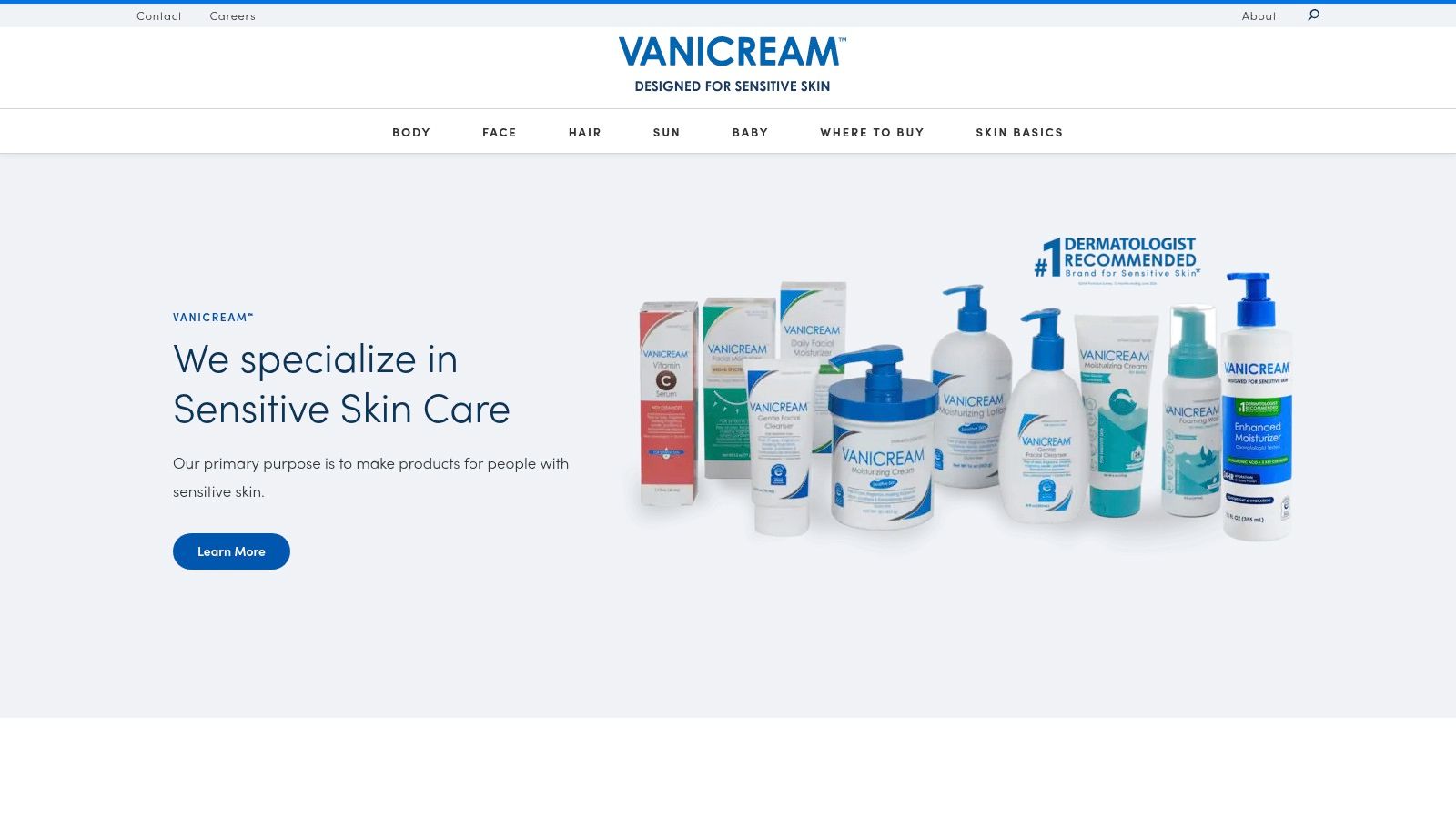
Vanicream is the best option for sensitive, allergy-prone, or easily irritated skin. Its formulas leave out common irritants such as fragrance, dyes, lanolin, parabens, and formaldehyde releasers, then keep the rest of the formula deliberately straightforward. That makes the brand useful when your routine needs stability more than novelty.
The Moisturizing Cream works for face and body, while the gentle cleanser provides a simple starting point for dry or reactive skin. Vanicream also offers a sensitive-skin vitamin C serum and mineral sunscreen, giving cautious shoppers a way to explore targeted care without moving immediately toward a highly active routine.
Best use and trade-off
Vanicream is a realistic alternative to luxury sensitive-skin creams and basic barrier treatments. Its textures are plain, sometimes thick, and not designed to create a spa-like experience. For irritated skin, that lack of fragrance and decorative extras is often a benefit. For shoppers who want a silky serum, elegant jar, or visibly impressive active, the range may feel limited.
Use the cream on dry patches, around the cheeks, or anywhere a lighter lotion isn't enough. If you're acne-prone, test richer products on a small area first because even a gentle formula can feel too occlusive for some skin types.
A mineral sunscreen can leave more visible cast or feel heavier than a fluid chemical sunscreen, so choose based on your tolerance for finish as well as sensitivity. For vitamin C, patch-test carefully and introduce it separately from retinoids or acids.
Vanicream's strongest budget advantage is value per ounce, particularly for face-and-body moisturization. It's also easy to understand at the shelf, which helps when your skin is already stressed. See the current formulas at Vanicream.
Top 7 Drugstore Skincare Brands Comparison
| Brand | Implementation complexity | Resource requirements | Expected outcomes | Ideal use cases | Key advantages |
|---|---|---|---|---|---|
| CeraVe | Low, plug-and-play, layers well with actives | Low cost; widely available in drugstores | Improved barrier function and sustained hydration | Everyday barrier repair, dry/reactive skin, routine basics | Dermatologist-developed; ceramides + MVE time-release hydration; typically fragrance-free |
| La Roche-Posay | Low–Medium, simple to integrate, some specialty SKUs | Moderate price; strong US retail presence but occasional stock limits | Soothing for reactive skin and reliable UV protection | Sensitive skin care and makeup-friendly sunscreens | Clinical/derm credibility; excellent sunscreen textures; thermal spring water |
| The Ordinary | Medium–High, requires ingredient literacy to combine safely | Very low unit prices but may need multiple actives | Targeted active results (tone, texture, hydration) when used correctly | Building customized active routines on a budget | INCI-transparent, high-value single-ingredient actives |
| e.l.f. SKIN | Low, beginner-friendly, plug-and-play | Very low price; mass-retailer availability and frequent sales | Affordable hydration and basic barrier support | Budget-conscious beginners and dupe-seeking shoppers | Vegan/cruelty-free; hydrating formulas with competitive textures |
| Neutrogena | Low, straightforward use for hydration and sun protection | Low–Moderate cost; massive retail footprint | Dependable hydration (Hydro Boost) and layered SPF performance | Everyday skincare, makeup-compatible sunscreens | Helioplex-stabilized sunscreens; popular Hydro Boost line |
| Olay | Low–Medium, simple day/night anti-aging regimen potential | Moderate price; widely available with frequent promotions | Firming, improved tone/texture from peptides and retinol | Accessible anti-aging routines (day firming/night retinol) | Peptide/niacinamide focus; elegant textures and retinol options |
| Vanicream | Low, minimal formulations, easy to patch-test and layer | Moderate value per ounce; pharmacy availability | Reduced irritation and reliable barrier repair | Allergy-prone/sensitive skin, post-procedure, prescription pairing | Omits common irritants; clear labeling and dermatologist/pharmacist friendly |
Build the Routine That Fits Your Skin
A good routine doesn't need all seven brands. Start with the smallest group that solves your actual concerns. A gentle cleanser, a moisturizer, and sunscreen in the morning are what most routines need. Add one targeted serum only when you know what you want to address, then consider eye care as an optional step rather than a requirement.
For dry or sensitive skin, begin with Vanicream or CeraVe cleanser and moisturizer. La Roche-Posay is a strong sunscreen choice when texture determines whether you'll apply enough, while e.l.f. SKIN works when you want a more sensorial moisturizer at a low cost. Keep the routine fragrance-free if your skin is reactive, and don't add exfoliating acids until the basic routine feels comfortable.
For oily or combination skin, use CeraVe Foaming Facial Cleanser or a similarly light cleanser, then choose The Ordinary for one targeted serum or Neutrogena Hydro Boost for lightweight hydration. Use a sunscreen that doesn't leave you greasy, and avoid treating every pore with multiple drying ingredients. Oily skin still needs barrier support.
A retinol, acid, and vitamin C can all have a place in a routine, but they don't need to appear in every routine or on the same night. Introduce one active at a time, patch-test it on a small area, and stop if you develop persistent burning, swelling, or a worsening rash. Sunscreen should be the final morning skincare step, before makeup.
Frequently asked questions
What is the best drugstore skincare for sensitive skin?
Choose Vanicream for the simplest low-irritant foundation, CeraVe for ceramide-focused barrier support, or La Roche-Posay for a broader sensitive-skin and sunscreen range. Start with a cleanser and moisturizer before testing vitamin C, retinol, or acids. If you have eczema, rosacea, severe acne, or another diagnosed condition, ask a dermatologist before changing treatment products.
What is best for dry skin?
CeraVe, Vanicream, and richer Olay moisturizers are the strongest starting points. Look for creams with ceramides, humectants, and a comfortable occlusive finish. Neutrogena Hydro Boost can add water-based hydration, but very dry skin may need a cream over it.
What is best for oily or acne-prone skin?
Choose a gentle foaming cleanser from CeraVe, a lightweight Neutrogena moisturizer, and a sunscreen that dries down comfortably. The Ordinary can help you build a targeted routine, but don't combine several strong actives just because each product addresses a different concern.
What is best for mature skin?
Olay is the clearest choice for peptide, niacinamide, and retinol-focused routines. CeraVe supports the barrier around those actives, and La Roche-Posay provides a dependable sunscreen category. Mature skin often benefits more from consistent moisturizing and sun protection than from constantly changing products.
Can drugstore products replace luxury skincare?
Sometimes. Drugstore formulas can be excellent substitutes for basic cleansing, ceramide moisturization, lightweight hydration, daily sunscreen, and simple eye care. The match is less reliable when the luxury product depends on a specialized delivery system, a distinctive texture, or a high-strength active. Treat “dupe” as a function and texture comparison, not a promise of identical performance.
How should I choose between budget tiers?
Spend first on the products you'll use consistently. A basic CeraVe or Vanicream cleanser may be enough, while you may prefer to spend more on a sunscreen texture you enjoy wearing daily. The best budget tier is the one that gives you reliable use without forcing unnecessary steps into the routine.
How do I patch-test retinoids, acids, vitamin C, and sunscreen?
Apply a small amount to a limited area, then watch for delayed irritation before using the product across your face. Introduce one new active at a time, use it less often than the label maximum when you're starting, and moisturize around it. Sunscreen should also be tested for stinging, breakouts, and cast because its finish can vary widely between formulas.
The best dupe isn't one universal winner. Choose CeraVe for barrier basics, La Roche-Posay for sensitive-skin sunscreen, The Ordinary for targeted actives, e.l.f. SKIN for affordable hydration, Neutrogena for gel moisturizers and everyday SPF, Olay for retinol and anti-aging care, and Vanicream for a pared-back sensitive-skin routine. Match the drugstore product to the luxury texture or function you want, then check the current label before buying.
Finding Favourites offers practical drugstore skincare dupe roundups and luxury-to-budget comparisons organized by product category, concern, and price tier. Visit Finding Favourites to compare affordable skincare swaps and find a routine that fits your skin and budget.