
What Is Eyeshadow Primer for: A Practical Guide
Eyeshadow primer is a base applied to clean lids to grip pigment, block oil, and prevent creasing, so shadow lasts longer and looks more vibrant. The market for it is also real, not a gimmick, with one estimate putting the global category at $609 million in 2025 and projecting $1,104 million by 2034 (Dataintelo).
This post may contain affiliate links, which means I may receive a commission if you purchase through my links, at no extra cost to you. Please read the disclosure policy for more information.
You know the feeling. Your eye look is clean at 9 a.m., then by lunch the outer corner has faded, the crease is gathering product, and that pretty shimmer is suddenly sitting in tiny lines. That's the exact mess primer is meant to stop, and it's also why some people swear by it while others keep asking if concealer can just do the same job.
What Eyeshadow Primer Is For and Why It Matters
Eyeshadow primer is a lid-specific base that goes on after skincare and before shadow. Its job is simple, but it has three parts that matter in real life, it helps pigment stick, it keeps oil from breaking down the look, and it gives shadow a smoother surface so it reads cleaner and more saturated.
That's why it became a staple for both professionals and everyday makeup wearers. Beauty education sources describe it as a grippy, smooth canvas that intensifies color and helps prevent smudging and creasing, which is especially useful on oily or hooded lids where shadow tends to slide first (Intel Market Research, Marie Claire UK). The point isn't to make your eyeshadow “fancier,” it's to keep the work you already did from collapsing halfway through the day.
The practical reason it earns a spot
If you wear bold pigment, shimmer, matte looks, or anything you want to last past lunch, primer earns its keep fast. It also helps beginners who get patchy blending because the shadow has something consistent to cling to instead of raw skin texture.
Practical rule: if your eye makeup disappears, creases, or turns muddy before you want it to, primer is solving a real problem, not adding another unnecessary step.
It's also not the same thing as face primer or concealer. Face primer is built for the whole complexion, concealer covers, and eye primer is made for the unique mix of thin skin, oil, movement, and fine lines on the lid. The rest of this guide gets into the formulas, the application that works, the concealer debate, and where the smart drugstore swaps are.
How Eyeshadow Primer Works on Your Lids
Primer changes the eyelid surface before shadow goes on. Independent beauty coverage describes it as a slightly tacky, low-lipid base that helps makeup stick better, slows creasing, and keeps natural oils from breaking down powder or cream products (Wikipedia, Primer cosmetics)).
Grip comes from texture, not magic
Most primers rely on polymers, silicones, or adhesive-style film formers to create that clingy surface. That is the “double-stick tape” effect makeup artists mean, and it is why powders, creams, and liners sit better on primed lids than on bare skin (womanandhome).
Oil control keeps the look from melting
The next job is handling sebum. Beauty science coverage points to silica, talc, and polymer matrices as the ingredients that help absorb or resist oil, which is usually what sends shadow into the crease or makes it transfer above it (Beauty Nexus Pro). On oily lids, that is the difference between a look that holds and one that slides by midday.
Color payoff is really about surface quality
Primer also smooths microtexture, so light reflects more evenly. That gives pigment a richer look and cuts down the patchy effect you get when shadow grabs unevenly across the lid. Tinted primers go one step further by evening out discoloration, so veins, redness, or deeper lid tone do not distort the color you meant to wear (Oprah Daily).
Formula feel changes the finish
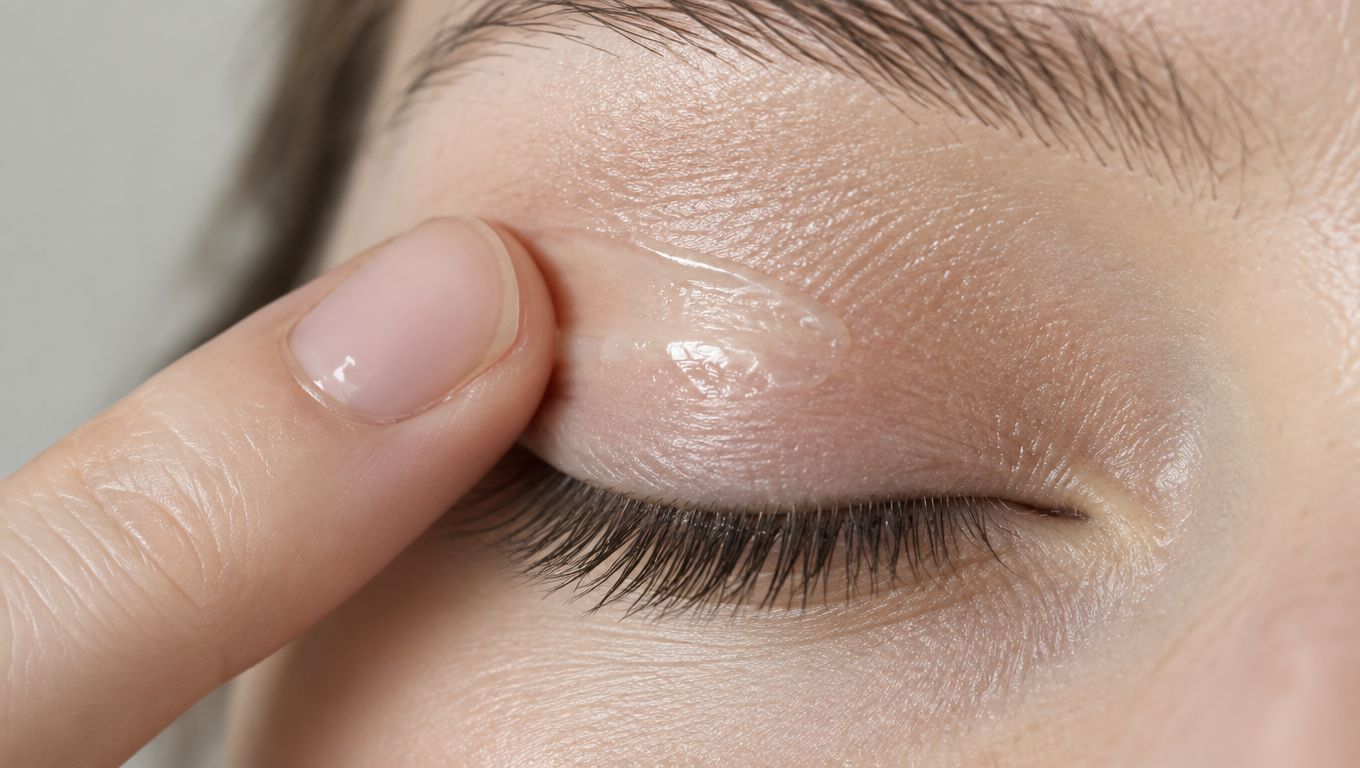
A silicone-based primer usually feels smoother and more slip-resistant, while a water-based primer feels lighter and less velvety. The formula changes how the lid looks and feels, but the goal stays the same, better grip and longer wear.
Primer is a layer, not a treatment. It works with skincare, so a dry lid still needs hydration and an oily lid still benefits from oil control underneath.
Types of Eyeshadow Primer and Who Each One Suits
The right primer depends on how your lids behave, not on what is trending on TikTok. If your lids are dry or mature, a cream primer usually feels better because it adds cushion before shadow goes on. If your lids run oily or you wear powder-heavy shadows, a liquid formula is the better pick because it dries lighter and grips harder.
| Format | Texture | Best For |
|---|---|---|
| Cream | Rich, conditioning, emollient | Dry lids, mature lids, cream shadows |
| Liquid | Thin, fast-drying, tacky | Oily lids, powder shadows, long wear |
| Stick | Quick glide, portable | Hooded eyes, travel, fast application |
| Tinted | Beige or skin-toned, color-correcting | Discoloration, brightening, deeper payoff |
| Clear | Invisible, universal | Vivid shades, duochromes, photography |
Cream, liquid, and stick all behave differently
A cream primer is the one to reach for if your lid looks flaky or you prefer cream shadow on top. A liquid primer usually gives the strongest hold with powders because it dries down fast and stays light. A stick is the speed option, especially on hooded lids where you want less movement before the product sets.
Wear time shifts by format, too. Creams tend to feel more forgiving but can crease sooner on very oily lids. Liquids usually last the longest on everyday powder looks. Sticks sit in the middle, and they are best when you need quick application more than maximum hold.
Tinted versus clear is a real choice
Tinted primers make the lid tone look more even, so shadow reads truer and cheaper powders look less muddy. That is the version I reach for when redness, veins, or deeper lid color keep changing the final shade. Clear primers are the safer pick for duochromes, bright metallics, and any shade where you do not want the base to interfere with the color.
My blunt take: if you only buy one, start with a clear liquid primer. It is the least fussy option, and it works for the widest range of shadows.
How to Apply Eyeshadow Primer the Right Way
Start with a clean, dry lid. If you pile primer on top of greasy moisturizer or a damp concealer, you're weakening the grip before shadow even goes on. Use a rice-grain amount, not a blob, and tap it from lash line to just above the crease, then blend it thinly so the surface looks even, not wet.
The best tool depends on the formula. A ring finger works well for cream primers because the warmth helps it spread evenly. A synthetic flat brush is better for liquid formulas when you want a thinner, more controlled layer. Either way, tap more than you swipe, because swiping can drag product into one heavy patch and create pilling.
Set it only where it matters
Give the primer about 30 to 60 seconds to settle before shadow. If your lid is very oily or your eye shape creases fast, press a little translucent powder only into the crease area, not all over the lid, so you don't kill the payoff on the mobile lid.
Use more restraint with shimmer than with matte. Shimmer and foil shades already bring their own texture, so a thick primer layer can make them grab unevenly. If you want the exact mechanics laid out visually, this primer application guide is a useful reference.
Practical rule: thin layer, brief wait, then shadow. Most primer problems come from too much product, not too little.
Do You Really Need Primer or Can Concealer Do the Job
Concealer can fake the job for a quick daytime look, but it's not the same product. It covers well, yet it usually brings more emollient slip, so it can crease faster on oily or hooded lids than a true eye primer does (People).
Where concealer makes sense
If your lids are dry and you're wearing a soft matte look for a few hours, concealer is often “good enough.” It can also work if you already own one you love and you're trying to avoid buying another product for a simple routine. For the most part, that shortcut is fine when longevity isn't the main goal.
Where primer wins without question
Dedicated primer is better for oil control, color payoff, and all-day wear. It's also the more reliable choice for hooded lids, long events, or days when you want shadow to stay put instead of softening into a crease. Recent beauty guidance also notes that primer can help cream, liquid, and pencil formulas adhere more cleanly across the lid (e.l.f. Cosmetics).
A hybrid trick works well on budget. Use concealer only where you want coverage, then tap a thin layer of primer in the crease or along the mobile lid if that's where your makeup usually breaks first. That gives you the convenience of concealer without asking it to do a primer's job.
If you're choosing between spending on eye primer or a new concealer, I'd pick the primer for anyone who wears shadow regularly. For a lighter eye look, the concealer hack is fine. For a real wear test, primer is the safer bet, and this concealer comparison guide shows how much the formulas can differ.
Best Eyeshadow Primer Dupes You Can Buy at the Drugstore
If you want the effect without paying luxury prices, start here. These are widely available U.S. options that match the job, grip, smooth, and keep shadow from sliding around, without needing a prestige label.
| Dupe | Mimics | Price Range |
|---|---|---|
| e.l.f. Lock It Down | P. Louise-style grip primer | Budget-friendly drugstore |
| NYX HD Eye Shadow Base | Urban Decay-style daily primer | Budget-friendly drugstore |
| Wet n Wild Photofocus | P. Louise-style smoothing base | Budget-friendly drugstore |
| Maybelline Tough As Taupe | Matte, neutral lid base | Budget-friendly drugstore |
| ColourPop Shadow Potion | Lorac-style shadow base | Budget-friendly drugstore |
| Milani Eyeshadow Primer | Sensitive-lid friendly option | Budget-friendly drugstore |
The six dupe picks that actually make sense
e.l.f. Lock It Down is the one I'd hand to someone who wants a tacky, no-nonsense base without overthinking it. It's a solid pick for oily lids and powder shadow, and it's the kind of tube that gets used up because it solves a simple problem well. Finding Favourites also points readers toward dupe-style shopping, and this one fits that budget-first mindset cleanly.
NYX HD Eye Shadow Base is the safer all-rounder. It's the one I'd reach for if I wanted a familiar, easy-to-use primer that works with everyday powder looks and doesn't demand much technique.
Wet n Wild Photofocus gives you that smoother base feel for very little money. It's useful when you want a lighter investment and don't mind a formula that's more about practical wear than luxury texture.
Maybelline Tough As Taupe is the mattifying choice here. I'd put it on lids that get shiny fast or on days when I want the eye area to stay neutral under shadow instead of looking glossy.
ColourPop Shadow Potion makes sense if you want a base that plays nicely with more colorful shadow looks. It's the dupe I'd try when the goal is helping pigment read brighter without turning the whole lid heavy.
Milani Eyeshadow Primer is the one to keep in mind for sensitivity concerns. It's also the most comfortable recommendation for someone who wants a calmer, easy everyday tube rather than a product that feels aggressively gripping.
What I'd buy first
If your lids are oily and you wear powder shadow a lot, start with e.l.f. Lock It Down or NYX HD Eye Shadow Base. If you want something more forgiving, Milani Eyeshadow Primer is the gentler bet. For more budget dupe options and comparison shopping, this dupe roundup is worth a look.
Common Eyeshadow Primer Mistakes and How to Fix Them
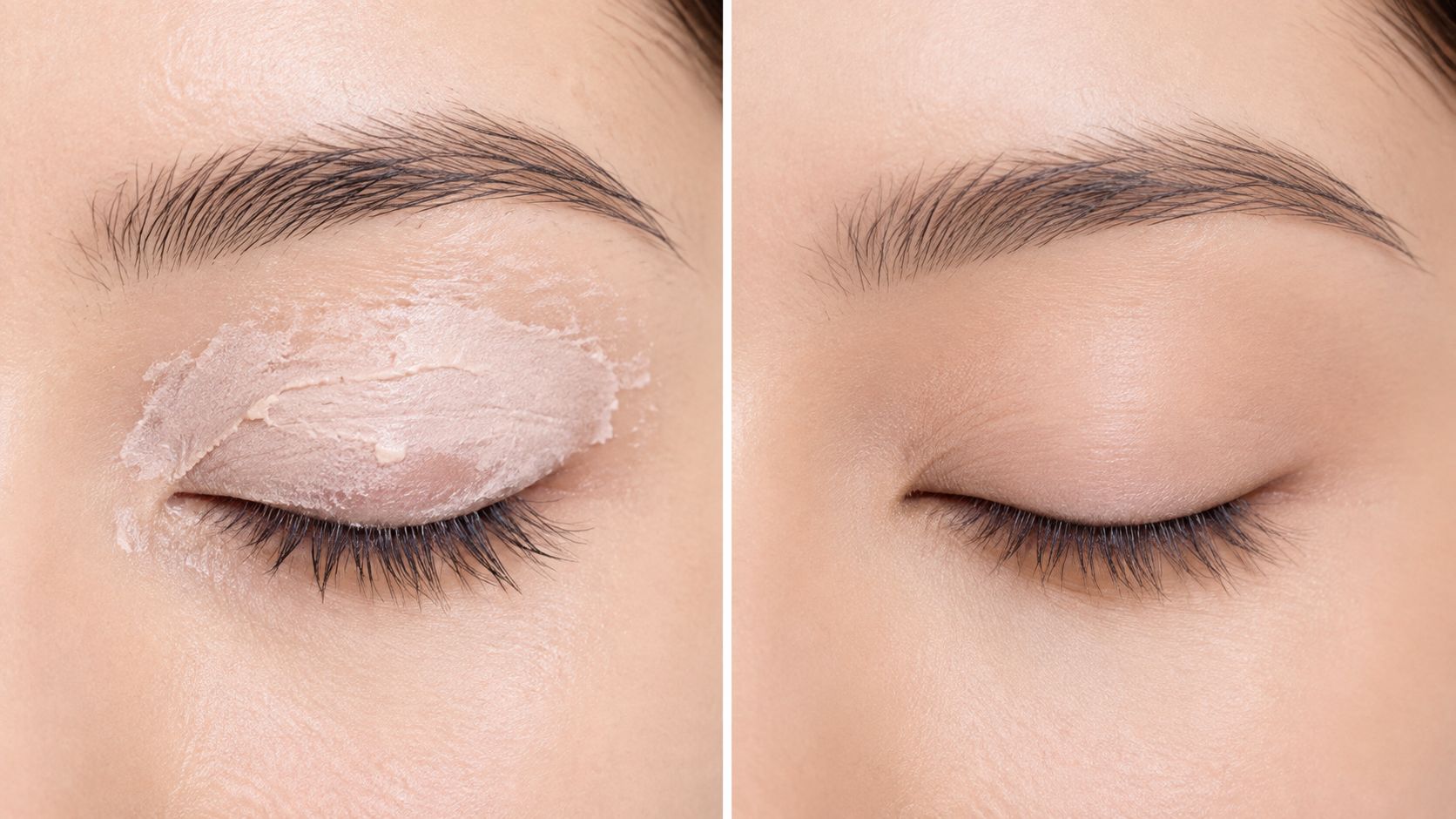
The biggest primer mistakes are boring, which is exactly why they keep happening. People use too much, pick the wrong formula for their lid type, or put it on top of skin that isn't set yet. That's how a product meant to help ends up making shadow pill, slip, or look heavier.
Four errors that ruin the finish
- Using too much product: a thick layer creates a tacky film that can pill under powder. The fix is simple, use a rice-grain amount and press it thin.
- Choosing the wrong formula: silicone-heavy primers can emphasize dryness on mature lids, while a light cream base may not hold up on oily hooded lids.
- Skipping primer on the wrong lid type: monolids, hooded lids, and sweaty lids usually need more help, especially with shimmer or foiled shades.
- Layering over wet skincare or greasy concealer: that weakens adhesion, so wait until skin settles or lightly powder the area first.
The fix for all four is fast. Match the formula to the lid, keep the layer thin, and let it set before shadow touches it. That one change usually does more than buying a fancier tube.
A quick wear-time reset
If your eye makeup keeps failing in the same spot, don't blame the whole formula first. Check where the breakdown starts, the crease, the center of the lid, or the outer corner, then adjust the primer placement there.
Final Thoughts on Finding Your Go-To Eyeshadow Primer
Eyeshadow primer earns its place the second your shadow starts fading, creasing, or looking muddy before you want it to. If your lids are dry and you wear a soft look for a short day, you can skip it. If you deal with oil, hooded shape, or pigment that won't stay put, primer is the smarter buy every time.
My honest pick is a cheap drugstore liquid primer first, because it's the easiest way to learn what your lids need without wasting money. For oily lids, a tacky clear liquid is the most reliable starting point. For dry lids, a more cushioning cream can feel better, but only if you don't need heavy oil control.
If I had to point to one dupe path for a budget shopper, I'd start with e.l.f. Lock It Down for grip and Milani Eyeshadow Primer if you want something more forgiving. That's the cleanest way to test whether primer changes your wear in actual application, not just on the back of your hand.
If you want more smart swaps like this, Finding Favourites keeps the focus on affordable beauty alternatives that perform well. Visit the site to browse more dupe roundups, compare formulas, and find the next budget-friendly product worth trying.