
How to Apply Setting Spray: Expert Tips for Flawless Makeup
You've spent half an hour perfecting your foundation, blending concealer, setting your blush, and getting your mascara just right. Then lunch arrives, and your makeup has faded around the nose, gathered in patches, or transferred onto anything that touched your face. Learning how to apply setting spray correctly can make a noticeable difference, but the technique matters just as much as the formula.
This post may contain affiliate links, which means I may receive a commission if you purchase through my links, at no extra cost to you. Please read the disclosure policy for more information.
Why Your Setting Spray Technique Matters
Setting spray isn't just a refreshing mist. Its job is to create a light film over finished makeup, helping the layers resist the effects of heat, sweat, humidity, rain, and movement. Formulation references identify film-forming ingredients such as PVP, VP/VA copolymer, acrylates copolymer, and silicone acrylate emulsions as materials that can create a flexible film in spray products, as described in this technical overview of film-forming polymers.
That film needs to land evenly. If you spray too close, you can leave wet spots or visible droplets. If you hold the bottle too far away, much of the product may disperse before it reaches your skin. A single concentrated burst can also leave some areas protected while others receive very little product.
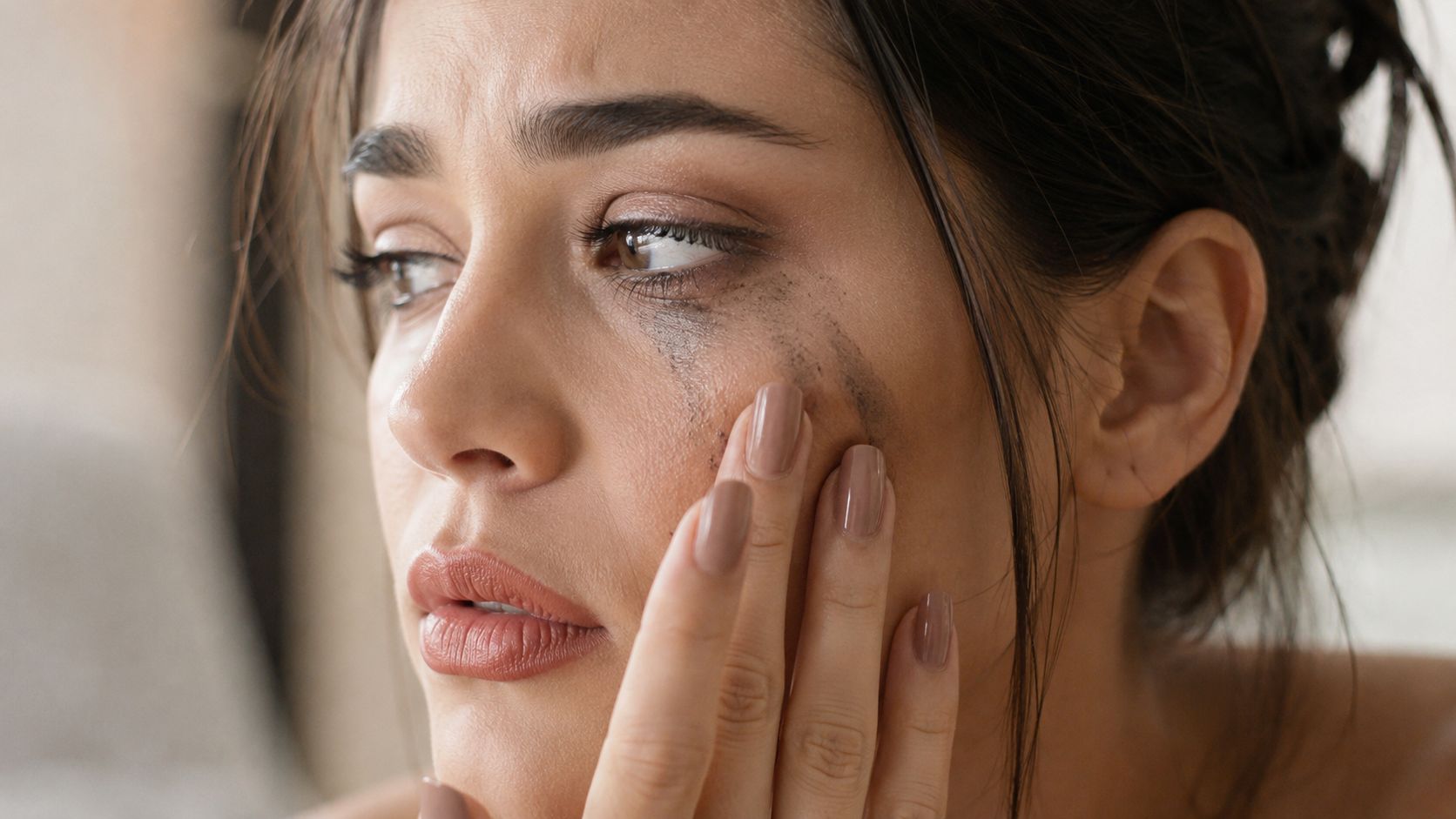
Why the final layer matters
Setting spray moved from professional theatre and film use into mainstream beauty because performers needed makeup to remain intact during long periods of activity. Skindinavia is cited as the first consumer-facing setting spray brand, with its Makeup Finishing Spray launched for film and television artists in Los Angeles and New York in 2007, following the company's foundation in November 2004, according to the history of setting spray.
That background explains the product's traditional placement. It was designed to protect a completed face, not replace primer or act as a mixing medium inside foundation. Professionals treat it as a finishing step because the polymer layer needs to sit over the makeup rather than underneath it.
Practical rule: A good setting spray can't rescue makeup that's still wet, heavily creased, or poorly blended. It can help preserve a finished application, but it won't correct the layers beneath it.
For more ways to improve longevity, pair this technique with the routine in how to make makeup last all day. The spray works best when the base underneath is thin, even, and settled.
The Correct Way to Apply Setting Spray
Shake the bottle first so the formula is evenly mixed. Hold it 8 to 10 inches from your face. That spacing helps the nozzle produce a fine, even mist instead of concentrated wet patches, as explained in this professional guide to setting spray application.
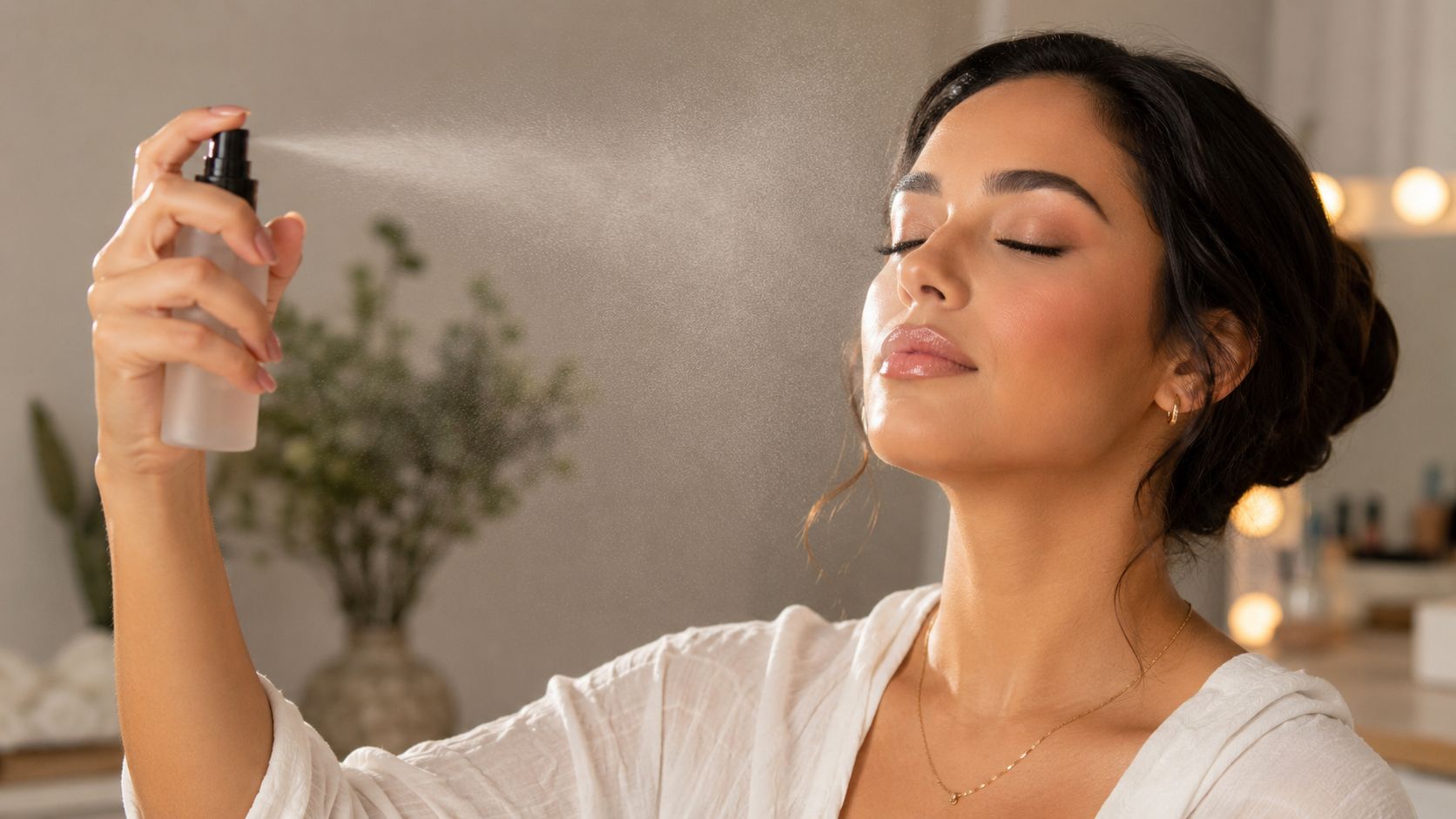
Close your eyes and relax your mouth before pressing the nozzle. Keep the bottle moving throughout the spray. Holding it still over one area can leave that patch wetter than the rest of the face.
An X-and-T pattern gives dependable coverage. Sweep across the face in an X, then mist down the centre of the forehead, nose, and chin. A circular motion also works, as does aiming at five areas, the forehead, both cheeks, nose, and chin. Follow the shape of the face rather than repeatedly covering only the centre.
Most faces need 3 to 4 mists, depending on the nozzle and the amount of makeup applied, according to this setting spray pattern guide. A full-glam look may need careful coverage along the jawline and hairline, while a light base usually needs fewer passes. Stop once the mist has distributed evenly. The skin should not look soaked or glossy with liquid sitting on top.
Adjusting the technique
A narrow or oval face needs a spray path wide enough to reach the outer cheeks and jaw. For a wider face, make a deliberate pass toward each side instead of concentrating on the centre. Nozzle performance matters too. If the bottle spits or releases a heavy stream, move it farther away and use a slower hand movement. A fine mister can cover the face with fewer passes.
Leave the face untouched while the product dries. Avoid rubbing, fanning aggressively, or pressing in the mist, since each action can disturb the makeup underneath. A handheld fan is acceptable on a gentle setting, held far enough away that it does not shift foundation, blush, or powder.
The right application leaves a thin, even film across the finished makeup. More spray does not automatically provide more hold.
When to Apply Setting Spray in Your Routine
Setting spray normally goes on after foundation, concealer, powder, blush, mascara, and lipstick. Its job is to finish the makeup already in place, so applying it earlier can disturb the surface when you add later products. For the complete application sequence and timing, follow the guidance in section 1 rather than repeating those steps here.
Placement within the routine changes for layered makeup. A light mist after foundation and concealer can help powder sit more cohesively, while a final mist seals the completed look. This “makeup sandwich” approach is covered in Finding Favourites' drugstore setting spray guide, and it can be useful for fuller coverage or makeup that tends to look powdery.
Use a lighter hand between layers. Excess liquid can re-wet the base, loosen pigment, or cause pilling when more complexion products follow. Blend cream blush or bronzer completely before spraying. With powder products, brush away visible excess first so the mist does not turn a dusty surface uneven.
A targeted mid-routine mist also makes sense when you need to soften powder before adding cream colour. Keep the spray fine and controlled, then allow the layer to settle before continuing. This is a corrective step, not a reason to spray after every product.
The final mist should remain the last cosmetic layer unless another product is specifically made to sit over it. Adding powder immediately afterward can interrupt the finish and create uneven texture. If shine develops later, blot the oily areas first instead of automatically applying more spray.
A setting spray can support several stages, but each extra layer should solve a clear problem. Use the smallest amount that gives the finish and hold you need.
Spray Patterns and Coverage Techniques
The X-and-T pattern is the most dependable all-purpose method. The diagonal passes cover the cheeks and outer face, while the vertical pass reaches the forehead, nose, and chin. It works particularly well for full-face makeup because it creates a planned route across the areas most likely to show fading.
Circular motion feels softer and more intuitive. It's useful when you're wearing lighter makeup and want a diffused mist without sharply changing direction. Keep your hand moving in a wide circle, though. Small circles held close to one area can still create concentration and patchiness.
Five-point targeting is practical when you want control. Mist the forehead, each cheek, the nose, and the chin, then make a light pass around the jawline if necessary. This approach suits minimal makeup, smaller faces, or formulas with a powerful nozzle.
| Pattern | Best for | Main caution |
|---|---|---|
| X and T | Full-face makeup | Keep the bottle moving |
| Circular | Light, natural makeup | Use wide circles |
| Five-point | Controlled coverage | Don't neglect the jawline |
A static burst is the least reliable option. It can saturate the centre of the face while missing the hairline, temples, and lower cheeks. If you have a strong spray nozzle, increase the distance slightly within the recommended range and use shorter passes. If the mist is extremely fine, take a careful second pass instead of bringing the bottle closer.
Coverage should be even, not visibly wet. If you can see droplets collecting, the nozzle is too close, the pass is too slow, or you're applying more product than your makeup needs.
Common Setting Spray Mistakes to Avoid
Setting spray cannot compensate for every base problem. A heavy layer of foundation, excess skincare, or poorly blended powder may still crease and separate, even when the finishing product is applied correctly. Check the makeup underneath before deciding that the spray has failed.
The mistakes that reduce wear
- Skipping the shake: Ingredients can settle in the bottle. Shake it before application so the formula is mixed and the mist stays more consistent.
- Spraying over wet makeup: A liquid mist can move damp foundation and cream products. Give the base enough time to feel tacky rather than wet.
- Touching too soon: Fingers, a sponge, or a tissue can disrupt the film while it forms. Let the face dry naturally instead of rubbing a cheek to check it.
- Using one heavy burst: A concentrated stream can leave some areas wet and others untouched. Several controlled passes give the formula a better chance to distribute evenly.
- Blaming the spray for a heavy base: Thick makeup, excess moisturiser, and unblended powder remain likely causes of creasing or separation. Setting spray supports preparation, but it cannot replace it.
A fan is useful when time is limited, provided the airflow stays gentle. Strong air can shift mascara, blush, or loose powder, while light airflow helps the surface dry without disturbing the makeup. Surface dryness may arrive within 30 to 60 seconds, but leaving the face untouched for at least 5 minutes gives the film more time to form, according to this setting spray drying guidance.
The finish also depends on friction. A 2023 evaluation compared spray-treated silicone skin with an untreated control during scraping tests. Every group lost material, and the treated samples remained separate categories for antiwear assessment, as described in this setting spray testing review. Use the result as a practical reminder: technique can support wear, but no setting spray makes makeup fully resistant to rubbing, masks, collars, or frequent face touching.
Best Setting Spray Dupes That Deliver
Affordable formulas can reproduce a luxury finish when the formula, nozzle, and film-forming system suit your makeup. A similar bottle is not enough. Milani Make It Last Original Natural Finish Setting Spray offers a widely available, natural finish with a dewy lean, while higher-priced formulas may feel finer or lighter as they leave the nozzle.
The comparison below focuses on finish and practical trade-offs. Retail prices change, so check the current listing before buying.
Setting Spray Dupes Comparison
| Product | Price | Finish |
|---|---|---|
| Milani Make It Last Original | Drugstore | Natural, dewy |
| One/Size Powder Melt Glass | Prestige | Glossy, hydrated |
| Danessa Myricks Yummy Skin Mattifying | Prestige | Soft matte, blurred |
1. Milani Make It Last Original Natural Finish
Milani suits anyone who wants a natural finish instead of a strongly matte surface. In side-by-side testing reported by this setting spray comparison, it held makeup together well, although the mist felt heavier and looked dewier than the Danessa Myricks formula tested against it.
That trade-off helps skin that looks flat after powder or suits makeup with visible glow. If you are sensitive to texture or product feel, use a light pass and keep the bottle moving. The heavier mist is more noticeable on the skin.
2. One/Size Powder Melt Glass Setting Spray
Choose One/Size for a glossy, hydrated finish and stronger support for cheek colour. In a comparison with Em Cosmetics Divine Water Perfecting Mist, the One/Size side kept blush and bronzer more visible through the day, while the Em Cosmetics side showed more fading and dryness in the tester's assessment, documented in this One/Size and Em Cosmetics wear test.
Its finish suits cohesive powder blending, glow, and a smooth-looking complexion. Select another formula if you want a flat matte result.
3. Danessa Myricks Yummy Skin Liquid Blurring Balm Mattifying Setting Spray
Danessa Myricks provides the premium comparison point for a soft matte, blurred appearance. In the cited testing, it felt lighter and looked smoother than Milani. Milani produced a dewier finish with a more noticeable product feel.
Milani is the practical budget swap. Danessa Myricks is the benchmark for a refined, softly matte luxury finish, not the lower-cost option. For more affordable comparisons, consult Finding Favourites' drugstore setting spray roundup.
Setting Spray Questions Answered
Does oily skin need a different technique? Use thin makeup layers, let them settle, and focus the mist evenly rather than adding extra spray to shiny areas. Blot oil later instead of repeatedly wetting the face.
Can I reapply setting spray after touching up? Yes, but only after blotting and blending the touch-up. A light mist is safer than saturating freshly powdered areas.
Can setting spray go over skincare? It belongs over makeup, not directly over wet skincare. Let skincare absorb before applying base products.
Why does my makeup still fade? Friction, oil, humidity, and an overly thick base can all contribute. Check preparation, powder placement, spray distance, and drying time before changing products.
Finding Favourites helps you compare affordable alternatives to luxury makeup, skincare, and fragrance through researched dupe roundups and practical product guides. Visit Finding Favourites to compare setting sprays and discover budget-friendly options for the finish you want.