
Best Affordable Clean Skincare Brands: Top Dupes for 2026
You're standing in a drugstore aisle with three “clean” moisturizers in your basket, a dozen ingredient claims on the labels, and no clear idea which one will help your skin. One promises glow, another says barrier support, and a third looks expensive despite sitting beside budget products. The problem isn't a lack of choice. It's that most clean skincare lists rank brands instead of matching products to real concerns.
This guide takes a sharper route. You'll find 12 affordable clean skincare brands, each paired with a higher-end alternative, then three practical routines for dry, acne-prone, sensitive, and mature skin. I'm also separating useful formulas from green packaging and vague “non-toxic” language, because a lower price only matters when the product earns a place in your routine.
This post may contain affiliate links, which means I may receive a commission if you purchase through my links, at no extra cost to you. Please read the disclosure policy for more information.
Why Your Search for Clean Skincare Probably Starts With the Wrong Question
The wrong question is, “Which clean skincare brand is best?” That usually leads to routine stacking, where you buy a cleanser, toner, two serums, an oil, an exfoliant, and a moisturizer because every product carries a reassuring label. Your skin then has to handle several new formulas at once, and your budget takes the hit before you know what works.
Ask a narrower question instead: What problem am I trying to solve first? Acne-prone skin needs a restrained routine with suitable actives. A damaged barrier needs fewer irritants and more supportive ingredients. Sensitive skin usually benefits from fragrance-free basics, while dry skin needs humectants, emollients, and consistent moisturization.
Treat the label as a filter, not proof
“Clean beauty” has no legal definition in the United States, and the FDA doesn't define or enforce the term, so a company can use the label without meeting one universal government standard. Private retailer programs create their own criteria, but those standards can differ. This regulatory overview of clean beauty is useful context before you treat a seal or slogan as a safety guarantee.
That doesn't make clean skincare meaningless. It means you should inspect the formula, the brand's ingredient policy, the intended skin concern, and the return policy together.
Practical rule: Pick one concern, one treatment product, and one simple moisturizer before adding anything else.
The market is broad enough to support affordable options. The global clean beauty market was estimated at USD 10.49 billion in 2025 and is projected to reach USD 11.93 billion in 2026 and USD 35.30 billion by 2033, with a projected 16.8% compound annual growth rate from 2026 to 2033, according to Grand View Research's clean beauty market report. That growth gives shoppers more access, but it also gives marketing more room to blur the difference between a thoughtful formula and a photogenic label.
What “Clean Skincare” Actually Means in 2026
Clean skincare is a brand positioning term, not a single formulation rule. In the United States, the FDA doesn't define or enforce “clean,” which leaves retailers and individual companies to create their own interpretations. Retail programs may set restrictions around ingredients such as SLS and SLES, parabens, formaldehydes, phthalates, mineral oil, certain silicones, or synthetic fragrance, but one program's exclusions aren't automatically shared by another.
That's why a retailer seal can be useful without being definitive. It tells you that a product passed that retailer's stated criteria. It doesn't tell you whether the formula suits your acne, dryness, rosacea, eczema, or compromised barrier.
Four labels shoppers regularly confuse
Clean generally refers to a company's ingredient exclusions, sourcing choices, packaging claims, or formulation philosophy. The details vary by brand.
Natural usually points toward ingredients derived from plants, minerals, or other natural sources, but “natural” doesn't automatically mean gentle. Essential oils and fragrant botanical extracts can still bother reactive skin.
Organic relates to how certain agricultural ingredients are grown and processed when a recognized certification applies. It doesn't describe every ingredient in a finished cosmetic or guarantee that the product will solve a clinical concern.
Non-toxic sounds precise, but it often functions as broad marketing language. Without a defined standard, you need to ask which ingredients the brand excludes and why.
A transparent company should make that information easy to find. Look for a complete ingredient list, a clear policy, product-use instructions, and sensible claims. If the front label shouts “clean” while the brand avoids explaining its standards, I'd spend your money elsewhere.
What to prioritize on the back label
For sensitive skin, start with fragrance-free options and avoid piling on multiple botanical extracts because they sound wholesome. For barrier repair, look for ceramides, glycerin, hyaluronic acid, niacinamide, and bland emollients. For acne, judge the treatment ingredient and the overall routine, not the word “natural.”
A useful companion for shoppers comparing moisturizers is this guide to a paraben-free moisturiser. The practical takeaway is simple: read “clean” as a starting point, then judge the product by its formula and your skin's response.
The Skincare Value Checklist That Separates Real Deals From Hype
Affordable skincare doesn't need a dramatic ingredient story. It needs the right ingredients in a formula you'll use consistently. For barrier support, I look first for niacinamide, ceramides, glycerin, hyaluronic acid, peptides, and plant antioxidants, all of which appear frequently in budget-friendly clean formulas highlighted by this clean skincare brand roundup.
A low-cost moisturizer containing glycerin and ceramides can be a smarter purchase than a pricier cream built around fragrance, elaborate packaging, and a long list of decorative extracts. The ingredient list doesn't need to be short for its own sake. It needs to make sense for the product's job.
The ingredients that earn their shelf space
Glycerin and hyaluronic acid help attract and hold water, making them useful in hydration-focused routines. They work best when you seal them in with a moisturizer rather than applying a watery serum and stopping there.
Ceramides support the skin barrier, especially when dryness and tightness are the main complaints. They're particularly useful in a routine that avoids unnecessary exfoliation.
Niacinamide can fit into routines targeting oiliness, uneven tone, or barrier support. If your skin is reactive, choose a straightforward formula and introduce it gradually.
Peptides and plant antioxidants can add value, but I won't pay a premium for them when the base formula is irritating or the moisturizer leaves skin dry.
Use price as a clue, not a verdict
Many mainstream clean products sit above $40, while independent coverage has identified numerous options below $15 through major retail channels. Allure's affordable clean beauty coverage also notes that sourcing alone doesn't account for most markups. Packaging, overhead, positioning, and marketing can inflate the price.
| Ingredient Green Flag | Red Flag to Avoid | What You Should Pay |
|---|---|---|
| Glycerin, ceramides, niacinamide | Heavy fragrance in a sensitive-skin product | Under $15 for basic cleansers and simple staples |
| Hyaluronic acid, peptides, antioxidants | A long ingredient story with no clear skin concern | Under $25 for targeted serums and barrier formulas |
| A useful active in a stable, transparent formula | Expensive packaging replacing meaningful formula value | Under $40 for more specialized treatments |
At the lowest tier, expect practical cleansers, basic moisturizers, and uncomplicated serums. In the middle tier, you can find more elegant textures and targeted ingredients. Above that, demand a meaningful upgrade, such as a better delivery system, stronger formula design, or a product that replaces several steps.
Value test: If you can't explain what the product does, which ingredient does the work, and where it fits in your routine, don't buy it.
12 Affordable Clean Skincare Brands and Their Best Dupes
The products below are widely available in the United States and selected for a specific job, not just because their packaging looks polished. Prices can change by retailer, so treat the listed amounts as shopping context rather than permanent price promises. For a broader international beauty detour, you can also browse Japanese makeup brands, especially if you enjoy comparing minimalist formulas across markets.
| Brand | Standout Pick | Higher-End Dupe |
|---|---|---|
| The Ordinary | Hyaluronic Acid 2% + B5 | SkinMedica HA5 |
| Versed | Dew Point Moisturizing Gel-Cream | Youth to the People Superfood Air-Whip |
| Cocokind | Ceramide Barrier Serum | Drunk Elephant Ceramidin |
| CeraVe | Hydrating Facial Cleanser | Tatcha Rice Wash |
| La Roche-Posay | Toleriane Double Repair Moisturizer | SkinCeuticals Triple Lipid Restore |
| Paula's Choice | 10% Niacinamide Booster | Allies of Skin Niacinamide |
| Eucerin | Advanced Repair Cream | First Aid Beauty Ultra Repair Cream |
| Olay | Regenerist Micro-Sculpting Cream | La Mer Crème de la Mer |
| Pacifica | Future Youth Moisturizer | Sunday Riley ICE |
| Acure | Radically Rejuvenating Whipped Night Cream | Kiehl's Ultra Facial Cream |
| Youth to the People | Superfood Cleanser | iS Clinical Cleansing Complex |
| Tower 28 | SOS Barrier Recovery Cream | Dr. Jart+ Ceramidin Cream |
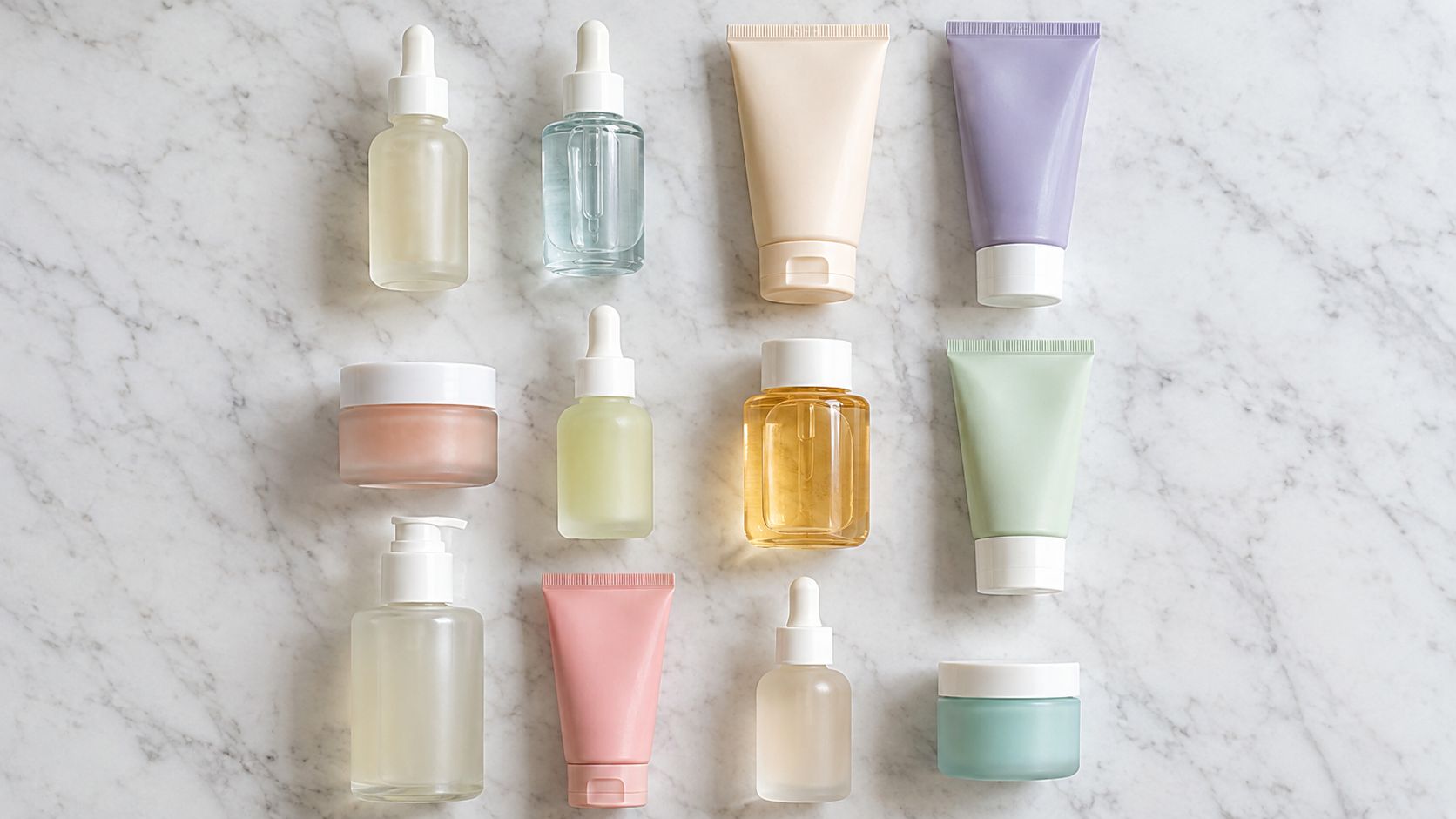
The concern-based shortlist
The Ordinary, Hyaluronic Acid 2% + B5: This is my hydration pick when you want a simple, active-led formula without luxury presentation. It's a sensible alternative to SkinMedica HA5 if your priority is adding hydration rather than recreating a high-end texture.
Versed, Dew Point Moisturizing Gel-Cream: Choose it for lightweight moisture and a non-heavy finish. It's the better option than a rich cream when oily or combination skin wants hydration without a dense layer.
Cocokind, Ceramide Barrier Serum: This is the standout for a stressed barrier. It's the closest budget-minded alternative here to Drunk Elephant's Protini-style barrier conversation, but I'd choose Cocokind when ceramides and a calmer routine matter more than a prestige feel.
CeraVe, Hydrating Facial Cleanser: CeraVe isn't marketed as a classic clean beauty brand, but it deserves inclusion for sensitive skin because practical performance matters more than label aesthetics. Use it as the gentle cleansing counterpart to a more expensive option such as Tatcha Rice Wash.
La Roche-Posay, Toleriane Double Repair Moisturizer: This is a strong choice for sensitive or dry skin that needs a dependable moisturizer rather than a trend-driven treatment. It offers a more functional swap for luxury barrier creams such as SkinCeuticals Triple Lipid Restore.
Paula's Choice, 10% Niacinamide Booster: Pick this for an oily, uneven-looking complexion when you want a concentrated niacinamide step. It's not the cheapest serum in the list, but it can stand in for higher-priced niacinamide products from Allies of Skin.
Eucerin, Advanced Repair Cream: This belongs on the dry-skin shortlist, especially for body care or very dry facial areas where a richer texture is welcome. It's a practical substitute for First Aid Beauty Ultra Repair Cream.
Olay, Regenerist Micro-Sculpting Cream: Olay is widely available and reasonably priced, making it a reliable mainstream choice rather than a niche clean label. It's the accessible alternative to a prestige cream such as La Mer, with a more practical retail footprint. Real Simple's affordable skincare coverage supports Olay's position as a broadly available value brand.
Pacifica, Future Youth Moisturizer: Pacifica works well for shoppers who want a vegan-leaning, accessible brand with a softer, more sensorial approach. Compare it with Sunday Riley ICE if you're seeking a richer moisturizing experience without moving straight to luxury pricing.
Acure, Radically Rejuvenating Whipped Night Cream: Acure is a good first stop for straightforward natural skincare at an accessible price. Its night cream is the budget alternative to Kiehl's Ultra Facial Cream when you want a richer evening layer.
Youth to the People, Superfood Cleanser: This is the higher-priced pick within this affordable group, but smaller or lower-priced SKUs can make the brand more approachable. The cleanser provides a polished sensory experience and works as an alternative to iS Clinical Cleansing Complex.
Tower 28, SOS Barrier Recovery Cream: For reactive skin, this is my strongest specialist pick. The fragrance-free, sensitive-skin focus makes it a more targeted alternative to Dr. Jart+ Ceramidin Cream, especially when your routine needs calming rather than more actives.
The overall winner is Cocokind's Ceramide Barrier Serum. It solves a common concern, layers easily, and makes more sense for a budget routine than paying mainly for prestige packaging.
The video below offers another visual reference for comparing affordable skincare textures and routine steps.
Mini Routines by Skin Type Using Only the Brands Above
A good routine should feel almost boring. That's a compliment. Boring routines are easier to troubleshoot, cheaper to maintain, and less likely to overload sensitive skin.
Dry skin
Morning: Start with CeraVe Hydrating Facial Cleanser, follow with The Ordinary Hyaluronic Acid 2% + B5, then apply La Roche-Posay Toleriane Double Repair Moisturizer and a suitable mineral sunscreen.
Evening: Cleanse again, use Cocokind Ceramide Barrier Serum, and finish with Eucerin Advanced Repair Cream on visibly dry areas.
Use the serum on damp skin, then apply moisturizer while the skin still feels comfortable. If hyaluronic acid leaves your skin tight, skip it and use the Cocokind serum instead.
Oily or acne-prone skin
Morning: Use Youth to the People Superfood Cleanser, apply Paula's Choice 10% Niacinamide Booster sparingly, and finish with an oil-free sunscreen.
Evening: Cleanse, then use a targeted acne treatment that suits your tolerance. Follow with Versed Dew Point Moisturizing Gel-Cream to prevent over-drying.
Don't combine every active in the same evening. The cleanser and moisturizer provide the foundation, while the treatment earns its place only if your skin can tolerate it.
For more product-by-product guidance, use this affordable skincare guide for sensitive skin before adding an acne treatment.
Sensitive or mature skin
Morning: Cleanse with CeraVe, use a gentle peptide-focused product from the brands above if desired, apply Tower 28 SOS Barrier Recovery Cream, and finish with fragrance-free sunscreen.
Evening: Use CeraVe again, layer Cocokind Ceramide Barrier Serum, and seal with La Roche-Posay or Eucerin depending on dryness.
Introduce one new product at a time. If redness, burning, or persistent itching appears, stop the newest addition rather than trying to counteract it with another serum.
How to Shop Affordable Clean Skincare Without Getting Burned
Start with the retailer you already use. Target is convenient for brands such as Versed, Cocokind, Acure, Olay, and CeraVe. Ulta carries several clean-leaning and dermatologist-oriented lines, while Sephora is the natural home for Tower 28 and Youth to the People. Brand websites and Amazon can fill gaps, but check the seller and expiration information before ordering.
Wait for retailer promotions when the product has a stable shelf life and you already know you'll use it. Sephora's Spring and Holiday Savings events, Ulta's 21 Days of Beauty, Target Circle offers, and CVS ExtraBucks can all be useful, but a discount isn't a saving if it convinces you to buy a product that doesn't suit your skin.
Three traps I'd avoid
- Greenwashing: A leaf graphic and “non-toxic” headline don't replace a clear ingredient policy or complete ingredient list.
- Discontinued dupes: Check that the product is currently sold through a reliable US retailer before building a routine around it.
- Active overload: Retinoids, AHAs, and vitamin C can all have a place, but stacking them without a plan increases the chance of irritation.
If you're comparing international standards and pharmacy-style formulas, this overview of clean beauty products for Swiss pharmacies gives useful context without making US retailer labels seem universal.
Use a simple swap rule: replace one product at a time, keep your cleanser and moisturizer stable, and test the new item before adding another. For a more detailed framework, see how to build a skincare routine. The best bargain is the product you can finish without irritation.
Clean Skincare Questions Readers Ask
Is clean skincare safer, or does the label mainly serve marketing?
The answer depends on the formula and the brand's standards. In the United States, “clean” has no legal definition, and the FDA does not enforce the term. One company may publish a clear exclusion policy, explain its sourcing, and develop carefully balanced formulas. Another may use the same language to justify a higher price.
Check the ingredient list, intended use, fragrance level, and your skin history. A clean label cannot predict how your skin will react, and a formula without that label may still suit your routine.
Are these brands cruelty-free, vegan, or fragrance-free?
These claims cover different standards. Look for recognized marks such as Leaping Bunny or Vegan Society symbols if certification matters to you. Check the individual product as well, since a brand-wide claim may not apply to every formula.
For sensitive or easily irritated skin, fragrance-free is the most useful filter. “Natural fragrance” and essential oils can still trigger reactions, so read the complete ingredient list rather than trusting the front label.
How can I build a full routine for $30?
Keep the routine focused: cleanser, moisturizer, and one targeted product. A practical starting point is a basic CeraVe cleanser, a budget moisturizer from Versed or Acure, and The Ordinary Hyaluronic Acid 2% + B5 when dehydration is the main concern.
Use cleanser first, serum second, and moisturizer last. Add sunscreen in the morning. If a treatment makes the routine too expensive or raises the risk of irritation, leave it out.
Can clean skincare help with acne or visible aging?
Acne and visible aging respond to well-chosen actives, regular sunscreen, barrier support, and a routine you can maintain. The concern should guide the purchase.
For acne-prone skin, choose one compatible treatment and avoid stripping the skin with several harsh steps. For mature skin, prioritize hydration, peptides, retinoid-style treatments when tolerated, and daily sun protection. Green packaging matters less than those choices.
Lower-cost alternatives are also influencing beauty purchases. Barclays reported that 32% of consumers said rising living costs were pushing them toward dupes, including beauty and makeup alternatives, in its 2024 dupe demand report. Morning Consult data summarized by LSN Global found that 29% of US adults said they would try a dupe beauty or personal care product, with Gen Z at 49% and Baby Boomers at 14%, as reported in LSN Global's dupe coverage.
Finding Favourites provides curated comparisons for lower-cost alternatives across skincare, makeup, and fragrance. Visit Finding Favourites to compare practical swaps before paying for a prestige formula.
Start with the problem you want to solve. Choose one product from this list, test it, and keep the rest of your routine stable. The strongest overall dupe here is Cocokind Ceramide Barrier Serum, which supports the skin barrier without complicating the routine or pushing it into luxury pricing. Other picks cover hydration, acne-prone skin, sensitivity, dryness, and mature skin, helping you buy fewer products and spend on formulas with a clear purpose.