
10 Best Drugstore Highlighters for a Luminous Glow
You're standing in the drugstore aisle with three glossy compacts in your hand, one stick that looks promising, and a liquid that might either give you a glow or turn your cheekbones into a science experiment. That's exactly why the best drugstore highlighter isn't the one with the loudest packaging. It's the one that matches your undertone, skin depth, and finish preference so the glow looks expensive, not obvious.
This post may contain affiliate links, which means I may receive a commission if you purchase through my links, at no extra cost to you. Please read the disclosure policy for more information.
Why a Drugstore Highlighter Can Outperform the Luxury Counter
A high price does not guarantee a better glow. Drugstore formulas prove that fast. Many of the strongest picks sit under $20, with some excellent options landing at $4 or in the under-$10 range, and that value-first reputation has been built over years, not hype.
What changed, and why it matters
Drugstore highlighters used to mean gritty shimmer and flat, chalky payoff. The category moved past that. Beauty editors have covered drugstore highlighters for years, and updated best-of lists still keep showing up in recent style and beauty guides, which says the formulas have earned a real place on the shelf (Who What Wear, Good Housekeeping).
That shift matters because brands learned how to build formulas with better payoff and cleaner finish control. You can now choose powders, sticks, liquids, and creams that behave differently on the skin, from a soft radiance to a sharper reflective hit. A smarter formula can beat a prestige label, especially when the finish is tuned to the right skin tone and undertone.
Practical rule: Judge the finish first, then the price tag.
If your glow looks ashy or too icy, the issue is usually shade mismatch, not the fact that you bought it at the drugstore. The right match matters more than the name on the compact, which is why guides that help you find vitamins for skin glow and build radiance from the inside out are worth pairing with a smarter makeup pick.
What Actually Makes a Highlighter Glow
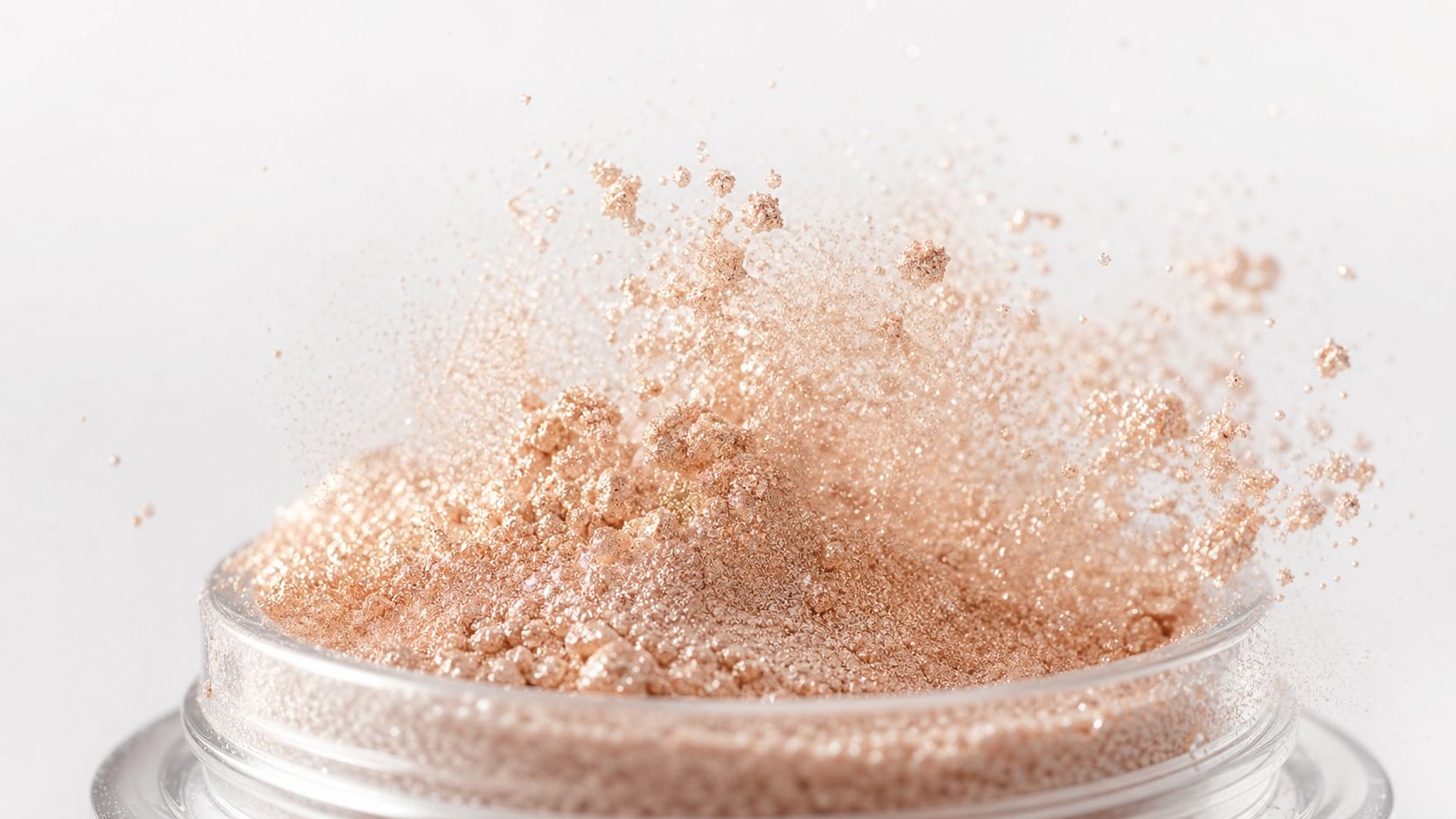
Highlighter glow is built, not mystical. The shine comes from mineral pearl pigments, synthetic mica, or cosmetic-grade borosilicate glass, and the particle size decides whether the finish reads as a soft sheen or a louder metallic flash (La Vanguardia). The difference is simple, frosted glass versus a disco ball. One diffuses light, the other throws it back in a much more obvious way.
Why some cheap formulas look smoother than expensive ones
The visible result depends on particle size, suspension, and finish design, not price. Finer particles usually read as more skin-like and diffused, while larger reflective particles give that obvious flash that can look stunning on camera and harsh in daylight. A low-cost compact can beat a luxury one if the pigment engineering is cleaner.
The base matters too. A gel emulsion can hold shimmer more evenly, so the glow spreads without dumping sparkle into one patch. That matters even more when the formula includes a humectant-rich base like glycerin, because it helps the product move over skin instead of catching on dry spots.
If you care about brightness beyond makeup, pair your product search with a broader routine that supports your complexion too. A useful place to start is this guide to find vitamins for skin glow, especially if your makeup tends to sit dull when your skin is tired.
The formula clue that matters most
A strong drugstore highlighter balances a fine reflector system with a base that glides. Beauty editors also point out that modern formulas increasingly borrow skincare-style ingredients, so the texture feels more polished on the face and less dusty in the pan (Cosmopolitan España). That does not make it skincare. It does make application cleaner.
One more thing matters more than hype. Shade matching decides whether the glow looks luminous or ashy, and finish decides whether it looks refined or obvious. That is why finding the right powder or cream texture can be smarter than chasing the shiniest pan on the shelf.
Powder, Cream, Liquid, or Stick
The format is the first choice I'd make, because the wrong texture can sabotage a great shade. Powders are easiest to control with a brush and usually the safest bet for oily or combination skin because they don't add slip. Creams and balms melt into dry or mature skin in a way powder often can't, but they need a more careful hand in heat or humidity.
How each format behaves on real skin
Powder sits best on top of foundation and setting powder, and it gives the most predictable payoff. If you want a cheekbone highlight that stays where you place it, powder is still the most foolproof. It's also the most forgiving if your base makeup already has some shine.
Cream is the prettier choice on skin that needs softness. It blends into the complexion instead of sitting on top, which makes it look less like makeup and more like a natural sheen. The trade-off is obvious, cream can slide if your face runs oily or if you pile it over too much emollient base.
Liquid is the most flexible. You can tap it onto high points, mix a tiny amount into foundation, or diffuse it across the face for a softer glow. Modern gel-emulsion liquids are also where the most interesting formulas live right now, especially for people who hate visible glitter.
Stick is the easiest for beginners and travel. The swipe-and-blend method is fast, and the finish tends to be more targeted than powder. It's a smart choice if you want to apply highlighter without carrying brushes.
Here's the decision rule I use: pick the format that matches your skin type first, then narrow by shade and undertone. That's also why another face-product comparison can be helpful, especially if you're deciding how creamy you want your glow to feel, and this breakdown of cream blush vs powder blush is a useful companion read.
Best format by skin mood
- Oily skin: powder or a very thin liquid
- Dry skin: cream or stick
- Mature skin: cream, liquid, or a finely milled powder
- Hot weather: powder first, stick second
- Fast mornings: stick, then liquid if you want more glow
Matching Your Undertone and Skin Depth
Most roundup posts fail people by giving you a “best overall” pick and skipping the part that decides whether the highlighter looks luminous or ashy. The rule is simple. Shade family matters more than brand hype.
The undertone map that actually helps
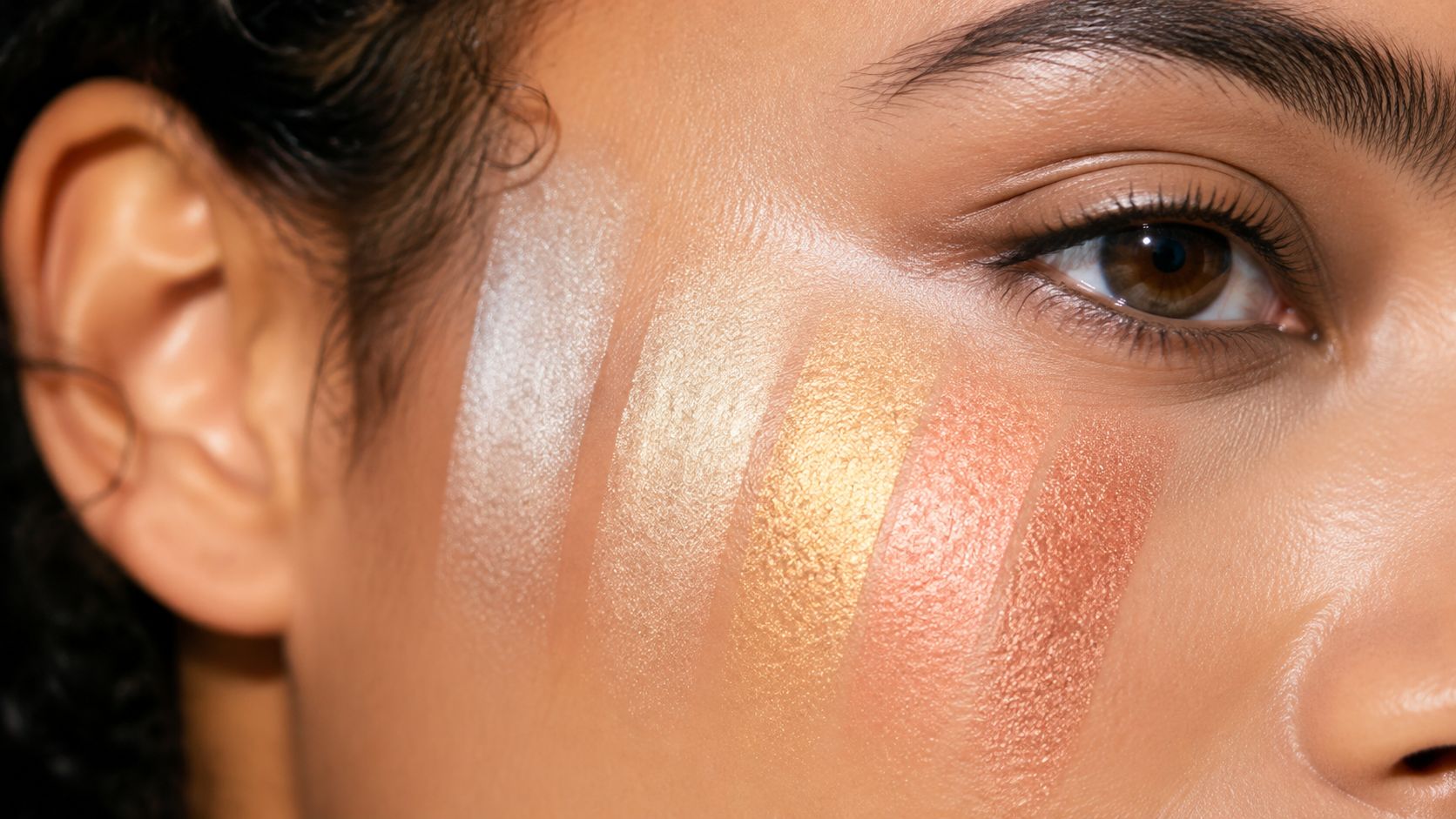
Icy shades suit fair to light skin with cool or neutral undertones. They can look crisp and expensive on pale complexions, but they can also go flat on warmer skin.
Champagne is the safest crowd-pleaser. It usually flatters fair through medium skin and works especially well on neutral undertones because it gives glow without swinging too pink or too gold.
Gold warms up medium to tan skin and looks especially good on golden or olive undertones. If your skin already has warmth, gold tends to read as healthy and luminous instead of brassy.
Peach adds life to medium and deep complexions. It's one of the easiest ways to get a fresh, brightened look without the highlighter screaming from across the room.
Rose is a strong choice for deep skin because it brings contrast and brightness without turning gray. It also works when dullness is the enemy and you want a soft lit-from-within effect.
The easiest sanity check is the swatch test. Dab a small amount on the inner wrist in natural light and watch for a grey or chalky cast within seconds. If it turns flat, you've got the wrong depth or undertone family.
After that, the question becomes wear intent. A watery highlight for night out skin is not the same thing as a subtle office sheen. That's why how to identify your undertone is worth bookmarking before you buy anything new.
Fast match rule: cool and light usually lean icy or champagne, warm and medium lean gold or peach, deep skin often shines brightest in peach or rose.
The 10 Best Drugstore Highlighters Worth Buying
Best Drugstore Highlighters at a Glance
| Highlighter | Finish | Best For |
|---|---|---|
| Wet n Wild MegaGlo Highlighting Powder | Powder | Fair to light skin, champagne glow |
| L'Oréal Paris True Match Lumi Glotion | Liquid-lotion | Dry skin, soft allover radiance |
| e.l.f. Halo Glow Highlight Beauty Wand | Liquid | Medium skin, easy blend and targeted glow |
| Maybelline Master Chrome Highlighter | Powder | Medium to tan skin, gold payoff |
| Revolution Reloaded Highlighter | Powder | Light to medium skin, bright champagne |
| Milani Afterglow Highlighter | Powder | Olive undertones, warm radiance |
| NYX Born to Glow Liquid Illuminator | Liquid | Mix-in glow, customizable shine |
| e.l.f. Monochromatic Multi Stick | Cream-stick | Dry skin, quick cream highlight |
| CoverGirl TruBlend Super Stunner Hyper Glow | Powder | Deeper skin, visible sheen |
| Wet n Wild MegaGlo Makeup Stick Highlighter | Stick | Beginners, travel, quick application |
1. Wet n Wild MegaGlo Highlighting Powder
This is the budget powder I reach for when I want a clean champagne glow without paying for a prestige logo. It suits fair to light skin best, especially if you want a soft finish instead of a blinding stripe. The texture is easy, the payoff is reliable, and it's the kind of formula that makes drugstore glow feel fully legit.
Pros: smooth application, easy to build, flattering on lighter complexions.
Cons: can be too pale on deeper skin, and it's not the pick if you want a wet-look flash.
Verdict: buy it if your skin leans light and you want the classic champagne look.
2. L'Oréal Paris True Match Lumi Glotion
This is the one for people who hate obvious sparkle. It gives a glossy, lived-in radiance that works beautifully on dry skin or anyone who wants an allover glow rather than a sharp cheekbone pop. The finish feels more like healthy skin than makeup, which is exactly why it keeps showing up in editor roundups (Wirecutter).
Pros: blends evenly, looks natural, flexible as a base or highlight.
Cons: won't satisfy someone who wants obvious reflect.
Verdict: choose this if you want understated brightness and don't need glitter.
3. e.l.f. Halo Glow Highlight Beauty Wand
This is a strong liquid pick for medium skin because it gives targeted glow without fighting the base underneath. The wand format is convenient, and it's especially good when you want to place highlighter exactly where the light would hit naturally. It's not subtle if you build it too much, so a little restraint goes a long way.
Pros: easy to place, blendable, modern wet-look finish.
Cons: can get loud quickly, which isn't ideal for beginners who overapply.
Verdict: great if you like a fresh, visible glow and quick application.
4. Maybelline Master Chrome Highlighter
If you want a more traditional powder with real shine, this is the gold-forward option. It suits medium to tan skin best, especially if you lean warm or olive. The finish is bolder than the champagne picks, and that's the whole point, it reads rich on skin that can carry warmer reflect.
Pros: strong payoff, warm glow, good for bronze looks.
Cons: can pull too yellow on cooler complexions.
Verdict: buy this for golden skin that looks better in warmth than in icy light.
5. Revolution Reloaded Highlighter
This is the one I'd hand to anyone who wants a bright, high-impact powder without jumping to luxury pricing. It works well on light to medium skin, especially if you want a more noticeable champagne flash. The texture is often a little more dramatic than neutral powder formulas, so it's best if you like seeing the highlight from a distance.
Pros: big payoff, easy to layer, strong value.
Cons: too intense for a sheer daily look.
Verdict: choose this when you want your highlight to be seen, not whispered.
6. Milani Afterglow Highlighter
This is one of the better warm-tone powders for olive undertones because it doesn't go icy or chalky. It gives a soft gold sheen that looks intentional on medium skin and can also flatter tan complexions. I like it for people who find champagne too pale and straight gold too orange.
Pros: flattering warmth, wearable on olive skin, polished finish.
Cons: not as flashy as the most blinding powders.
Verdict: a smart pick if your undertone is warm but not golden.
7. NYX Born to Glow Liquid Illuminator
This is the best “mix it in” option in the bunch. If you want a customizable glow, this liquid lets you either sheer it out with foundation or tap it on as a targeted highlight. It's best for people who like control, not drama, and it works especially well when you want luminosity rather than obvious sparkle.
Pros: versatile, blendable, easy to adjust intensity.
Cons: can look too wet if you pile it on.
Verdict: ideal if you want one product that can do face, base, and cheekbone duty.
8. e.l.f. Monochromatic Multi Stick
This is the best cream-stick option for dry skin or anyone who wants a fast one-and-done glow. The texture melts in easily, and the stick format makes it perfect for travel or quick touch-ups. It doesn't have the same precision as a powder, but it looks softer and more skin-like.
Pros: quick, easy, creamy, good on dry or mature skin.
Cons: less long-lasting on oily skin.
Verdict: buy it if you want speed and a natural finish, not sharp reflect.
9. CoverGirl TruBlend Super Stunner Hyper Glow
This is one of the better options for deeper skin because the glow shows up without disappearing into the complexion. That matters more than people think, since some lighter drugstore highlights look beautiful in the pan and nearly invisible on deeper skin. This one gives enough brightness to read as highlight instead of just shimmer.
Pros: visible on deeper tones, pretty sheen, good value.
Cons: can be too much for very minimal makeup days.
Verdict: a strong choice if you need your highlight to register on skin.
10. Wet n Wild MegaGlo Makeup Stick Highlighter
This is the beginner-friendly stick I'd recommend to someone who wants low effort and low risk. It's easy to draw on, quick to blend, and more travel-proof than a powder compact. It's especially useful for touch-ups or for people who don't want to carry brushes.
Pros: portable, simple, fast, easy to control.
Cons: not as nuanced as a great liquid or finely milled powder.
Verdict: the easy pick when you want convenience first.
How to Apply Each Format Without Looking Glittery
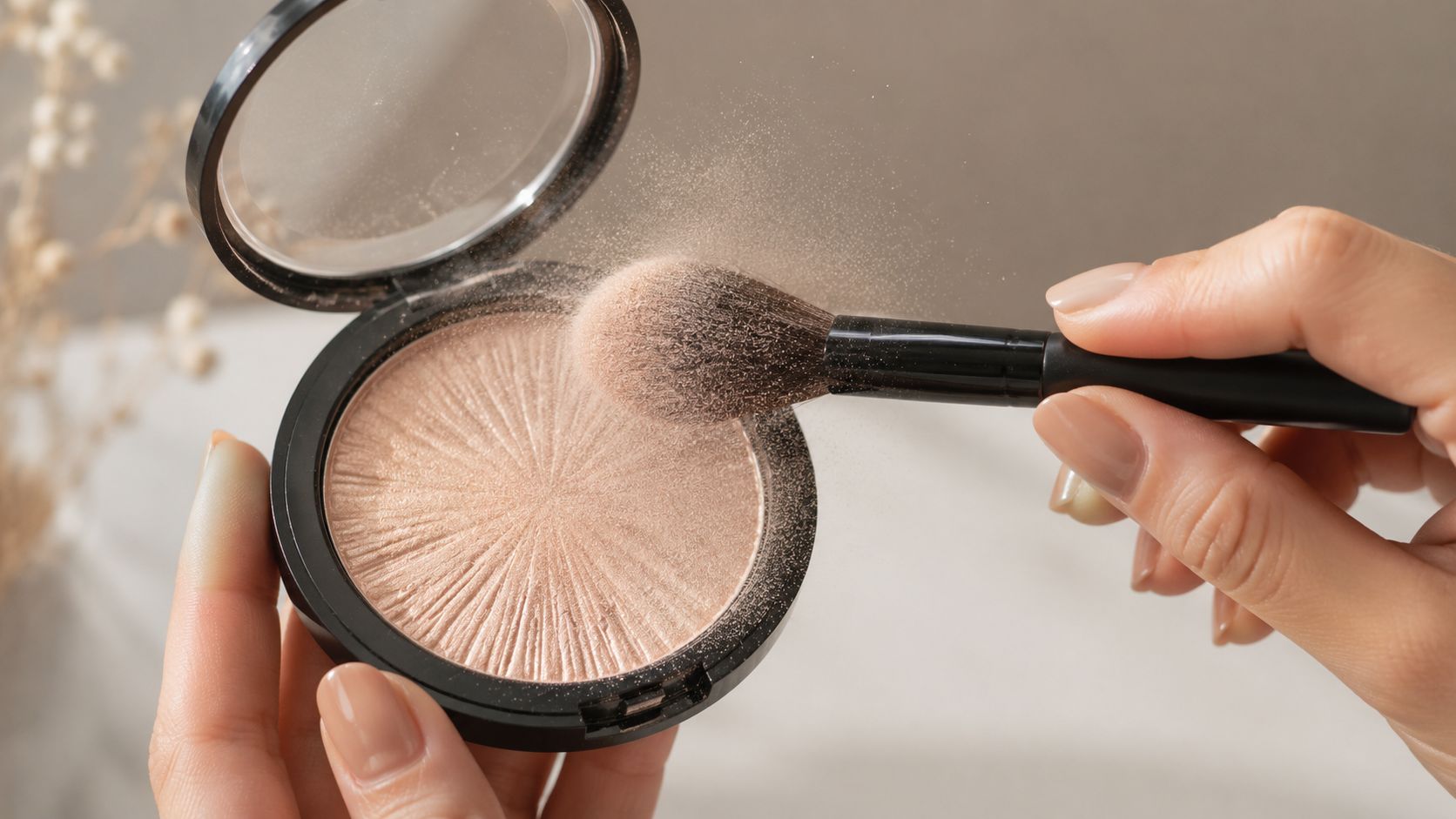
The best formula still looks bad if you overdo it. Application is where people turn a pretty highlight into a streak, and the fix is usually less product, not more. That's true whether you're using powder, cream, liquid, or stick.
Powder, cream, liquid, and stick need different hands
For powder, use a small fluffy brush or fan brush, tap off the excess, and sweep lightly over the high points. Don't pack it on, because that's how you get a visible stripe and texture emphasis.
For cream, warm the product on the back of your hand first, then tap it in with fingertips or a damp sponge. Pressing, not dragging, gives that melted-in finish people usually want from cream formulas.
For liquid, place one tiny dot on each high point and blend outward before it sets. If you want a softer allover sheen, mix a single drop into foundation instead of layering it on top.
For stick, draw a short stripe on the high point and blend with fingertips in a tapping motion. A stick should disappear into the skin, not sit on top of it like paint.
The mistake I see most often is applying highlighter before setting the face. That leaves shimmer clinging to bare skin in a way that reads dry and messy. If your base needs powder, set first, then add glow on top.
Practical rule: if the highlight looks glittery in the bathroom mirror, you used too much. If it looks great in daylight, stop blending.
A quick guide on how to make makeup less cakey is worth reading if your highlighter keeps catching on texture instead of smoothing it out.
Picking Your One Perfect Pick
Start with three questions. Is your skin oily, dry, or mixed. Does your undertone lean cool, warm, neutral, or olive. Are you wearing this for everyday errands, office hours, or a night out.
If you're oily and warm, a champagne-gold powder is usually your safest bet. If you're dry and cool, reach for a liquid or cream in an icy champagne or soft pearl. If you're deeper and want brightness that shows, rose or peach usually beats pale silver every time.
The point isn't to own every texture. It's to buy the one formula that does your skin a favor on the first try.
FAQ and Final Verdict
How do I stop drugstore highlighter from looking chalky on oily skin?
Use a powder only after your base is set, then apply with a small brush and keep the placement tight. A sheer champagne or gold usually looks cleaner than icy white on oilier skin.
Can I mix liquid highlighter into my daily sunscreen?
I wouldn't. Keep your sunscreen application separate so you don't mess with even coverage, then add the highlighter on top where you want glow.
Can I layer a cream highlighter over a powder one without pilling?
Yes, but only if the base underneath is set and dry. Tap the cream lightly, don't rub, or the layers can lift each other.
Are drugstore highlighters safe for sensitive or acne-prone skin?
Many are fine, but texture matters. Pick lighter layers, skip chunky sparkle, and patch-test anything with a formula that feels heavy or greasy on your skin.
My best overall pick is still L'Oréal Paris True Match Lumi Glotion for sheer, realistic radiance, but the smartest buy depends on your undertone and skin type. That's the key takeaway. The best drugstore highlighter is the one that matches your complexion and finish goals, not the one that went viral first.
If you want more brutally honest beauty shopping advice, dupe-first comparisons, and the kind of picks that save money without sacrificing the finish, visit Finding Favourites. It's built for readers who want the glow, not the markup, and it's a good place to keep hunting when you're ready for your next smart beauty buy.