
How to Use Azelaic Acid for Clear, Calm Skin
You've probably seen azelaic acid praised as the fix for redness, breakouts, and dark spots, then opened a product page and thought, okay, but how do I use this without making my skin angry? That hesitation makes sense. Azelaic acid has a serious clinical track record, but a key challenge is getting the routine right, especially if your skin stings easily, pills under makeup, or hates heavy textures.
This post may contain affiliate links, which means I may receive a commission if you purchase through my links, at no extra cost to you. Please read the disclosure policy for more information.
A good starting point is to treat azelaic acid as a flexible active, not a miracle cream. It's used in acne and rosacea care, and modern reviews also note its use for melasma and post-inflammatory hyperpigmentation. If you want a broad overview of how it fits into pigmentation care, Healtsy solutions for pigmentation is a useful companion read, and if you're building a routine around breakouts too, this acne-prone skincare routine guide is worth keeping nearby.
Your Guide to Starting Azelaic Acid
The first time you try azelaic acid, it can feel a little like skincare whiplash. People talk about it as if it's gentle enough for sensitive skin, then you hear about stinging, pilling, and odd texture, and the bottle stays unopened on the counter. Azelaic acid still earns its reputation because it is one of the few actives that can work across acne, rosacea, redness, and dark marks without the same level of drama as stronger acids or retinoids.
Clinical data backs up that reputation. In an FDA-reviewed acne trial, topical azelaic acid gel reduced total lesion count by 60.6% versus 19.9% with placebo, and lowered the acne severity index by 65.2% versus 21.3% with placebo, all on a twice-daily regimen (FDA clinical review). For rosacea, controlled studies of 15% azelaic acid gel used twice daily showed meaningful improvements in inflammatory lesions and erythema compared with vehicle.
What matters in real life is how it feels on your skin. Azelaic acid is not just a brightening add-on, it is a treatment ingredient with a legitimate place in long-term skin care, and modern dermatology reviews describe it as suitable for maintenance therapy as well as active treatment (2024 review). That is why the first week should focus on tolerance, not perfection.
If you already know your skin gets prickly with new actives, start by building the routine around what your face can handle. A simple routine for acne-prone skin helps here, and this acne-prone skincare routine guide is useful if you want to keep the rest of your products calm while you test azelaic acid. For pigmentation concerns, Healtsy solutions for pigmentation is a helpful companion read.
Practical rule: If your skin is already reactive, choose the routine you can keep doing, not the most aggressive one you can tolerate for three days.
The other practical issues show up fast. Some formulas pill under moisturizer or sunscreen, some feel gritty for the first few uses, and some sting if you apply them to damp skin or layer them with too many actives. Those problems usually mean the routine needs adjusting, not that azelaic acid is a bad fit.
Start with a small amount, use it on dry skin, and give your skin room to adapt before you chase daily use. That slower start usually saves money, because it helps you figure out whether the problem is the product, the texture, or too much too soon.
Choosing Your First Azelaic Acid Product
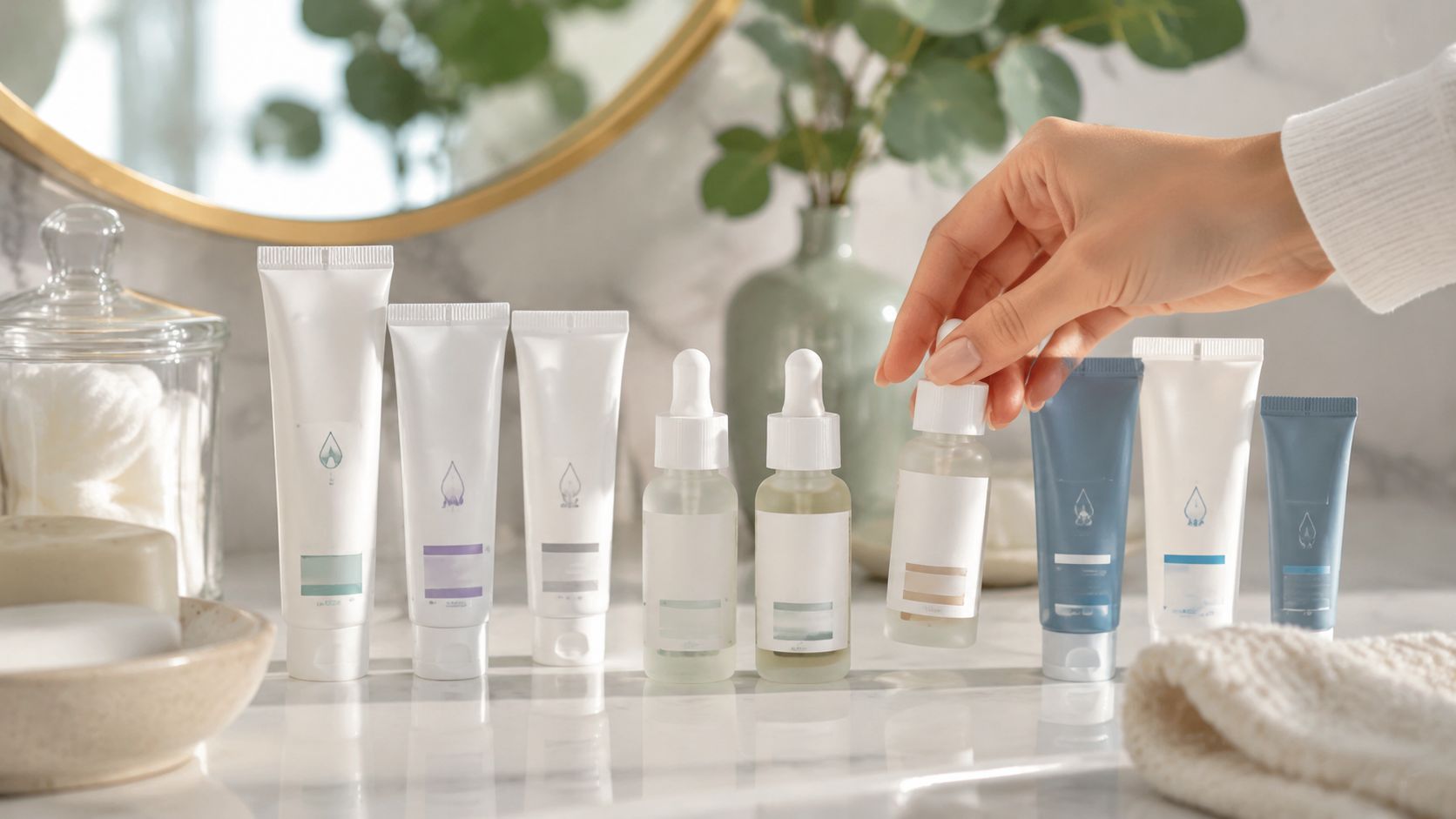
The first decision is strength, and it is usually simpler than people expect. In the U.S., prescription rosacea treatment is commonly 15%, while many OTC products are 10%. If you want to test how your skin handles azelaic acid before moving up, a 10% formula is often the more practical place to start, especially for rosacea-prone skin (The Inkey List).
Pick the texture that matches your skin
Creams usually feel most forgiving on dry or easily irritated skin. Gels tend to suit rosacea-prone users who want a lighter finish, and serums often sit somewhere in the middle, especially if you do not want the feel of a heavy cream. A scientific review notes that 20% cream and 15% gel have both been tested repeatedly in trials, with good tolerability in sensitive skin and real utility for inflammatory lesions and redness (2024 review).
Texture matters more than it sounds. A formula that pills under moisturizer, sunscreen, or makeup gets abandoned fast, even if the strength looks good on paper. A gritty first impression can do the same, and that does not always mean the product is bad, just that the base or finish may not suit your routine.
If you are shopping on a budget, the best-known U.S.-available options to compare are The Ordinary 10% Azelaic Acid Suspension, Paula's Choice 10% Azelaic Acid Booster, Anua 10% Azelaic Acid Serum, and Naturium Azelaic Acid 10% Cream. They are all different in feel, which is easy to overlook, because a formula you will consistently wear is more useful than a stronger one that sits in a drawer.
| Product | Best For | Texture |
|---|---|---|
| The Ordinary 10% Azelaic Acid Suspension | Budget first-timers | Suspension cream |
| Paula's Choice 10% Azelaic Acid Booster | Easy layering | Lightweight booster |
| Anua 10% Azelaic Acid Serum | Layered routines | Serum |
| Naturium Azelaic Acid 10% Cream | Dry or sensitive skin | Cream |
How to choose without wasting money
Start with 10% if your skin is reactive, you are unsure about texture, or you mainly want help with dullness and mild breakouts. Reach for prescription strength if you are already under a dermatologist's care for acne or rosacea, or if your skin has handled actives well before. The point is not just potency, it is whether the formula fits into your routine without pilling under moisturizer or makeup.
For a closer look at how active ingredients behave in mixed routines, this glycolic acid and niacinamide guide is a useful reference for the same layering habits you will use here.
How to Apply Azelaic Acid Step by Step
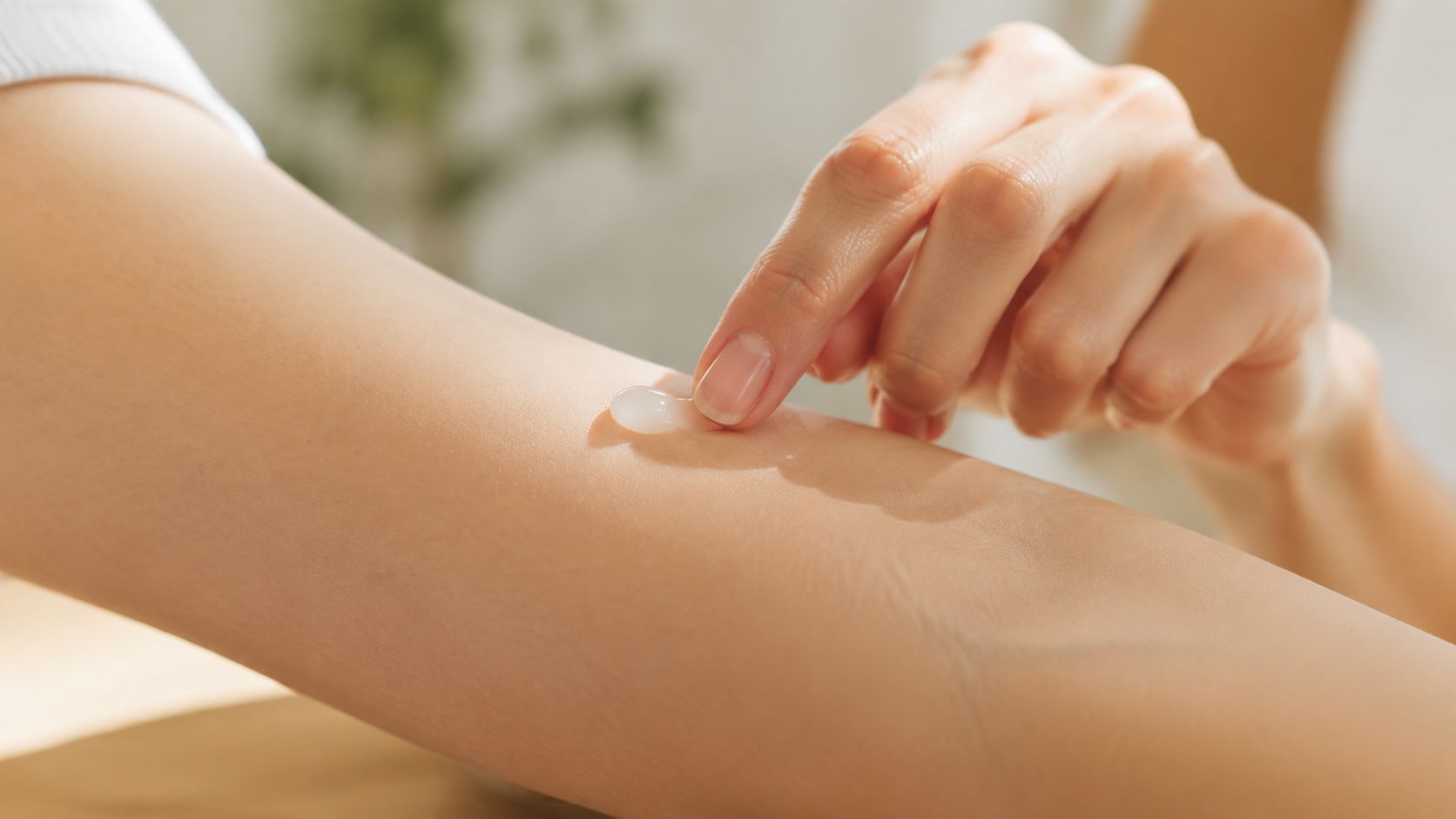
The most common mistake is using too much too soon. Azelaic acid works best when it's applied in a thin, even layer on clean, dry skin, not slathered on like a mask. Guidance for azelaic acid products also says sensitive skin should start every other day, and the product should be kept away from the eyes, nostrils, and mouth (Patient.info).
Start with a patch test and a dry face
Patch test first if your skin reacts easily. Apply a small amount to a discreet area, then wait and watch your skin's response before going full-face. Once you're ready, cleanse with a gentle cleanser, pat dry completely, and resist the urge to apply on damp skin, because dampness can make actives feel more intense than they need to.
A pea-sized amount is enough for most faces. Spread it thinly, and don't keep rubbing once the product is on. That's usually where pilling starts, especially if you're layering too many products or using formulas with a heavy silicone base.
Build the habit before you build the frequency
Use azelaic acid after cleansing and watery serums, then seal it in with moisturizer. If you're using sunscreen in the morning, let the azelaic acid dry first, then finish with SPF. Consistency matters more than speed here, because using it every other day and tolerating it well will beat forcing a twice-daily routine that burns.
Best beginner move: start at night, use a smaller amount than you think you need, and only increase frequency after your skin has stayed calm for several applications.
If your skin is especially reactive, a slower ramp-up makes sense. You can start every other night, then move to daily use if your skin stays comfortable. That approach lines up with the practical advice many dermatology sources give, and it keeps you from confusing temporary irritation with a product that doesn't work.
If you're unsure whether a red patch is irritation or something else, the conservative move is to pause, simplify, and restart later with less product. The goal is steady use, not proving your tolerance on day one.
Layering Azelaic Acid with Other Actives
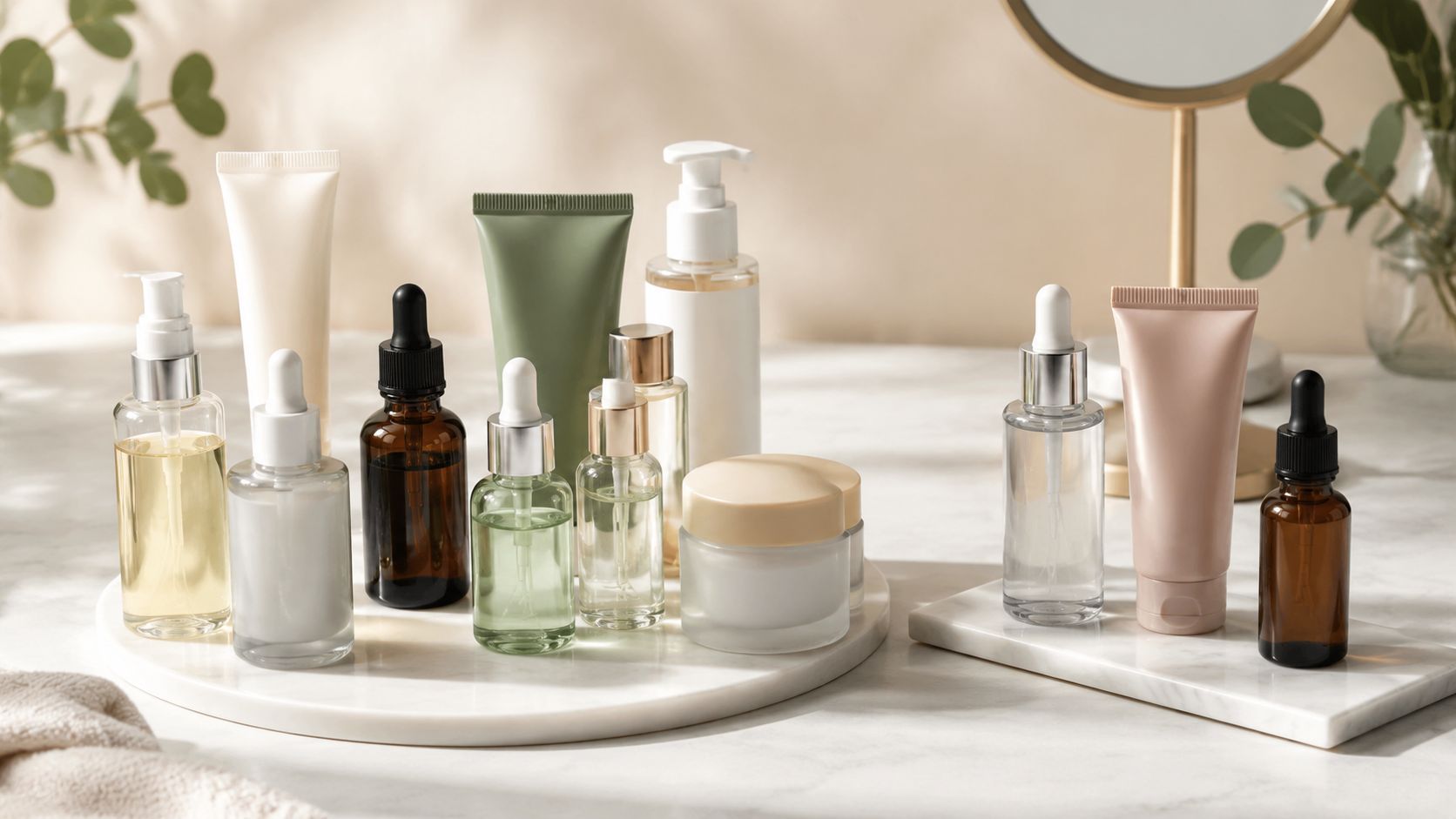
Azelaic acid plays nicely with a lot of staples, but the order matters. Hydrating ingredients like hyaluronic acid and niacinamide are easy companions because they support comfort while azelaic acid does the heavier lifting. That's why azelaic acid often fits well in routines built around barrier support instead of constant exfoliation.
Pair it with hydration first
A simple morning routine can look like this, cleanser, hydrating serum, azelaic acid, moisturizer, sunscreen. At night, keep the same logic if your skin prefers evening use. The point is to sandwich azelaic acid between products that reduce friction, not stack it on top of a dozen actives and hope for the best.
Be careful with retinoids and exfoliating acids
Azelaic acid can be paired with retinoids, but experts advise introducing products one at a time and starting with smaller amounts. For sensitive skin, using azelaic acid on alternate days can help avoid barrier disruption (Luciderma). If you're adding a retinoid too, alternate nights is usually the safer place to start.
The same caution applies to AHAs and BHAs. They aren't forbidden, but using all of them together can make a routine harsher than it needs to be. A cleaner structure is azelaic acid in the morning and stronger exfoliants or retinoids at night, or rotating them across different days.
If you're already thinking about actives like glycolic acid, keep the logic simple. Don't try to make every serum live in the same routine. A more careful routine usually gives better skin than an ambitious one.
Rule of thumb: if your face feels tight, hot, or extra shiny in a bad way, reduce one active before you add another.
For a practical example of how to keep a routine stable while introducing more than one active, this retinol routine guide is a helpful reference point.
Troubleshooting and What to Expect

If azelaic acid feels gritty, pills under moisturizer, or stings on contact, that usually means the routine needs adjusting, not that the ingredient is a bad fit. Use less product first. Then check whether you are applying it on damp skin, layering it under too many steps, or choosing a formula that is too heavy for your base routine. Some dermatologists also suggest night-only use or spot treating individual blemishes when full-face application feels too irritating (YouTube expert guidance).
Fix the texture before you quit
Pilling is often a product-stacking problem. A thick moisturizer, a silicone-heavy primer, and too much azelaic acid can make the formula roll instead of sink in. If the texture feels chalky or stubborn, give it a little more time to dry, apply a thinner layer, or switch to a formula that suits your skin better. If it still smells off or keeps burning, pull back and let your skin settle before trying again.
A tolerance-led routine is usually the smarter move, especially if you are also trying to fade marks or smooth out post-acne texture. Pushing harder often makes the skin more reactive, and that can slow you down. If acne scarring is the bigger concern, Expert skin resurfacing covers a broader treatment approach, but azelaic acid still fits best in a calmer routine built to limit irritation. If you want to understand how azelaic acid can fit around retinoids without making your skin angry, this retinol routine guide is a useful reference.
Know the timing so you do not quit too soon
For rosacea, pooled trial evidence points to around 12 weeks of regular use before judging whether it is helping (systematic review). For acne and pigment concerns, the pace can feel even slower, because the product has to calm inflammation and help marks fade without overloading the barrier. That is why the early stretch is mostly about tolerating the formula well enough to keep using it.
If the first week feels awkward, that does not automatically mean the product is failing. A little stinging, some texture weirdness, or a temporary adjustment phase can happen before the skin settles. The practical goal is simple, keep the routine realistic, keep the skin comfortable, and give the product enough time to show you what it can do.
Frequently Asked Questions About Azelaic Acid
Can azelaic acid cause purging? It can trigger an adjustment period for some people, but not everyone gets a purge-like phase. If breakouts flare hard, keep the routine simple and slow the frequency instead of piling on more products. Azelaic acid is usually better tolerated when introduced carefully.
Is it safe during pregnancy or breastfeeding? Azelaic acid is commonly discussed as a pregnancy-friendly option in skincare because it's used for acne, redness, and pigmentation concerns, but it's still smart to clear any new treatment with your clinician if you're pregnant or nursing. A cautious approach is the right one here, especially if you already have reactive skin.
Can you use it on the body? Yes, many people use azelaic acid beyond the face for discoloration or acne-prone areas. Keep the same rules, apply a thin layer, start slowly, and avoid overusing it just because the area is larger.
How should it be stored? Keep the tube closed tightly and store it where the texture won't get exposed to heat or moisture. If the formula changes smell, color, or feel in a way that seems off, replace it rather than trying to use every last bit.
What if my skin stings at first? Slow down before you stop. In darker skin tones, azelaic acid has shown meaningful pigment improvement by 24 weeks, but early stinging can make people quit too soon (IJDVL study). Using it less often at the start is usually the better move.
The best routine is the one you can stick to, and that usually means thin layers, slow starts, and a formula your skin doesn't fight. If you want more affordable skincare finds and practical swaps that don't waste your money, finish up by visiting Finding Favourites for more no-nonsense beauty guidance.