
Budget Primer for Oily Skin: 7 Dupes for a Flawless Finish
Your makeup looked smooth at 8 a.m. By lunch, your T-zone has eaten through foundation, your pores look louder than they did in the mirror at home, and that expensive primer you bought is starting to feel like a bad joke. If that sounds familiar, you're not overreacting, and you're definitely not alone. In the United States, oil production ranks as the third most prevalent skin concern, with 32% of consumers actively trying to manage it, behind dryness at 52% and aging at 45%, according to Appinio's skincare market insights.
This post may contain affiliate links, which means I may receive a commission if you purchase through my links, at no extra cost to you. Please read the disclosure policy for more information.
A good budget primer for oily skin can make a huge difference, but only if it's doing the right job. Not every matte primer controls oil the same way, and not every dupe gives you the same finish as the luxury version it's copying. The smart buy isn't always the one with the most hype. It's the one with the right texture, the right ingredients, and the right layering method.
The Battle Against Midday Shine
Oily skin has a way of making good makeup feel temporary. You can prep carefully, apply foundation with patience, set everything down, and still end up blotting before your second coffee. That's why primer matters so much for this skin type. It's not extra. It's the product that helps everything else stay where you put it.
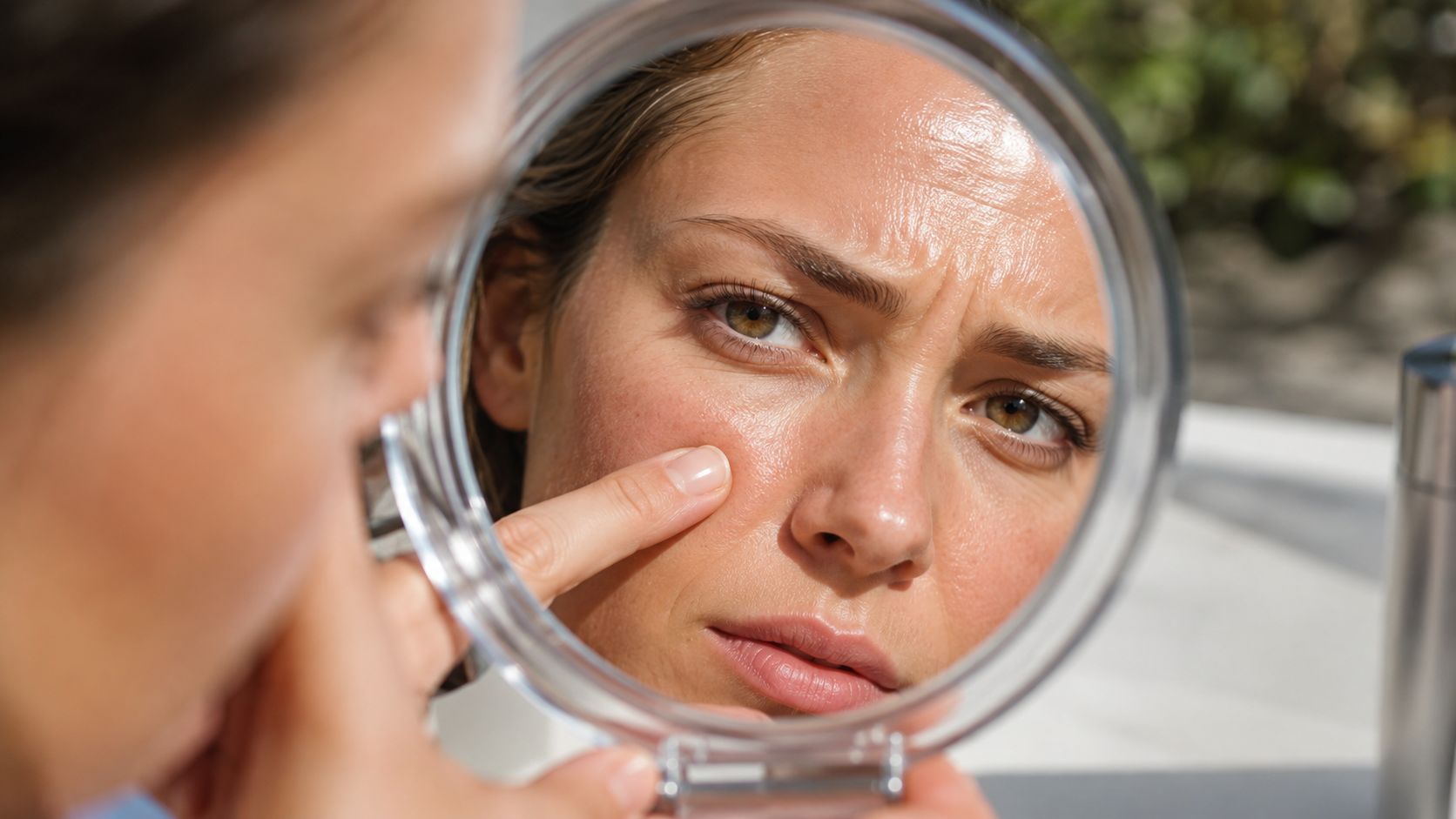
The frustrating part is that luxury primers are often sold as if price automatically means performance. Sometimes that's true for texture and packaging. It's not always true for wear. A lot of expensive formulas rely on the same broad strategies as drugstore ones. They smooth, blur, and try to keep oil from breaking through too fast.
Why this feels so expensive
If you've bought a primer, hated it, and then bought another one hoping the next would fix everything, you already know how quickly “just trying options” adds up. Oily skin is also hard to shop for because brands lump together words like matte, poreless, blur, and long-wear, even though those are not identical results.
A primer can be great at filling texture and still weak at shine control. Another can keep your forehead matte but grab onto dry patches around your nose. That mismatch is why a budget pick can outperform a pricier one for your specific skin.
A primer for oily skin has to do more than feel silky. It has to hold up when your skin starts producing oil later in the day.
What actually works
The best budget options usually succeed in one of two lanes, or both:
- Surface smoothing: They make pores and uneven texture look softer so foundation sits better.
- Oil management: They help absorb or slow visible shine, especially through the T-zone.
That's the sweet spot this guide focuses on. Not just cheap primers, but affordable swaps that make sense for oily skin and explain why they work.
How Primer Actually Works on Oily Skin
A good primer for oily skin acts like two products in one. It's a shield between your skin and your makeup, and it's also a blotting layer that helps deal with sebum before it wrecks your base. That's why the right formula changes how foundation wears, not just how it looks in the first ten minutes.
According to Curology's primer guide, expert-verified budget primers for oily skin should contain silica, dimethicone, or salicylic acid to create a matte finish that reduces shine by physically absorbing sebum. The same guidance recommends using a pea-sized amount and letting it set for several seconds before foundation so makeup doesn't break down too quickly.
The two jobs your primer should do
The first job is smoothing. Ingredients like dimethicone create slip across the skin so makeup glides over texture instead of catching on it. That's why silicone-heavy primers often feel instantly “expensive.” They leave that velvety, polished finish people associate with prestige formulas.
The second job is oil control. Silica handles this differently. It helps soak up excess oil, which is why a primer with a drier, more powdery after-feel can work well in the center of the face even if it feels less plush than a luxe formula.
Why some primers look great, then fail
A lot of oily-skin primers nail the first impression. Skin looks blurred. Pores seem smaller. Foundation goes on beautifully. Then a few hours pass, and the shine pushes through because the formula was built more for smoothing than for actual oil management.
That's why ingredient balance matters more than marketing language. If you want a softer, more natural finish, a silicone-forward primer may be enough. If your makeup breaks apart fast, look for a formula that also leans into absorbent ingredients.
Practical rule: If your primer feels like silk but your makeup still slides by midday, you probably bought a blurring primer, not a true oil-control primer.
Application changes the result
Technique matters almost as much as formula. Use too much and primer can ball up under foundation. Use too little and you won't get enough grip where you need it.
A simple routine works best:
- Apply moisturizer first: Oily skin still needs hydration or makeup can cling unevenly.
- Use a pea-sized amount: Focus on the forehead, nose, chin, and inner cheeks.
- Press, don't smear: Patting helps the product settle into pores instead of streaking across the skin.
- Wait a few seconds: Let the film form before foundation goes on top.
If you like lighter, soothing bases under makeup, this guide to aloe vera primer is useful for understanding where a gel-style primer can fit, especially on days when you want less silicone. And if visible pores are the main issue, this roundup of drugstore primers for large pores helps narrow the field faster.
Decoding The Label Ingredients To Look For And Avoid
Buying a budget primer for oily skin gets much easier when you stop shopping by claim and start shopping by ingredient list. “Mattifying” on the front of the tube tells you what the brand wants the product to do. The back of the tube tells you how it's trying to do it.
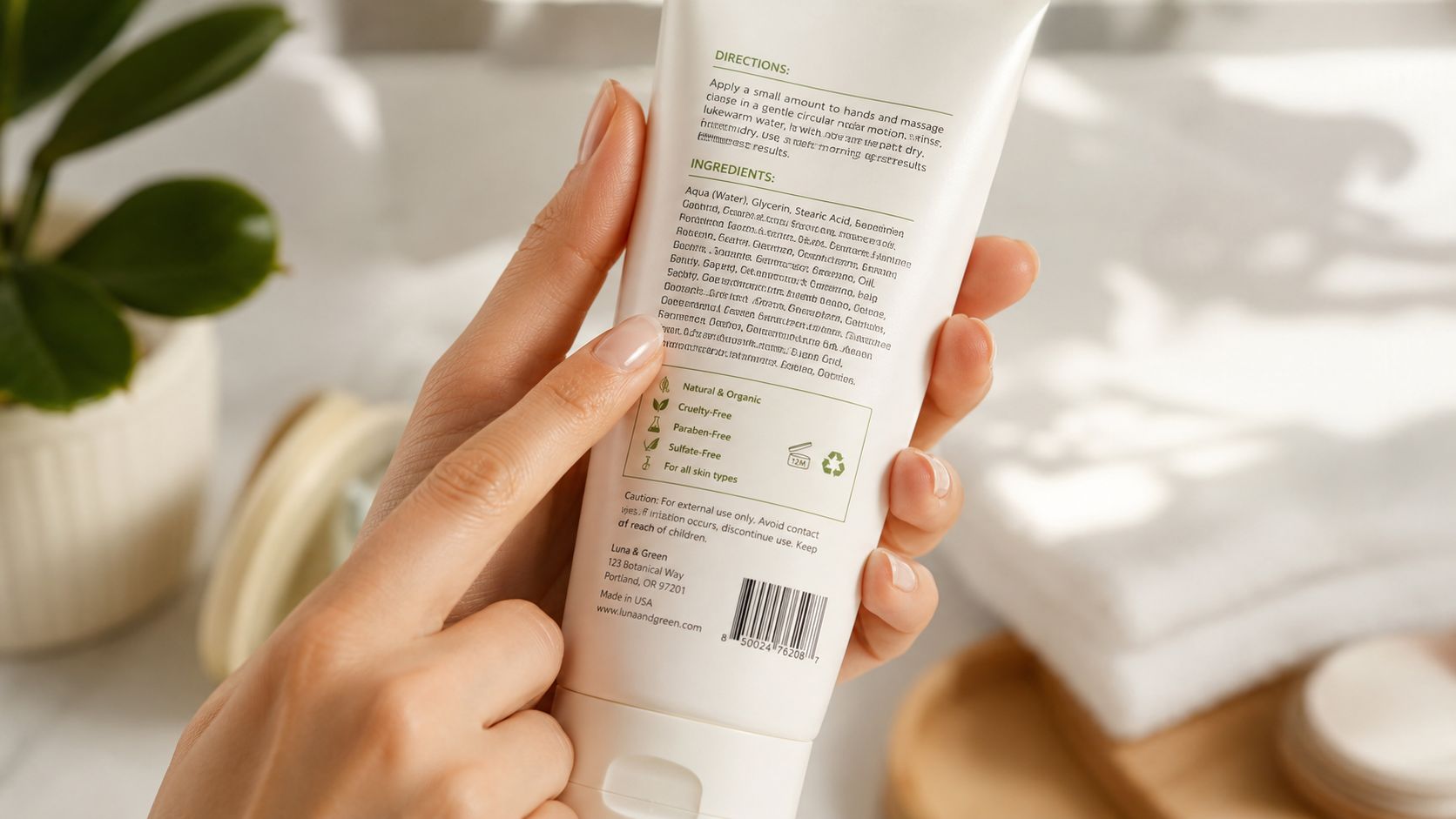
One thing most roundups gloss over is irritation. A Relaxed Gal notes that many “best of” lists for oily skin prioritize oil control over irritation potential, often recommending silicone-heavy primers without warning that people with sensitive skin may react to those ingredients. That nuance matters, especially if your skin is oily and reactive at the same time.
Ingredients worth spotting quickly
Some ingredients tell you right away what a primer is trying to be.
- Silica: Best for absorbing visible oil and giving a more matte, almost soft-focus finish.
- Dimethicone: Best for slip, pore blurring, and that smooth “filter-like” feel under foundation.
- Salicylic acid: Helpful when oily skin overlaps with clogged pores or acne-prone texture.
- Niacinamide: A nice bonus in some formulas when you want oil-focused makeup prep with a skincare angle.
Silica and dimethicone often get talked about like they do the same thing. They don't. Silica is the one that usually feels more oil-focused. Dimethicone is the one that usually feels more texture-focused.
What to be careful with
Not every oily skin type wants the same finish. If your skin is also sensitive, a primer that performs beautifully on someone else may be the one that leaves you red, itchy, or generally annoyed by the end of the day.
Watch for these trade-offs:
- Silicone-heavy formulas: Great for smoothing, but not always friendly to sensitive skin.
- Very drying finishes: Strong matte formulas can exaggerate flakes around the nose or mouth.
- Heavy fragranced formulas: Fine for some people, but not ideal if your skin gets reactive fast.
The best primer for oily skin isn't automatically the driest one. It's the one your skin will tolerate long enough to let your makeup last.
If breakouts are part of the picture, this guide to non-comedogenic products for oily skin is worth keeping open while you compare labels. And if you're in a season where ingredient caution matters more than usual, this resource on skincare for expectant mothers offers a useful reminder to keep product choices practical and skin-aware.
A simple way to read the label
Use this quick lens when you shop:
| Ingredient signal | What it usually means |
|---|---|
| Silicone near the top | More slip, smoother makeup application |
| Silica included clearly | Better shine control |
| Salicylic acid included | More useful for oily, acne-prone skin |
| Lots of fragrance or harsh feel | More caution if you're sensitive |
That quick check won't replace testing, but it helps you avoid buying a primer for the wrong reason.
The Best Budget Primers A Quick Comparison
Some people want the short version before the deep dive. If that's you, start here. These are the most useful swaps when you want a budget primer for oily skin that mimics a luxury favorite in texture, finish, or pore-blurring effect.
For anyone who likes watching sale cycles before buying, the Special8 makeup sales guide is a handy reference for how beauty shoppers track discounts across brands and retailers.
High-End Primer Dupes At A Glance
| High-End Favorite | Best Budget Dupe | Why It's a Great Swap |
|---|---|---|
| Smashbox primer | e.l.f. Poreless Putty Primer | Pore-minimizing texture with a smooth, velvety finish |
| Benefit POREfessional | Sephora Collection Smooth + Blur Primer | Blurs texture and large pores with a mattifying effect |
| Tatcha The Silk Canvas | e.l.f. Poreless Putty Primer | Grippy putty texture that smooths makeup application |
| Hourglass Veil Mineral Primer | Milani No Pore Zone Primer | Soft-focus blurring with a lighter, more accessible feel |
| Rare Beauty pore-blurring style primers | NYX Pore Filler Primer | Strong smoothing payoff on visible texture |
| Milk Makeup matte-grip style primers | e.l.f. Matte Putty Primer | Better for targeted mattifying than an all-over glow-free mask |
| Prestige blur primers in general | Maybelline Baby Skin Instant Pore Eraser | Simple, classic silicone blur effect |
These aren't identical in every detail. The best swaps match the job of the luxury primer, not always the exact finish on every skin type. That's the difference between a random dupe list and one that helps you shop smarter.
7 Best Budget Primer Dupes for Oily Skin
A dupe earns its place when it gets close enough where it counts. For oily skin, that means texture, pore blur, shine control, and how well foundation sits on top of it after your skin has had a few hours to do what oily skin does.
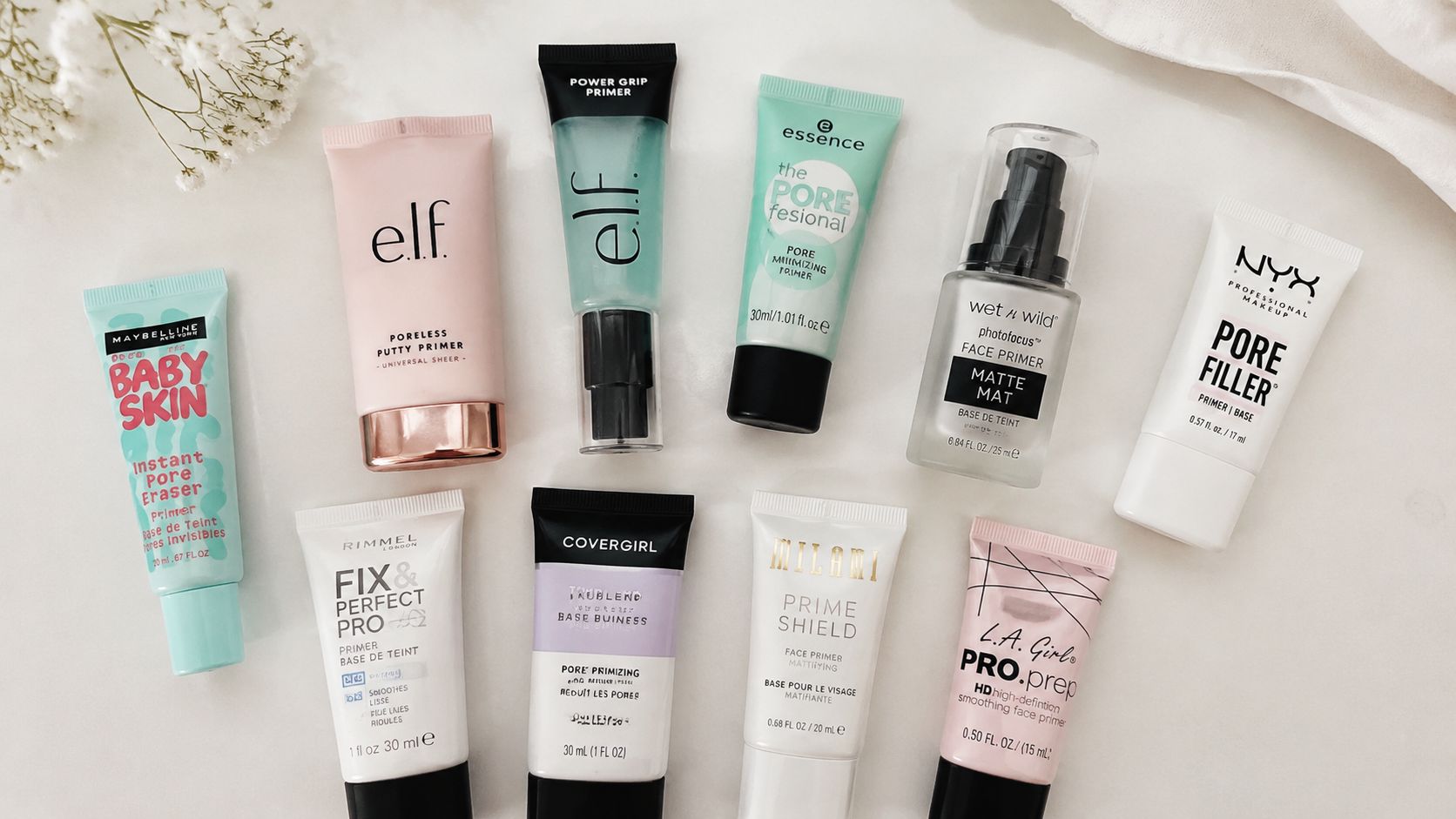
1. e.l.f. Poreless Putty Primer for Smashbox
This is the standout dupe in the category. The e.l.f. Poreless Putty Primer is a widely available US dupe for a high-end Smashbox primer, priced at $9 compared with the original at $52, with a similar pore-minimizing texture and finish, as noted by Meg O. on the Go.
Why it works: the putty texture grips a little better than a thin lotion-style primer, which helps on areas where makeup tends to separate. It's especially good if your main issue is visible pores plus light-to-moderate shine.
Best for:
- Pore blurring
- Smoothing makeup texture
- People who want a luxe-feeling finish without the luxe price
Trade-off: if you're extremely oily, you may still want extra powder through the T-zone. This one leans blur first, oil control second.
2. Sephora Collection Smooth + Blur Primer for Benefit POREfessional
If you love the idea of Benefit POREfessional but not the price, Sephora Collection Smooth + Blur Primer is the most direct swap. It's confirmed as a dupe for Benefit POREfessional and is designed to blur texture and large pores with a mattifying effect that suits oily skin.
This is the one I'd point people toward when enlarged pores are the loudest issue in the mirror. It gives that familiar soft-focus finish that makes foundation look more polished without needing a full, heavy primer layer.
3. e.l.f. Matte Putty Primer for matte prestige formulas
The matte version is not the same as the original putty. It's drier, more targeted, and usually better when shine is your first complaint. If the regular Poreless Putty is your “smooth and blur” option, this is your “keep the center of my face in check” option.
Use it strategically. Forehead, nose, chin, and inner cheek area usually make more sense than coating your whole face unless you know your skin likes a full matte base.
A mattifying primer works best when you treat it like a targeted tool, not wall paint.
4. NYX Pore Filler Primer for prestige pore-smoothers
NYX Pore Filler is one of those old-reliable formulas that still makes sense if your skin texture is doing most of the sabotaging. It has that classic silicone-smoothing feel and works well under foundation when you want less catching around pores.
This is a strong pick if your makeup breaks up unevenly rather than just getting shiny. It won't feel as modern or plush as some newer formulas, but it does the blurring job well.
5. Milani No Pore Zone Primer for Hourglass-style soft blur
If you want a primer that feels a little more polished than the most basic drugstore options, Milani No Pore Zone is a smart middle-ground choice. It gives a smoother, refined finish that suits people who want blur without a heavy putty texture.
This one tends to work nicely for oily skin that still wants makeup to look skin-like. It's less “flat matte” and more “controlled, smoother, cleaner.”
A quick video comparison can help if you're deciding between textures and finishes:
6. Maybelline Baby Skin Instant Pore Eraser for old-school silicone blur
This is the straightforward pick. If what you want is that classic silky-slip primer that makes pores look softer fast, Baby Skin still does that job.
It's not the most complex formula in the category, but it's easy to understand. It smooths. It blurs. It helps foundation glide better. For some oily skin types, that simplicity is enough.
Trade-off: it may not satisfy someone who needs stronger shine control through a very oily T-zone.
7. Wet n Wild Impossible Primer for silicone-light shoppers
This is the wildcard option for people who want a smoothing primer feel without leaning as hard into the typical silicone-heavy profile. It won't behave exactly like the dense putty dupes, but it can be a better fit if your skin gets cranky with very occlusive-feeling textures.
That matters because a lot of oily-skin advice assumes everyone should just pile on dimethicone and move on. If you've tried that and hated the feel, a lighter primer can be the better purchase even if it gives slightly less dramatic blur.
Which dupe is actually the best
If I had to narrow this down to the most widely beneficial buy, it's e.l.f. Poreless Putty Primer. It's the easiest recommendation because it balances affordability, availability, and that satisfying pore-smoothing payoff people usually chase in higher-end primers.
If your oil is intense and concentrated in the T-zone, e.l.f. Matte Putty Primer may suit you better. If your priority is enlarged pores, Sephora Collection Smooth + Blur Primer is the smarter call.
Pro Tips for Flawless Application And Layering
A great budget primer can still underperform if you apply it like moisturizer. Primer needs a little more precision than that. The payoff is worth it, especially now that affordable formulas keep getting better. In 2025, the mass segment accounted for 67.65% of the global skincare products market share, showing how strongly shoppers favor affordable options and how much pressure brands have to create better budget-friendly formulas, according to Market.us reporting on oily skin control products.
Press it where you need it
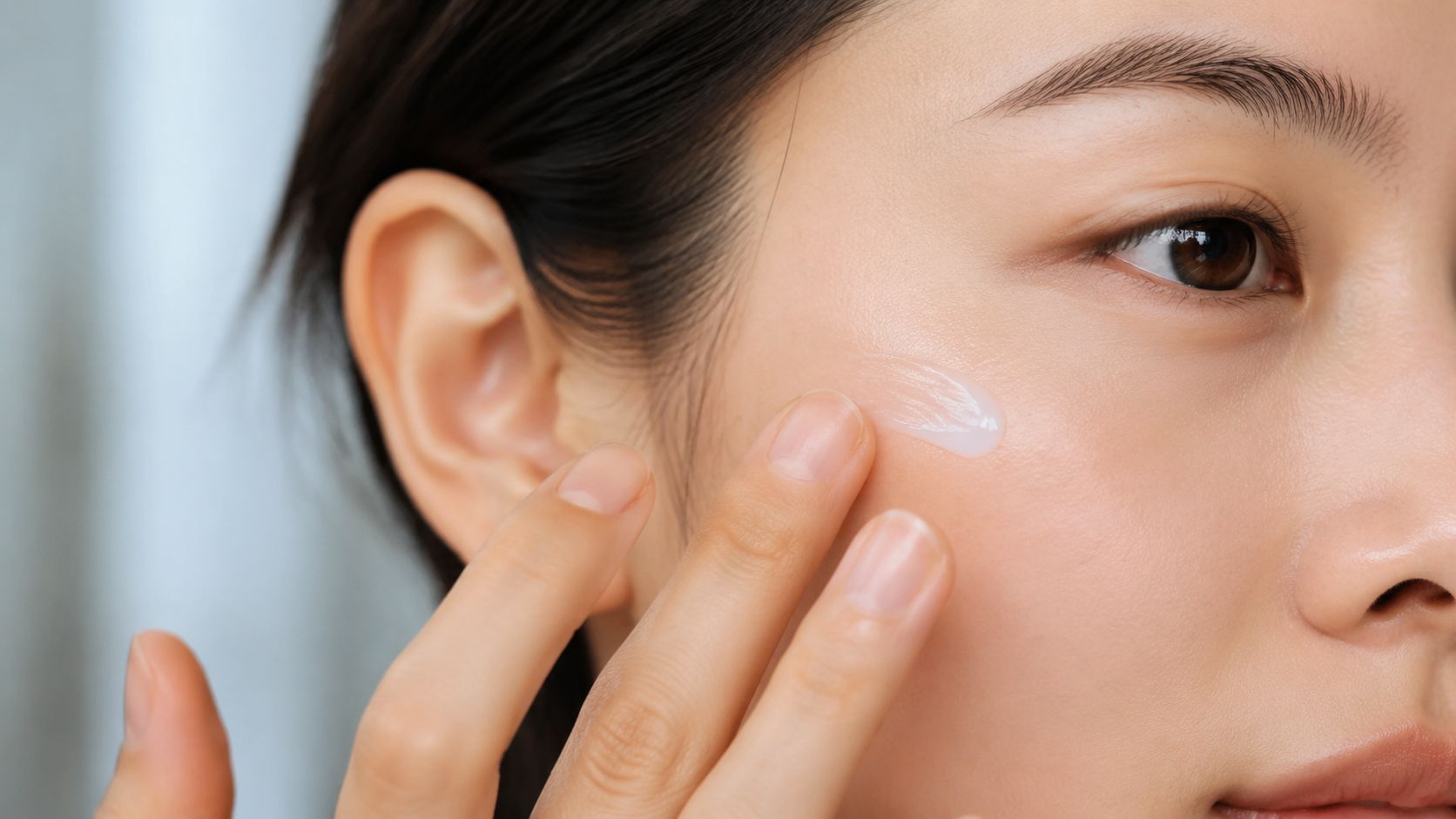
The biggest application mistake is spreading primer all over the face in a thick layer. Oily skin usually doesn't need that. It needs control in specific zones.
Try this instead:
- Start in the center: Nose, inner cheeks, forehead, and chin first.
- Press into pores: Use fingertips to pat product into texture-prone areas.
- Keep the layer thin: You want a film, not a mask.
Match your formulas
If your primer and foundation keep pilling, the issue isn't always the products individually. It's often the pairing. Silicone-heavy primer usually plays better with a foundation that also has that smoother, more slip-heavy structure. Very watery complexion products can fight denser putty primers if you rub too much.
Layering fix: Put primer on, wait, then apply foundation with a pressing motion instead of aggressive buffing.
That one small change can stop a lot of peeling and patchiness.
Use less product than you think
A pea-sized amount is enough for most faces, especially if you're only applying it where oil is strongest. More primer does not equal more wear. It often equals more movement, more pilling, and a heavier look around pores.
A practical long-wear routine looks like this:
- Moisturize lightly
- Apply primer to the T-zone and pore areas
- Let it sit briefly
- Press foundation on top
- Set only the areas that need it
If you like finding lower-cost swaps across your whole makeup bag, not just primer, this list of affordable makeup dupes that can save you serious money is a useful next read.
Frequently Asked Questions About Oily Skin Primers
Can I use a mattifying primer if I have dry patches too
Yes, but keep it targeted. Put the mattifying primer only where you get oily, usually the T-zone and inner cheeks. Leave drier areas with just moisturizer or a more forgiving base product. That keeps your makeup from looking tight or flaky around the edges of the face.
Why is my primer peeling under foundation
Usually one of three things is happening:
- You used too much product
- You didn't let it set first
- You rubbed foundation over it instead of pressing it on
Dense putty primers are the easiest to overapply. Thin layers almost always look better and last longer.
Which dupe is best if my pores are the main issue
Go with Sephora Collection Smooth + Blur Primer if pore blurring is your top priority. It's confirmed as a dupe for Benefit POREfessional and is designed to blur texture and large pores while giving a mattifying effect that works well for oily skin types.
Do I need primer if I already use setting powder
If your makeup slides, yes, probably. Powder helps after foundation is on. Primer helps before that. They do different jobs, and oily skin often benefits from both, especially when you want your base to stay smoother for longer.
Is silicone always bad for oily skin
No. Silicone is often excellent for oily skin when your goal is smoothing and makeup grip. The issue is tolerance. If your skin is sensitive or easily irritated, you may prefer formulas that don't lean so heavily on that velvety silicone feel.
Should I choose blur or oil control
Choose based on your real problem. If your makeup looks uneven because of pores and texture, pick blur. If your face gets shiny fast and foundation starts separating, pick oil control. If you deal with both, use a hybrid formula or apply different primers in different areas.
If you're building a cheaper beauty routine without sacrificing performance, Finding Favourites is worth bookmarking. It's packed with practical dupe guides that help you skip overpriced trial and error and get to the products that make sense.
The best overall budget primer dupe here is still e.l.f. Poreless Putty Primer. It gives the most convincing luxury-style smoothing effect for the price, it's easy to find in the US, and it works especially well when your goal is a polished, pore-blurred base that doesn't demand a prestige budget. If you need stronger mattifying through the T-zone, the matte alternatives in this list are the smarter pick, but for the best all-around value, e.l.f. takes it.