
7 Best Non Comedogenic Makeup Removers for Under $25
You know the feeling. Your makeup still looks good after a full day, but you're already thinking about what comes next: the mascara that won't budge, the long-wear base clinging to dry patches, and the annoying possibility that tonight's cleanse turns into tomorrow's breakout. That's exactly why so many people start looking for non comedogenic makeup removers. The goal isn't just getting makeup off. It's getting it off cleanly, comfortably, and without leaving behind the kind of residue that makes acne-prone skin spiral.
This post may contain affiliate links, which means I may receive a commission if you purchase through my links, at no extra cost to you. Please read the disclosure policy for more information.
The Best Non-Comedogenic Makeup Removers for Clear Skin
A good makeup remover should do two things well. It should break down makeup fast, and it should leave your skin feeling calm instead of coated, tight, or irritated. That balance matters most when your skin clogs easily.
I've found that the worst removers usually fail in one of two ways. They're either so weak that you have to rub and scrub, or they're so heavy that your face still feels slick after rinsing. Neither is great if you're trying to keep congestion down.
Non comedogenic makeup removers sit in the sweet spot. They're designed to lower the risk of pore blockage while still handling real-world makeup, including sunscreen, long-wear foundation, and stubborn eye products. That doesn't mean every bottle with the label is automatically amazing. Some are much better than others in texture, rinse-off, and comfort.
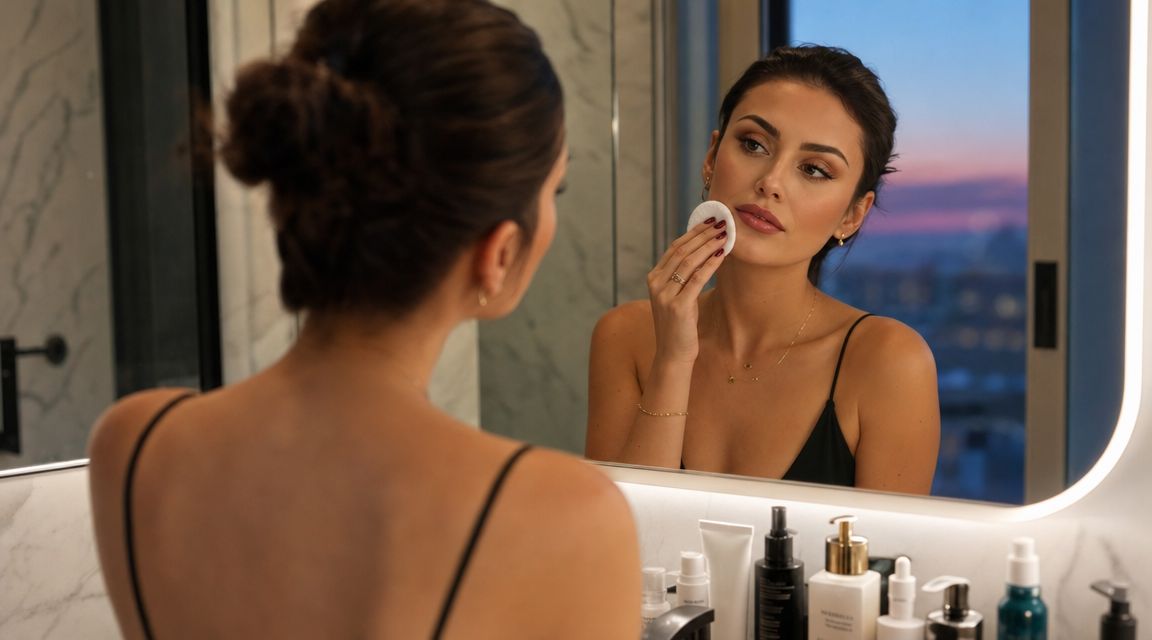
The good news is you don't need to overspend to get one that feels polished. Drugstore shelves are full of removers that give you that smooth, luxe cleansing experience without the luxury markup. Some are especially good for sensitive skin, some are better for waterproof makeup, and a few do both.
Practical rule: If your skin breaks out easily, judge a remover by how cleanly it rinses and how your skin looks the next morning, not just how fancy it feels on first use.
What Non-Comedogenic Really Means for Your Skin
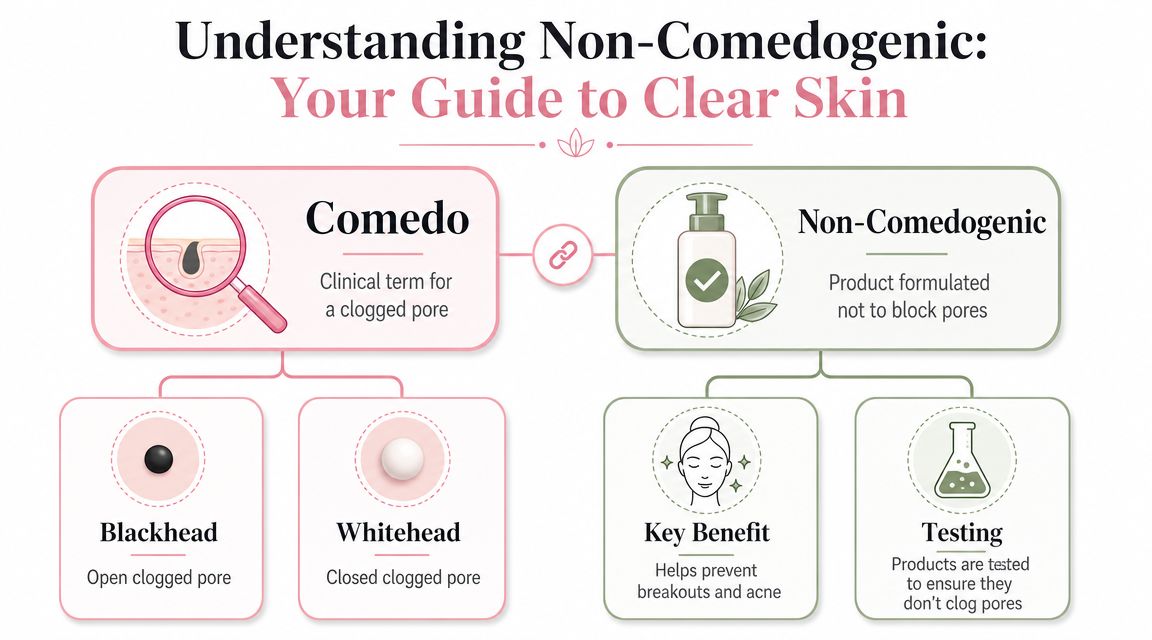
Non-comedogenic sounds technical, but the core idea is simple. A comedo is a clogged pore. So when a product is labeled non-comedogenic, it's being positioned as one formulated to avoid blocking pores.
That matters a lot with makeup removers because they go straight over the areas where congestion usually shows up first: the nose, chin, cheeks, and jawline. If a remover leaves too much film behind, that “clean” step can backfire.
Why the label helps but doesn't guarantee anything
The term grew out of the clinical word comedo, and modern skincare guidance uses it to describe formulas designed to avoid pore blockage. But it's not regulated by the FDA, so the meaning can vary from brand to brand. It doesn't promise you'll never break out. It signals that the product is intended to reduce that risk, not eliminate it entirely, as explained in this overview of non-comedogenic makeup products.
That's why I treat the label as a shortcut, not a verdict.
A non-comedogenic claim is helpful when you're scanning shelves quickly. It's especially useful if you already know your skin gets clogged by richer textures. But if your skin is reactive, the full formula still matters. Fragrance, residue level, and how thoroughly you rinse it off can make a big difference in how your skin behaves.
What to look for beside the claim
Brands often pair this wording with terms like oil-free or mineral-based to signal a lower breakout risk. Those extra cues can be useful, especially if you've learned your skin prefers lighter textures.
A simple way to think about it is this:
- Non-comedogenic means the formula is meant to be less likely to clog pores.
- Oil-free often points to a lighter feel, though it doesn't automatically mean better.
- Fragrance-free can be a smart choice if your skin gets irritated easily.
- Rinse quality still matters, even if the front label sounds perfect.
If your skin is both oily and breakout-prone, it helps to build your routine around products that reduce heaviness from start to finish. This roundup of non-comedogenic products for oily skin is useful if you want your cleanser, toner, and moisturizer to work together instead of fighting each other.
Think of “non-comedogenic” as the low-traffic lane for your pores. It lowers the chances of a jam, but it doesn't mean traffic can never happen.
Comparing Makeup Remover Types and Their Comedogenic Risk
Texture matters more than people think. Two removers can both claim to be gentle, but one leaves skin fresh while the other sits on the face like a waxy blanket. If you're choosing between formats, the type of remover often tells you a lot before you even read the full ingredient list.
Micellar water
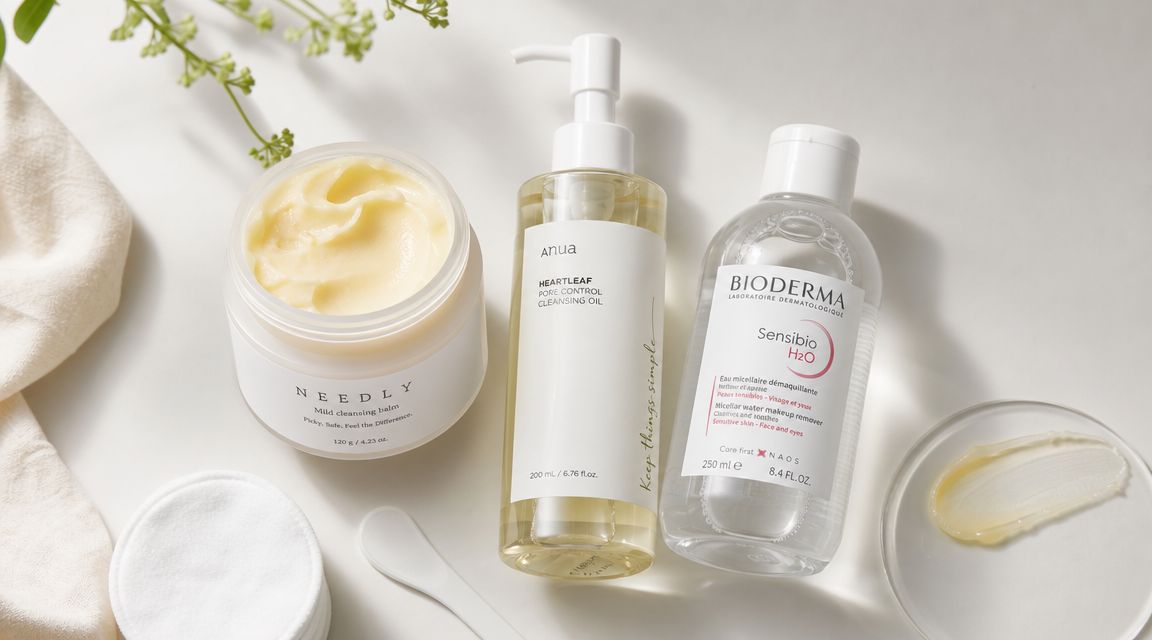
For many acne-prone skin types, micellar water is the easiest place to start. It's light, quick, and usually less likely to feel smothering than a rich balm. In breakout-prone use cases, fragrance-free, non-comedogenic micellar water is often preferred because it uses cleansing surfactants plus humectants instead of heavier emollients. Curology highlights Garnier SkinActive Micellar Cleansing Water as fragrance-free and non-comedogenic, and notes that it contains glycerin, which helps reduce dryness while removing makeup in a way that can be more comfortable for frequent use. You can read that guidance in Curology's article on no-breakout makeup removers.
This is why micellar waters work so well for people who want clean skin without that stripped feeling.
Cleansing balms and cleansing oils
Balms and oils can be excellent, but they're less foolproof. The best ones melt makeup fast and rinse with very little residue. The worst ones leave a film that almost demands a second cleanser.
I don't avoid this category at all. I just get picky. If you love the slip and comfort of a balm, stick to formulas that emulsify well and don't leave your skin feeling coated afterward. If you want options in that lane, this guide to an affordable cleansing balm is a good next read.
Wipes and bi-phase removers
Wipes are convenient, but they're rarely my first pick for breakout-prone skin. People tend to rub harder with them, and that friction can leave skin irritated before the actual cleanse is even done.
Bi-phase removers do a better job on stubborn eye makeup. They can be very effective, especially for mascara and liner, but they work best when you follow with a proper cleanse so none of that dissolved pigment and remover residue stays behind.
A quick visual can help if you're trying to decide what format makes sense for your routine.
Decoding Your Makeup Remover Ingredient List
The front label gets your attention. The ingredient list tells you whether the product has a real shot at working for your skin.
If you're acne-prone, you don't need to memorize every ingredient in the bottle. You just need to know what kinds of formulas tend to feel lighter, rinse cleaner, and remove makeup without forcing you to scrub.
Ingredients worth spotting
These are the ones I usually feel good about in a remover, especially when the formula is meant for regular use:
- Glycerin: Helps keep skin from feeling overly dry after cleansing.
- Lightweight solvents: These can break down makeup without the heavy finish that richer formulas sometimes leave.
- Simple, low-fuss formulas: Fewer extras can be a blessing if your skin reacts easily.
- Fragrance-free formulas: Often a safer bet when your barrier is already irritated.
One ingredient family that deserves more credit is silicone-based solvents. In non-comedogenic makeup removers, these can be a smart way to dissolve long-wear pigment without relying on heavy occlusive oils.
Why cyclopentasiloxane can be a good sign
Many effective removers use cyclopentasiloxane because it helps dissolve stubborn makeup while staying lightweight and low-residue. In Neutrogena's oil-free eye makeup remover, cyclopentasiloxane is listed as a key ingredient specifically “to dissolve makeup,” which is a useful example of how these formulas can lift waterproof mascara and liner without leaning on heavier oils. That product page for Neutrogena's oil-free eye makeup remover shows the mechanism clearly.
That's why I don't automatically assume “oil-free” means weak. A well-built solvent system can take off tough makeup very efficiently.
A remover doesn't have to feel rich to be effective. For waterproof eye makeup, lightweight solvents often outperform thick, greasy textures.
Ingredients I approach carefully
Practical testing is key. If a remover leaves your face feeling waxy, overly slick, or strangely suffocated, I'd pay attention even if the marketing sounds perfect.
A few common red flags:
- Heavy fragrance: Not always pore-related, but irritation can make angry skin look even worse.
- Thick residue-formers: If your skin still feels coated after rinsing, that's not a great sign.
- Formulas that require lots of rubbing: Friction is bad enough on its own, even before you get to the breakout question.
If you're tightening up the rest of your routine too, pairing your cleanser with a light, compatible toner can help keep skin balanced. This roundup of non-comedogenic toner options is useful if you want that next step to stay just as breakout-conscious.
7 Affordable Non-Comedogenic Removers That Actually Work
The best part of this category is that you don't need to hunt through obscure websites or boutique brands to find something solid. In a major retail market, Target's non-comedogenic makeup-remover assortment showed 84 results, with products ranging from $8.99 to $19.99, and some listings reaching 116k+ bought in last month. That's a clear sign this isn't a niche category anymore. You can see that range directly in Target's non-comedogenic makeup remover assortment.
If you're trying to build a routine that feels polished without overspending, I also like this broader guide to inexpensive skincare for pairing your remover with equally budget-friendly basics.
Quick Comparison of Non-Comedogenic Makeup Removers
| Dupe Product | Best For | Key Feature |
|---|---|---|
| Garnier SkinActive Micellar Cleansing Water | Sensitive, acne-prone skin | Fragrance-free micellar option |
| Neutrogena Oil-Free Eye Makeup Remover | Waterproof mascara and liner | Lightweight oil-free feel |
| Bioderma Sensibio H2O | Minimalist routines | Fresh, no-fuss micellar texture |
| e.l.f. Holy Hydration! Makeup Melting Cleansing Balm | Full-face makeup | Balm texture at a lower price |
| Simple Micellar Cleansing Water | Reactive skin | Gentle, straightforward formula |
| Cetaphil Gentle Waterproof Makeup Remover | Delicate eye area | Soft, low-drama removal |
| CeraVe Comforting Eye Makeup Remover | Dry, sensitive skin | Comfortable feel with less drag |
1. Garnier SkinActive Micellar Cleansing Water
This is an easy recommendation that suits many. It feels light, removes everyday makeup well, and doesn't leave that greasy after-feel that so many acne-prone users hate.
It's the kind of product that gives you the same practical satisfaction people want from pricier French-pharmacy micellar waters. Clean, simple, and reliable.
2. Neutrogena Oil-Free Eye Makeup Remover
If your main battle is waterproof mascara, this is one of the smartest budget buys. It has that slippery, effective feel you usually get from more expensive eye removers, but without tipping into a heavy finish.
I like it best as a targeted first step for the eyes rather than an all-over face remover.
3. Bioderma Sensibio H2O
This one isn't always the cheapest per ounce, but it's still widely available and often much less painful than high-end cleansing waters with similar minimal, elegant performance. It's great for people who want a remover that feels refined but not flashy.
If your skin hates overly scented or overly active products, this is often a safe lane.
4. e.l.f. Holy Hydration! Makeup Melting Cleansing Balm
This is the best dupe pick if you love the ritual of a luxury cleansing balm but not the price tag. It melts nicely, feels cushy on the skin, and gives that spa-like first cleanse experience for a lot less.
The trade-off is simple. If your skin is very clog-prone, make sure you rinse thoroughly and follow with a gentle cleanser.
5. Simple Micellar Cleansing Water
Simple tends to do one thing very well: straightforward basics for skin that gets overwhelmed easily. This one is a solid option if you want a remover that doesn't try too hard.
It won't feel glamorous, but it often works better than flashy formulas loaded with extras.
6. Cetaphil Gentle Waterproof Makeup Remover
For anyone with sensitive eyes, this one deserves a look. It handles more stubborn makeup than a basic water cleanser but still feels intentionally mild.
This is the sort of practical dupe that mimics the comfort of pricier sensitive-skin removers without making your wallet regret it.
7. CeraVe Comforting Eye Makeup Remover
If your eye area gets dry or irritated fast, CeraVe is a smart pick. It usually hits that sweet spot between effective and soothing, which is harder to find than it should be.
I especially like this style of remover for people who wear contact lenses or just can't deal with stinging formulas.
Budget tip: The best dupe isn't always the absolute cheapest bottle. It's the one you'll actually use every night because it feels good, removes makeup fast, and doesn't punish your skin afterward.
How to Properly Remove Makeup to Prevent Breakouts
Even the best remover can underperform if the technique is sloppy. Most breakout issues after cleansing come from leftover makeup, leftover remover, or too much rubbing.
The simple routine that works
Use this order when you want the cleanest result with the least drama:
- Start on dry skin: Massage your remover onto dry skin so it can properly break down pigment, sunscreen, and oils.
- Take your time around the eyes: Press gently instead of scrubbing, especially if you're using a micellar pad or dual-phase remover.
- Add water if the formula is meant to emulsify: This helps loosen everything before rinse-off.
- Follow with a gentle water-based cleanser: This is what removes the leftover film, makeup traces, and loosened debris.
- Pat dry instead of rubbing: Your barrier doesn't need extra friction at the end.
That second cleanse matters more than people think. If your first step dissolves makeup but you never wash the residue away, your pores still have to deal with what's left behind.
Patch test before committing
Any new remover can be a bad match, even one with a smart label. Patch test near the jaw or side of the face first, especially if your skin is both sensitive and acne-prone.
I also like looking at the rest of a person's skincare setup when breakouts keep happening. Sometimes the remover isn't the only issue. If you're curious about gentler routine building from another angle, this article on building your CBD skincare routine offers a helpful overview of how people structure calming, skin-focused routines.
Non-Comedogenic Makeup Remover FAQs
Are non-comedogenic products only for acne-prone skin
No. They're especially appealing for acne-prone skin, but they can also be a smart choice for combination, oily, or sensitive skin. Plenty of people choose them because they prefer formulas that feel lighter and rinse cleaner.
If a remover isn't labeled non-comedogenic, is it automatically bad
Not at all. Some excellent removers don't lean heavily on that label. What matters is the full picture: how the formula is built, whether it leaves residue, how your skin responds, and whether you're using it correctly.
A boring bottle with a clean-feeling formula can outperform a trendy one with better marketing.
Do I still need to double cleanse if I use a non-comedogenic remover
Usually, yes. If you wear sunscreen, foundation, long-wear complexion products, or waterproof eye makeup, a second cleanse is still the safest habit. The first step loosens and dissolves makeup. The second step removes what's left.
That extra minute is often the difference between skin that feels fresh and skin that starts feeling bumpy a day later.
Are micellar waters enough on their own
Sometimes. If you're wearing very light makeup, they can be enough for a quick evening cleanse. But if you're wearing heavier products, I'd still rinse or follow with a cleanser.
Micellar water is great at lifting makeup off the skin. It's less great when people assume that means the whole job is done.
What's the best affordable option overall
Overall, Garnier SkinActive Micellar Cleansing Water is the strongest all-around pick from this list. It's easy to find, easy to use, gentle in feel, and especially appealing if your skin gets cranky with rich removers.
It gives you that high-end micellar-water experience without making a basic cleansing step feel overpriced.
Non comedogenic makeup removers don't need to be expensive to be good. The smartest buys are the ones that remove makeup thoroughly, feel comfortable on the skin, and fit into a routine you'll stick with. If I had to name one best dupe from this roundup, Garnier SkinActive Micellar Cleansing Water is the winner for value, accessibility, and day-to-day performance.
If you love finding beauty products that feel luxe without the markup, Finding Favourites is worth bookmarking. It's packed with practical dupe guides, affordable beauty picks, and smart swaps that help you spend less without settling.