
5 Best Drugstore Glycolic Acid Dupes That Work
You're standing in the skincare aisle, holding an expensive glycolic treatment in one hand and a drugstore toner in the other. The luxury bottle promises polished, glass-like skin, but the price makes you wonder whether the cheaper option will truly exfoliate or merely leave a scented film behind.
This post may contain affiliate links, which means I may receive a commission if you purchase through my links, at no extra cost to you. Please read the disclosure policy for more information.
Introduction and Quick Dupe Comparison
Drugstore glycolic acid can be an excellent value, but the cheapest bottle isn't automatically the smartest buy. Glycolic acid works best when the formula balances acid concentration, final pH, free-acid availability, and contact time. A product with a modest concentration can outperform a stronger formula if its chemistry allows enough un-ionized acid to reach the skin's surface.
The ingredient is particularly useful for rough texture, dullness, uneven tone, and post-acne marks. It loosens the bonds between surface cells, helping skin look smoother and more reflective. It can also make dry surface buildup less noticeable, although it won't replace a moisturizer or sunscreen.
The five picks below cover different budgets, textures, and experience levels. I'm treating “dupe” as a practical alternative with a similar exfoliating role, finish, or routine position, not as an identical formula. Luxury products often use different supporting ingredients and delivery systems, so expect comparable function rather than a perfect chemical match.
| Drugstore Dupe | Luxury Alternative | Best For |
|---|---|---|
| The Ordinary Glycolic Acid 7% Toning Solution | Drunk Elephant T.L.C. Framboos | Texture and value |
| Good Molecules Glycolic Exfoliating Toner | Sunday Riley Good Genes | Dullness and uneven tone |
| Naturium The Smoother Body Wash | Sol de Janeiro Bum Bum Body Scrub | Rough body texture |
| Pixi Glow Tonic | REN Ready Steady Glow | Beginner-friendly radiance |
| Alpha Skin Care Enhanced Renewal Cream | Exfoliating night creams | Dry, rough skin |
The best overall choice for most shoppers is The Ordinary Glycolic Acid 7% Toning Solution. It offers a clear leave-on format, a substantial active level, and a straightforward role in a routine. Sensitive skin should start with a gentler format instead of assuming that the most powerful-feeling product is the best value.
The Science of Drugstore Glycolic Acid
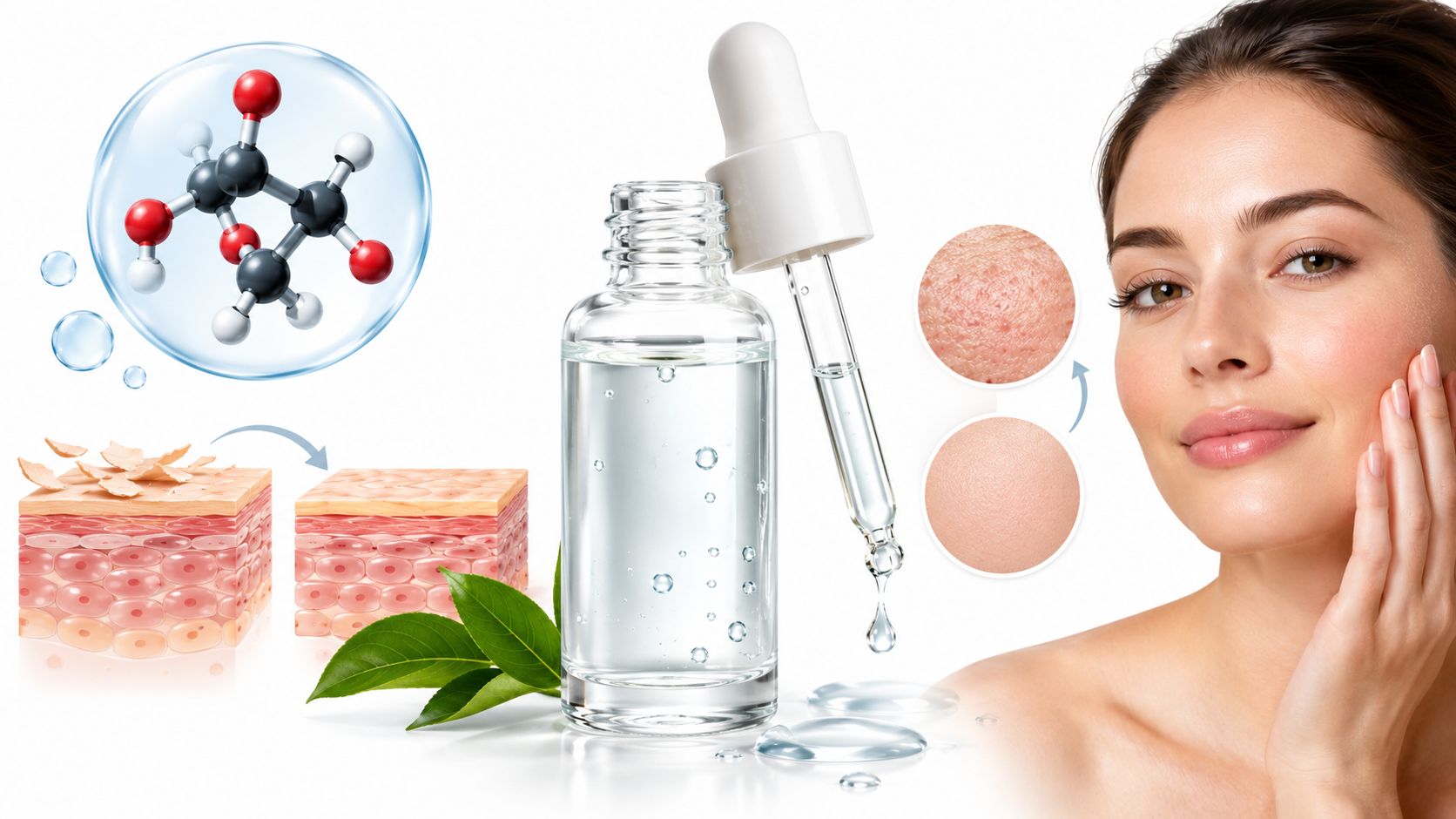
Glycolic acid is the smallest common alpha-hydroxy acid, which helps it move through the outer layer of skin more efficiently than larger AHAs. That smaller molecular size can produce stronger desquamation at the same nominal percentage. In practical terms, a well-made drugstore toner doesn't need luxury packaging to provide meaningful surface exfoliation.
The label percentage tells only part of the story. Glycolic acid becomes less ionized at a lower pH, which generally makes it more available to penetrate the skin. Raising the pH reduces penetration and can also reduce irritation. That's why a product's final pH matters as much as the number printed on the front.
Formulation rule: A higher percentage isn't automatically stronger in use. The available free acid, the pH, and the time the product stays on your skin determine how much exfoliating work it can do.
The U.S. Food and Drug Administration notes that consumer cosmetic formulations are typically limited to 10% glycolic acid with a final pH of 3.5 or higher, because exfoliation strength rises with concentration and lower pH. The FDA also advises sun protection when using alpha-hydroxy acids because they can increase sun sensitivity. The FDA's consumer guidance on alpha-hydroxy acids explains the relationship between formulation strength and safe cosmetic use.
The Cosmetic Ingredient Review Expert Panel concluded that glycolic acid is safe for cosmetic use at 10% or less with a final-formulation pH of 3.5 or greater. For salon products, the panel supported concentrations up to 30% at pH 3.0 or greater when used briefly and accompanied by sun-protection directions, according to the FDA's guidance on labeling cosmetics containing alpha-hydroxy acids. Those thresholds helped shape the drugstore serums, toners, pads, and cleansers shoppers see today.
A 10% glycolic acid emulsion has also been shown to lower skin surface pH from about 5.2 to 4.0, demonstrating that the acid can alter the skin's surface environment while it works. The practical lesson is simple. Don't judge a toner only by its percentage. Look for a transparent ingredient list, sensible directions, and a formula that doesn't bury the active in unnecessary irritants.
For a useful comparison of exfoliating acids, read this guide to AHA versus BHA. If you're considering stronger professional treatments, this local guide to glycolic and chemical peels offers helpful context on how salon and medical peels differ from at-home products.
Choosing the Right Format for Your Skin Type
The same acid behaves differently depending on whether you rinse it away or leave it on overnight. Format is your first safety decision, especially if you're new to exfoliation.
Cleansers suit cautious beginners
A glycolic cleanser offers the shortest contact time. You apply it, massage it briefly, and rinse it away. That makes it a sensible entry point for skin that reacts easily or for shoppers who want to test their tolerance before committing to a leave-on product.
The tradeoff is reduced treatment time. A cleanser can smooth the feel of rough skin, but it generally won't provide the same sustained exposure as a toner or serum. Choose a fragrance-free or low-irritant option if your skin feels tight after washing.
Toners offer the best balance
A leave-on toner is the most versatile drugstore format. It spreads quickly, layers under moisturizer, and gives glycolic acid enough contact time to address dullness and uneven texture. The Ordinary's toner is the clearest example of this category, but it's also the product most likely to overwhelm a beginner who applies it too often.
Use a toner on clean, completely dry skin. Damp skin can increase the sting, particularly when the formula has a low pH.
Serums are more targeted
A serum makes sense when glycolic acid is one part of a carefully built treatment routine. The texture may feel more concentrated or cushioned, and supporting ingredients can make the product more comfortable. Don't stack multiple acid serums because each product seems gentle on its own. Your skin responds to the total exfoliating load.
Pads and peels demand restraint
Pre-soaked pads and at-home peel products are convenient, but they can encourage overuse. The pad adds physical friction, while the acid adds chemical exfoliation. That combination isn't ideal for reactive skin, active irritation, or a damaged moisture barrier.
| Skin concern | Best starting format | Why |
|---|---|---|
| Reactive or sensitive skin | Cleanser | Short contact time |
| Dullness | Toner | Even, leave-on application |
| Post-acne marks | Toner or serum | Sustained surface contact |
| Rough body skin | Body wash or cream | Easy to spread over larger areas |
| Experienced acid user | Pad or peel | Stronger treatment feel, higher irritation potential |
For more guidance on choosing among exfoliating toners, use this AHA, BHA, and PHA toner guide. PHA products may feel gentler, while BHA is usually the more logical choice for oily, congested pores.
5 Best Drugstore Glycolic Acid Dupes
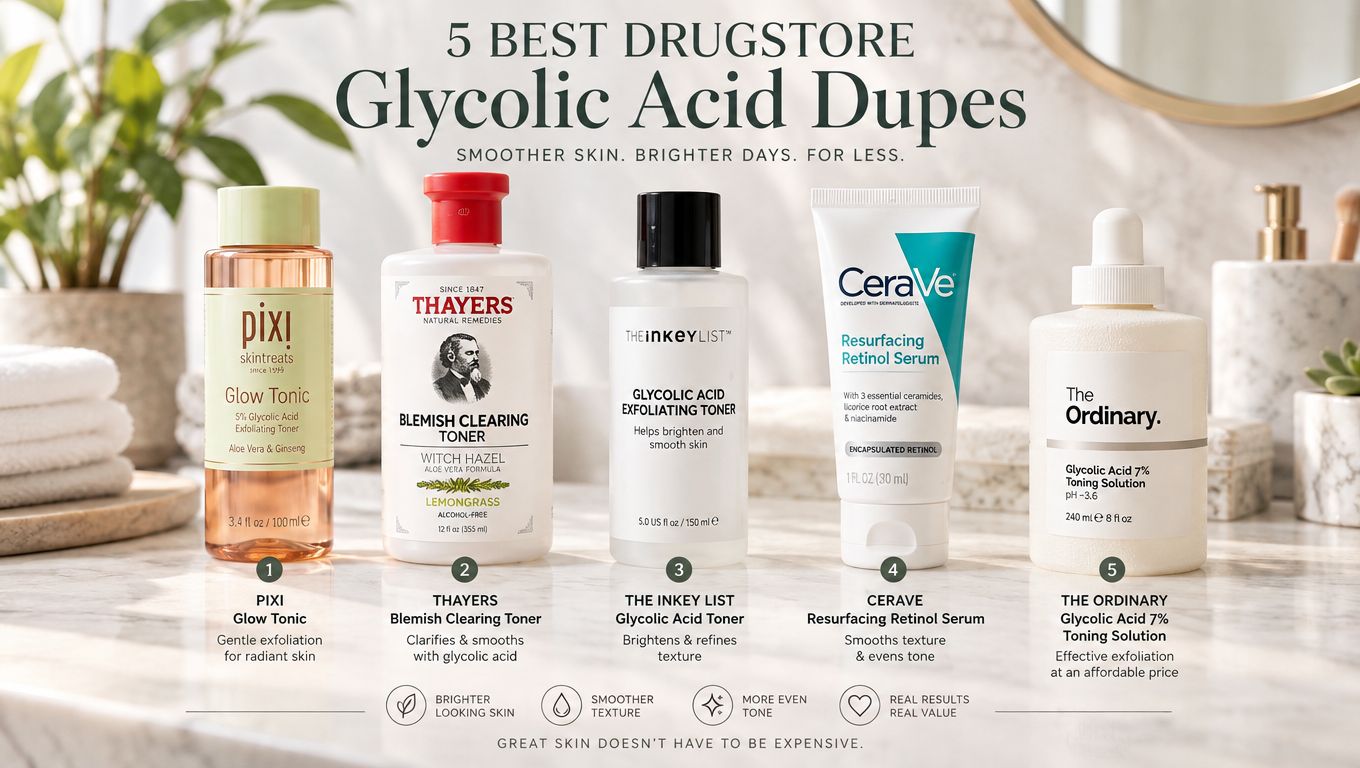
These are widely available U.S. drugstore or accessible beauty-retail options that remain in active circulation. I'm ranking them by use case, not by the loudest marketing claim.
1. The Ordinary Glycolic Acid 7% Toning Solution
Best overall for face texture and value
This is the obvious first pick for shoppers who want a straightforward leave-on glycolic toner. The watery texture spreads easily, dries without a heavy film, and fits naturally after cleansing and before moisturizer. Its exfoliating role makes it a practical alternative to luxury resurfacing toners and acid treatments.
The strength is also the warning. A leave-on product at this level can feel intense if you use it nightly from the start. Apply it sparingly, avoid the eye area, and don't use it on freshly shaved or irritated skin.
Choose this one if your priority is rough texture, dullness, or a smoother makeup base. Skip it for now if your skin is already peeling, burning, or unusually sensitive.
2. Good Molecules Glycolic Exfoliating Toner
Best for shoppers who want a softer, uncomplicated toner
Good Molecules makes a useful alternative to high-end brightening toners such as Sunday Riley Good Genes. The appeal is its accessible positioning and simple routine role. It's a sensible choice for someone who wants glycolic acid without building an elaborate treatment wardrobe.
Use it on nights when the rest of your routine is deliberately boring. A gentle cleanser, the toner, and a bland moisturizer are enough. Don't add a retinoid or another exfoliating liquid just because the toner feels comfortable.
This is the dupe I'd choose for dull-looking skin and mild unevenness, particularly if you're more concerned with consistency than maximum intensity.
3. Naturium The Smoother Glycolic Acid Exfoliating Body Wash
Best for rough body skin
Naturium's body wash is a strong pick for arms, legs, elbows, and other areas with surface roughness. The formula includes 5% glycolic acid and combines it with lactic, pyruvic, and tartaric acids, plus red algae, according to the product information in the supplied research. Because it rinses away, it's easier to fit into a body routine than a potent face toner.
The lightweight gel lathers and rinses clean, making it a practical alternative to luxury body exfoliators and smoothing scrubs. It won't duplicate the exact feel of a rich body cream, but it offers a more treatment-focused shower step without relying on abrasive particles.
Use your hands rather than a rough scrubber. Follow with body lotion while skin is still slightly damp, and stop if the area becomes persistently irritated.
4. Pixi Glow Tonic
Best for a beginner who wants a familiar glow-focused format
Pixi Glow Tonic is a recognizable alternative to luxury radiance toners such as REN Ready Steady Glow. Its appeal is cosmetic rather than clinical. The toner gives a clean, easy-to-understand place in a routine and suits shoppers who want to make dullness their main target.
The key limitation is that “glow” doesn't tell you whether the formula will suit your skin. If you're sensitive, fragrance or supporting ingredients may matter more than the glycolic acid itself. Patch test first, then use it on a limited schedule.
Pick it when you want a toner format with a brightening, polished-skin focus. Choose The Ordinary instead if you want the most direct value-oriented acid step.
5. Alpha Skin Care Enhanced Renewal Cream
Best for dry, rough skin that dislikes watery toners
A glycolic cream changes the experience completely. Instead of placing an exfoliating liquid directly onto bare skin, you get a more emollient delivery vehicle that can feel comfortable on dry, rough areas. It's a practical alternative to premium resurfacing night creams.
Use it as a treatment moisturizer, not as an extra layer on top of several active products. Start on a small area and keep the rest of the routine calming. This format is especially useful for shoppers who find toners drying or inconvenient.
The finish is less weightless than a liquid toner, but that's precisely why it works for people who need surface smoothing without a stripped, tight after-feel.
How to Layer and Introduce Acids Safely
A glycolic product should replace an exfoliating step, not join every other active in the same routine. Start with clean, dry skin, apply a thin layer, and follow with a plain moisturizer. If your product is a cleanser, rinse thoroughly and moisturize immediately.
A cautious introduction looks like this:
- Patch test first. Apply the product to a small area and watch for persistent burning, swelling, or rash.
- Use it on a quiet night. Avoid pairing it with other strong treatments.
- Start infrequently. Give your skin time to show whether it can tolerate the product before increasing use.
- Moisturize after application. Choose a barrier-supportive cream without additional exfoliating actives.
- Wear broad-spectrum sunscreen every morning. Sun protection is essential because AHAs can increase sun sensitivity.
Layering rule: Don't combine glycolic acid with a retinoid, vitamin C, or benzoyl peroxide in the same routine when you're starting out. The combination can produce severe irritation and may feel like a chemical burn.
A beginner schedule can stay simple:
- First treatment night: Cleanser, glycolic product, moisturizer.
- Following nights: Cleanser, moisturizer only.
- Morning routine: Gentle cleanse or rinse, moisturizer, broad-spectrum sunscreen.
Keep retinoids, benzoyl peroxide, and strong vitamin C for separate routines until you know your tolerance. Niacinamide is often easier to pair with exfoliating acids, but irritation is still possible if your overall routine is aggressive. This guide on using glycolic acid with niacinamide provides a useful routine-specific explanation.
Stop using the acid if you develop ongoing redness, swelling, cracking, or intense stinging. A brief tingle can happen, but persistent discomfort is not proof that the product is working.
Common Mistakes and Final Verdict
The biggest mistake is assuming that more acid equals better skin. A poorly buffered formula can irritate you without delivering a better result, while a well-formulated lower-strength product may be easier to use consistently. Don't ignore pH, free-acid availability, or the amount of contact time.
Frequently asked questions
Can you use glycolic acid during pregnancy?
Ask your obstetrician or dermatologist before adding a new active during pregnancy. Product formulas vary, and professional guidance is especially important if you're treating melasma, acne, or significant sensitivity.
Is purging normal with glycolic acid?
A temporary increase in blemishes can occur when a product accelerates surface shedding, but widespread burning, swelling, or persistent worsening points to irritation rather than a useful adjustment period. Stop the product and simplify your routine if that happens.
Can glycolic acid remove deep acne scars?
No. It can improve the look and feel of surface roughness and some post-acne marks, but indented or raised scars need a professional assessment. An overused home acid won't replace a targeted treatment plan.
The Ordinary Glycolic Acid 7% Toning Solution is the best overall dupe for most shoppers because it combines a practical leave-on format with a clear exfoliating purpose. Good Molecules is the more approachable choice for a simpler brightening routine, Naturium is the standout for rough body skin, Pixi suits glow-focused beginners, and Alpha Skin Care is the better format for dry areas that need cream.
Choose based on your concern, not the most dramatic label. Check the formula, respect contact time, introduce glycolic acid slowly, and wear sunscreen every morning.
Finding Favourites helps you compare affordable alternatives across skincare, makeup, and fragrance, including practical dupe roundups and ingredient-focused shopping guides. Visit Finding Favourites to find a glycolic acid option that fits your routine and budget.