
How to Save Money on Makeup Without Skimping on Looks
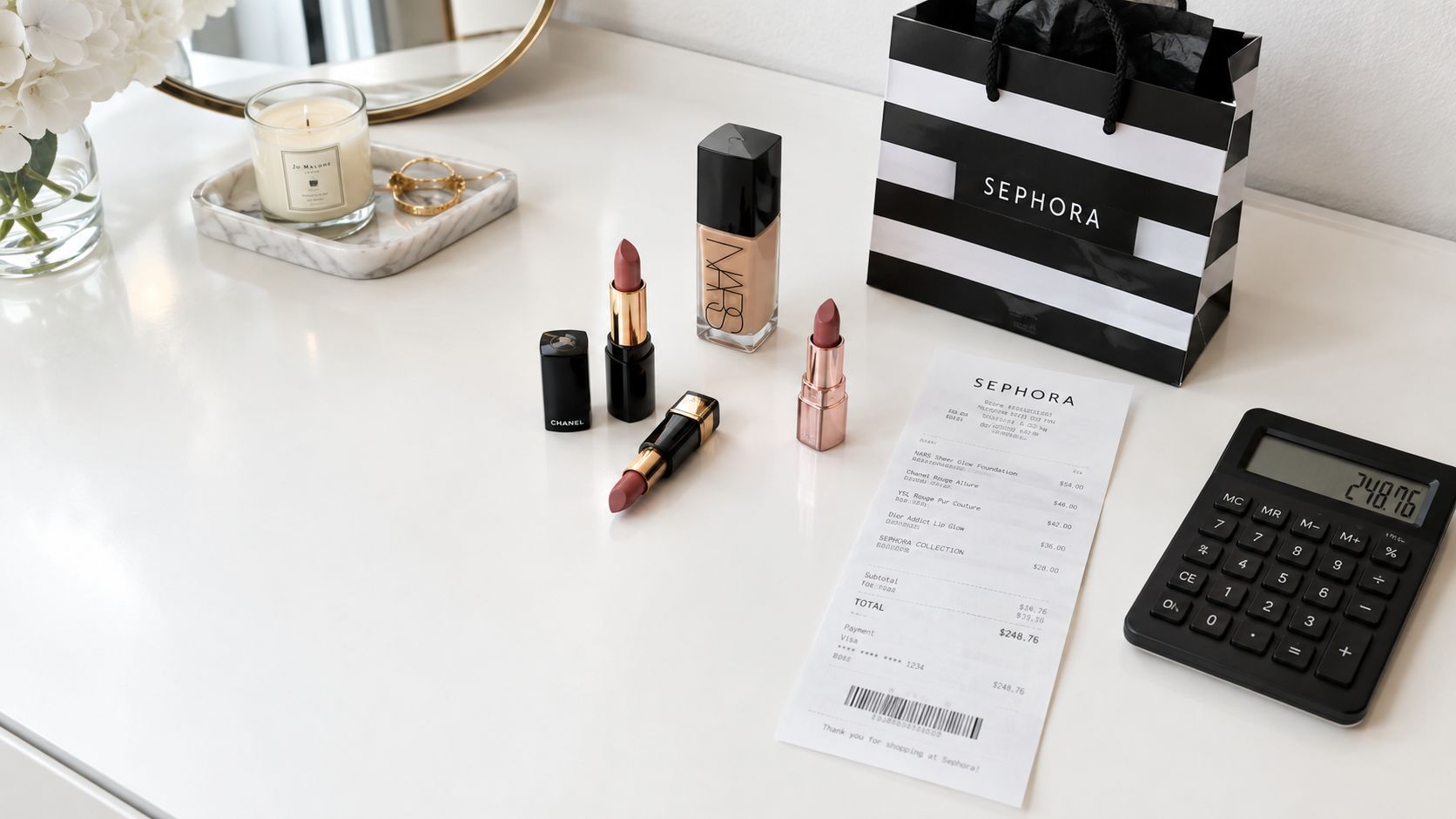
You open a makeup drawer and find three nearly identical nude lipsticks, a foundation you forgot you bought, and a mascara that has gone dry before you finished it. Then a quick Sephora visit turns into another lipstick, a backup base, and a “limited-time” impulse purchase. The polished look stays the same, but your spending keeps climbing.
This post may contain affiliate links, which means I may receive a commission if you purchase through my links, at no extra cost to you. Please read the disclosure policy for more information.
Why Your Routine Costs More Than It Should
A $400 monthly beauty spend can disappear without one dramatic purchase. A few lipstick hauls, foundation backups, and impulse Sephora runs create the illusion that each decision is small. Over a year, that pattern becomes $4,800, an amount that could otherwise support bills, savings, or a carefully chosen splurge.
The problem usually isn't that makeup costs too much in isolation. It's that products arrive faster than you can use them. A backup dries out before its turn, a trendy shade duplicates something already in the drawer, and a discount encourages you to buy an item you wouldn't have considered at full price.
The four-part reset
Inventory and cost per use come first. You need to know what you own, what remains usable, and which products earn their space through frequent wear.
Multi-use swaps reduce the number of separate items in your routine. A cream blush that works on cheeks, lips, and lids can replace several occasional products without making your makeup look unfinished.
Project-pan and storage habits help you finish what you've paid for. Better visibility, thoughtful rotation, and correct storage prevent forgotten products from becoming waste.
Curated drugstore dupes give you lower-cost alternatives for categories where the formula and finish are close enough to justify the switch.
The practical rule: buy less first, use more consistently second, and dupe selectively third.
This isn't a coupon roundup. It's a reset of how you buy, store, compare, and finish makeup. The inventory step stops duplicate purchases, cost-per-use math reveals which products are economical, multi-use formulas simplify your bag, project panning protects your spending, and targeted dupes lower the price of looks you already wear.
Audit Your Stash and Calculate Cost Per Use
Start with a complete removal. Empty every makeup drawer, handbag, bathroom cabinet, travel pouch, and backup box onto a clean surface. If you can't see it, you can't budget for it.
Sort before you judge
Create five groups:
- Skincare and prep, including primer and setting products.
- Base, including foundation, skin tint, concealer, powder, and color corrector.
- Eyes, including mascara, liner, shadow, and brow products.
- Lips and cheeks, including lipstick, balm, blush, bronzer, and highlighter.
- Tools, including brushes, sponges, sharpeners, and applicators.
Now divide each group into daily use, occasional use, unopened backups, duplicates, and questionable products. Keep only what has a clear role. A product doesn't become valuable because it was expensive. It becomes valuable when you use it.
Check packaging, texture, smell, and performance. You can use batch-code resources such as CheckCosmetic.net as a reference, but don't treat a batch-code result as a substitute for the product's label guidance or your own inspection. Mascara, liquid products, and anything that has changed odor or texture deserve particular caution.
Use cost per wear, not sticker price
The formula is simple:
Purchase price ÷ realistic number of uses = cost per use
A $38 luxury lipstick used 200 times costs $0.19 per use, while a $9 drugstore bullet used 40 times costs $0.225 per use. The luxury product is cheaper per wear in this example, even though its checkout price is higher. That's why replacing every premium item automatically isn't a money-saving strategy.
Write the price and an honest expected wear count beside each product. Estimate from your routine, not from a fantasy version of yourself. If you rarely wear red lipstick, don't assume you'll use it hundreds of times.
Move older but usable products to the front of the drawer. Rotate seasonal shades forward when the weather or your wardrobe changes, and put everyday products where you'll reach them first. Photograph duplicates before decluttering so you remember what you already own when shopping.
Products that stay hidden can't become affordable through use.
Treat any product costing more than $1 per use as a prompt for closer review, not an automatic discard. Ask whether you love the finish, whether a multi-use alternative could replace it, and whether a lower-cost dupe deserves testing.
The Best Affordable Dupes Worth Buying Right Now
Dupe shopping works only when it replaces a purchase you were already planning to make. The comparison matters more than the label. Check finish, undertone, coverage, wear, and how often you'll use the product.
| Category | Luxury original and drugstore dupe | Finish and best for |
|---|---|---|
| Foundation | Estée Lauder Double Wear, Maybelline Fit Me Matte + Poreless | Matte base, everyday wear, oilier skin |
| Concealer | Tarte Shape Tape, e.l.f. Camo Concealer | Full coverage, blemishes and brightening |
| Mascara | Too Faced Better Than Sex, Essence Lash Princess | Volume, dramatic lashes |
| Lip product | Dior Lip Glow, Maybelline Baby Lips | Sheer tint, casual daily color |
| Brow gel | Benefit 24-HR Brow Setter, e.l.f. Wow Brow | Soft hold, quick brow definition |
The strongest budget swap in this group is e.l.f. Camo Concealer for Tarte Shape Tape. Both target fuller coverage, but e.l.f.’s formula can feel denser and less forgiving if you apply too much. Use a small amount, press it in with a damp sponge, and add only where you need coverage.
Maybelline Fit Me Matte + Poreless is a sensible alternative to Estée Lauder Double Wear when you want a matte base without paying prestige prices. Don't expect identical longevity or the same shade behavior. This is a good place to swatch in person because undertones can make a promising comparison fail immediately.
Essence Lash Princess delivers the most convincing visual effect for a dramatic mascara look, but it can be less dependable if your priority is all-day flake resistance. If your lashes are straight or your eyes water easily, test it on a normal day before replacing a mascara you already trust.
For lips, Maybelline Baby Lips is a practical substitute for a sheer tinted balm such as Dior Lip Glow, but the color payoff and conditioning feel won't be identical. e.l.f. Wow Brow creates a softer, less sculpted result than Benefit 24-HR Brow Setter, so it suits relaxed brows better than a laminated finish.
You can browse additional side-by-side options in Finding Favourites' affordable makeup dupes. Start with one product, not all five. Swatch in daylight when possible, compare the formula beside the original, and wait until you've used the new product several times before deciding whether it earned a permanent place.
Smart Shopping Tactics That Cut Prices in Half
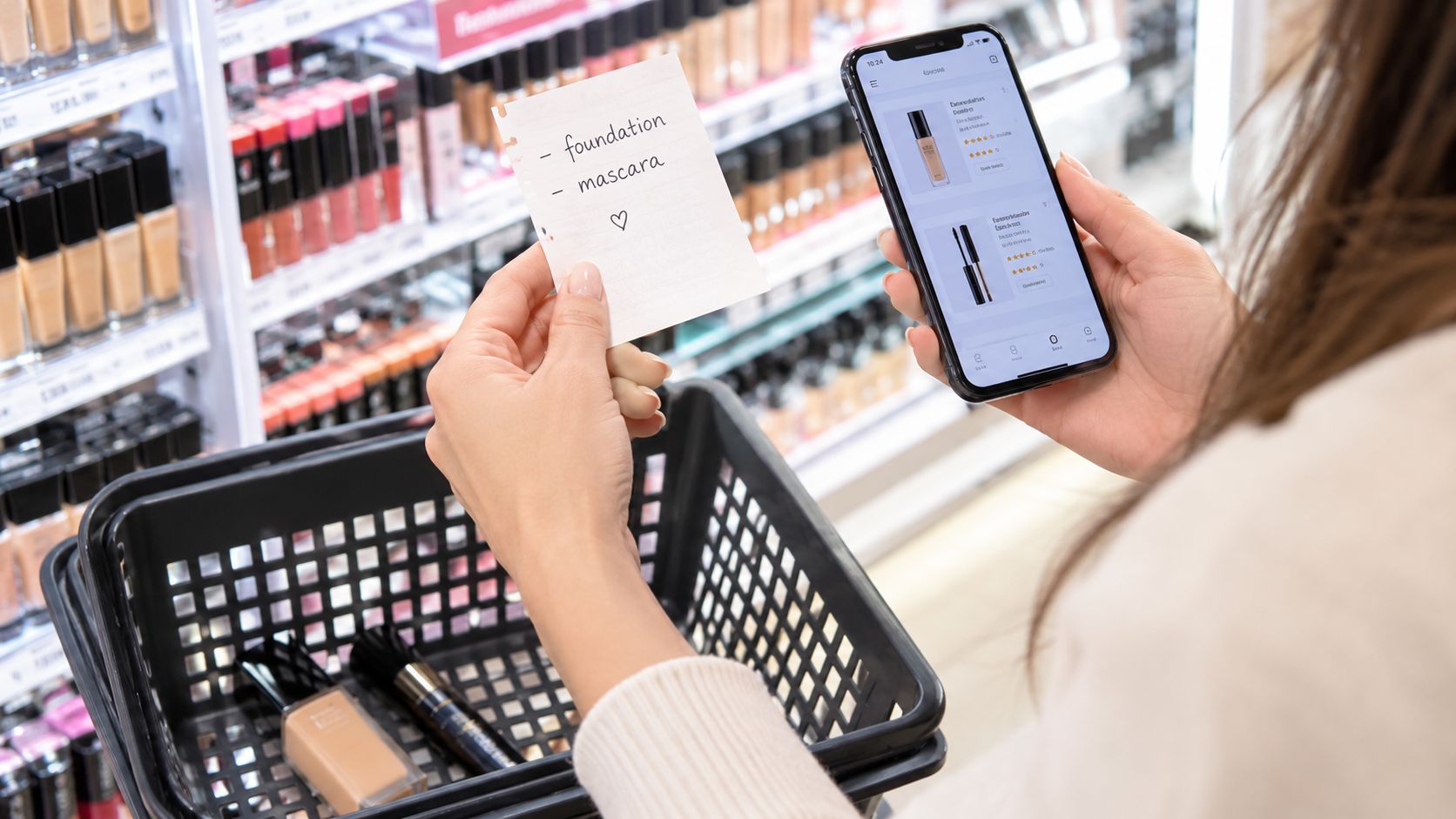
Savings become reliable when you use an order of operations. Start with a monthly beauty cap, write a short list, and wait for a meaningful reduction on something you already planned to buy. A 10% coupon on an item you don't need is still completely wasted.
Build a deliberate purchase sequence
Use this order:
- Set the cap. Decide what makeup can receive after essentials and existing commitments.
- Name the need. Write the exact category, shade family, and purpose.
- Compare the final price. Check the checkout total, shipping, rewards, and size rather than trusting the advertised markdown.
- Test before committing. Use samples or minis for complexion products and fragrance whenever possible.
- Record the result. Log the price, date, quantity, and whether you'd buy it again.
Major holiday events, store-brand anniversary promotions, and clearance periods can be useful, but they're only useful when the item matches your list. If you shop across retailers, planning around sale calendars can help. Readers tracking UK promotions can find Debenhams sale dates before deciding when to browse.
Stack rewards without expanding the basket
Join loyalty programs only at retailers where you already shop. Use points and rewards as a reduction on a planned order, not as permission to add extras. For online purchases, combine one store coupon, a valid cash-back offer, and a rewards redemption when the terms allow it. Never add filler makeup to qualify for free shipping.
Price-check by shade and size. A mini can cost more per gram than the standard size, so compare unit value before assuming “travel” means “cheap.” Buying a larger size makes sense only for a product you already finish before it expires.
The same discipline applies to dupes. Buy one substitute at a time, patch-test it where appropriate, and compare it with the original in daylight. If it doesn't improve your routine or replace a planned repurchase, return to your stash rather than buying another alternative. A useful guide to affordable brands is available through Finding Favourites' best affordable makeup brands.
Extend Product Life With Multi-Use Picks and Storage
Make every product earn its place. Before buying a new blush, lip color, or highlighter, finish or remove an overlapping shade. A one-in, one-out rule prevents a small upgrade from becoming another crowded category.
Cream formulas offer the most flexibility. Use a cream blush on cheeks, lips, and lids when the formula is suitable for those areas. A bronze shade can soften the crease or act as a light contour, while a clear balm can add shine, tame brows, and protect dry cuticles.
Store for the formula you own
Keep products tightly closed and away from direct sunlight and bathroom humidity. Use separate brushes for cream and powder products, wipe tools on a clean cloth after use, and wash them regularly. Never add water to mascara.
For a dried gel liner, use one drop of a compatible mixing medium rather than water, then close the cap firmly. A cream shadow may respond to a small amount of makeup-safe mixer, but don't flood the pan or jar. If a product smells different, separates unusually, changes texture, or irritates your skin, discard it.
Write the purchase and opening dates on new items. Follow the label's shelf-life guidance and the PAO symbol, the open-jar icon that indicates how long a product is intended to remain suitable after opening. Sanitize bottle necks and compact surfaces so residue doesn't build up around the packaging.
Place everyday shades in front and special colors behind them. Rotate older items forward every few months, and keep a small project-pan tray visible. A cool, dry, visible routine makes it easier to finish what you own. For a practical complexion routine, readers can also review guidance on how to reapply sunscreen over makeup, then keep sun-protection products separate from color products so they're easy to remember.
Learn how to keep finished makeup looking polished with Finding Favourites' guide to making makeup last all day.
DIY Swaps That Save Real Money
DIY makes sense when it replaces a product you use repeatedly. It doesn't make sense when it turns your bathroom into an unpreserved cosmetics laboratory.
Low-risk ways to stretch your routine
Make a small tinted balm by mixing a pinch of cream blush or eyeshadow with plain petroleum jelly. Test the color on your arm first, use a clean spatula, and label the mixture with its ingredients and date. Prepare only a little, because homemade mixtures don't have the preservation system of a commercially formulated product.
For a sheer, skin-like base, mix a drop of facial oil with foundation in your hand immediately before application. Skip this with formulas that promise long wear or water resistance, because changing the formula can undermine the result. Don't pour oil into the foundation bottle.
Turn a cream shadow or blush into a custom liner by mixing it with a compatible gel medium on a stainless-steel palette. Keep the mixture out of the original jar, and don't introduce a wet ingredient into a product you plan to store.
A clean makeup sponge can apply moisturizer, primer, or cream color. Wash it immediately afterward and let it dry completely. Petroleum jelly can work as a lip mask, cuticle protector, or subtle highlight, but avoid eyelids if your eyes are sensitive.
Never DIY mascara, liquid liner, SPF, or anything that depends on preservatives. The infection and irritation risk is not worth the small saving. Patch-test mixtures, discard leftovers promptly, and never share eye products. If you're considering lash services rather than mascara, research safety and maintenance first, including information about DIY eyelash extension application.
Six buying questions dupe lists often skip
How do I stop dupe creep? Use one-in, one-out. Track the true cost per wear, and don't buy a substitute for a product you already own unless it replaces that product.
Do travel sizes save money? Sometimes, but not automatically. Compare the amount with the full-size price. Minis can carry a higher cost per gram, so buy them for testing or travel convenience, not by default.
Is drugstore makeup safe past opening? Brand and price don't determine safety. Follow the PAO guidance, inspect smell and texture, and discard anything that causes irritation or looks compromised.
Can I return opened makeup? Policies vary by retailer, product, condition, and timing. Check the current return rules for Sephora, Ulta, and Target before purchasing, and keep the receipt or order record. Don't assume a retailer will accept a used cosmetic because you disliked the shade.
What makes a real dupe? Compare the ingredient list, shade family, finish, coverage, applicator, and wear behavior. A different shade name doesn't prove similarity, and a low price doesn't compensate for a mismatched undertone. A product that looks similar in a swatch but separates on your skin isn't a useful replacement.
Are subscription boxes worth it? They can be worthwhile for shoppers who want samples and can resist buying full sizes immediately. Ipsy and Allure are the names I'd compare first, but the right choice depends on whether you'll use the contents. If a box adds products to an already full routine, it isn't saving money.
The wider dupe market deserves caution. YouGov reports that 44% of people cite lower cost as a reason to buy duped makeup, while Circana reports that 51% of beauty buyers have purchased a beauty dupe. YouGov's analysis of duped makeup also frames performance expectations and brand skepticism as part of the trend, not just price.
The hidden cost is accumulation. NielsenIQ data cited by GCI Magazine found 98% of surveyed shoppers said dupes expanded their regular routine, including products such as setting sprays, primers, and bronzers, as discussed in coverage of the project-pan makeup trend. Buy a dupe only when it simplifies your routine or replaces a finished product.
Final Verdict and Your 30-Day Savings Plan
The most effective answer to how to save money on makeup is a four-part system: audit your stash, calculate cost per use, choose multi-use products, and buy curated dupes only when they replace something. The best starting swap from the roundup is e.l.f. Camo Concealer for Tarte Shape Tape. It targets the same full-coverage role, costs less to test, and can replace a planned concealer repurchase when the shade and texture work for you.
Follow this 30-day reset:
- Days 1 through 7: Empty and sort your stash. Separate usable products from expired or questionable items, record purchase prices, and calculate realistic cost per use.
- Days 8 through 14: Test one dupe beside the original. Wear it through your normal routine, check the finish in daylight, and record coverage, comfort, and longevity.
- Days 15 through 21: Review sale calendars, coupons, loyalty rewards, and final checkout prices. Buy only from your written list, and skip filler products.
- Days 22 through 30: Start a project-pan tray, rotate older items forward, and choose one multi-use product to replace overlapping shades.
Set a concrete goal, such as redirecting $75 toward bills or a higher-priority splurge. The amount matters less than the habit. Fewer purchases, more completed products, and one well-tested swap can keep your routine luxe-looking while giving your wallet room to breathe.
A final note for creators and reviewers: if you receive free or discounted products, or have another material connection to a brand, disclose it clearly and place the disclosure close to the recommendation. The FTC endorsement guidance explains why readers need that context when evaluating an endorsement.
Finding Favourites helps beauty shoppers compare affordable alternatives to luxury makeup, skincare, and fragrance through organized dupe roundups and practical product guides. Visit Finding Favourites to compare formulas, finishes, shade options, and price tiers before your next purchase, then choose one swap that effectively replaces something in your routine.